
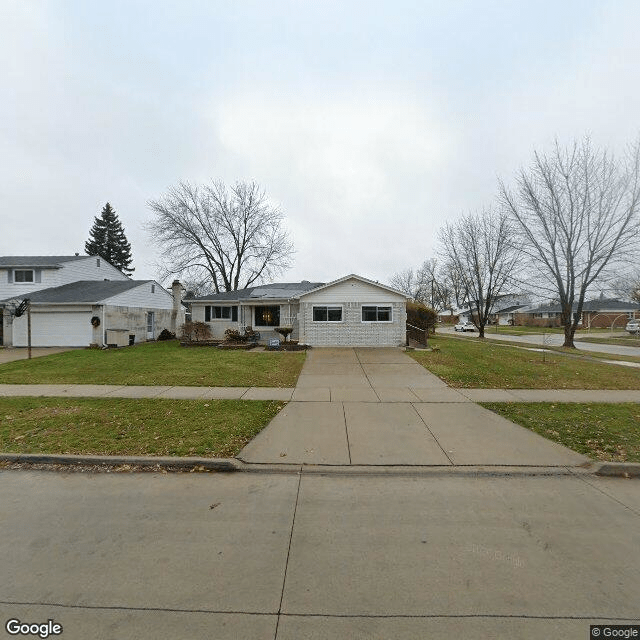
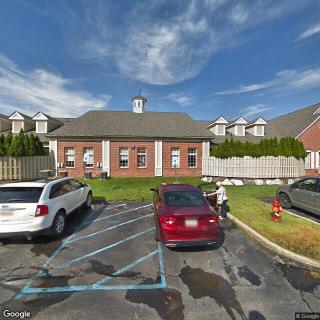
1635 Millard Avenue, Madison Heights, MI 48071
For more information about senior living options: (866) 208-4318
Overall Review of Genesis Adult Foster Care Home
Pros
 Genesis AFCH provides one-on-one care for residents.
- It is set up like a home for those needing assisted living.
- The staff are very helpful.
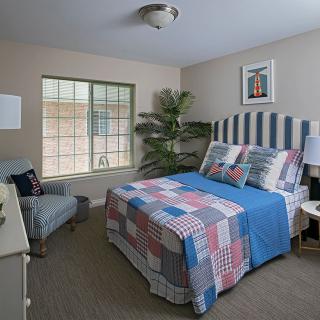
- Residents have private bedrooms.
- They offer daily exercises, bingo, and puzzles, with activities in the living room.
- Meng and her staff deliver incredible care and love.
- The small number of residents and the home-like atmosphere suit residents well.
- The facility comes highly recommended.
Cons
 The mother was hospitalized after moving into Genesis Adult Foster Care Home.
- The MIL was unable to function well in a nursing home environment, implying dissatisfaction with standard nursing homes.
Review
Genesis Adult Foster Care Home in Madison Heights is best suited for families seeking a tightly knit, home-like setting where care is intensely personalized and routines are predictable. This community shines for seniors who need assistance but not heavy, hospital-level medical oversight, and who value privacy, a calm atmosphere, and a sense of belonging. With a private bedroom, a small resident group, and daily, structured activities, Genesis AFCH offers a climate in which caregivers can form meaningful, consistent relationships with residents. For families prioritizing warmth, attentiveness, and a true “home” feel over expansive amenities, this option stands out.
Those who may want to consider alternatives include families navigating complex medical needs or memory-care requirements that demand more intensive clinical support or specialized programming. A larger assisted living or nursing facility typically provides a broader staff infrastructure, more 24/7 medical oversight, and a wider range of on-site services. If the priority is a facility with a larger community footprint, more varied social opportunities, or dedicated memory-care environments, a different setting may better align with those goals. Genesis AFCH’s strength is its intimacy, not its scale.
The strongest pros are the most telling in daily life: a small number of residents and an owner who is deeply involved, paired with a genuinely home-like environment. Reviewers highlight Meng and her staff as remarkably caring, with reliable support that feels personal and attentive. The private bedroom offered to residents eliminates the stress of communal sleeping arrangements and supports a sense of autonomy. The daily rhythm includes two exercise sessions, with activities such as bingo and puzzles that are not only enjoyable but tailored to residents’ abilities, all conducted in a relaxed living-room setting. Food quality and nourishment are explicitly valued as part of the whole-person care, reinforcing a sense of comfort and stability over time.
However, the main cons are inherent to the model: scale and scope. The small operation naturally comes with fewer on-site resources and a leaner staff structure compared to larger facilities. While the care is deeply personal, there may be limits to the immediacy of medical intervention, access to specialized therapies, or the breadth of programming that a bigger campus can offer. For residents with intensive clinical needs, frequent skilled nursing tasks, or requirements that go beyond what an intimate AFCH can provide, this setting may fall short. The realities of a compact footprint mean families should plan for contingencies if medical stability shifts suddenly or if specialized services become necessary.
These pros offset the cons in several practical ways. The payoff of a home atmosphere is not just comfort, it translates into steadier daily routines, reduced confusion, and stronger caregiver-resident communication. The owner’s hands-on leadership fosters continuity of care, ensuring that staff knows each resident’s preferences, medical history, and favorite activities, which minimizes lapses in attention. Private space, consistent exercise, and engaging but simple activities contribute to physical and mental well-being, which can reduce hospitalizations or distress that sometimes accompany larger, impersonal environments. In short, the advantages accumulate into a dependable, low-stress daily lived experience that often surpasses expectations for a smaller, non-n hospital setting.
For families weighing a decision, Genesis AFCH offers a compelling profile for those prioritizing genuine warmth, individualized care, and a home-centered lifestyle. It is a strong fit when the aim is to preserve dignity, enjoy predictable routines, and maintain close caregiver communication in a small, supportive setting. Prospective residents and their families should still assess medical needs honestly: if 24/7 skilled nursing, memory-care specialization, or a broad activity slate are essential, exploring larger facilities with dedicated clinical teams is prudent. Visiting the home, meeting Meng and the staff, and observing the daily cadence will reveal whether the intimate, family-forward approach aligns with expectations and care goals.
 6 resident community capacity
 Assisted Living
 Activities on-site
 Cable or satellite TV
 Devotional services off-site
 Dining room
 Fully furnished
 Garden
 Housekeeping services
 Indoor common areas
 Move-in coordination
 Outdoor space
 Telephone
 Wi-Fi/high-speed internet available
 Detroit Metropolitan-Wayne County (25 miles away)
 24-hour supervision
 Ambulatory care
 Assistance with bathing
 Assistance with dressing
 Assistance with transfers
 Diabetes diet
 Diabetic care
 Meal preparation and service
 Medication management
 Special dietary restrictions
 Transportation arrangement (medical)
 Transportation to doctors appointments


 Is Assisted Living Deductible on Your Taxes? Understanding the Complexities of Assisted Living Expenses and Deductions
 Assisted Living Support for Veterans: A Complete and Detailed Overview
 Exploring the Contrasts Between Assisted Living and Skilled Nursing