At American House Troy, the pricing for monthly accommodations presents a competitive option within both Oakland County and the state of Michigan. For a one-bedroom unit, residents can expect to pay $3,238, which is notably lower than the county average of $3,507 and slightly above the state average of $3,384. Similarly, two-bedroom apartments are priced at $3,567 - again positioning it favorably compared to the county's higher average of $3,881 while remaining slightly above the state's more affordable average of $3,523. This pricing strategy reflects American House Troy's commitment to providing quality living options that remain accessible within the regional market.
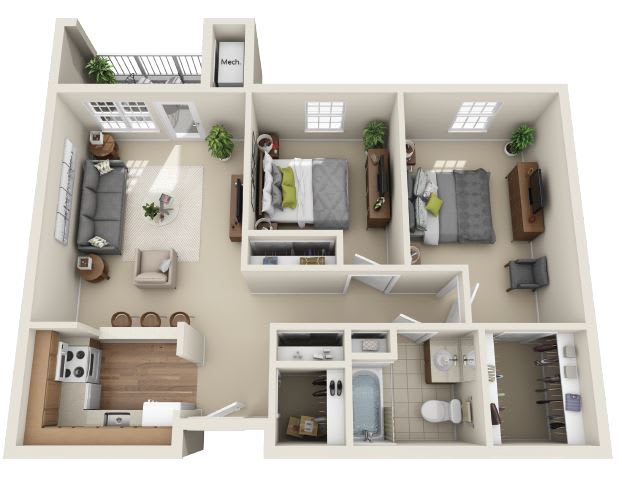
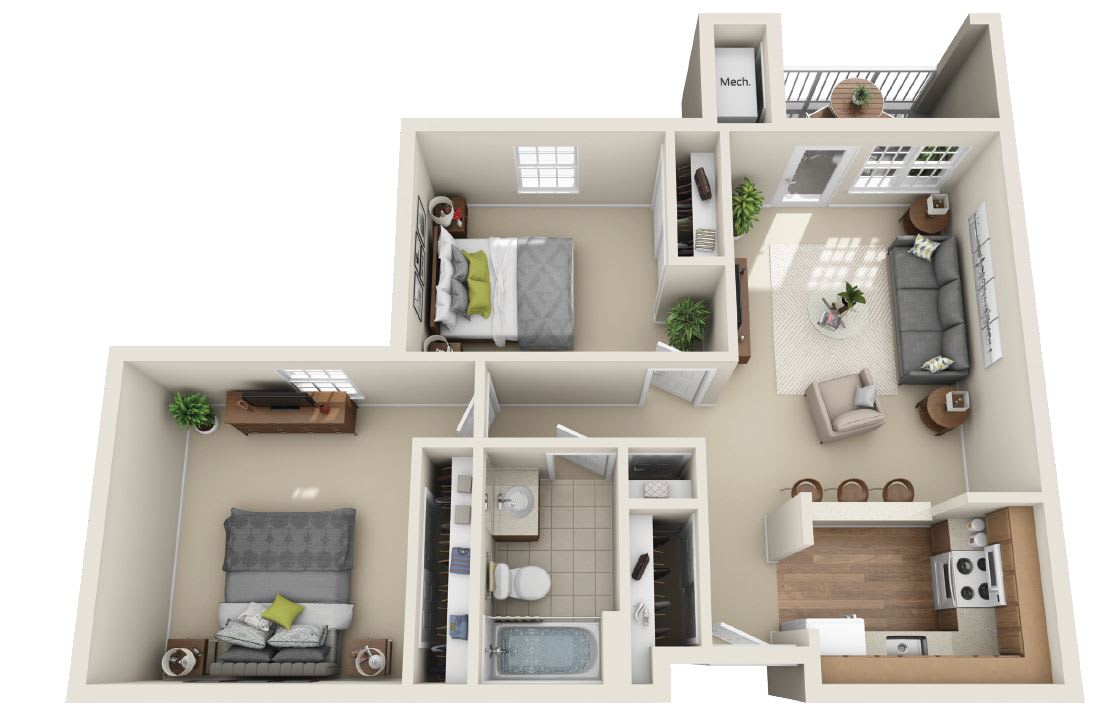
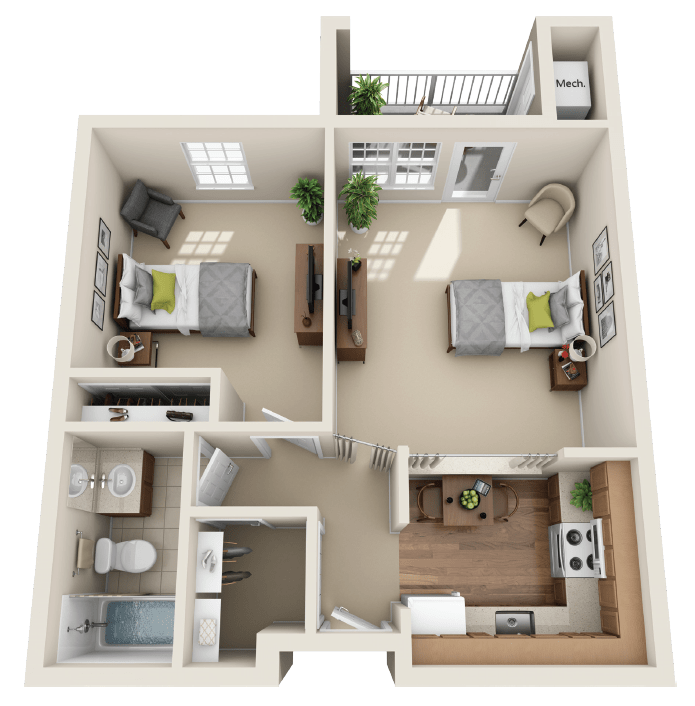
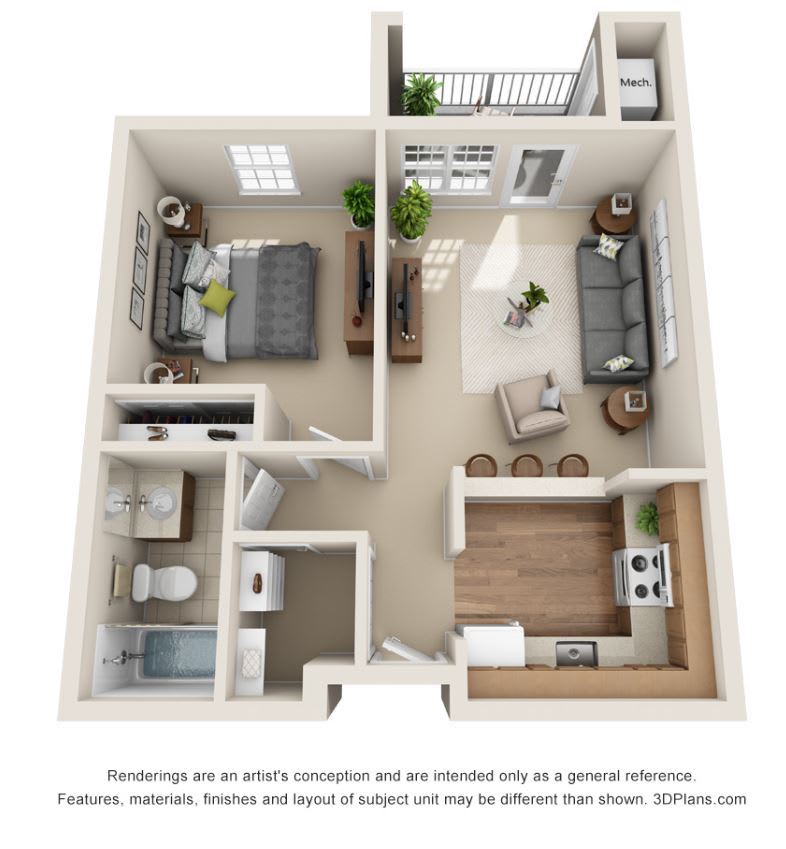
Floor plans
American House Troy
Oakland County
Michigan
1 Bedroom
$3,238
$3,507
$3,384
2 Bedrooms
$3,567
$3,881
$3,523
Overall Review of American House Troy
common20 reviews mention this
Staff feels caring and responsive
Residents and families repeatedly describe the staff as caring and responsive.
Across many reviews, families describe a warm, patient approach from the staff, along with help during the move and throughout day-to-day needs. Several reviewers also mention quick, compassionate responses when medical attention was needed, and note that staff kept them informed about concerns. Even when there were issues, residents often still describe staff as courteous and supportive while trying to address problems.
common10 reviews mention this
Activities and outings stay consistent
The activity calendar is a big part of daily life here.
Residents and families frequently point to scheduled activities, entertainment brought in, and group options like games and movie nights. Multiple reviews describe community-led events and outings, including shopping and trips that keep people engaged. A few reviewers say activities felt less lively at certain times, but most still emphasize that there is usually something happening.
caveat14 reviews mention this
Dining gets mixed reactions
Dining is often good, but some residents report problems with food and delivery.
Many reviews praise the meals as delicious, with residents able to get alternatives when they do not like what is being served. Several also reference nutrition and menu options, plus the convenience of dining in the dining room or receiving meals to apartments when needed. Other reviewers report concerns such as food being overcooked or too salty/spicy, fewer choices after menu changes, and staffing-related interruptions that affected how meals were delivered.
differentiator8 reviews mention this
Medical team support stands out
Residents describe strong medical support through the on-site team.
A recurring theme is the role of the medical team and how they help with care coordination and daily support. Several reviewers mention medication management, meal prep aligned with special dietary needs, and quick assistance when medical attention was required. A small number of comments are negative about communication or care not matching what was promised, but the more frequent tone is that medical support provides reassurance for families.
common10 reviews mention this
Clean spaces and livable apartments
Reviews frequently mention cleanliness and comfortable living spaces.
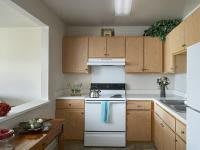
Many families and residents describe the community as clean and well-kept, with attention to housekeeping and overall upkeep. Several reviews also mention apartment features such as spacious rooms, kitchenettes/full kitchens, and outdoor space like balconies or patios. A few people note physical layout limitations, but cleanliness and maintenance support are commonly called out positively.
caveat6 reviews mention this
Rent can feel high
Some reviewers say the rent is high for the value they expected.
Cost comes up in multiple reviews, with some describing the rent as high compared with what they expected to receive. Others mention it as reasonable when weighing cost versus included services, but at least a few residents and families specifically felt pricing did not match the dining or care experience they encountered. The community’s pricing is also positioned below both county and state levels for the unit types shown, which may help explain why some reviewers felt it was a value.
How we summarize
Counts show how many written reviews mention each theme; a review can touch several themes, and only frequently mentioned themes are displayed.
Features
Housing
21 resident community capacity
Types of Care
Assisted Living
Independent Living
Pets
Cats allowed
Dogs allowed
Amenities
Activities off-site
Activities on-site
Air-conditioning
Bath tubs
Beautician on-site
Beauty salon
Cable or satellite TV
Devotional services off-site
Devotional services on-site
Dining room
Full kitchen
Fully furnished
Garden
Ground floor units
Handicap accessible
Housekeeping services
Indoor common areas
Kitchenette
Laundry
Move-in coordination
Outdoor common areas
Outdoor space
Party space
Respite or short term stays offered
Restaurant-style dining
Telephone
Wi-Fi/high-speed internet available
Transportation
Transportation & parking
Care Services
24-hour call system
24-hour supervision
Activities of daily living assistance
Ambulatory care
Assistance with bathing
Assistance with dressing
Assistance with transfers
Coordination with health care providers
Diabetes diet
Diabetic care
Hospice care
Meal preparation and service
Medication management
Mental wellness program
Physical therapy
Special dietary restrictions
Transportation arrangement (medical)
Transportation to doctors appointments
Dining
Diabetes diet
Guest meals
Meals provided
Restaurant style dining
Special dietary restrictions
Vegetarian
Activities
Activities off-site
Art classes
Catholic services
Community-sponsored activities
Cooking classes
Day trips and outings
Devotional activities offsite
Devotional activities on-site
Fitness programs
Happy hour
Live dance or theater performances
Live musical performances
Live well programs
Resident-run activities
Scheduled daily activities
Stretching classes
Yoga / chair yoga
Languages Spoken
English
Nearby Places of Interest
This area of Troy, Michigan, offers a variety of amenities that cater to the needs of seniors. With several medical practices, hospitals, and pharmacies located within a few miles, residents have access to healthcare services in close proximity. Additionally, there are theaters, restaurants, cafes, and parks nearby for entertainment and leisure activities. Places of worship are also easily accessible for spiritual needs. Overall, this part of Troy provides a convenient and diverse environment for senior living with all essential facilities within easy reach.
Physicians
Metro Medical Practice (0.8 miles)
Sterling Physicians (1.1 miles)
Troy Orthopedics Associates (3.4 miles)
Troy Medical Center (3.5 miles)
Royal Oak Pediatrics PC (4.8 miles)
Be Well Medical Center (5.4 miles)
Beverly Hills Orthopedists (6.2 miles)
Theaters
AMC Star John R 15 (1 miles)
MJR Troy Grand Digital Cinema 16 (2.2 miles)
Emagine Royal Oak (4.2 miles)
AMC Forum 3 (5.8 miles)
Emagine Rochester Hills (6.9 miles)
Restaurants
Mon Jin Lau (1 miles)
Twin Peaks (1.1 miles)
New York Deli (1.2 miles)
Ishtar Restaurant (1.6 miles)
McDonald's (2 miles)
Pita Way - Troy (2.4 miles)
McDonald's (2.5 miles)
Pharmacies
Value Center Marketplace (1.4 miles)
Walgreens (1.4 miles)
CVS Pharmacy (1.7 miles)
Rite Aid (1.8 miles)
Walgreens (2.2 miles)
Rite Aid (2.3 miles)
Walgreens (2.5 miles)
Places of Worship
Big Beaver United Methodist Church (2.1 miles)
Parks
Clawson Park (2.5 miles)
Starr Jaycee Park (3.4 miles)
Harding Park (5.2 miles)
Center Line Memorial Park (5.7 miles)
Dodge Park (5.8 miles)
Shain Park (5.8 miles)
Scout Park (5.8 miles)
Cafes
Starbucks (3.3 miles)
Starbucks (3.8 miles)
Panera Bread (4.3 miles)
Starbucks (4.4 miles)
Starbucks (4.6 miles)
Starbucks Reserve (5.7 miles)
Biggby Coffee (5.7 miles)
Hospitals
St John Macomb-Oakland Hospital Warren Emergency Care (5.6 miles)
At American House Troy, the pricing for monthly accommodations presents a competitive option within both Oakland County and the state of Michigan. For a one-bedroom unit, residents can expect to pay $3,238, which is notably lower than the county average of $3,507 and slightly above the state average of $3,384. Similarly, two-bedroom apartments are priced at $3,567 - again positioning it favorably compared to the county's higher average of $3,881 while remaining slightly above the state's more affordable average of $3,523. This pricing strategy reflects American House Troy's commitment to providing quality living options that remain accessible within the regional market.
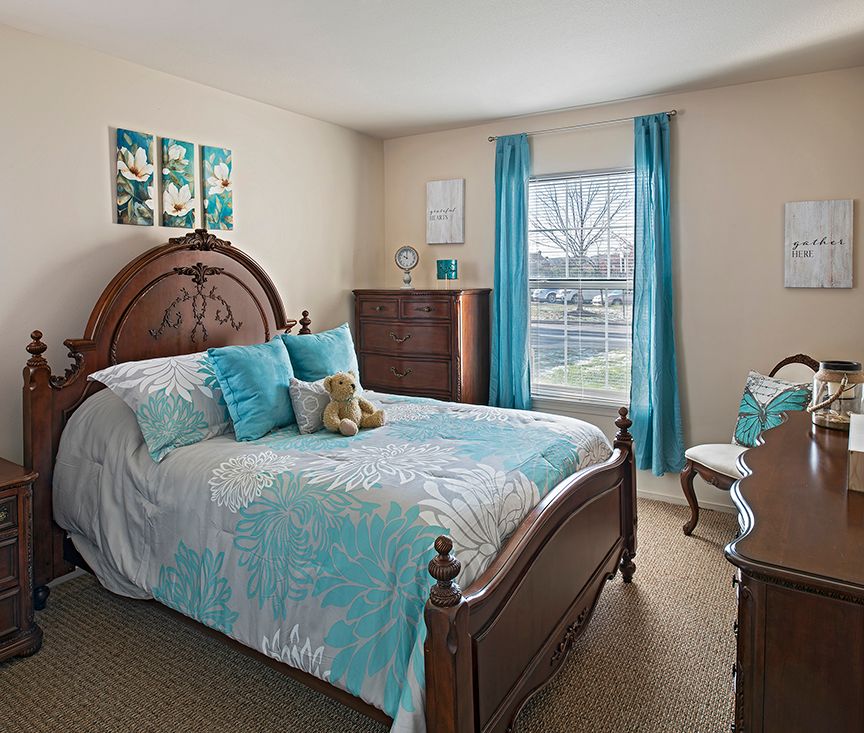
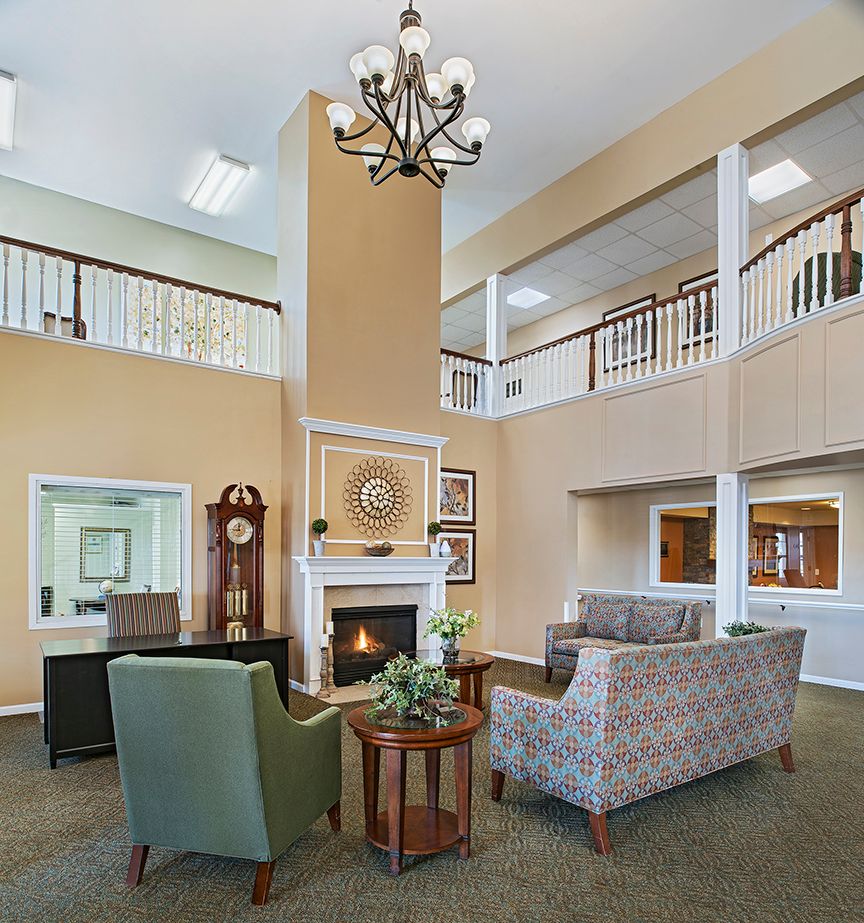
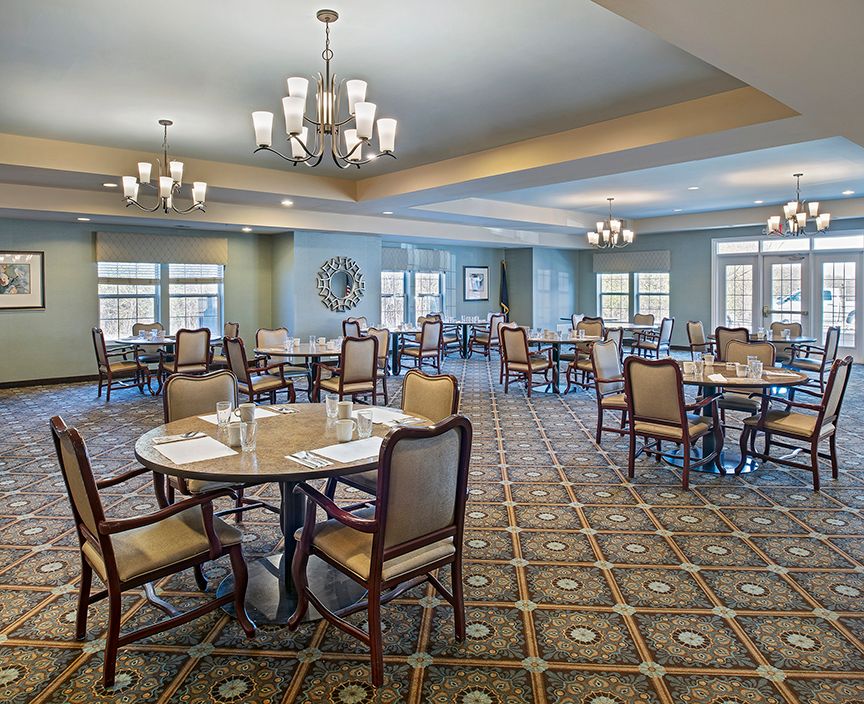
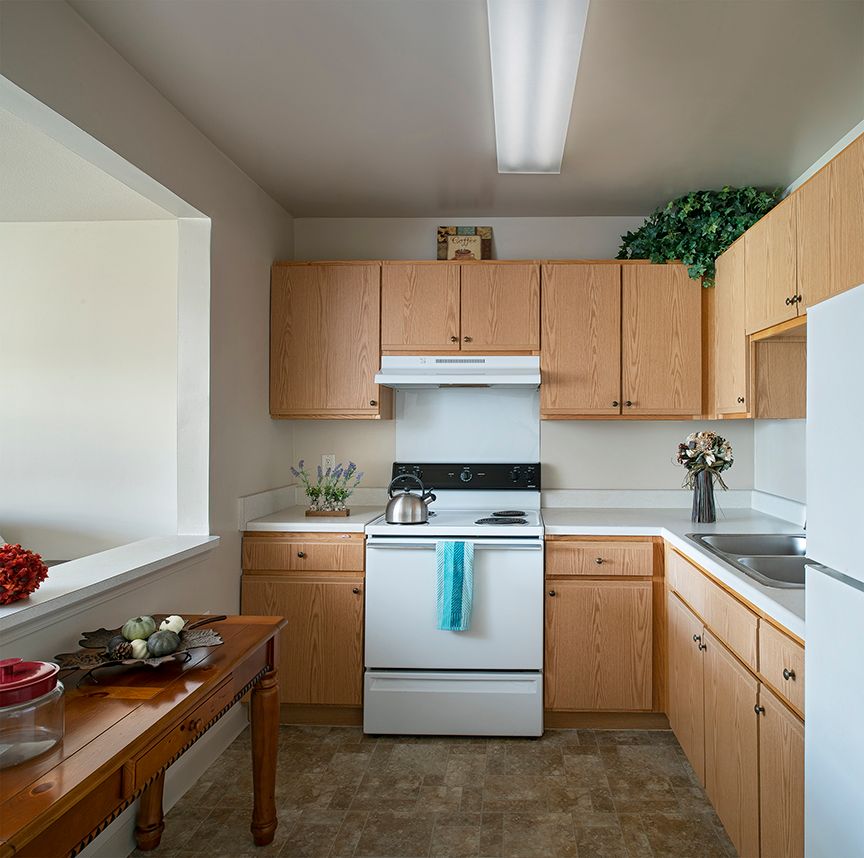
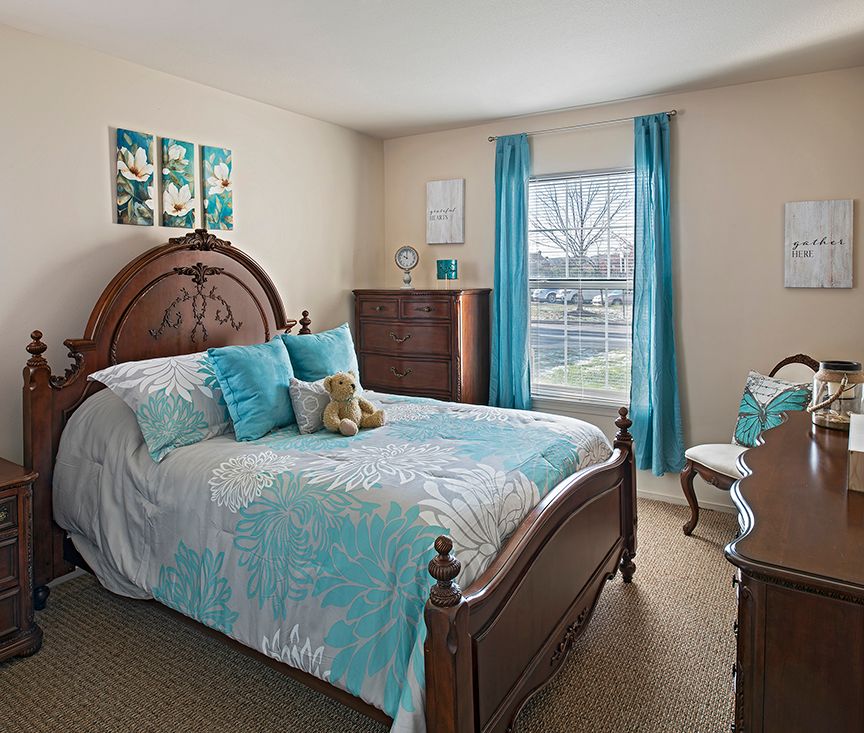
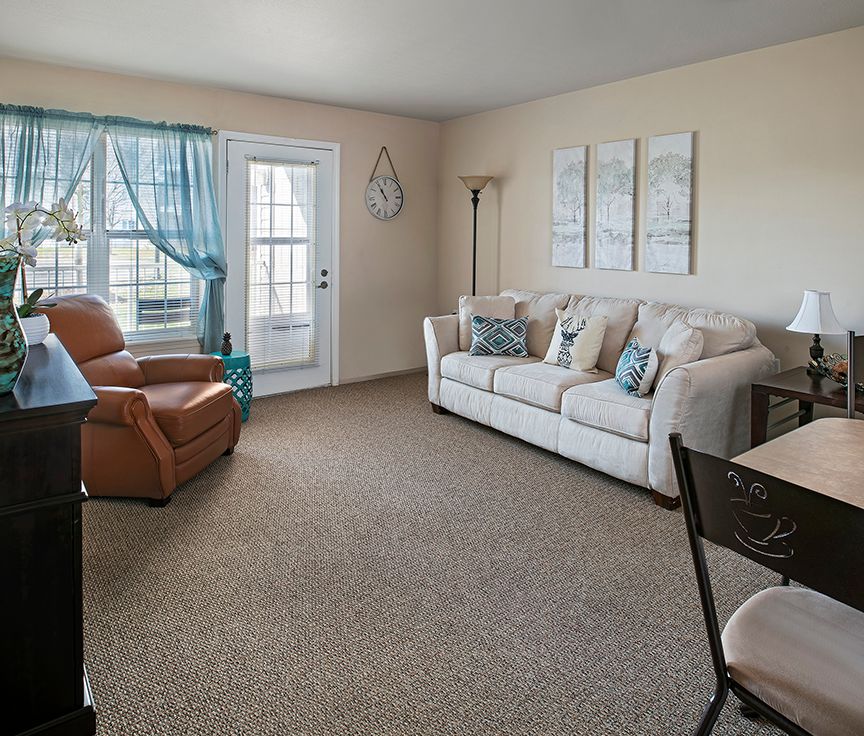
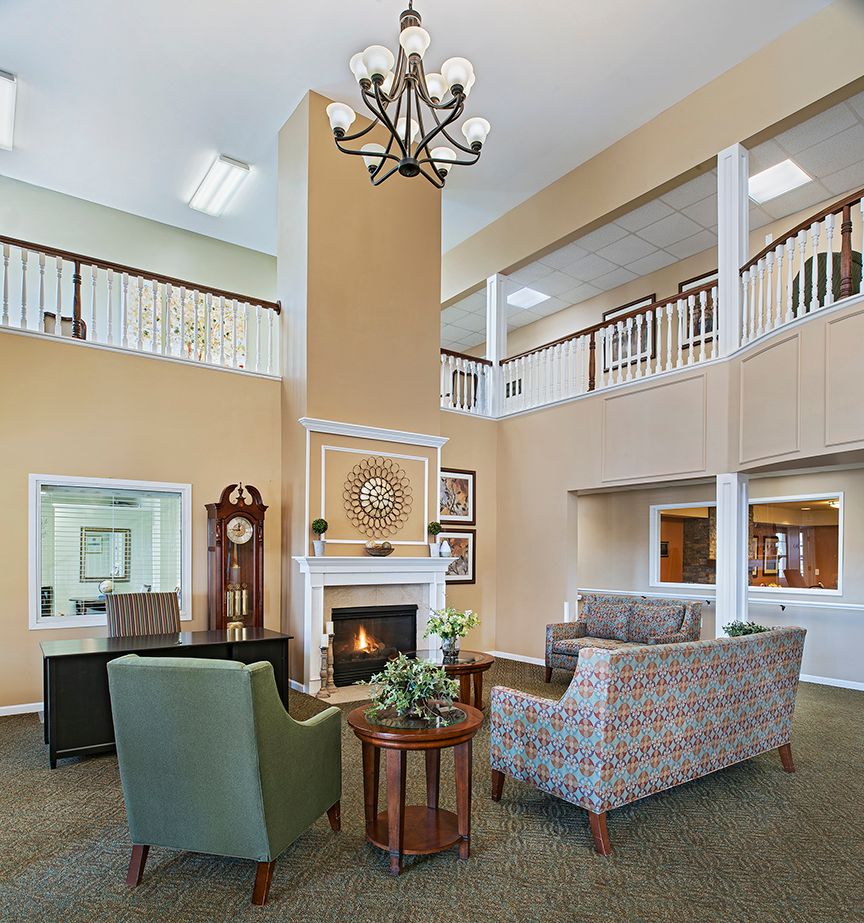
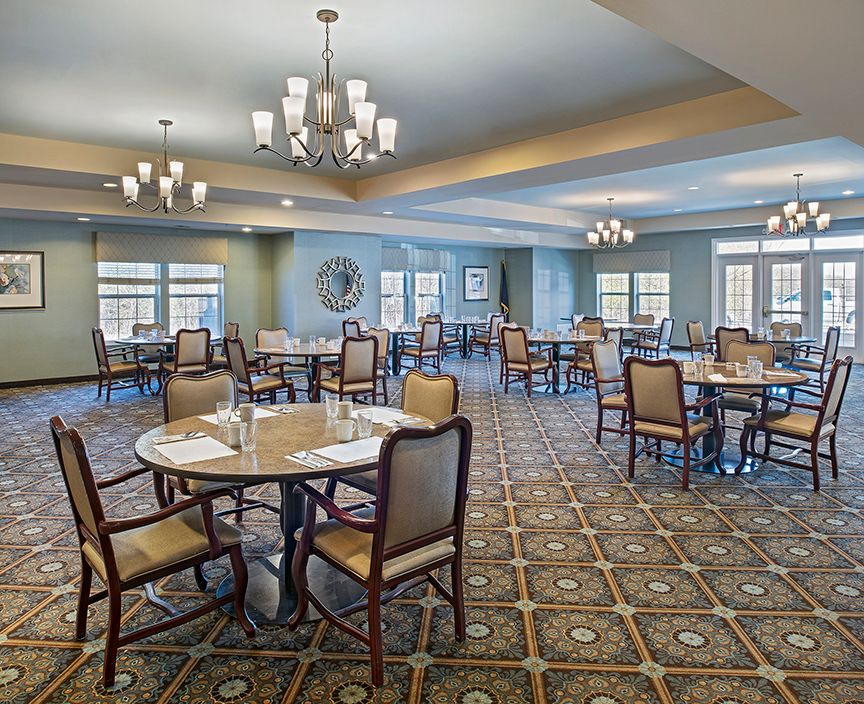
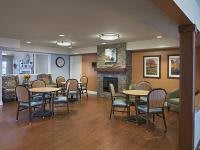
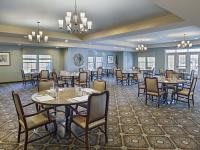
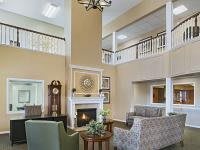
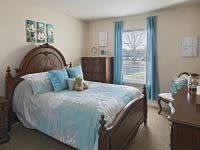
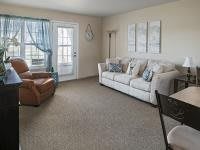
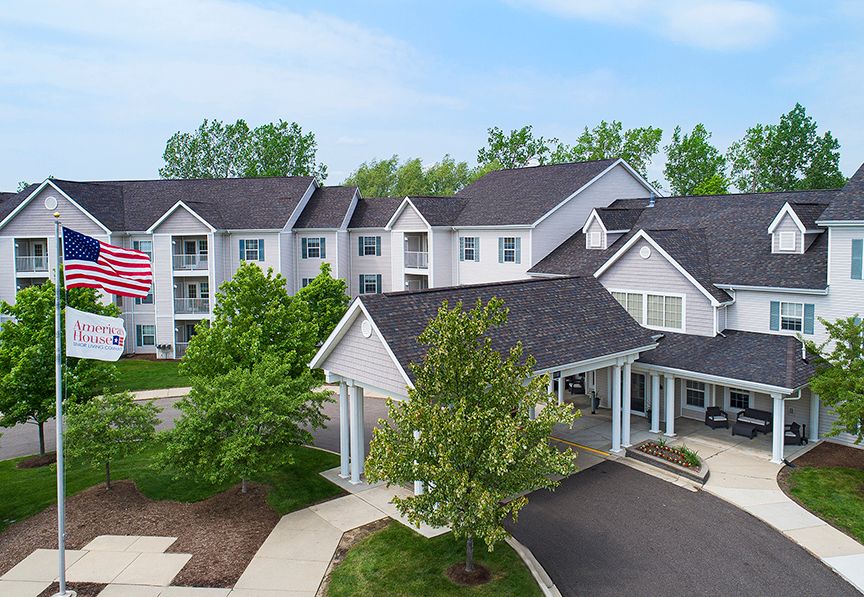
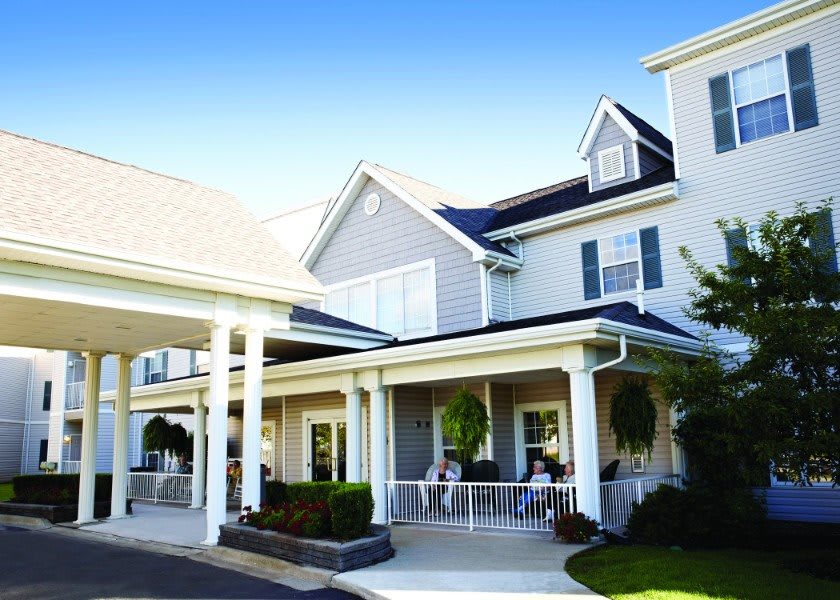
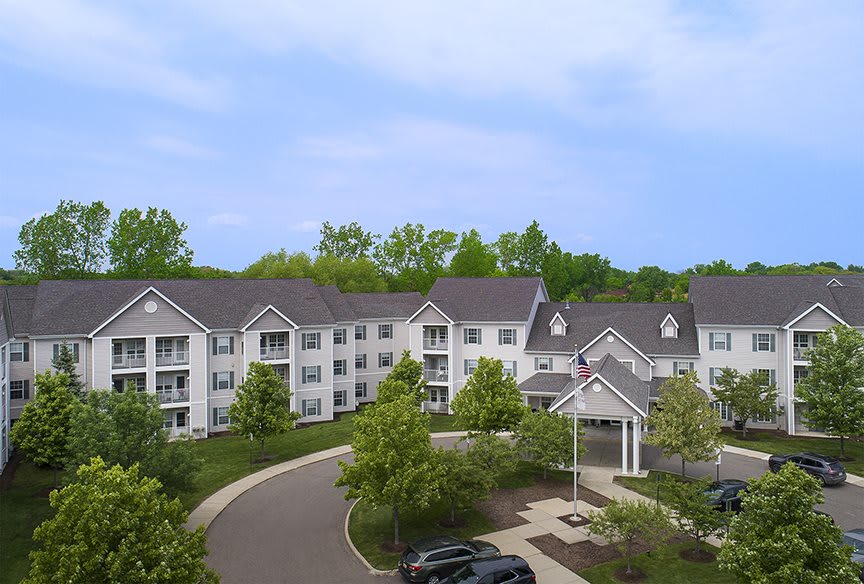
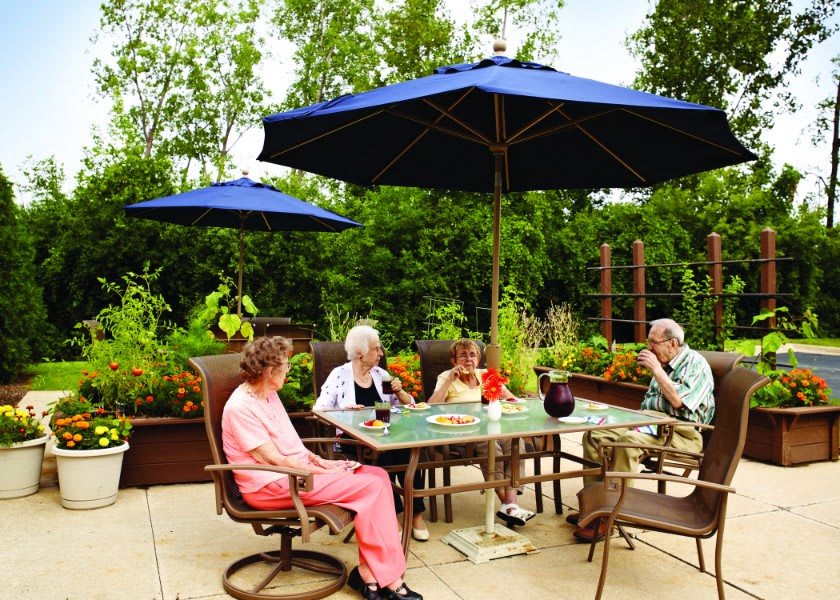
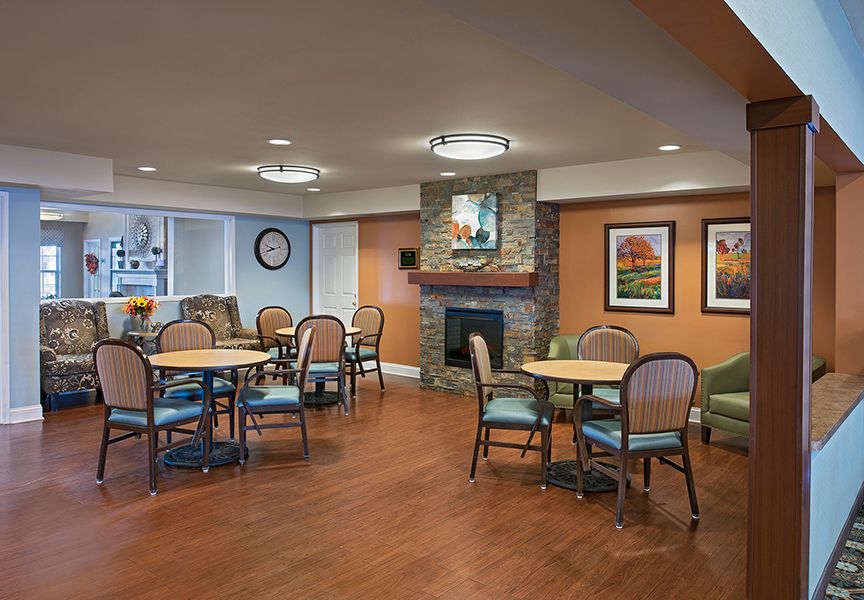
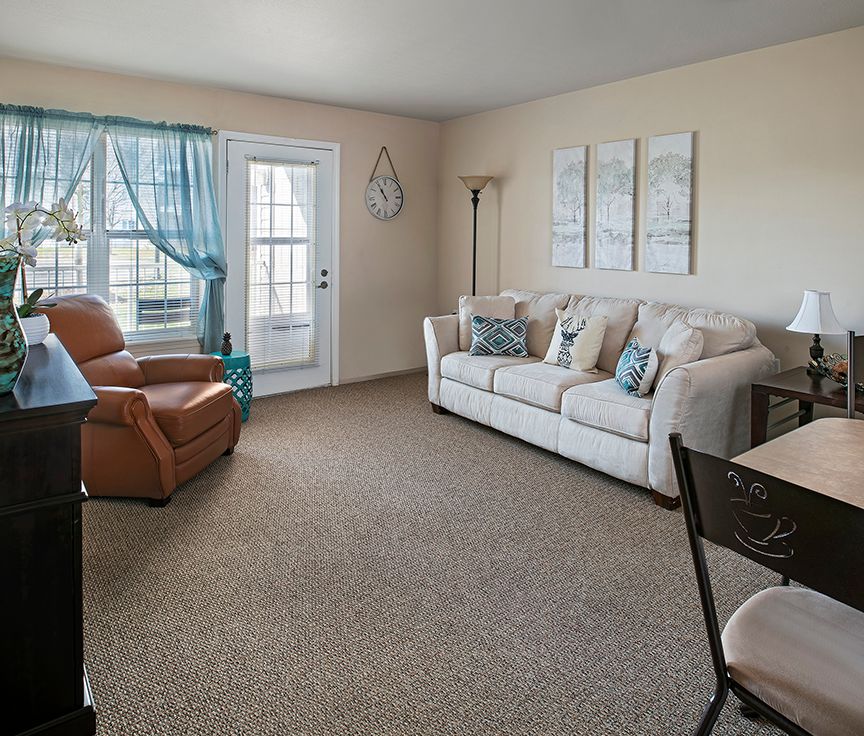
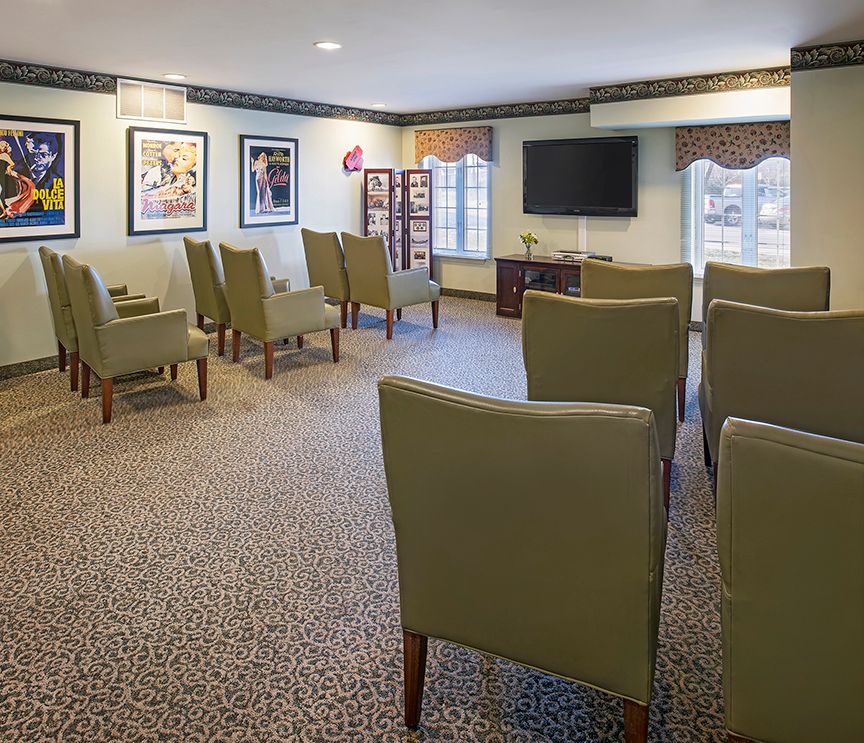
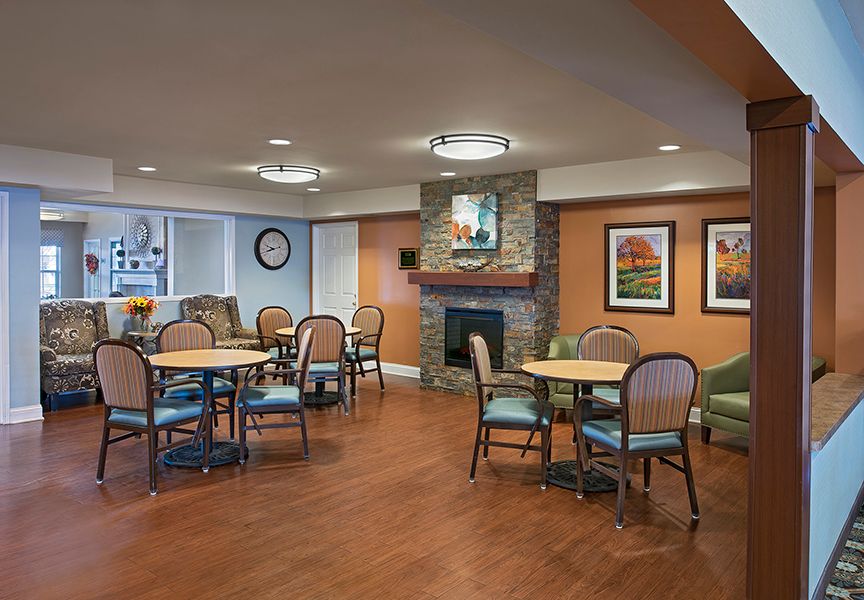
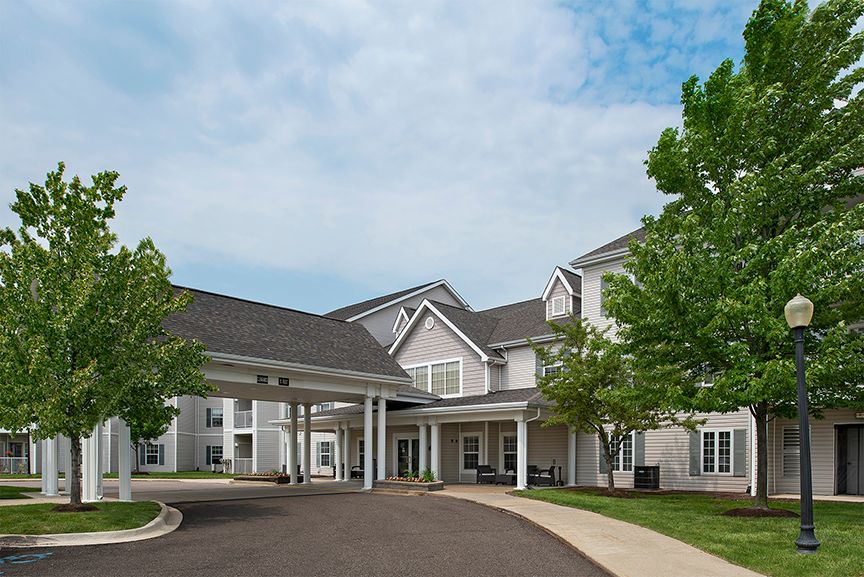
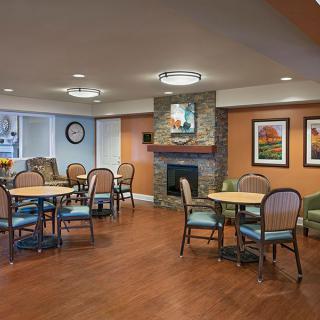
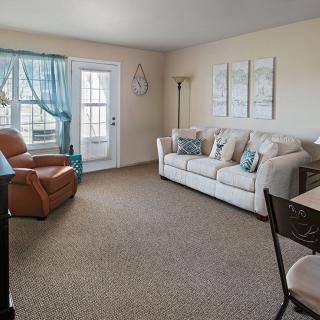
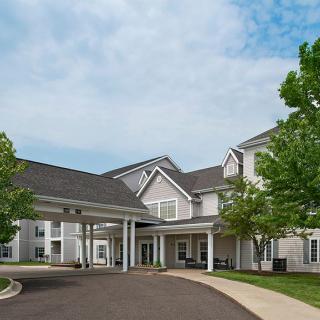
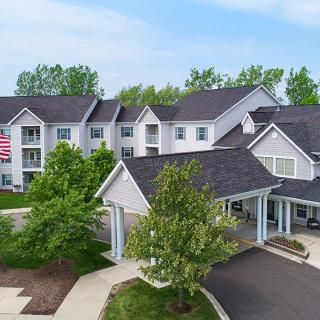
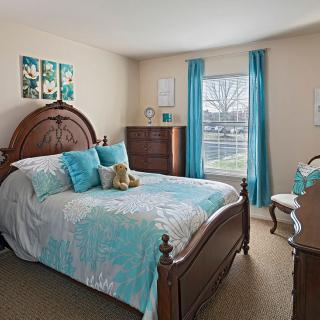
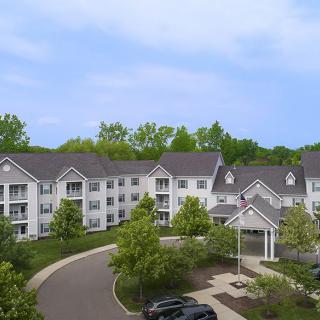
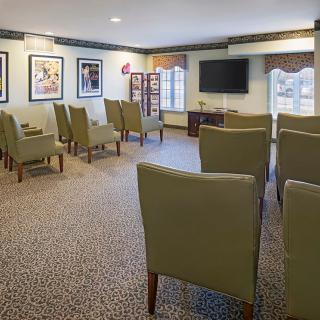
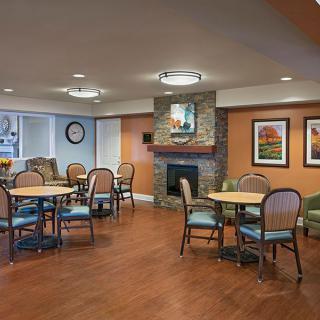
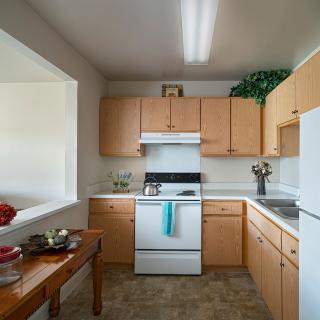
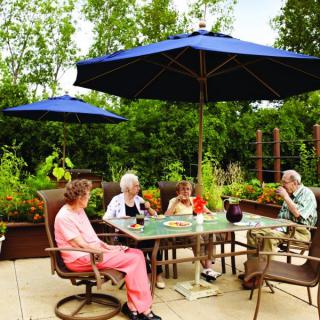
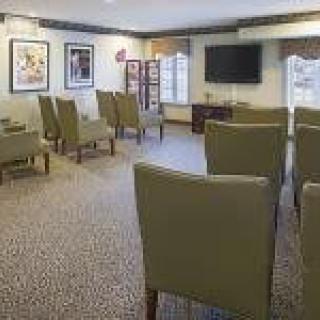
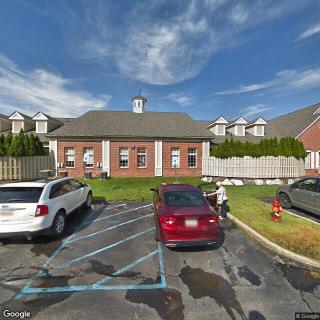
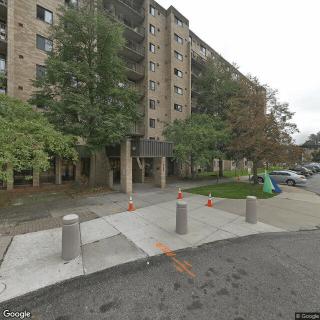
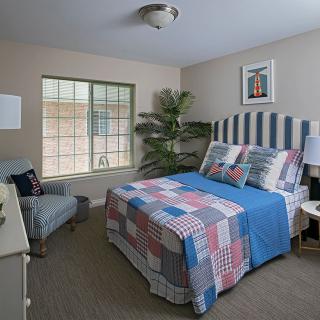
American House Troy on seniors.fyi includes 30 photos including images showing interior, decor, floor plan, dining, bedroom, windows, chandelier, fireplace, and more.
Nearby Communities
Oak Park Towers II
Troy, MI
4 from 31 reviews
$861 to $1,124 / month
Pet-friendly policy and an engaged resident community.
920 On The Park
Troy, MI
3.7 from 38 reviews
$863 to $883 / month
Affordable value with engaging activities in a well-maintained setting.
Crabtree Lane
Troy, MI
Small, intimate assisted living with comprehensive ADL support, on-site dining, housekeeping, and transportation for medical visits.
Crabtree Lane AFC Home
Troy, MI
4.9 from 44 reviews
$3,500 to $5,500 / month
Exceptional staff delivering personalized, attentive memory-care in a close-knit setting.
Oak Manor Inc
Troy, MI
4.3 from 6 reviews
Broad range of amenities and care services.
Sun Valley Senior Living
Troy, MI
4.8 from 6 reviews
$3,000 to $3,800 / month
Clean, well-maintained environment with caring staff in an intimate, small-community setting.
ExpertCare Management Services
Troy, MI
3.2 from 37 reviews
Strong commitment to finding the right caregiver, improving the loved one's comfort and independence.
Solberg Tower Senior Citizen
Madison Heights, MI
5 from 7 reviews
Excellent access to dining, parks, pharmacies, doctors, theaters, and hospitals nearby.
American House Park Place
Warren, MI
4.7 from 103 reviews
$2,995 to $4,200 / month
Clean, well-maintained community with friendly staff and engaging activities.
The transition from assisted living to skilled nursing care is often prompted by complex medical needs that assisted living cannot meet, with key indicators including frequent health declines, increased falls, severe memory issues, and caregiver burnout. Families should recognize these signs early to discuss options with healthcare providers and prepare for the emotional and logistical aspects of moving to a facility that offers comprehensive medical support.
Vibrant Senior Living emphasizes active senior living communities that promote independence and engagement through diverse amenities and activities, fostering wellness and social interaction among older adults. These communities range from independent to assisted living, with a focus on personal growth, family involvement, financial planning, and leveraging technology to enhance residents' experiences.
Transitioning from assisted living to memory care is driven by an individual's cognitive decline and specific needs, requiring careful evaluation of indicators like increased confusion and wandering. The process involves consulting medical professionals, researching suitable communities, considering financial and legal aspects, and ensuring effective communication for personalized care plans.
Parking, Apartment Complex, and Residential Building
Porch
Refrigerator and Dining Table
Conference Room
Stove
Living Space and Home Design
Get PricingAsk A QuestionSchedule A TourContact Senior Advisor
By clicking submit, you agree to our Partner's Terms of Use. You
also consent to receive calls and texts, which may be autodialed, from our Partner. Your consent is not a condition to
using our Partner's service. Please visit our Partner's Privacy Policy for information about their privacy practices.


 21 resident community capacity
 Assisted Living
 Independent Living
 Cats allowed
 Dogs allowed
 Activities off-site
 Air-conditioning
 Bath tubs
 Beautician on-site
 Cable or satellite TV
 Devotional services off-site
 Dining room
 Full kitchen
 Fully furnished
 Garden
 Ground floor units
 Handicap accessible
 Housekeeping services
 Indoor common areas
 Laundry
 Move-in coordination
 Outdoor common areas
 Party space
 Respite or short term stays offered
 Restaurant-style dining
 Telephone
 Wi-Fi/high-speed internet available
 Transportation & parking
 24-hour call system
 Ambulatory care
 Assistance with bathing
 Assistance with dressing
 Assistance with transfers
 Diabetes diet
 Diabetic care
 Hospice care
 Medication management
 Mental wellness program
 Physical therapy
 Special dietary restrictions
 Transportation arrangement (medical)
 Art classes
 Catholic services
 Cooking classes
 Day trips and outings
 Fitness programs
 Happy hour
 Live dance or theater performances
 Live musical performances
 Live well programs
 English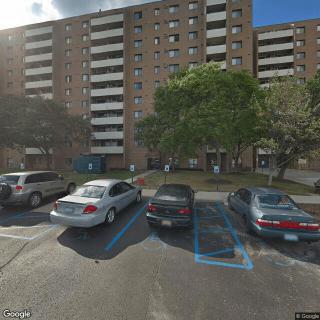
 Pet-friendly policy and an engaged resident community.

 8 Key Indicators That Suggest It May Be Time to Transition from Assisted Living to Skilled Nursing Care
 Vibrant Senior Living: A Comprehensive Guide for Active Older Adults
 When to Transition from Assisted Living to Memory Care: Key Indicators, Steps, and Finding the Right Community