Crabtree Lane AFC Home offers a range of accommodation options at rates that reflect its unique services and amenities, which may be higher than the average costs seen in both Oakland County and the broader state of Michigan. For semi-private rooms, residents can expect to pay $3,500 per month, notably exceeding the county's average of $3,204 and the state's average of $3,191. Similarly, private rooms are priced at $5,500 - again above both local ($3,708) and state averages ($3,675). The same holds true for one-bedroom accommodations; at Crabtree Lane AFC Home, these are also available for $5,500 compared to Oakland County's average of $3,507 and Michigan's overall average of $3,384. While prices may appear steeper than those typical in the area, they likely correspond with the personalized care and community environment that Crabtree Lane is committed to providing its residents.
Floor plans
Crabtree Lane AFC Home
Oakland County
Michigan
Semi-Private
$3,500
$3,204
$3,189
1 Bedroom
$5,500
$3,507
$3,384
Private
$5,500
$3,708
$3,674
Memory care communities with a similar price nearby
Families describe real improvements for loved ones with dementia.
Residents’ families specifically mention dementia, and they describe the home as a turning point for mood and daily life. One review also describes hospice care in the later stages while the person stayed well-groomed and cared for.
differentiator2 reviews mention this
Medication and diabetic needs
Families say medications are closely monitored and diabetes needs are handled.
Reviews mention medication attention and monitoring, including a family describing peace of mind once medications were being managed on-site. Another family highlights the ability to handle diabetes among several medical problems.
common8 reviews mention this
Home-style dining stands out
Meals are repeatedly described as home-cooked and a bright point.
Multiple residents’ families mention home-style, homecooked meals, and they connect dining with overall satisfaction. A few reviews also call out specific meal items or note that the food is really good, alongside regular, day-to-day dining.
common6 reviews mention this
Clean home and grooming
The home is described as consistently clean, with thoughtful grooming.
Several reviews describe the setting as always clean or immaculate, and families also mention grooming details like hair and nails being done. One review ties cleanliness and skin care to comfort even late in the care journey.
How we summarize
Counts show how many written reviews mention each theme; a review can touch several themes, and only frequently mentioned themes are displayed.
Features
Types of Care
Board and Care Home
Memory Care
Amenities
Activities off-site
Activities on-site
Bath tubs
Devotional services off-site
Devotional services on-site
Indoor common areas
Outdoor common areas
Private
Respite or short term stays offered
Wheelchair accessible showers
Care Services
Diabetic care
High acuity care
Incontinence care
Medication management
Dining
Meals provided
Activities
Activities off-site
Activities on-site
Devotional activities offsite
Devotional activities on-site
Nearby Places of Interest
This part of Troy, Michigan is a bustling and convenient area with a variety of amenities within close proximity. There are several reputable physicians and medical centers nearby, ensuring easy access to healthcare services. Pharmacies and grocery stores are also conveniently located for all your daily needs. In terms of dining options, there is a diverse range of restaurants offering different cuisines to suit your tastes. Additionally, there are places of worship nearby for spiritual fulfillment and several parks for leisurely walks and relaxation. Theatres are also easily accessible for entertainment purposes. Overall, this area provides a blend of convenience, cultural diversity, and recreational opportunities that would make it a pleasant choice for senior living.
Physicians
Metro Medical Practice (0.7 miles)
Sterling Physicians (0.8 miles)
Troy Orthopedics Associates (3.2 miles)
Troy Medical Center (3.3 miles)
Royal Oak Pediatrics PC (5.4 miles)
Be Well Medical Center (5.8 miles)
Millman-Derr Center For Eye Care (6.3 miles)
Pharmacies
Walgreens (0.8 miles)
CVS Pharmacy (1.7 miles)
Rite Aid (1.7 miles)
Value Center Marketplace (1.8 miles)
Walgreens (1.9 miles)
Rite Aid (2.1 miles)
Walgreens (2.9 miles)
Restaurants
Mon Jin Lau (1 miles)
Ishtar Restaurant (1.6 miles)
Twin Peaks (1.6 miles)
New York Deli (1.6 miles)
Pita Way - Troy (2.1 miles)
McDonald's (2.3 miles)
Fogo de Chão Brazilian Steakhouse (2.6 miles)
Places of Worship
Big Beaver United Methodist Church (1.5 miles)
Church Of The Holy Redeemer (6.7 miles)
Theaters
AMC Star John R 15 (1.6 miles)
MJR Troy Grand Digital Cinema 16 (2.2 miles)
Emagine Royal Oak (4.8 miles)
AMC Forum 3 (5.2 miles)
Emagine Rochester Hills (6.2 miles)
Parks
Clawson Park (2.6 miles)
Starr Jaycee Park (3.8 miles)
Dodge Park (5.4 miles)
Firefighters Park (5.5 miles)
Harding Park (5.8 miles)
Shain Park (5.8 miles)
Center Line Memorial Park (6.2 miles)
Cafes
Starbucks (3.3 miles)
Starbucks (4.2 miles)
Panera Bread (4.4 miles)
Starbucks (4.9 miles)
Starbucks (5 miles)
Starbucks Reserve (5.7 miles)
Biggby Coffee (5.7 miles)
Hospitals
St John Macomb-Oakland Hospital Warren Emergency Care (5.9 miles)
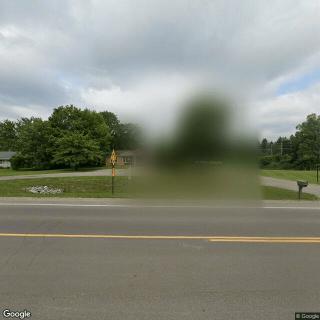
Crabtree Lane AFC Home offers a range of accommodation options at rates that reflect its unique services and amenities, which may be higher than the average costs seen in both Oakland County and the broader state of Michigan. For semi-private rooms, residents can expect to pay $3,500 per month, notably exceeding the county's average of $3,204 and the state's average of $3,191. Similarly, private rooms are priced at $5,500 - again above both local ($3,708) and state averages ($3,675). The same holds true for one-bedroom accommodations; at Crabtree Lane AFC Home, these are also available for $5,500 compared to Oakland County's average of $3,507 and Michigan's overall average of $3,384. While prices may appear steeper than those typical in the area, they likely correspond with the personalized care and community environment that Crabtree Lane is committed to providing its residents.
Medication management at Crabtree Lane AFC Home ensures that residents receive their prescribed medications accurately and on time, reducing the risk of confusion or missed doses, which is particularly critical for individuals with dementia or Alzheimer's disease who may struggle with memory. This systematic approach not only promotes adherence to treatment plans but also alleviates anxiety for both residents and their families regarding medication oversight. Incontinence care is another vital service offered, recognizing that many individuals with cognitive impairments may experience difficulty in managing personal hygiene. By providing compassionate assistance in a dignified manner, this feature helps maintain residents' comfort and self-esteem while ensuring their physical well-being, thus creating an environment where they can feel secure and supported during what can be challenging times.
Nearby Communities
Crabtree Lane
Troy, MI
Small, intimate assisted living with comprehensive ADL support, on-site dining, housekeeping, and transportation for medical visits.
Oak Manor Inc
Troy, MI
4.3 from 6 reviews
Broad range of amenities and care services.
Sun Valley Senior Living
Troy, MI
4.8 from 6 reviews
$3,000 to $3,800 / month
Clean, well-maintained environment with caring staff in an intimate, small-community setting.
Bethany Villa Senior Apts
Troy, MI
3.8 from 47 reviews
Private entrances with personal garden spaces foster privacy and a sense of community.
Oak Park Towers II
Troy, MI
4 from 31 reviews
$861 to $1,124 / month
Pet-friendly policy and an engaged resident community.
American House Troy
Troy, MI
4.4 from 114 reviews
Friendly staff, convenient location, and ample on-site amenities.
920 On The Park
Troy, MI
3.7 from 38 reviews
$863 to $883 / month
Affordable value with engaging activities in a well-maintained setting.
ExpertCare Management Services
Troy, MI
3.2 from 37 reviews
Strong commitment to finding the right caregiver, improving the loved one's comfort and independence.
Oakmont Sterling
Sterling Heights, MI
4.2 from 27 reviews
$2,815 to $3,815 / month
Homey, well-maintained environment with friendly staff, engaging activities, and good value for the price.
The article outlines effective communication strategies for interacting with loved ones with dementia, highlighting the need for empathy, patience, and understanding while emphasizing supportive approaches like using simple language, minimizing distractions, and focusing on feelings over facts to maintain dignity and foster connection. It also suggests seeking professional guidance when needed as communication challenges evolve.
VA nursing homes, or Community Living Centers (CLCs), offer tailored long-term care for veterans, featuring medical attention and rehabilitation in a supportive environment. The guide covers facility types, eligibility criteria, financial assistance options, quality of care standards, and alternatives to full-time nursing home placement.
At-home dementia care expenses vary widely based on care levels, location, and caregiver expertise, with monthly costs for home health aides exceeding $4,500 and specialized care potentially surpassing $100,000 annually. While families favor in-home care for its comfort and personalized attention, they must consider financial planning and the challenges of caregiver fatigue.
Get PricingAsk A QuestionSchedule A TourContact Senior Advisor
By clicking submit, you agree to our Partner's Terms of Use. You
also consent to receive calls and texts, which may be autodialed, from our Partner. Your consent is not a condition to
using our Partner's service. Please visit our Partner's Privacy Policy for information about their privacy practices.

 Board and Care Home
 Memory Care
 Activities off-site
 Bath tubs
 Devotional services off-site
 Indoor common areas
 Outdoor common areas
 Private
 Respite or short term stays offered
 Wheelchair accessible showers
 Diabetic care
 High acuity care
 Incontinence care
 Medication management
 Meals provided
 Small, intimate assisted living with comprehensive ADL support, on-site dining, housekeeping, and transportation for medical visits.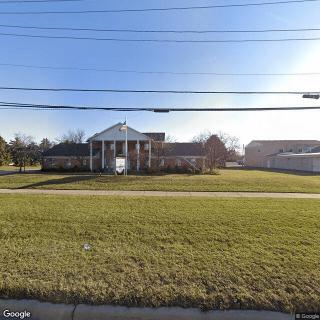

 How to Communicate with a Loved One Living with Dementia: 10 Supportive Strategies
 Comprehensive Guide to VA Nursing Homes: A Crucial Long-Term Care Resource for Veterans
 Estimating the Expenses of At-Home Dementia Care: A Detailed Exploration