For more information about senior living options: (866) 208-4318
3.7 from 53 reviews
5 stars
33
4 stars
3
3 stars
0
2 stars
2
1 stars
15
Holy Trinity Eastern Orthodox N & R Center Costs & Pricing
At Holy Trinity Eastern Orthodox Nursing and Rehabilitation Center, the monthly costs for various room types are notably competitive when compared to the broader context of Worcester County and the state of Massachusetts. For a one-bedroom unit, residents can expect to pay $2,750, which is significantly lower than the county average of $4,661 and the state average of $5,349. Those opting for a studio will find the cost set at $4,950, slightly below both the Worcester County rate of $5,109 and the Massachusetts rate of $5,312. For private accommodations, while the price is higher at $7,170, it remains above the county's average of $5,615 and the state's average of $6,090. Overall, Holy Trinity offers attractive pricing across all room types that may appeal to potential residents seeking quality care in a supportive environment.
Floor plans
Holy Trinity Eastern Orthodox N & R Center
Worcester County
Massachusetts
1 Bedroom
$2,750
$4,661
$5,349
Studio
$4,950
$5,109
$5,312
Private
$7,170
$5,615
$6,090
Skilled Nursing Facilities with a similar price nearby
Overall Review of Holy Trinity Eastern Orthodox N & R Center
caveat28 reviews mention this
Staff care feels inconsistent
Residents and families describe both attentive, compassionate care and frustrating lapses in day-to-day responsiveness.
Several reviews praise the staff as kind, attentive, and compassionate, with families saying their loved ones were well cared for and that nurses and aides went above and beyond. At the same time, other reviewers report call buttons going unanswered for long periods, basic needs being ignored, and medication or care routines not being handled as expected. Some reviewers also describe needing significant family oversight to ensure care actually happened. Overall, staff treatment comes through as a frequent theme, but experiences vary widely.
caveat10 reviews mention this
Cleanliness splits opinion
Reviews include both descriptions of an immaculate, well-kept facility and accounts of serious odor and cleanliness problems.
Positive comments mention the facility being well kept, clean, and even immaculate with no odor. Other reviews describe the building as filthy, with smells they associate with urine and waste, overflowing trash, and dirty floors and bathrooms. A tour-focused review also points to bright, nice-looking rooms, while another review calls out clean shared rooms but warns about issues with clothing during laundry. Taken together, cleanliness is a recurring point with opposite experiences.
common9 reviews mention this
Food quality draws strong reactions
Food is repeatedly mentioned, with both praise for excellent meals and complaints about meals making people sick.
Many reviewers say the food is excellent, home made, and something residents are able to enjoy, including specific praise for cooking. One review also highlights that the dining experience can feel more engaging than a typical cafeteria setup. On the negative side, some reviews criticize food as horrible or report getting sick from it. Even when other aspects were criticized, at least a few reviewers still singled out the food positively.
common5 reviews mention this
Activities keep residents engaged
Residents are described as having ongoing activities, events, and entertainment options.
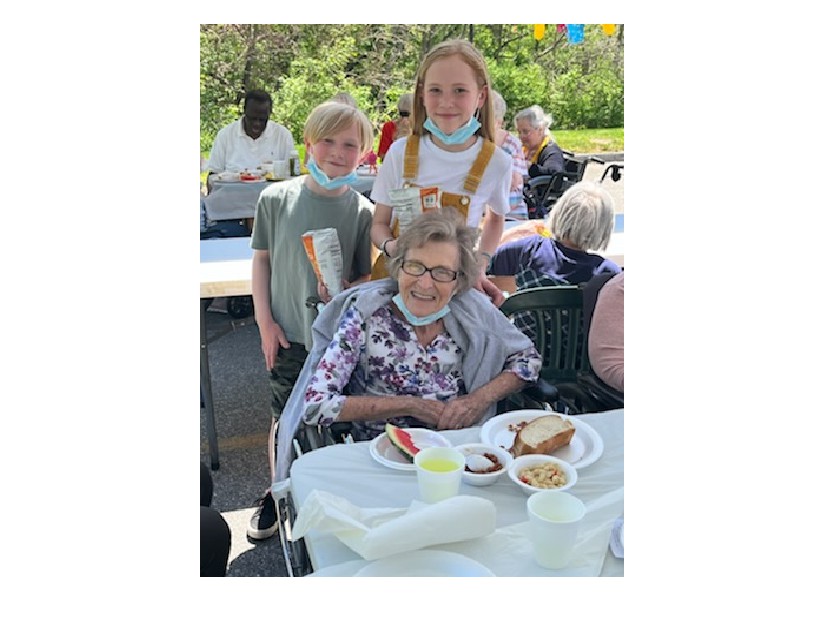
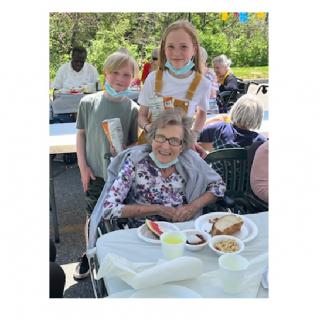
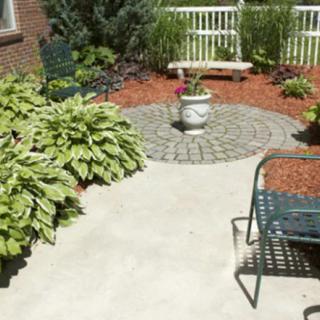
Several reviews describe residents looking forward to events and day-to-day programming, including music, bingo, art, and other scheduled activities. Tour feedback also points to an outdoor area and summer live bands as something families thought a loved one would enjoy. In addition, one review mentions volunteer visits and conversations focused on stories and reminiscing. Overall, activities and events come through as a consistent part of residents’ experiences.
common4 reviews mention this
Skilled nursing support is central
The skilled nursing and rehab setting shows up clearly in how families describe both short-term therapy and longer-term care.
Multiple reviews speak directly to rehab and nursing timelines, including short-term stays for recovery and longer-term stays for ongoing care. Positive accounts credit nursing assistants and therapy teams for helping with recovery, while at least a couple of reviews describe medication and follow-through problems that required outside intervention. The community’s focus on nursing and therapy is also reflected in the way residents and families talk about day-to-day care needs. This theme is less frequently mentioned than staff and food, but it still shapes the overall picture.
How we summarize
Counts show how many written reviews mention each theme; a review can touch several themes, and only frequently mentioned themes are displayed.
Features
Housing
113 resident community capacity
Types of Care
Skilled Nursing Facility
Amenities
Air-conditioning
Beautician on-site
Beauty salon
Cable or satellite TV
Computer center
Dining room
Fitness room
Fully furnished
Gaming room
Garden
Housekeeping services
Kitchenette
Laundry
Move-in coordination
Outdoor space
Private bathrooms
Restaurant-style dining
Small library
TV room
Telephone
Wellness center
Wi-Fi/high-speed internet available
Transportation
Worcester Regional (4 miles away)
Community operated transportation
Transportation & parking
Transportation arrangement
Transportation arrangement (non-medical)
Transportation to doctors appointments
Care Services
12-16 hour nursing
24-hour call system
24-hour supervision
Activities of daily living assistance
Assistance with bathing
Assistance with dressing
Assistance with transfers
Diabetes diet
Hospice care
Meal preparation and service
Medication management
Mental wellness program
Personal care assistants
Physical therapy
Special dietary restrictions
Dining
Diabetes diet
Room service
Special dietary restrictions
Activities
Arts and crafts
Community-sponsored activities
Concierge services
Fitness programs
Games
Gardening club
Live musical performances
Planned day trips
Religious services
Resident-run activities
Scheduled daily activities
Stories
Nearby Places of Interest
Physicians
Fallon Clinic (0.3 miles)
Dr Zinman (0.8 miles)
Eye Center At Hahnemann Hospital (0.8 miles)
Dermatology (0.8 miles)
Saint Vincent Medical Group (0.9 miles)
Lake View Court (0.9 miles)
UMASS Memorial Medical (1 miles)
Cafes
Panera Bread (0.3 miles)
Bean Counter (1 miles)
Fuel America (1.4 miles)
Starbucks (2 miles)
Redemption Rock Brewing (2.1 miles)
In House Coffee (2.2 miles)
Fuel America (2.3 miles)
Restaurants
Chick-Fil-A (0.5 miles)
Chipotle Mexican Grill (1.1 miles)
Wendy's (1.1 miles)
The Boynton (1.8 miles)
Armsby Abbey (1.9 miles)
The Pint (2.3 miles)
110 Grill (2.3 miles)
Pharmacies
CVS Pharmacy (0.9 miles)
Walgreens (1.1 miles)
CVS Pharmacy (1.1 miles)
CVS Pharmacy (1.2 miles)
Gaia Biotech (2 miles)
AbbVie Bioresearch Center (2.1 miles)
Walgreens (2.2 miles)
Places of Worship
Our Lady of The Rosary Rectory & Main Number (1.1 miles)
St Spyridon Cathedral Special Events Committee (2.2 miles)
St Andrew the Apostle Mission (3.5 miles)
Parks
Green Hill Park (1.2 miles)
Elm Park (2 miles)
Beaver Brook Park (2.8 miles)
Lake Park (3.3 miles)
Hospitals
UMass Interventional Radiology (1.6 miles)
Nahtm (1.7 miles)
Worcester Recovery Center And Hospital (1.9 miles)
At Holy Trinity Eastern Orthodox Nursing and Rehabilitation Center, the monthly costs for various room types are notably competitive when compared to the broader context of Worcester County and the state of Massachusetts. For a one-bedroom unit, residents can expect to pay $2,750, which is significantly lower than the county average of $4,661 and the state average of $5,349. Those opting for a studio will find the cost set at $4,950, slightly below both the Worcester County rate of $5,109 and the Massachusetts rate of $5,312. For private accommodations, while the price is higher at $7,170, it remains above the county's average of $5,615 and the state's average of $6,090. Overall, Holy Trinity offers attractive pricing across all room types that may appeal to potential residents seeking quality care in a supportive environment.
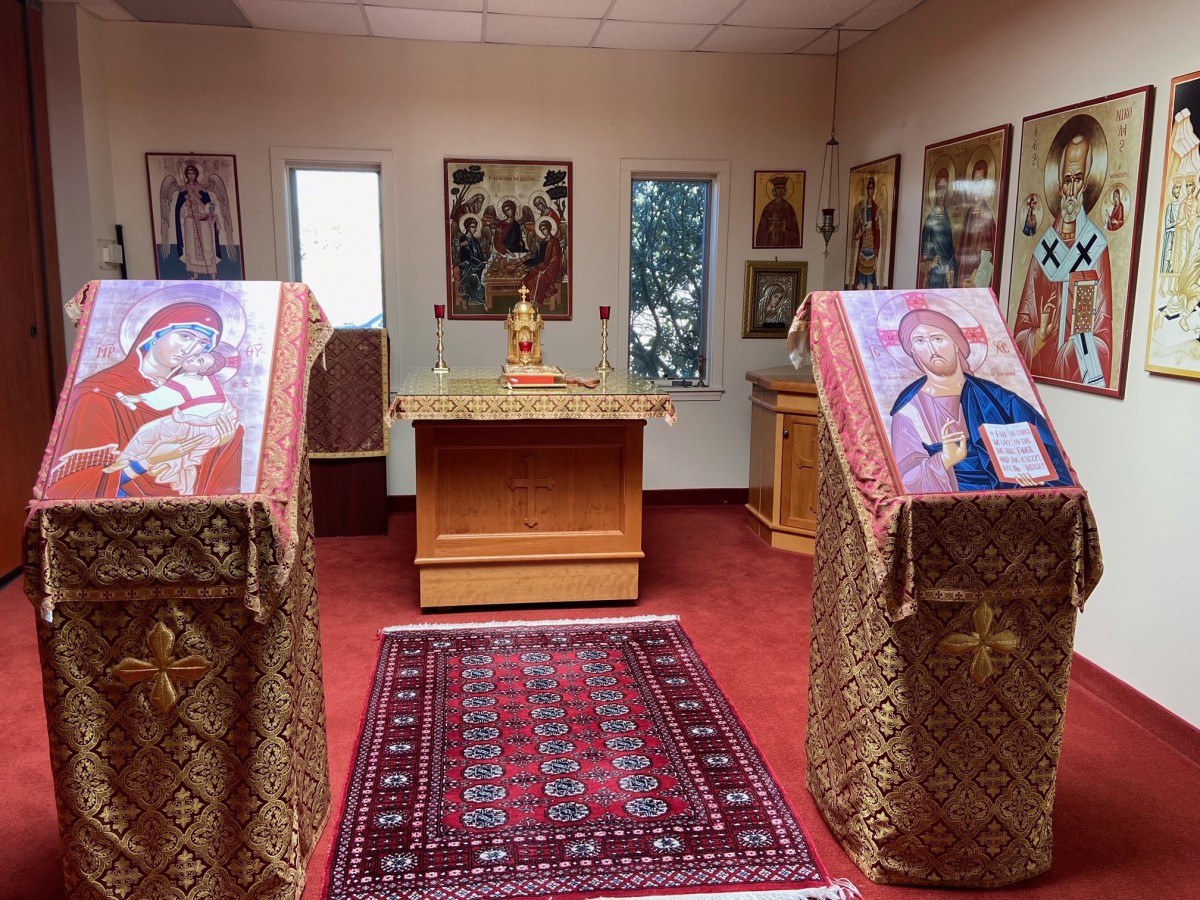
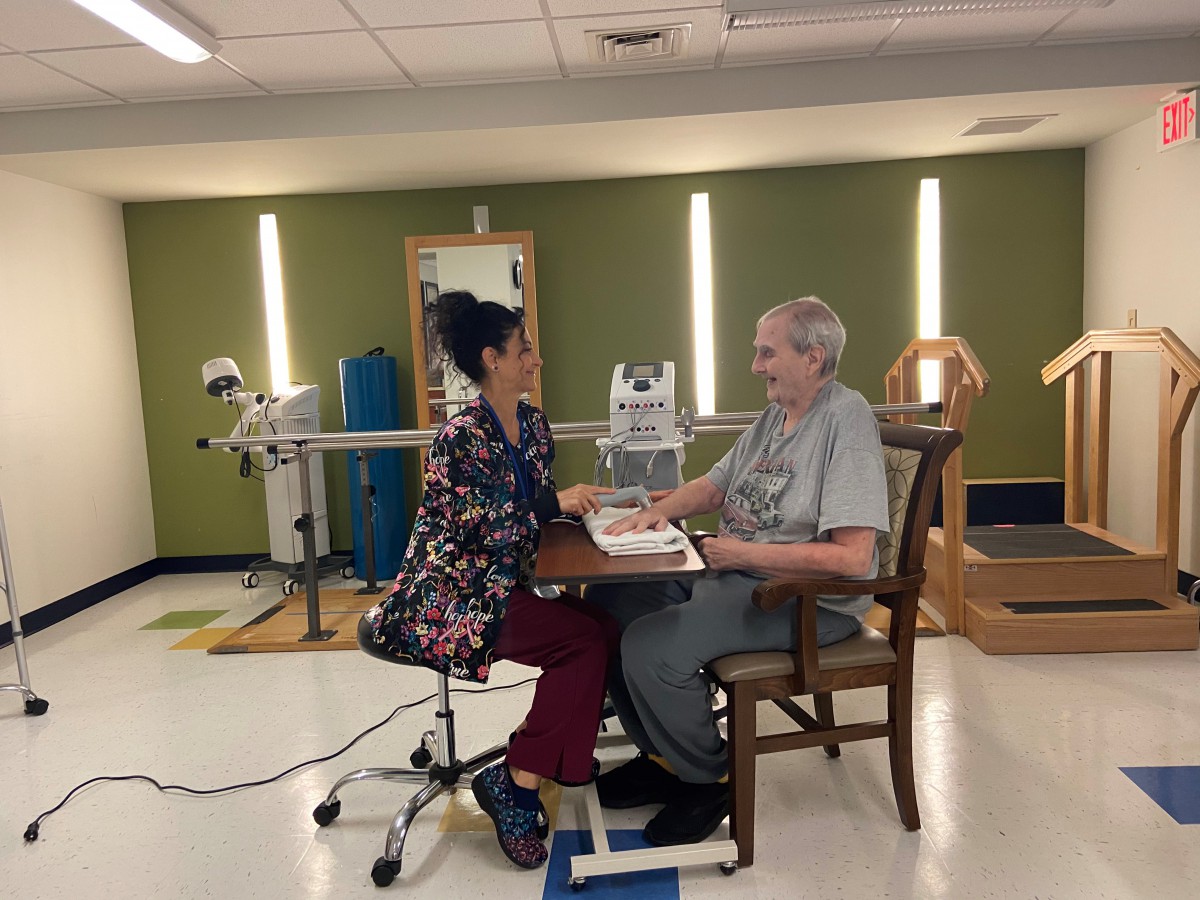
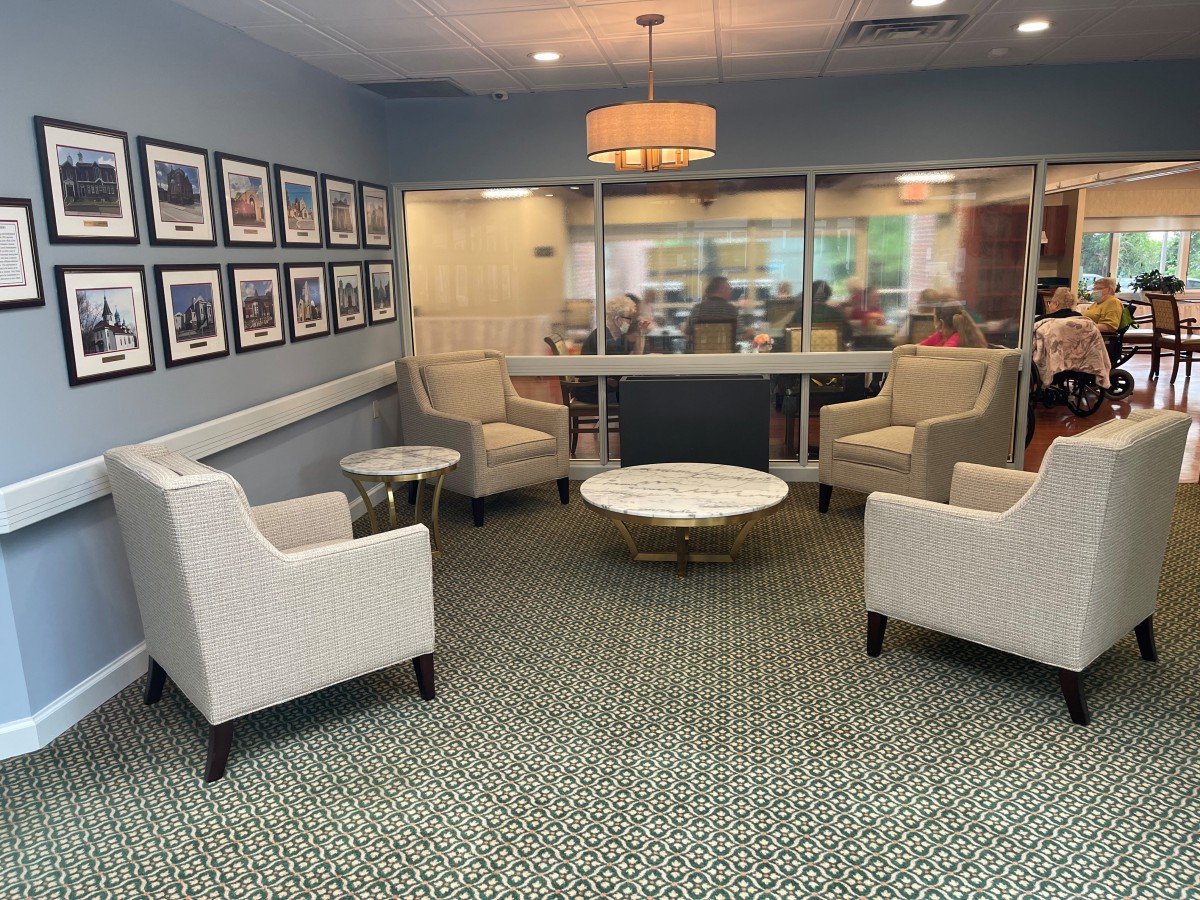
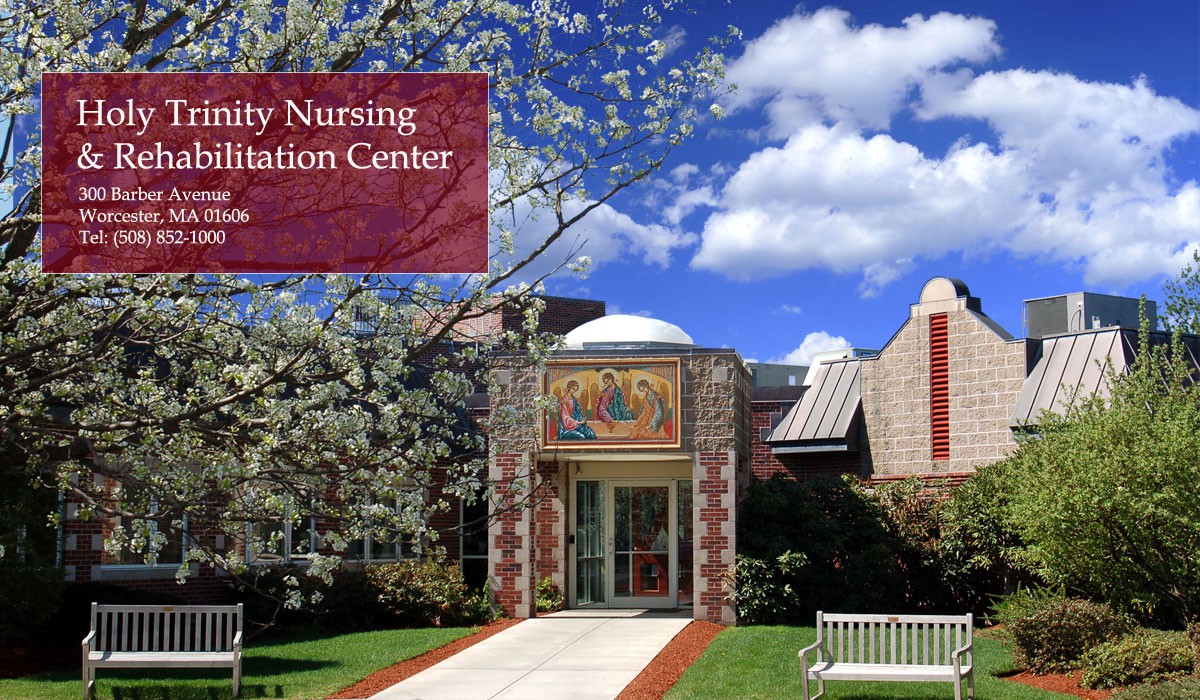
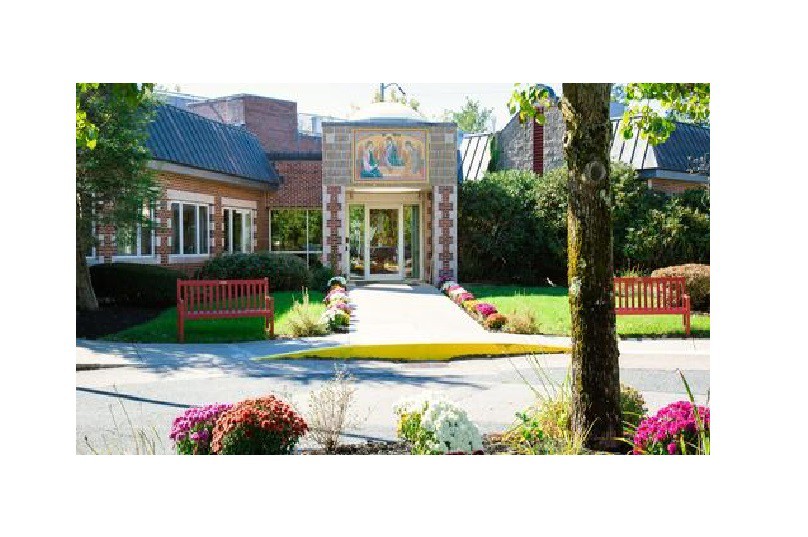
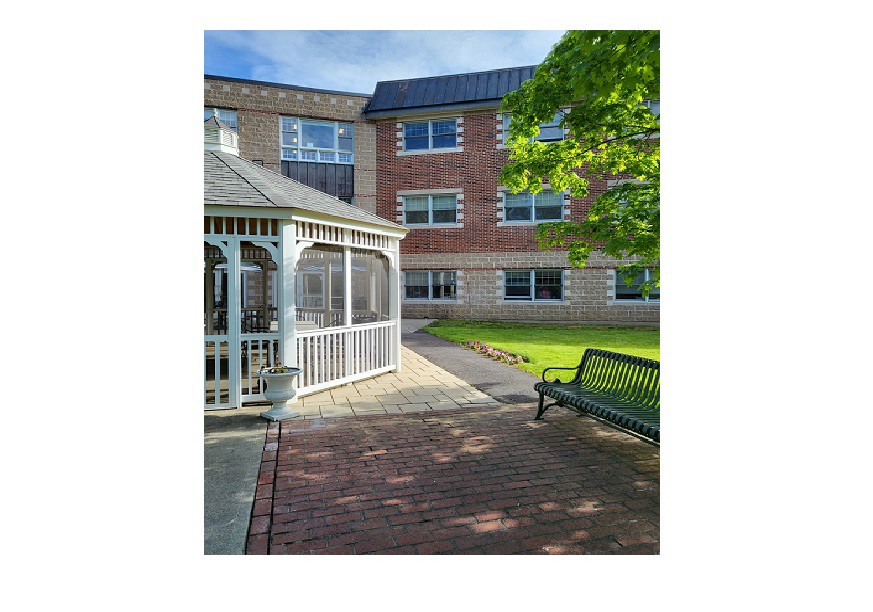
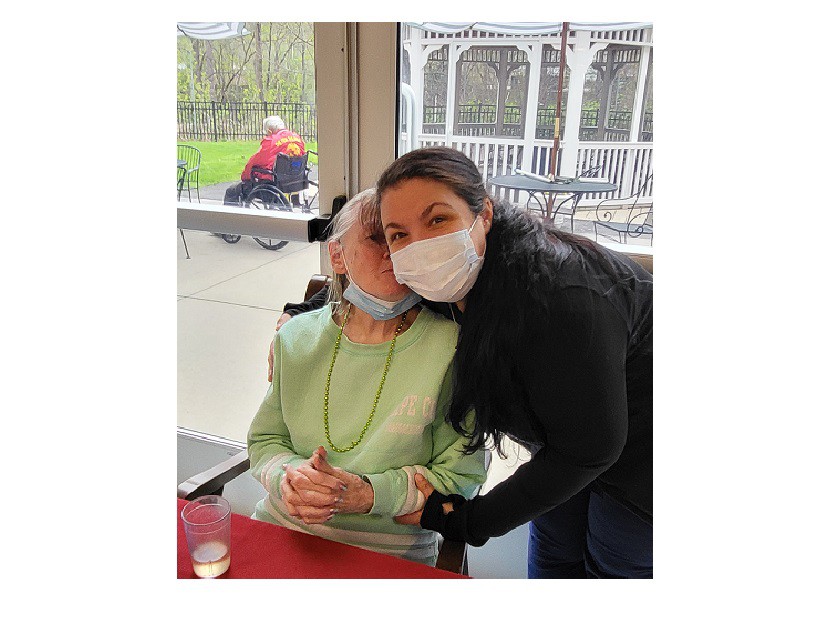
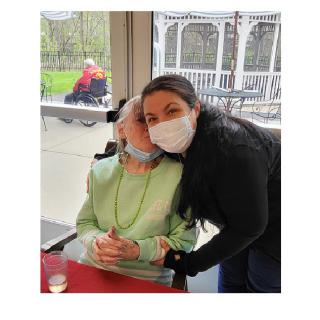
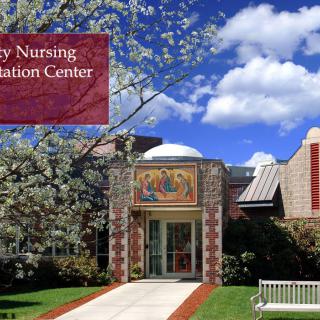
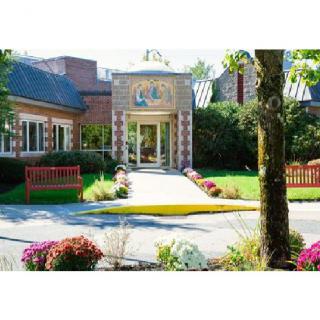
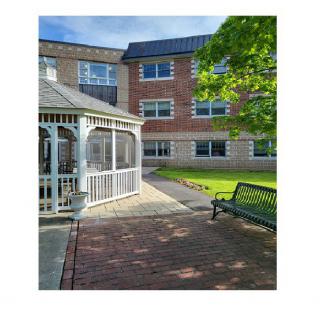
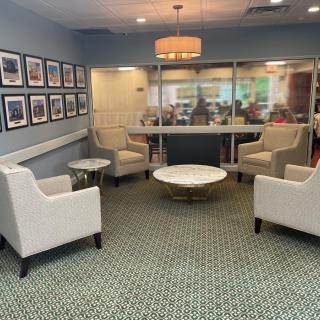
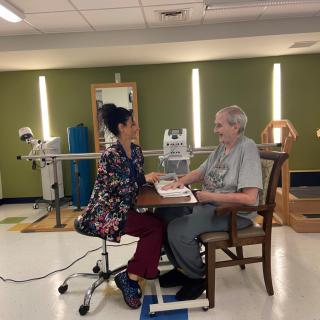
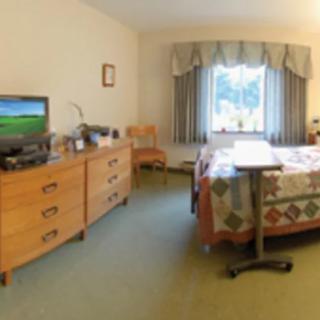
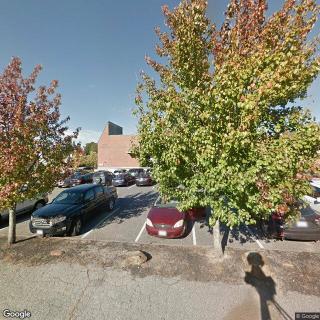
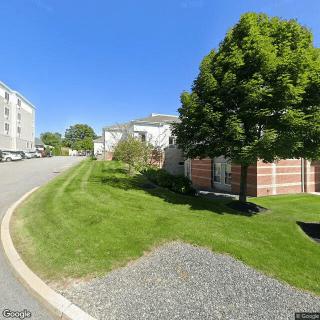
Holy Trinity Eastern Orthodox N & R Center on seniors.fyi includes 8 photos including images showing interior, building, outdoor, architecture, trees, healthcare, wheelchair, church, and more.
Nearby Communities
The Oasis at Dodge Park
Worcester, MA
5 from 167 reviews
$11,437 to $14,487 / month
Compassionate staff and a clean, home-like environment with engaging activities and high-quality dementia care.
Dodge Park Rest Home
Worcester, MA
4.9 from 143 reviews
$8,997 to $10,675 / month
Caring staff with strong safety practices.
Odd Fellows Home Of Massachusetts
Worcester, MA
3.6 from 44 reviews
Caring staff with attentive nursing and effective rehab, plus clear care-plan communication and personalized meals.
Lincoln Nursing Home
Worcester, MA
3.2 from 13 reviews
Close access to dining, parks, pharmacies, physicians, places of worship, and hospitals.
Colony Retirement Homes I & II
Worcester, MA
5 from 5 reviews
Peaceful, homey atmosphere with clean facilities and a friendly community.
Colony Retirement Homes III
Worcester, MA
4.7 from 3 reviews
Excellent access to nearby amenities and healthcare.
Christopher House Of Worcester
Worcester, MA
3.6 from 14 reviews
Warm, friendly staff in a clean, engaging environment with active rehab and social programs.
St Mary Health Care Center
Worcester, MA
3.8 from 21 reviews
Caring staff, clean, well-maintained environment with engaging activities.
Hermitage Healthcare
Worcester, MA
2.4 from 33 reviews
$7,800 / month
24/7 skilled nursing with memory care and extensive on-site amenities.
The article clarifies common misconceptions about Powers of Attorney (POA), highlighting the necessity of the principal's consent, the limitations on an agent's authority, and the importance of mental capacity when signing. It also distinguishes between various types of POAs, addresses concerns about potential abuse, and emphasizes the need for legal consultation to ensure valid and up-to-date documents.
Senior move management provides specialized support for older adults relocating by assisting with logistics, emotional challenges, and downsizing decisions to ensure a smooth transition to new living environments. These services address the unique needs of seniors and have become increasingly important as baby boomers retire and seek to downsize.
Weight training is vital for seniors to maintain muscle mass, bone density, and overall health, combating age-related declines through customized resistance exercises that enhance balance and well-being. Safe routines should start with realistic goals and proper form, while emphasizing gradual progress and consultations with healthcare providers to ensure safety and effectiveness.
Get PricingAsk A QuestionSchedule A TourContact Senior Advisor
By clicking submit, you agree to our Partner's Terms of Use. You
also consent to receive calls and texts, which may be autodialed, from our Partner. Your consent is not a condition to
using our Partner's service. Please visit our Partner's Privacy Policy for information about their privacy practices.


 113 resident community capacity
 Skilled Nursing Facility
 Air-conditioning
 Beautician on-site
 Cable or satellite TV
 Computer center
 Dining room
 Fitness room
 Fully furnished
 Gaming room
 Garden
 Housekeeping services
 Kitchenette
 Laundry
 Move-in coordination
 Outdoor space
 Private bathrooms
 Restaurant-style dining
 Small library
 Telephone
 Wellness center
 Wi-Fi/high-speed internet available
 Worcester Regional (4 miles away)
 Community operated transportation
 12-16 hour nursing
 24-hour call system
 Activities of daily living assistance
 Assistance with bathing
 Assistance with dressing
 Assistance with transfers
 Diabetes diet
 Hospice care
 Medication management
 Mental wellness program
 Personal care assistants
 Physical therapy
 Special dietary restrictions
 Arts and crafts
 Concierge services
 Games
Games Live musical performances
 Planned day trips
 Religious services
 Stories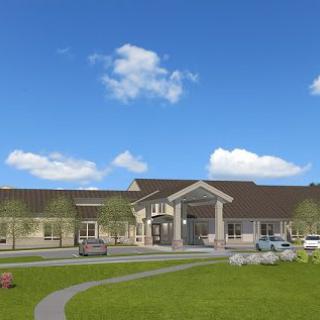
 Compassionate staff and a clean, home-like environment with engaging activities and high-quality dementia care.

 A Comprehensive Exploration of Common Misunderstandings about Powers of Attorney
 Senior Move Management: Understanding the Role, Value, and Associated Costs
 Weight Training for Seniors: Building Strength and Vitality