Overall Review of Odd Fellows Home Of Massachusetts
common
19 reviews mention this
Caring, responsive staff stands out
Residents and families repeatedly describe staff as caring, friendly, and attentive to needs.
Many reviews emphasize compassionate, supportive caregiving, including nurses, aides, and administrators. Families also describe staff being responsive during stressful situations, with attention to comfort, safety, and communication. A few reviewers specifically mention care plan conversations and rehab staff helping residents regain mobility.
common
5 reviews mention this
Activities and rehab support
Residents mention therapy, physical rehab, and a steady schedule of activities.
Reviews highlight understanding physical therapy and an activities team that residents and families can rely on. Several comments also connect the rehab department’s work to practical progress, like getting residents up and walking. Beyond therapy, residents/families also describe meals paired with a variety of activities.
common
2 reviews mention this
Dining quality gets specific praise
Some residents and families praise the meals and dining room cleanliness.
A couple of reviews call out excellent food, including praise for a newer chef. Others mention the kitchen doing well with meals for residents who are picky eaters, alongside attention to dining room cleanliness.
caveat
3 reviews mention this
Slow help with toileting worries families
Several reviewers report delayed help when residents need assistance right away.
Some reviews describe situations where residents had to wait for care, including toileting help and response to call buttons. In those accounts, families say requests were not addressed promptly and that staff responses felt unsupportive or dismissive. These concerns appear alongside broader complaints about inconsistent attention to basic needs.
caveat
3 reviews mention this
Cleanliness concerns come up repeatedly
Multiple reviewers describe cleanliness problems, including dirty spaces and unpleasant odors.
Some negative reviews describe a dirty facility or dirty dining areas, including reports of staff appearing inattentive. Others specifically mention unpleasant smells and describe residents ending up “dirty” without cleaning unless family complained. While other reviews say rooms and hallways are cleaned daily, cleanliness is still a recurring concern in several accounts.
How we summarize
Counts show how many written reviews mention each theme; a review can touch several themes, and only frequently mentioned themes are displayed.



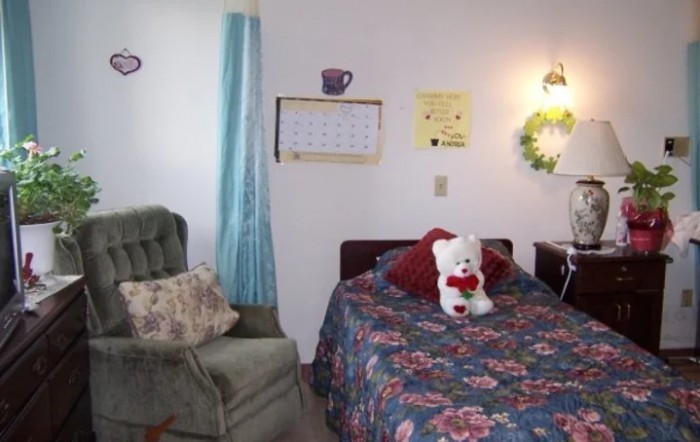
 100 resident community capacity
 Skilled Nursing Facility
 Air-conditioning
 Beauty salon
 Cable or satellite TV
 Computer center
 Dining room
 Fitness room
 Fully furnished
 Gaming room
 Garden
 Housekeeping services
 Kitchenette
 Move-in coordination
 Outdoor space
 Private bathrooms
 Restaurant-style dining
 Small library
 Telephone
 Wellness center
 Wi-Fi/high-speed internet available
 Worcester Regional (5 miles away)
 Community operated transportation
 12-16 hour nursing
 24-hour call system
 Activities of daily living assistance
 Assistance with bathing
 Assistance with dressing
 Assistance with transfers
 Diabetes diet
 Medication management
 Mental wellness program
 Special dietary restrictions
 Concierge services
 Planned day trips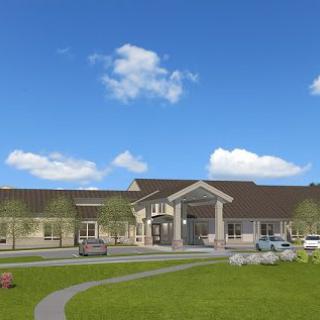
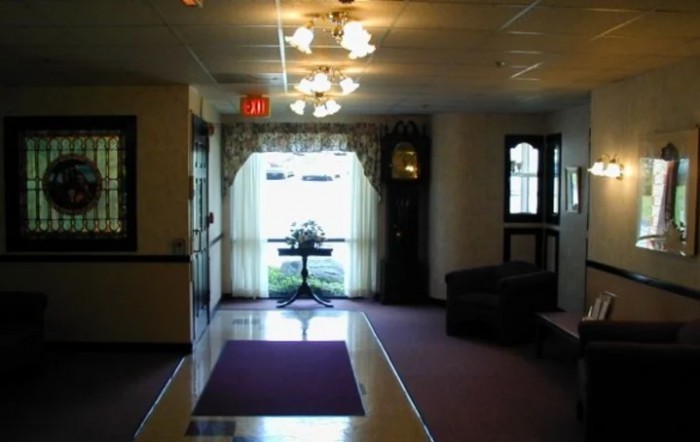
 Compassionate staff and a clean, home-like environment with engaging activities and high-quality dementia care.
 Understanding the Nuances of Palliative Care and Hospice: A Comprehensive Exploration
 Fecal Incontinence in Older Adults: A Comprehensive Guide
 Nurturing Well-Being Through Gardening: A Detailed Guide for Senior Enthusiasts