

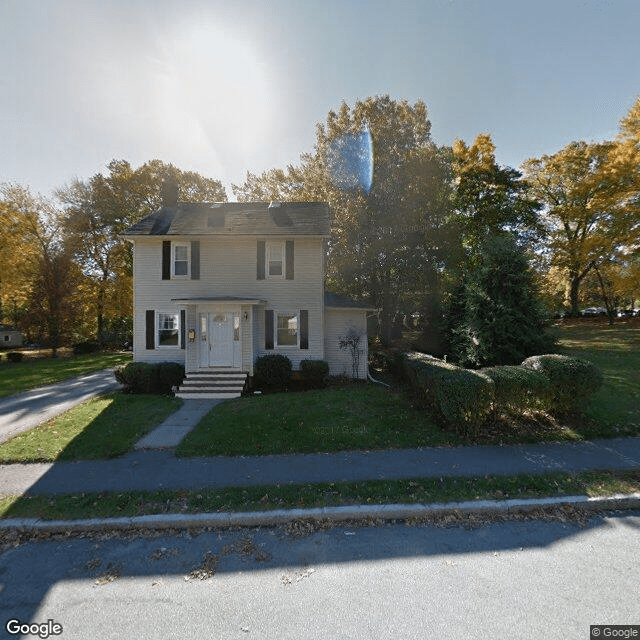
101 Chadwick St, Worcester, MA 01605
To contact a resident: (508) 755-0444
For more information about senior living options: (866) 208-4318
Overall Review of Colony Retirement Homes III
Pros
 She loves living at Colony III.
- The staff are helpful.
- She loves the meals and the company at mealtime.
- The location is convenient, making it easy to get to appointments.
- The move was worth it.
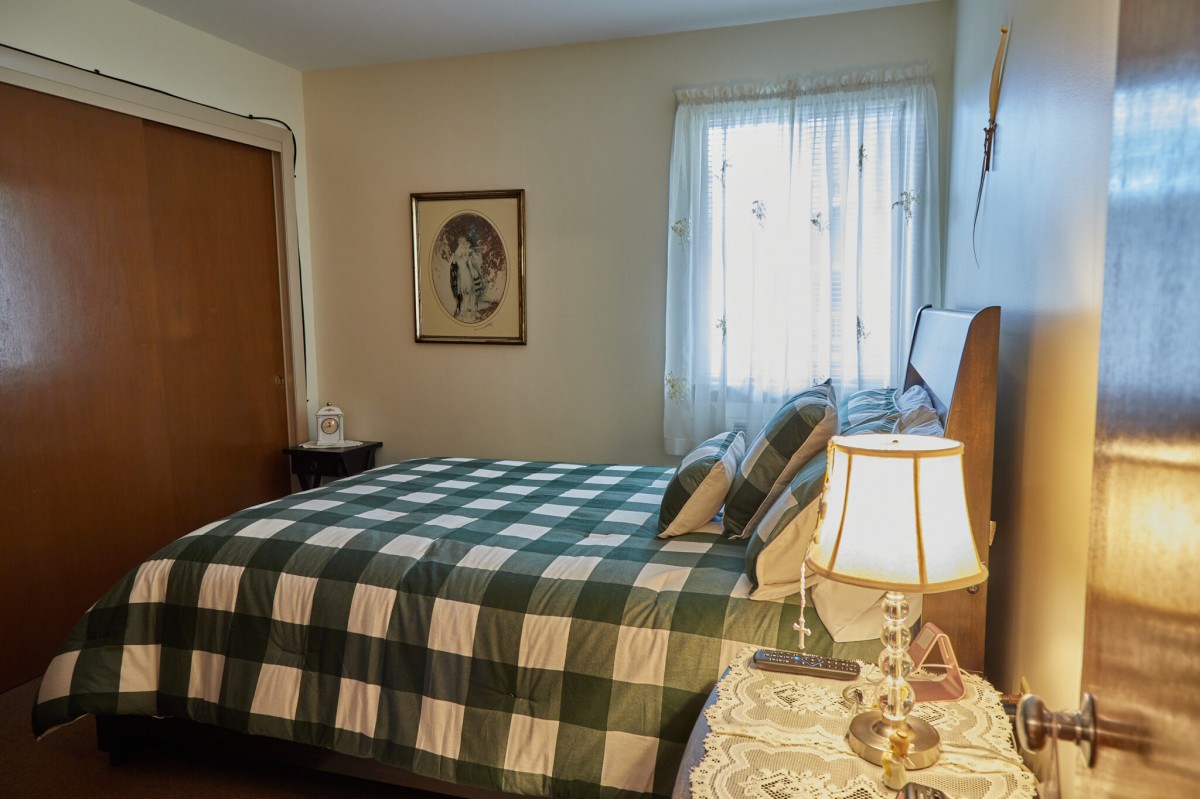
- The facility is very clean and well maintained.
- It is close to the bus line and grocery store.
- It is a good fit for older independent residents who do not need assisted living.
- It offers a meal plan and activities and is a step above just an apartment.
- A staff member was super friendly and helpful.
Cons
 The wait list is unfortunately quite long.
Review
Colony Retirement Homes III is best suited for older adults who want a true independent-living setting with built-in social structure, a predictable meal plan, and ready access to transportation and medical appointments. The community shines for residents who value daily interaction at mealtime and a staff that consistently lends a helping hand. For families, it offers reassurance that a move means less cooking, less isolation, and a path to social engagement in a setting that feels like a step above a plain apartment. The key appeal is autonomy paired with a well-maintained, activity-rich environment that keeps essential services within easy reach.
This is not the place for someone requiring ongoing assisted-living services, medical supervision, or a rapid transition. The housing appears designed for independent residents, and the wait list for a unit can be lengthy, making it a poor fit for anyone facing a time-sensitive move. Families seeking comprehensive care coordination, memory support, or a higher level of hands-on caregiving should consider alternatives that provide immediate occupancy or multi-level care under one roof. Colony III is a bridge to independence, not a substitute for continuous caregiving.
Pros in practice center on human factors and daily rhythms. Reviews consistently highlight staff helpfulness, meals that are well-liked, and sociable company during mealtime, which helps curb isolation and makes daily routines more engaging. The location’s proximity to bus lines and grocery stores is a practical edge, simplifying transportation for appointments and errands without forcing improvisation. The property reads as well cared-for and modern enough to feel more like a community than a generic rental, with a meal plan and structured activities that elevate it above “just an apartment.” These positives create meaningful value, especially for residents who welcome predictable routines.
The strongest constraints remain operational realities rather than cosmetic flaws. The long wait to secure a unit is repeatedly cited as the dominant drawback, testing planning and resilience for families and potential residents alike. A protracted horizon for occupancy can delay social integration, appointment access, and the peace of mind that comes with securing a stable home. Another practical limitation is the absence of on-site assisted living; residents who eventually require caregiving or medical oversight will still need outside arrangements, which can complicate logistics and financing. For households needing immediate care continuity, this gap weighs heavily against Colony III.
For decision-making, the calculus is clear: if independence paired with social engagement, meals, and a solid, convenient location are the top priorities, and a long wait is acceptable, Colony III delivers substantial value. Prospects should plan well in advance, get on the waitlist early, and maintain flexible timelines while exploring backup housing that can bridge the gap. Those who prioritize swift move-in or on-site care oversight should map out alternatives with shorter occupancy timelines or integrated care services, ensuring options align with current needs rather than anticipated future independence.
Overall, Colony Retirement Homes III earns its strong rating by delivering a practical, community-driven environment that makes independence feel supported. The staff, meal-centric culture, and accessible location collectively offset the most meaningful drawbacks for the right resident: someone who values social structure, predictable meals, and nearby services enough to endure a lengthy wait for housing. It is a disciplined match for independent seniors who can tolerate the timing and understand the care limitations, while families seeking seamless care integration or quick placement will want to keep alternates in clear focus. This is not a universal solution, but a focused, reliable option for a defined segment of the senior-living market.
 Active Adult Communities (55+)
 Worcester Regional (4 miles away)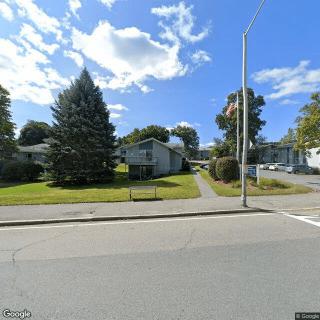




 Comprehensive Guide to Medicare Coverage for Hospice Care
 Caring for Those Who Care: Recognizing, Understanding, and Overcoming Caregiver Burnout
 Caregiver Exhaustion: Recognizing the Signs and Restoring Your Well-Being