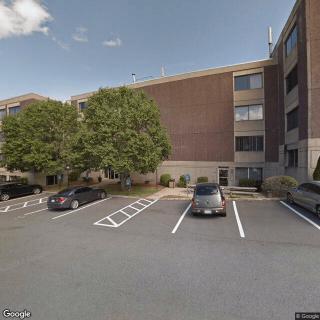
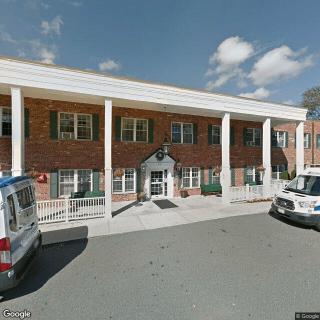
125 Oakland Street, Wellesley, MA 02481
For more information about senior living options: (866) 208-4318
Overall Review of Elizabeth Seton
Pros
 Elizabeth Seton Residence is a wonderful place.
- The staff are caring and professional and take the time to get to know each resident as a person.
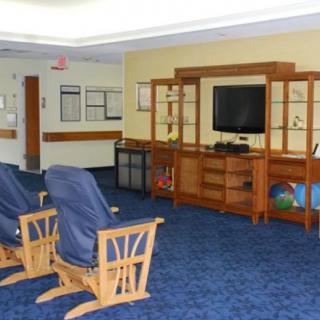
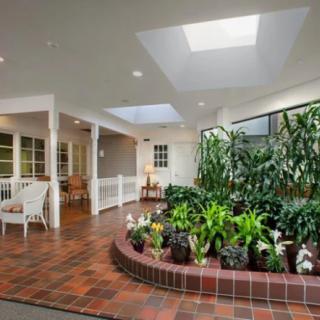
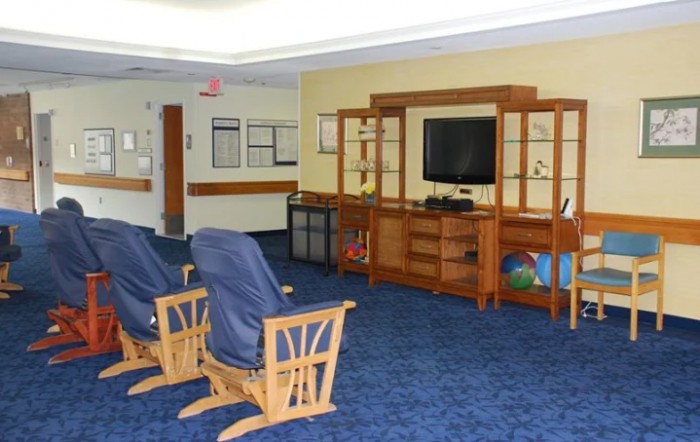
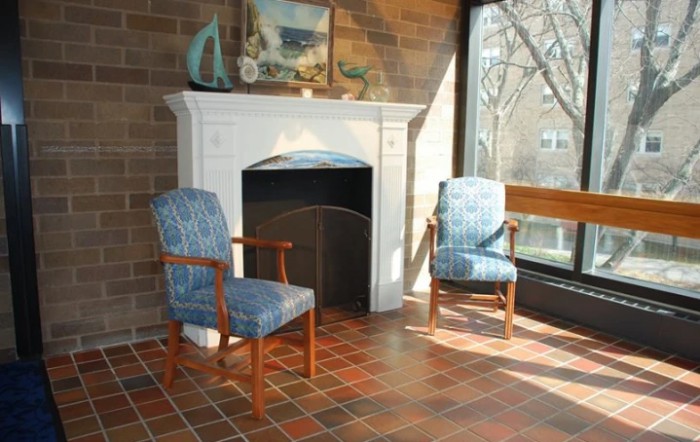
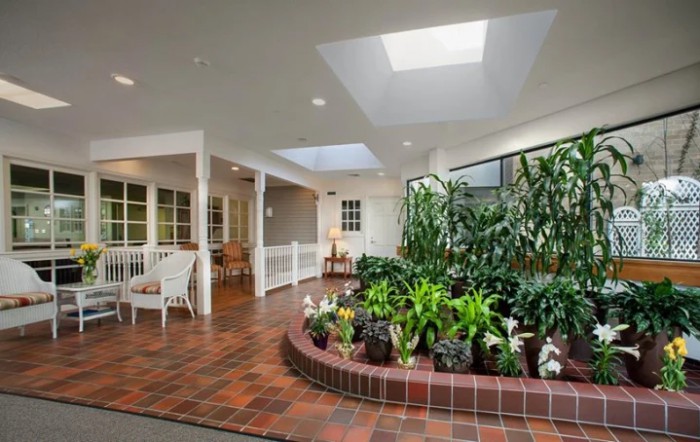
- The building is clean, welcoming, bright with lots of windows, and free of bad smells with everyone smiling.
- The rehab team is excellent and focused on helping people reach their goals.
- Everyone there takes pride in their work.
- The facility is highly recommended for quality short-term rehab or long-term care.
- The community remains constant, ethical, respectful, and incredibly supportive with a positive mental attitude.
- The care is superb and the staff are very caring.
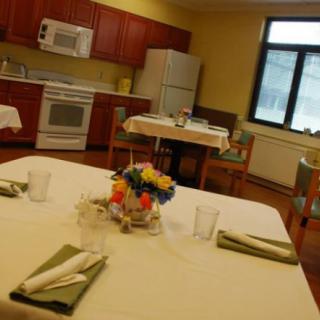
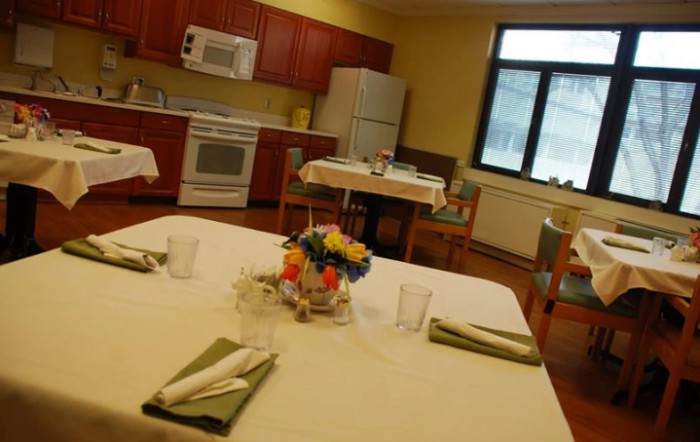
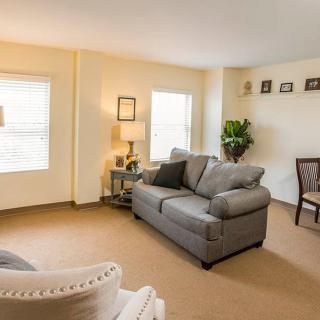
- The rooms are nice with private bathrooms, and the food is tasty.
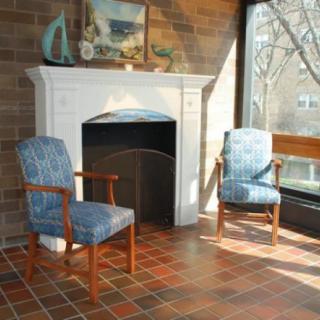
- The outside areas are wonderful for walking and watching sunsets; the chapel is calming.
Cons
 The facility was described as understaffed and neglectful of patients.
- A resident fell when staff let go while moving items on top of the toilet, leading to readmission to the hospital.
- The reviewer claimed a resident became severely dehydrated under their care.
- The reviewer warned others not to use this rehab if someone is medically complex.
- A loved one reportedly died as a result of a fall at the facility.
- Attendants do not speak English, hindering communication.
- Painkiller orders were mishandled and essential medications were not provided in a timely manner.
- The food service was abysmal and staff were nonresponsive.
Review
Elizabeth Seton Residence in Wellesley is best suited for families seeking a medically oriented elder-care setting that blends strong rehabilitation services with a warm, faith-infused, home-like atmosphere. It works well for seniors who value private rooms, attentive nursing, bright common areas, and on-site spiritual life, with an emphasis on hands-on rehab goals and engaging activities. The community tends to attract those who want a facility that feels personal and dignified, where staff members know residents by name and where a chapel and outdoor spaces reinforce a calm, reassuring environment. Those prioritizing highly consistent staffing, tight operational discipline, and explicit, transparent family communication should scrutinize current practices before committing.
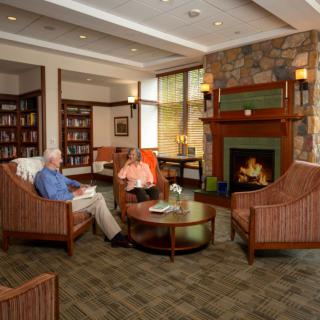
On the plus side, the most compelling advantages fall into three main pillars: genuine, personable caregiving; a rehab operation that many residents and families praise for progress and professionalism; and a clean, welcoming physical setting. Staff are described as caring and professional who invest time in understanding residents as people, not just пациенты. The rehab team earns repeated kudos for helping residents reach goals, with therapists and nurses who appear dedicated and skilled. The building earns admiration for cleanliness, bright windows, and a design that minimizes long corridors, complemented by private rooms with private half-bath facilities, a chapel for regular services, and well-maintained grounds that invite walking and reflection. For long-term care or short-term rehab, these elements create a solid, dependable core when the operation remains steady.
Yet, the most volatile thread running through the feedback is concern about staffing consistency and the real-world risk management that accompanies it. Multiple accounts describe understaffing and pockets of neglect, with alarming anecdotes of falls, dehydration, and delayed responses that ended badly. Family members report difficulty obtaining timely updates or clear communication about care plans, sometimes discovering that information was shared with the resident rather than relayed to families. There are mentions of mismatched medical oversight, dietary service lapses, and administrative friction that undermines trust in the day-to-day experience. While some residents thrive under excellent nursing and therapy, these negative episodes highlight a fragility in operations when staffing or supervision falters.
These opposing realities do not cancel each other out; rather, they define a practical calculus for decision makers. When the rehab and nursing teams are functioning at their best, Elizabeth Seton Residence delivers meaningful gains in mobility, daily function, and overall well-being, set against a serene, familiar setting. The private rooms and quiet environment reduce stress, while the attached chapel and social programs contribute to continuity of meaning and engagement for many residents. In this light, the strongest value proposition is for families prioritizing rehabilitative outcomes and a caring, respectful atmosphere who are prepared to actively verify staffing levels, insist on proactive family communication, and monitor care plans closely.
Alternatives should be considered for those with higher medical complexity or where consistent staffing and rapid, transparent communication are non-negotiables. Facilities with a more uniform staffing model, proven low-variance safety records, or specialized memory-care units may be preferable for families wary of fluctuating attention or past lapses in care. For residents whose needs extend beyond standard post-acute rehab or who require unwavering, 24/7 oversight with highly predictable communications, exploring other options could reduce risk. Prospective families should not rely on surface-level impressions; instead, demand concrete measures, staff-to-resident ratios, shift coverage, care-plan update protocols, and direct contact points for family inquiries.
In the end, Elizabeth Seton Residence represents a strong fit for those who prize a warm, resident-centered culture combined with robust rehab capability and a faith-forward ambiance, provided confidence in staffing reliability is established upfront. The decision should hinge on a candid assessment of whether current or anticipated staffing stability supports the loved one’s medical needs, the family’s information-flow expectations, and the level of daily supervision desired. Tour with a critical eye, request real-time staffing data, and probe care-planning transparency. When these elements align, the community can offer substantive, lasting value; when they do not, alternatives with steadier operations and firmer communication protocols will likely serve better.
 84 resident community capacity
 Skilled Nursing Facility
 Air-conditioning
 Beauty salon
 Cable or satellite TV
 Computer center
 Dining room
 Fitness room
 Fully furnished
 Gaming room
 Garden
 Housekeeping services
 Kitchenette
 Move-in coordination
 Outdoor space
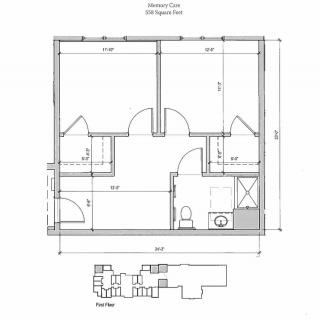
 Private bathrooms
 Restaurant-style dining
 Small library
 Telephone
 Wellness center
 Wi-Fi/high-speed internet available
 Gen Edw L Logan International (14 miles away)
 Community operated transportation
 12-16 hour nursing
 24-hour call system
 Activities of daily living assistance
 Assistance with bathing
 Assistance with dressing
 Assistance with transfers
 Diabetes diet
 Medication management
 Mental wellness program
 Special dietary restrictions
 Concierge services
 Planned day trips



 Essential Knowledge on Pneumonia in Older Adults
 Exploring Palliative Care in the Home: A Comprehensive Overview
 Comprehensive Insights into Palliative Home Care: What It Is and What to Expect