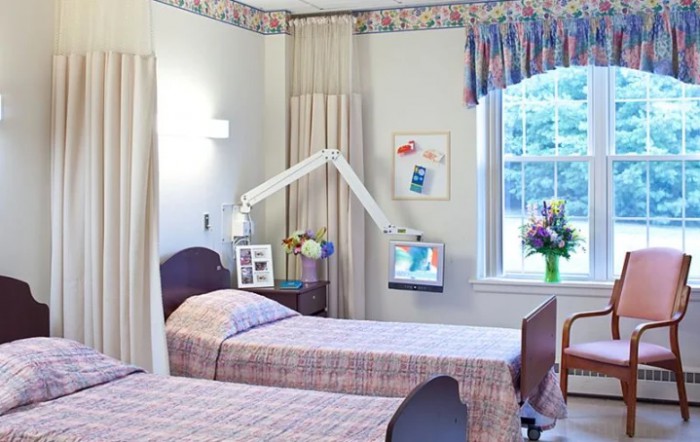
Somerset Ridge Center offers private room accommodations at a monthly cost of $6,600. This rate is slightly higher than the average costs in Bristol County, which stands at $6,165, and the overall state average in Massachusetts at $6,090. While Somerset Ridge Center's pricing reflects its unique offerings and amenities tailored to residents' needs, it does position itself at a premium compared to local and state benchmarks. This difference may be indicative of superior services or facilities available at the center, making it an essential consideration for families exploring options in assisted living.
Floor plans
Somerset Ridge Center
Bristol County
Massachusetts
Private
$6,600
$6,165
$6,090
Overall Review of Somerset Ridge Center
caveat6 reviews mention this
Call button response is criticized
Residents and families describe long waits and missed calls after using the call button.
Several reviews say staff took a long time to respond after residents pushed the call button, including reports of delays that lasted close to an hour or more. Other reviewers describe situations where calls for updates were not answered, or where alarms and needs went unaddressed until someone pointed it out. A few accounts also connect these delays to missed bathroom assistance when residents needed help getting there.
caveat4 reviews mention this
Medication timing and delivery concerns
Reviews raise serious concerns about medication being late or not provided as scheduled.
Some reviews describe medication issues that go beyond general inconvenience, including reports of multiple shifts without medications and long gaps for pain medicine. Others mention waiting repeatedly for pills and timing being well past what was promised. A few accounts also tie medication or hydration delays to worsening health outcomes and subsequent hospital visits.
caveat5 reviews mention this
Food quality is mixed
Reviews describe dining experiences ranging from acceptable to notably unpleasant.
Some residents or families say the food was good, while others describe it as not the best or more routine than they expected. Several reviews are more negative, calling the food horrible or describing the need to bring food from outside because of the quality. Even within the mixed accounts, dining shows up as a repeated factor in day-to-day satisfaction and comfort.
common4 reviews mention this
Activities and therapy stand out
Many reviewers mention therapy and activities as highlights of the stay.
A number of reviews praise therapy support, including accounts that describe working hard with rehabilitation and progress during short-term rehab. Several also mention scheduled activities and the activities team, describing a positive program even when other parts of care were criticized. Taken together, families and residents often point to therapy and activity programming as the best parts of the experience.
How we summarize
Counts show how many written reviews mention each theme; a review can touch several themes, and only frequently mentioned themes are displayed.
Features
Housing
21 resident community capacity
Types of Care
Skilled Nursing Facility
Amenities
Beauty salon
Cable or satellite TV
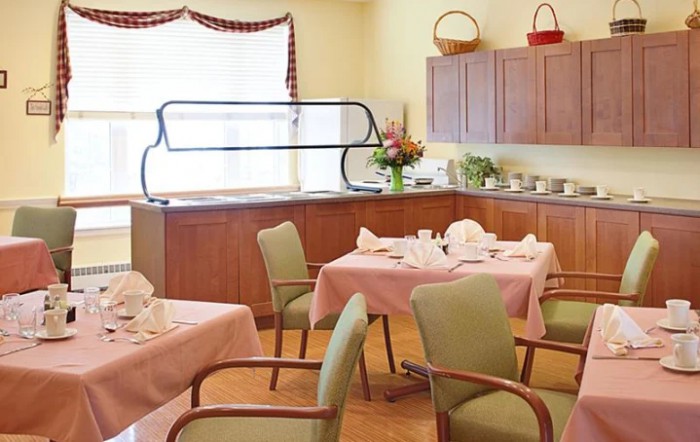
Dining room
Fully furnished
Garden
Housekeeping services
Kitchenette
Move-in coordination
Outdoor space
Private
Telephone
Wi-Fi/high-speed internet available
Transportation
Theodore F Green State (14 miles away)
Care Services
24-hour call system
24-hour supervision
Activities of daily living assistance
Assistance with bathing
Assistance with dressing
Assistance with transfers
Coordination with health care providers
Diabetes diet
Meal preparation and service
Medication management
Mental wellness program
Special dietary restrictions
Transportation arrangement (medical)
Transportation to doctors appointments
Dining
Diabetes diet
Special dietary restrictions
Activities
Community-sponsored activities
Scheduled daily activities
Nearby Places of Interest
Physicians
Somerset-Swansea Medical Center (0.3 miles)
Highland Obstetrics & Gynecology (1.5 miles)
Center For Eye Health (1.6 miles)
Plastic Surgery of Southern New England (1.7 miles)
Somerset Ridge Center offers private room accommodations at a monthly cost of $6,600. This rate is slightly higher than the average costs in Bristol County, which stands at $6,165, and the overall state average in Massachusetts at $6,090. While Somerset Ridge Center's pricing reflects its unique offerings and amenities tailored to residents' needs, it does position itself at a premium compared to local and state benchmarks. This difference may be indicative of superior services or facilities available at the center, making it an essential consideration for families exploring options in assisted living.
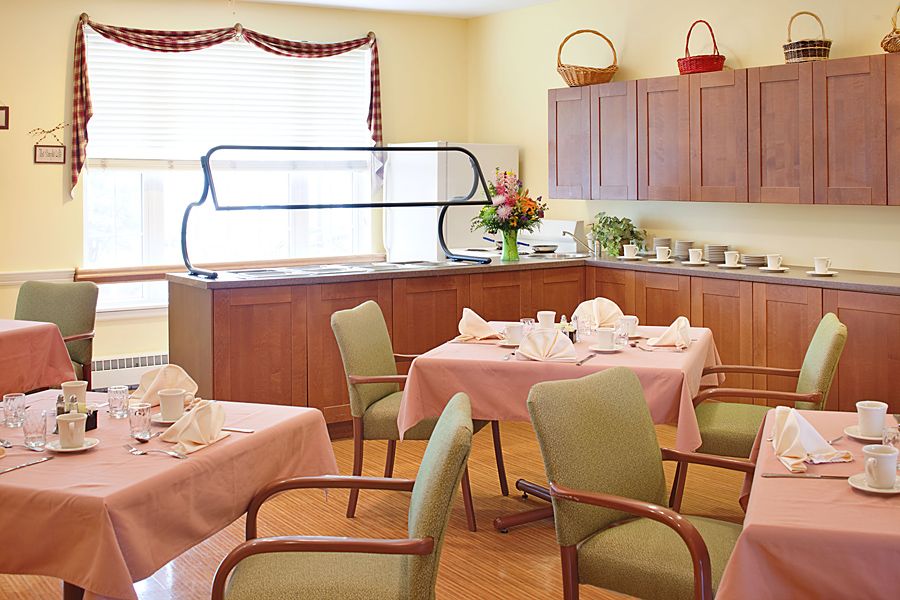
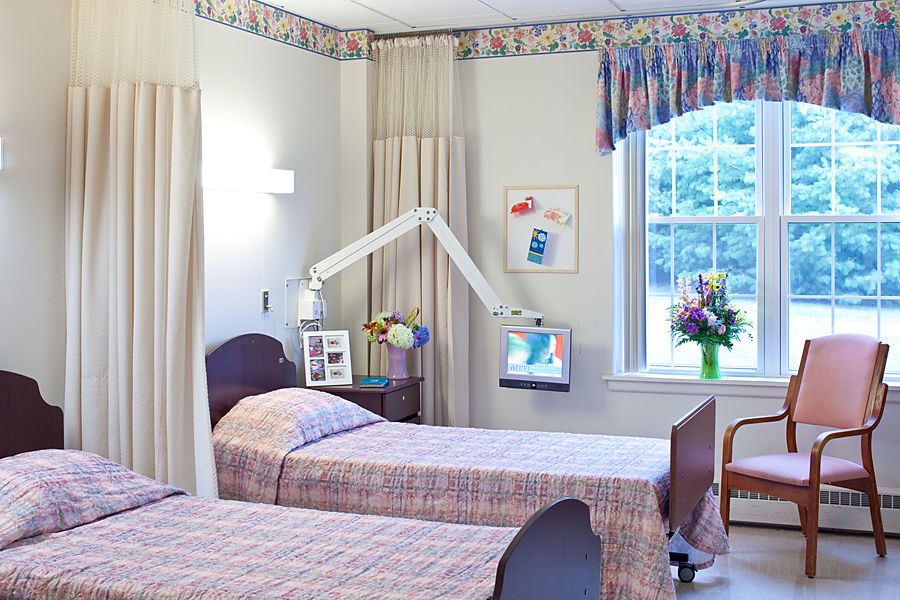
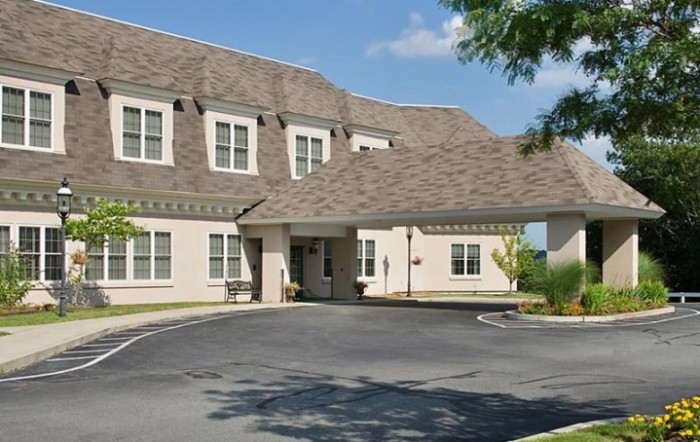
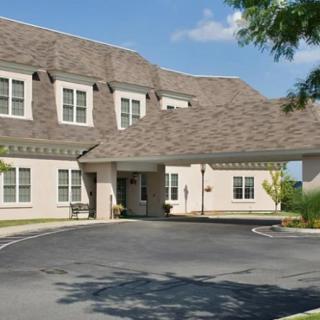
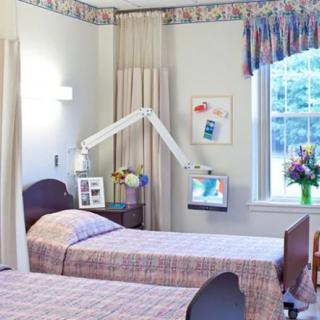
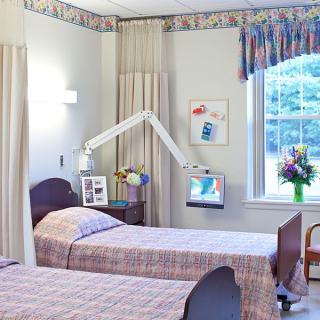
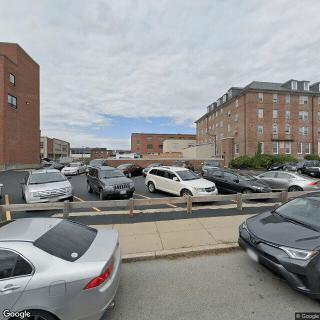
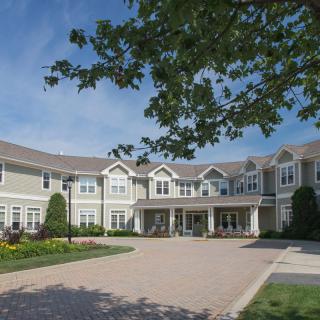
Somerset Ridge Center on seniors.fyi includes 6 photos including images showing dining, interior, windows, exercise equipment, building, entrance, architecture, landscaping, and more.
Nearby Communities
Clifton Assisted Living Community
Somerset, MA
4.8 from 75 reviews
$3,644 to $6,911 / month
Well-maintained, clean facility with a warm, welcoming atmosphere, friendly staff, and an active social calendar.
Clifton Rehabilitation Nursing Center
Somerset, MA
4.9 from 126 reviews
Clean, pleasant setting with friendly staff and engaging activities.
Fall River Healthcare
Fall River, MA
2.2 from 56 reviews
Some staff provided compassionate, quality care (notably in pulmonary rehab and hospice units).
Rosewood Rest Home
Fall River, MA
4 from 1 review
Compassionate staff and a clean, welcoming environment.
Transitional Care Unit
Fall River, MA
2.7 from 120 reviews
24/7 caregiving with easy access to nearby pharmacies, doctors, restaurants, and hospitals.
Fall River Jewish Home
Fall River, MA
4 from 55 reviews
24/7 nursing with comprehensive on-site care and amenities (transport, wellness center, dining, activities).
Kimwell Nursing And Rehabilitation
Fall River, MA
4 from 100 reviews
$4,195 / month
Compassionate, dedicated nurses and caregivers.
Anchor Bay At East Providence
East Providence, RI
4.7 from 154 reviews
$4,550 to $5,800 / month
Warm, welcoming atmosphere with friendly, attentive staff, spacious rooms, and engaging activities.
The Residence at Cedar Dell
Dartmouth, MA
4.8 from 155 reviews
Beautiful grounds, friendly staff, and a robust calendar of activities with on-site dining and amenities.
Elder law attorneys assist older adults and their families with legal matters such as estate planning, Medicaid eligibility, and guardianships, while also providing protection against elder abuse. They help navigate complex regulations to safeguard financial resources, ensure well-being, and maintain autonomy for seniors.
Caregiving for an aging parent entails emotional and financial responsibilities accompanied by significant tax implications, including potential benefits from claiming them as dependents and deductions for medical expenses and caregiving costs. Caregivers must understand eligibility requirements, maintain thorough documentation, and consider consulting a tax professional to navigate these complexities effectively.
Low-impact exercises are vital for seniors as they promote health, independence, and social interaction while reducing joint strain. These adaptable activities, guided by healthcare professionals, enhance strength, flexibility, and emotional well-being.
Exercise Equipment, Gym, Rehabilitation, Fitness, and Treadmill
Get PricingAsk A QuestionSchedule A TourContact Senior Advisor
By clicking submit, you agree to our Partner's Terms of Use. You
also consent to receive calls and texts, which may be autodialed, from our Partner. Your consent is not a condition to
using our Partner's service. Please visit our Partner's Privacy Policy for information about their privacy practices.




 21 resident community capacity
 Skilled Nursing Facility
 Beauty salon
 Cable or satellite TV
 Dining room
 Fully furnished
 Garden
 Housekeeping services
 Kitchenette
 Move-in coordination
 Outdoor space
 Private
 Telephone
 Wi-Fi/high-speed internet available
 Theodore F Green State (14 miles away)
 24-hour call system
 Activities of daily living assistance
 Assistance with bathing
 Assistance with dressing
 Assistance with transfers
 Diabetes diet
 Meal preparation and service
 Medication management
 Mental wellness program
 Special dietary restrictions
 Transportation arrangement (medical)
 Transportation to doctors appointments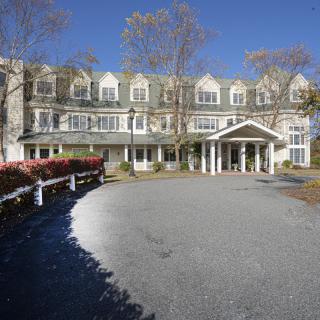
 Well-maintained, clean facility with a warm, welcoming atmosphere, friendly staff, and an active social calendar.



 6 Crucial Ways an Elder Law Attorney Assists Families
 Navigating the Tax Landscape of Caregiving: Credits, Deductions, and Beyond
 Highly Beneficial Low-Impact Exercises for Senior Living Residents