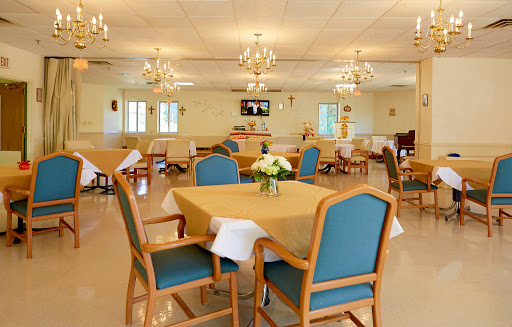
Overall Review of Medford Rehabilitation And Nursing Center
differentiator5 reviews mention this
Rehab team drives real progress
Residents and families describe meaningful gains from the rehab team.
Several reviews connect improvement to the rehab team’s work, including regaining physical strength and making progress through therapy sessions. Families also mention coordinated support across PT, OT, and speech therapy, and describe outcomes like being able to move better after being chair bound. One reviewer highlighted the rehab team’s focus on helping someone recover beyond expectations during a longer stay.
common6 reviews mention this
Staff are kind and responsive
Residents describe staff who follow through quickly and treat people with care.
Many reviews praise day-to-day staff for being caring, attentive, and easy to talk to, including staff who respond promptly when help is requested. A few families also say they feel reassured because staff provide ongoing attention and clear communication about health. There are also negative reviews alleging neglect, delayed responses, and staffing coverage concerns, so responsiveness can vary by resident experience.
common4 reviews mention this
Activities keep residents engaged
The community provides regular activities that residents can enjoy.
Multiple reviews mention scheduled daily activities and a steady stream of things to do, including resident enjoyment and a social atmosphere. Families describe residents staying engaged through group events, and one reviewer notes pet-friendly visits as part of the experience. This lines up with what the community offers around planned day trips, resident-run activities, and scheduled programming.
common3 reviews mention this
Dining and meal support
Dining is described as a positive part of daily life, including supportive meal service.
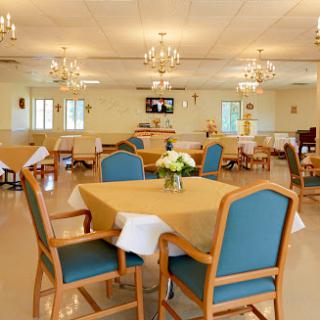
Some reviews describe the food as good and highlight the dining room as a regular part of the routine. One reviewer specifically mentioned nurses supervising meals to help protect residents during dining, and another referenced room service and food being served on time. The community also accommodates special dietary needs described in residents’ reviews, aligning with the diets and restrictions mentioned for dining.
caveat3 reviews mention this
Cleanliness and condition concerns
Cleanliness is not uniformly described, with some serious complaints.
Several reviews say the facility is clean, well-kept, and maintained, and families mention feeling comfortable in the environment. At the same time, negative reviews describe foul odors and inadequate cleaning, alongside broader concerns about neglect. Because these comments point in opposite directions, prospective residents may want to ask about day-to-day housekeeping practices during a visit.
How we summarize
Counts show how many written reviews mention each theme; a review can touch several themes, and only frequently mentioned themes are displayed.
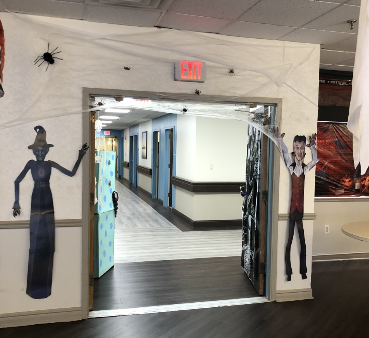
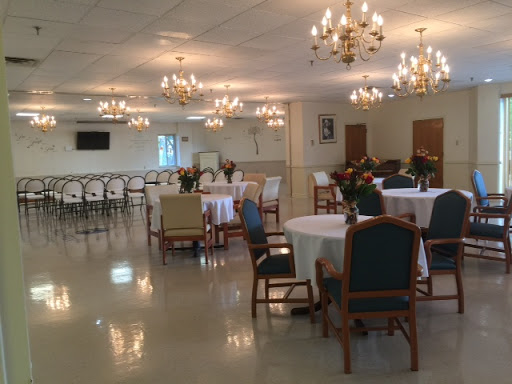
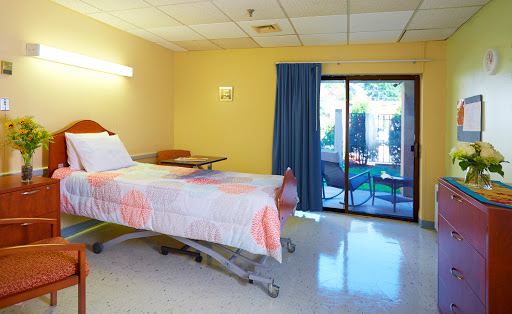
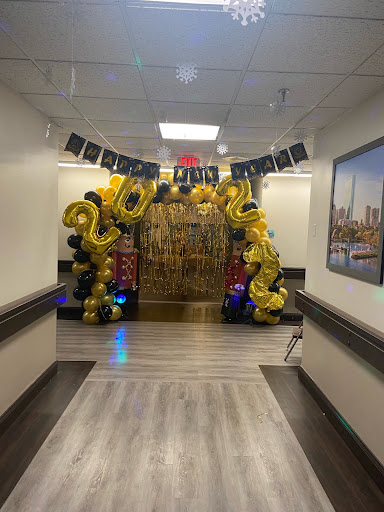
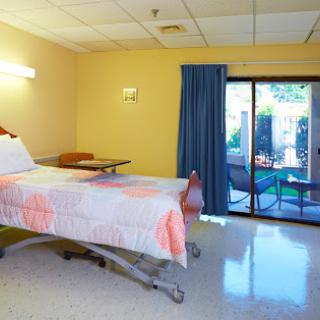
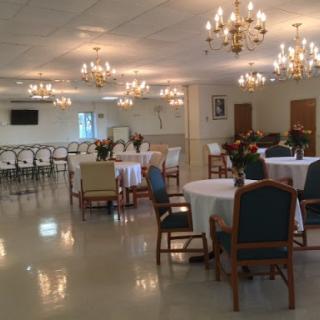
Medford Rehabilitation And Nursing Center on seniors.fyi includes 10 photos including images showing decor, interior, healthcare, chandelier, hallway, lighting, bedroom, windows, and more.
Nearby Communities
Courtyard Nursing Care Center
Medford, MA
2.1 from 31 reviews
$8,850 / month
Extensive amenities and dedicated memory care programming with 24-hour supervision.
VNA Alewife Brook Pkwy
Somerville, MA
4.3 from 27 reviews
$4,850 / month
Spacious, well-designed apartments with on-site nursing support and a beautiful courtyard.
Visiting Nurse Senior Living Community
Somerville, MA
4.2 from 24 reviews
Extensive amenities and 24/7 staff support, with transportation and dining.
Glen Ridge Nursing Care Center
Medford, MA
3 from 27 reviews
Caring staff, engaged residents, and a clean, well-maintained facility.
Arlington Rest Home Inc
Arlington, MA
Excellent location with extensive nearby amenities and healthcare options.
Purple Nurse Home Care
Cambridge, MA
5 from 6 reviews
Compassionate, family-like care that handles complex medical needs and offers reliable respite.
Brightview Arlington
Arlington, MA
4.3 from 84 reviews
$3,995 to $8,300 / month
Beautiful, clean, well-maintained facility with engaging activities and strong memory-care safety.
Cadbury Commons
Cambridge, MA
4.2 from 30 reviews
$2,500 to $7,400 / month
Friendly staff, active activities calendar, and good dining in a clean, well-located community.
Neville Place
Cambridge, MA
4.5 from 22 reviews
$6,500 to $7,750 / month
Home-like environment with attentive staff and a diverse activities program near Fresh Pond.
Palliative care focuses on alleviating distress at any stage of a serious illness and can accompany curative treatments, while hospice care is for those nearing the end of life with a prognosis of six months or less, emphasizing comfort over curative measures. Both prioritize holistic care for patients and families but differ in timing, goals, and scope.
Fecal incontinence, prevalent among older adults, arises from factors like weakened pelvic muscles and nerve damage, significantly affecting well-being and social interactions. Diagnosis involves clinical evaluation and tests to inform tailored treatments, while caregivers and preventive measures can aid in managing the condition effectively.
Anticipatory grief is an emotional response to the impending loss of a loved one, characterized by complex emotions such as sadness and anger, and involves navigating stages similar to those identified by Kübler-Ross. Coping strategies are vital for managing this process, emphasizing compassionate communication, self-care, and support groups while recognizing the cultural influences on grieving.
Get PricingAsk A QuestionSchedule A TourContact Senior Advisor
By clicking submit, you agree to our Partner's Terms of Use. You
also consent to receive calls and texts, which may be autodialed, from our Partner. Your consent is not a condition to
using our Partner's service. Please visit our Partner's Privacy Policy for information about their privacy practices.








 142 resident community capacity
 Skilled Nursing Facility
 Air-conditioning
 Beauty salon
 Cable or satellite TV
 Computer center
 Dining room
 Fitness room
 Fully furnished
 Gaming room
 Garden
 Housekeeping services
 Kitchenette
 Move-in coordination
 Outdoor space
 Private bathrooms
 Restaurant-style dining
 Small library
 Telephone
 Wellness center
 Wi-Fi/high-speed internet available
 Gen Edw L Logan International (7 miles away)
 Community operated transportation
 12-16 hour nursing
 24-hour call system
 Activities of daily living assistance
 Assistance with bathing
 Assistance with dressing
 Assistance with transfers
 Diabetes diet
 Medication management
 Mental wellness program
 Special dietary restrictions
 Concierge services
 Planned day trips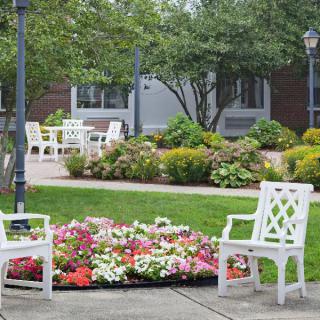
 Extensive amenities and dedicated memory care programming with 24-hour supervision.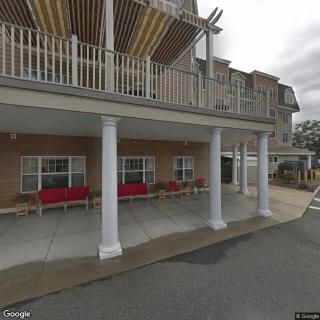







 Understanding the Nuances of Palliative Care and Hospice: A Comprehensive Exploration
 Fecal Incontinence in Older Adults: A Comprehensive Guide
 Recognizing the Journey: Understanding and Navigating Anticipatory Grief