Residents consistently describe staff as kind, courteous, and attentive to needs.
Across many reviews, residents and families describe staff who greet them warmly, treat them respectfully, and respond when someone asks for help. Several reviews also mention nurses and aides spending time to get to know residents and make the experience feel more familiar. A single negative review cites issues with pain-med timing and communication, including a complaint about how staff handled concerns.
common6 reviews mention this
PT and OT support is a focus
Physical therapy and occupational therapy are repeatedly described as helping residents progress.
Multiple reviews highlight therapy as a key part of the rehab experience, including PT and OT sessions and support aimed at recovery. Residents describe therapists coming to their rooms and encouraging steady progress day by day. One reviewer also reports a negative experience involving a delay before PT arrived after an overnight wait.
common4 reviews mention this
Food and coffee get positive mentions
Meals and day-to-day options are described positively by several residents.
Some residents and families mention that the food tastes good and that the dining experience helps make the stay feel better. A review also notes enjoying coffee on-site. Another family review says the resident enjoys their food choices, reinforcing that dining is more than an afterthought for day-to-day comfort.
common2 reviews mention this
Housekeeping and cleanliness stand out
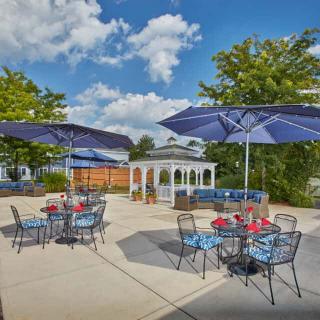
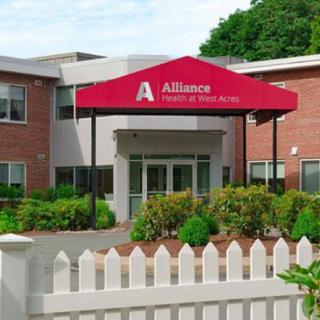
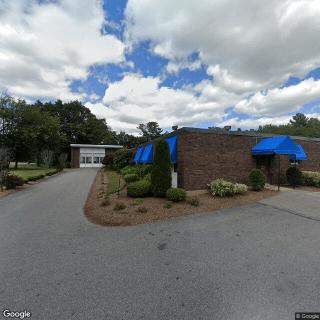
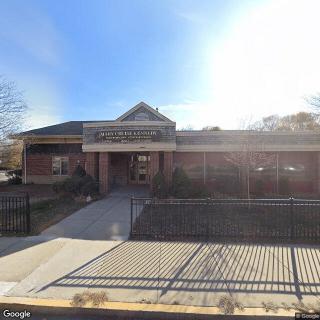
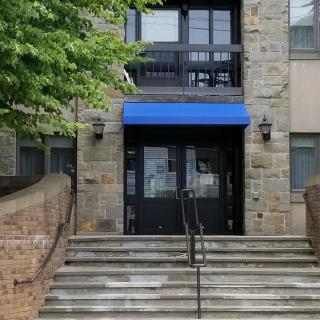
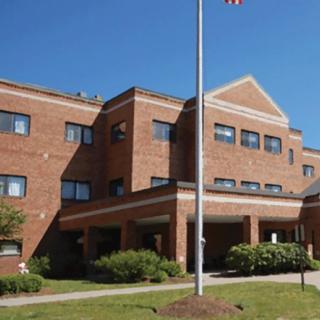
Residents describe a clean, well-kept facility and rooms.
One review praises housekeeping as diligent and friendly when cleaning rooms each day. Another family member describes the facility as clean and well kept, with a setting that feels welcoming to both residents and visitors.
How we summarize
Counts show how many written reviews mention each theme; a review can touch several themes, and only frequently mentioned themes are displayed.
Features
Types of Care
Skilled Nursing Facility
Transportation
Gen Edw L Logan International (19 miles away)
Nearby Places of Interest
Pharmacies
CVS Pharmacy (0.7 miles)
Walgreens (1.1 miles)
CVS Pharmacy (1.6 miles)
CVS Pharmacy (1.7 miles)
CVS Pharmacy (3 miles)
CVS Pharmacy (3.1 miles)
CVS Pharmacy (3.7 miles)
Restaurants
Chick-Fil-A (0.7 miles)
Taco Bell (1.7 miles)
McDonald's (1.7 miles)
Corfinio (2 miles)
Back Bay Bagel Co. (2.2 miles)
McDonald's (2.4 miles)
Town Spa Pizza (2.5 miles)
Places of Worship
Annunciation Greek Orthodox Church (1.3 miles)
First Baptist Church (5.9 miles)
St Mary's Church Mansfield (8 miles)
Physicians
Signature Healthcare Pediatrics (1.6 miles)
Signature Medical Eye Services (2.3 miles)
Rheumatology Consultants (3.4 miles)
Brockton Oral & Maxillofacial Surgery (3.4 miles)
Outpatient Department Signature Healthcare - Brockton Hospital (3.7 miles)
Kool Smiles (4 miles)
Pleasant Hill Pediatrics (5.5 miles)
Hospitals
Va Medical Center-Brockton (2 miles)
Signature Health Care (3.8 miles)
South Shore Hospital (8.2 miles)
Theaters
Showcase Cinema de Lux Randolph (5 miles)
AMC Braintree 10 (9 miles)
Parks
Borderland State Park (5.4 miles)
Braintree Highlands Community Playground (6.3 miles)
Home health nursing is an expanding field where licensed professionals provide specialized medical care in patients' homes, addressing the needs of an aging population through personalized services like assessments and medication management. Effective collaboration with healthcare teams, cultural sensitivity, and quality assurance measures are essential for fostering trust and ensuring positive patient outcomes.
Medicare covers in-home health care services, which are medical and provided by licensed professionals under a physician's supervision, whereas non-medical personal assistance is generally not covered unless part of a broader skilled care plan. Eligibility for benefits depends on being homebound and needing intermittent skilled services from a Medicare-certified agency, with specific coverage limitations and additional resources available for navigating options.
In-home care is increasingly sought after by older adults for maintaining independence, with average private home care rates in 2025 varying by state and service type, reflecting geographical and local labor market influences. As demand rises, families are considering funding options like Medicaid waivers and long-term care insurance to manage costs effectively while ensuring quality care.
Get PricingAsk A QuestionSchedule A TourContact Senior Advisor
By clicking submit, you agree to our Partner's Terms of Use. You
also consent to receive calls and texts, which may be autodialed, from our Partner. Your consent is not a condition to
using our Partner's service. Please visit our Partner's Privacy Policy for information about their privacy practices.

 Skilled Nursing Facility
 Gen Edw L Logan International (19 miles away)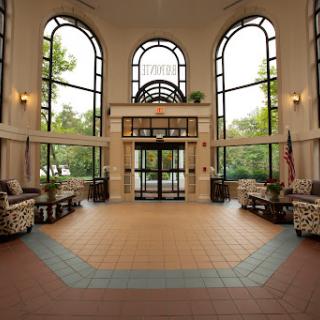
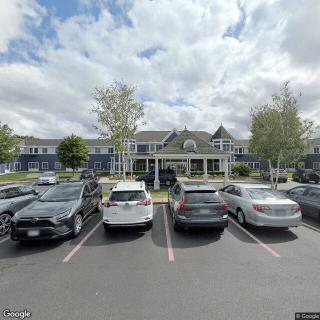
 Clean, well-kept facility with pleasant surroundings; some staff are efficient and kind.
 Exploring the World of Home Health Nurses: Qualifications, Roles, and Hiring Tips
 Navigating Medicare Coverage for In-Home Care Services
 In-Home Care Costs in 2025: A Detailed State-by-State Exploration