
50 Christy Pl, Brockton, MA 02301
To contact a resident: (508) 580-6800
For more information about senior living options: (866) 208-4318
Overall Review of BayPointe Rehabilitation and Skilled Care Cen
Pros
 The activity department is wonderful, and there are only two Baypointe aides left that the reviewer trusts.
 - The staff are very kind and caring and really take loving care of their patients.
- The reviewer was recently discharged after receiving excellent care and had the best care in the facility.
- Great nursing home, the reviewer couldn’t have dreamt of a better place for their father.
- The mom received the best care there; the staff is wonderful, very supportive, caring and nurturing.
- Janet in concierge went above and beyond for them.
- The nursing staff was amazing, especially Deb and Elsie.
Cons
 The facility is described as a disgrace due to deteriorating care and leadership.
- Not one CNA speaks or reads English and they are often on break, leaving residents without basic care.
- Meals arrive late, residents go hungry, and there is no ice, no cups, and no fresh water in rooms.
- There is a severe shortage of social workers and staff, with aides who are rude and neglectful.
- The director of nursing is deemed unqualified, with questions raised about his decision-making.
- Residents are neglected, experiencing dehydration, weight loss, and missed medications.
- Infection control is severely lacking, with outbreaks and vaccine delays described as turning the facility into a disease factory.
- Management is accused of being more concerned with money and reputation than patient care, with calls to relieve nurses and improve accountability.
- Family access is restricted, and staff are described as disrespectful to residents and their families.
Review
BayPointe Rehabilitation and Skilled Care Center in Brockton is best suited for families seeking a rehab-focused environment where front-line caregivers can deliver solid, hands-on care and meaningful daily engagement. The community works best for residents who can benefit from structured therapy, clear routines, and an active activity program, all supported by attentive aides and nursing staff when leadership is stable. It suits long-term residents only when families are prepared to take a vigilant, hands-on role in daily oversight, because ongoing governance questions and staffing fluctuations have repeatedly undermined consistency. For those who cannot tolerate potential gaps in administration or variable resource levels, exploring alternatives is prudent.
On the plus side, BayPointe has demonstrated that competent, compassionate bedside care can shine. Multiple accounts praise the front-line team for genuine kindness, effective rehab attention, and a therapy-focused approach that helps residents regain function after procedures or injuries. The activity department is frequently described as engaging, and a few staff members, along with concierge-level helpers, go above and beyond to smooth daily tasks for families. When the care team is stable and well-supported, residents benefit from attentive CNA contact, timely assistance, and a sense that someone is looking out for their comfort throughout the day.
Yet the most consequential concerns center on administration and consistency. Repeated grievances point to leadership turnover, staffing gaps, and cost-cutting measures that seem to erode the quality and reliability of care. Reports describe delays with meals and basic needs, inconsistent hydration and access to water, and even language barriers among aides that complicate communication. Several families recount encounters with management that feel distant or blunt, with comments or decisions that appear to come from above rather than from those at the bedside. In short, governance struggles create trust deficits that color every otherwise positive caregiving moment.
These tensions do not erase the value of strong, committed front-line personnel, but they do limit how much those strengths can offset the downsides. When the nursing and CNA teams are present, patient progress and daily well-being can still be achieved, and some residents and families express gratitude for the care received during rehab stays. The contrast between those moments and the broader administrative pattern suggests that BayPointe’s outcome hinges on leadership stability and sufficient staffing. If leadership creates predictable schedules, maintains consistent staffing, and prioritizes essential needs, hydration, timely meals, and respectful communication, the facility can fulfill its rehab promise and deliver the warmth families are seeking.
Families contemplating BayPointe should proceed with a practical, plan-forward approach. Schedule multiple tours and conversations with the director of nursing, unit managers, and therapy coordinators to gauge current staffing levels and responsiveness. Verify meal timing, hydration protocols, and access to water and ice throughout the day, and ask how language needs are accommodated among aides. Seek candid references from current residents’ families about consistency of care, responsiveness to call lights, and the handling of medical updates. It is wise to explore the presence of a social worker or patient advocate who remains actively involved, and to inquire about how infection control and safety concerns are managed on a day-to-day basis. If a transition is pursued, consider a trial period and a clear escalation path for concerns.
The bottom line is that BayPointe can be a solid option for rehab-minded families who are prepared to be active partners in care and oversight. When administration is stable and the bedside team is consistently supported, residents can experience meaningful rehabilitation progress, solid day-to-day care, and an engaged environment. However, for those who require unwavering governance, immediate and reliable responsiveness, and consistently high standards across all levels of leadership, alternatives may offer greater predictability and peace of mind. In the right circumstances, BayPointe delivers real value; in others, the governance gaps and staffing inconsistencies overshadow the strengths at the bedside.
 Skilled Nursing Facility
 Gen Edw L Logan International (19 miles away)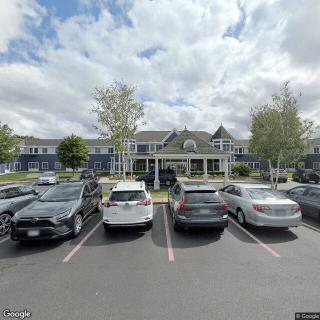






 Powerful Realities of Elder Abuse and the Most Effective Ways to Report It
 Ten Vital Duties of a Senior Caregiver: A Comprehensive Guide
 9 Stimulating Memory Activities for Seniors: Puzzles, Cards, and Much More