Creekside Village Costs & Pricing
At Creekside Village, the monthly costs for accommodation reflect a premium positioning within the local market. For a studio unit, residents can expect to pay $5,850, which is significantly higher than the average costs in Washington County at $4,318 and even more so compared to Maryland's state average of $4,656. The one-bedroom units further emphasize this trend, priced at $6,900 - again exceeding both county rates of $5,101 and Maryland's lower average of $3,904. Such pricing suggests that Creekside Village may offer unique amenities or a desirable living experience that justifies the elevated cost compared to surrounding areas.
| Floor plans | Creekside Village | Washington County | Maryland |
|---|
| Studio | $5,850 | $4,318 | $4,656 |
| 1 Bedroom | $6,900 | $5,101 | $3,904 |
Skilled Nursing Facilities with a similar price nearby
-
About the same
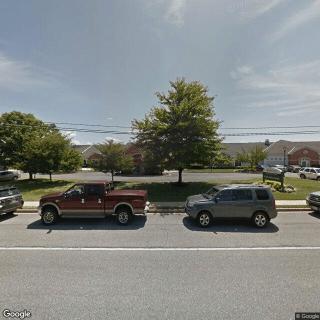
Glade Valley Nursing & Rehab
$6,000 / month
21.4 miles away
-
from -$600 / mo
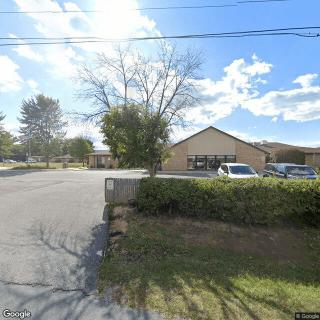
Care Haven Center
$5,250 to $5,550 / month
17.6 miles away
-
from -$600 / mo
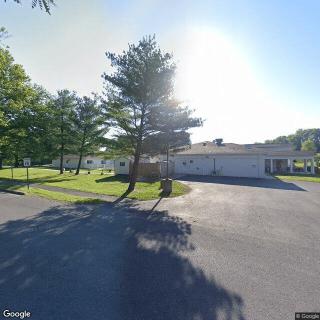
Canterbury Center
$5,250 to $5,550 / month
13.6 miles away
-
About the same
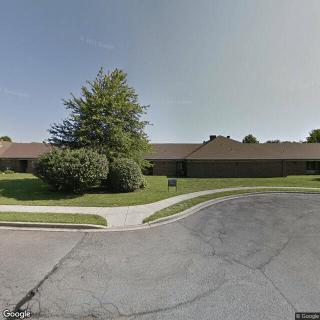
Frederick Health & Rehabilitation Center
$5,817 to $6,195 / month
20.6 miles away
-
from -$950 / mo
Hagerstown Healthcare Center
$4,900 to $5,900 / month
1.5 miles away
Overall Review of Creekside Village
caveat
19 reviews mention this
Staffing and care response concerns
Many residents’ families describe delayed or inadequate hands-on care.
Several reviews raise concerns about staffing levels and how quickly help arrives, including situations where residents waited for hours or families struggled to get assistance. Multiple commenters also describe medication not being given as expected and, in some cases, delayed medical escalation. A number of reviews also mention phones or call systems going unanswered, which contributed to families feeling they had to step in to get basic needs met.
caveat
15 reviews mention this
Cleanliness is a recurring issue
Cleanliness is a major point of disagreement in resident experiences.
Some reviews describe rooms and the building as clean, including comments about no odor and clean grounds. Others strongly criticize cleanliness, describing odors, dirty conditions, and areas that were not kept up after tours. A few reviewers also connect hygiene problems to medical outcomes, like wound care concerns.
differentiator
5 reviews mention this
Rehab and therapy get praise
Rehabilitation and therapy experiences are a bright spot for many families.
When residents were at Creekside for rehab or physical therapy, several reviews emphasize steady progress and dedicated therapy support. Reviews specifically call out physical and occupational therapy teams and describe them as caring, encouraging, and coordinated. Even among critical experiences, some reviewers frame their visit around therapy needs rather than other day-to-day support.
common
17 reviews mention this
Staff friendliness and teamwork
Many reviewers describe staff who are friendly and collaborative.
Across the reviews, families frequently mention friendly, attentive staff and a sense of teamwork when issues come up. Several people describe staff as professional and responsive, and some highlight communication and care planning meetings with family involvement. This theme appears alongside other concerns, so the experience can vary depending on the situation and unit.
common
4 reviews mention this
Food receives mixed but present mentions
Food quality is discussed positively in several reviews.
A few reviewers say they had no complaints about food during their loved one’s stay, while others describe meals as good and appetizing. Some families also mention dietary preferences being considered. At the same time, the most negative reviews focus more heavily on care and cleanliness than meal quality.
How we summarize
Counts show how many written reviews mention each theme; a review can touch several themes, and only frequently mentioned themes are displayed.

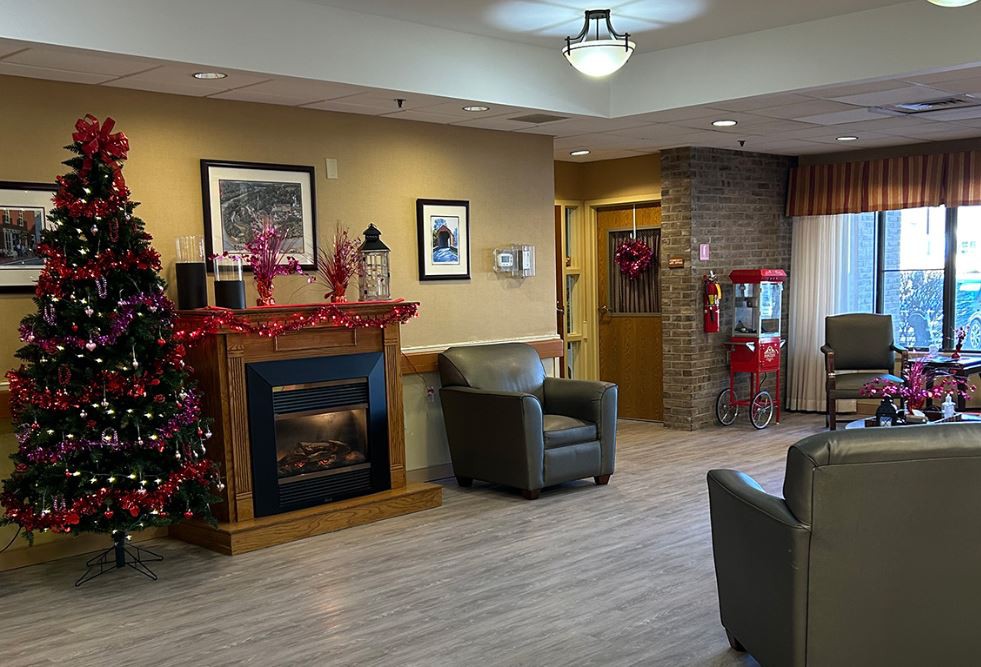
 1-bedroom apartments
 Detached homes
 Independent Living
 Skilled Nursing Facility
 Cable or satellite TV
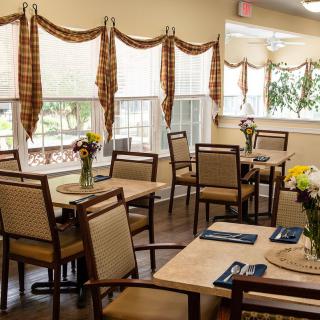
 Dining room
 Full kitchen
 Guest parking
 Housekeeping services
 Laundry
 Party space
 Respite or short term stays offered
 Hospice care
 Medication management
 Activities off-site
 Arts and crafts
 Fitness programs
 Games
Games Live musical performances
 Stories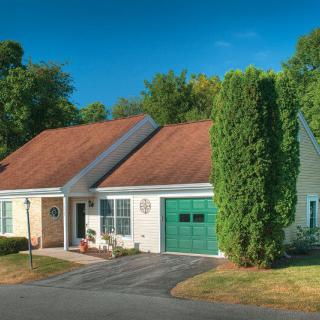
 CCRC with multiple care levels and extensive on-site amenities

 Encouraging Participation in Adult Day Care: A Guide to Supporting a Hesitant Parent
 Comprehensive Exploration of Living Wills and Other Advance Directives
 A Detailed Exploration of Living Wills and Advance Directives