At Long Green Center, the monthly costs for accommodations are notably higher than both Baltimore city and the broader state of Maryland. For semi-private rooms, residents can expect to pay $7,500, which significantly exceeds the city's average of $3,116 and the state's average of $3,545. Similarly, private rooms at Long Green Center are priced at $7,980, in contrast to Baltimore's rate of $3,729 and Maryland's average of $4,112. This discrepancy suggests that while Long Green Center may offer specialized services or amenities that justify its premium pricing, potential residents and their families should carefully consider their options in relation to both local and state averages when making a decision.
Floor plans
Long Green Center
Baltimore city
Maryland
Semi-Private
$7,500
$3,116
$3,545
Private
$7,980
$3,729
$4,112
Skilled Nursing Facilities with a similar price nearby
The social work team is consistently described as helpful and communicative.
Multiple reviewers credit the social services staff with being kind, respectful, and focused on making the process easier for residents and families. Several people mention meeting with a social worker and nurse to stay informed, or having help navigating discharge and next steps. This support shows up alongside broader praise for staff communication and follow-through during care transitions.
caveat3 reviews mention this
Care coverage and activities are limited
Residents describe gaps in staffing coverage and daily engagement.
Some reviewers say the facility lacked wrap-around care and an activity room, with concerns that residents needed more stimulation. Others point to short staffing and times when help is delayed or residents are left without support for basic needs. The concerns are framed as affecting day-to-day care rather than a one-time issue.
caveat5 reviews mention this
Food is hit or miss
Dining quality varies, with complaints about temperature and overall taste.
Some residents and families describe meals as inconsistent, including instances where breakfast items were cold. A few reviews also mention dissatisfaction with food quality, even while other parts of the stay received positive comments. Taken together, food comes up as a recurring factor that can affect overall satisfaction.
common8 reviews mention this
Staff friendliness and professionalism
Many residents and visitors describe the staff as friendly and professional.
A large portion of the reviews highlight staff members as kind, approachable, and willing to help with questions and concerns. Several people mention positive interactions with nursing and other departments, including front desk and clinical team members. Even when other issues are mentioned, reviewers often still single out staff demeanor as a strength.
How we summarize
Counts show how many written reviews mention each theme; a review can touch several themes, and only frequently mentioned themes are displayed.
Features
Types of Care
Skilled Nursing Facility
Amenities
Private
Transportation
Baltimore-Washington International (13 miles away)
Nearby Places of Interest
This part of Baltimore, Maryland offers a variety of amenities and services that cater to seniors. There are several restaurants within close proximity, ranging from casual dining options like Zen West Roadside Cantina and Subway to more upscale establishments like Mt. Washington Tavern. The area also boasts several cafes such as Starbucks and Miss Shirley's Cafe for leisurely meals or coffee outings. In terms of healthcare, there are multiple pharmacies and medical facilities nearby, including Greater Baltimore Medical Center and MedStar Good Samaritan Hospital. Additionally, there are parks like Lake Roland and Meadowood Regional Park for outdoor recreation, as well as places of worship for spiritual fulfillment. With convenient access to public transportation through Penn Station and Lutherville Light Rail Station, this neighborhood provides a desirable environment for seniors looking to live comfortably in Baltimore.
Restaurants
Zen West Roadside Cantina (0.5 miles)
Subway (1.7 miles)
Pepe's (1.7 miles)
Mt. Washington Tavern (1.8 miles)
Colin's Seafood and Grill (1.9 miles)
McDonald's (2.6 miles)
THB - Towson (2.6 miles)
Cafes
Starbucks (0.5 miles)
Miss Shirley's Cafe, Roland Park (1.7 miles)
Dooby's (4.7 miles)
Ceremony Coffee Roasters (4.9 miles)
Panera Bread (5.3 miles)
Pharmacies
Rite Aid (0.6 miles)
Walgreens (0.6 miles)
CVS Pharmacy (1.1 miles)
CVS Pharmacy (1.8 miles)
Walgreens (2.5 miles)
Walgreens (2.6 miles)
CVS Pharmacy (2.7 miles)
Parks
Rodgers Forge Tot Lot (0.7 miles)
Lake Roland (1.7 miles)
Meadowood Regional Park (4.4 miles)
Cromwell Valley Park (4.5 miles)
Places of Worship
Brown Memorial Woodbrook Presbyterian Church (1 miles)
Church of the Immaculate Conception (2.6 miles)
Church of the Nativity (4.6 miles)
Physicians
O'Dea Building- St Josephs Hospital (1.5 miles)
Greater Baltimore Medical Center (1.7 miles)
Dr Richard A. Adler, Belcara Health Ophthalmology (2 miles)
Scottish Rite Speech & Language Center (2.2 miles)
At Long Green Center, the monthly costs for accommodations are notably higher than both Baltimore city and the broader state of Maryland. For semi-private rooms, residents can expect to pay $7,500, which significantly exceeds the city's average of $3,116 and the state's average of $3,545. Similarly, private rooms at Long Green Center are priced at $7,980, in contrast to Baltimore's rate of $3,729 and Maryland's average of $4,112. This discrepancy suggests that while Long Green Center may offer specialized services or amenities that justify its premium pricing, potential residents and their families should carefully consider their options in relation to both local and state averages when making a decision.
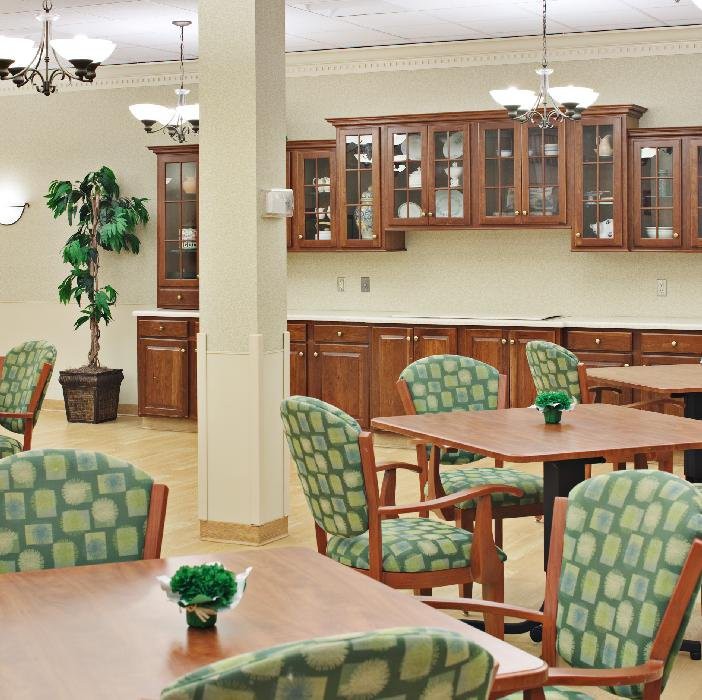
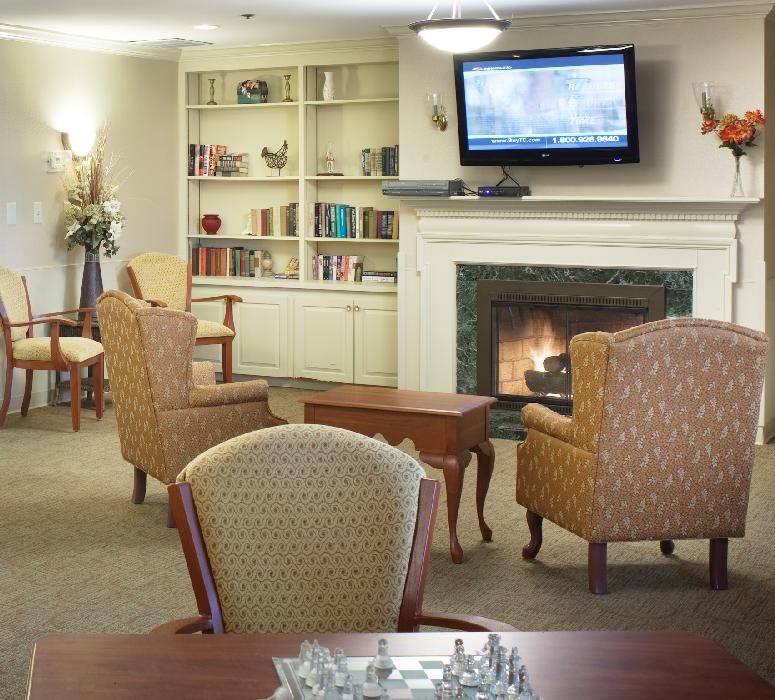
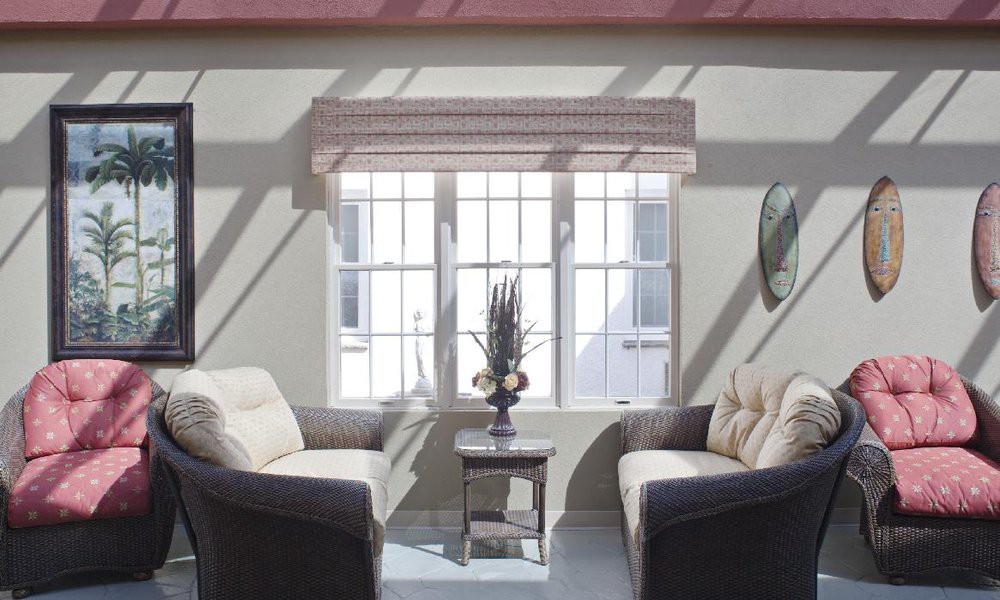
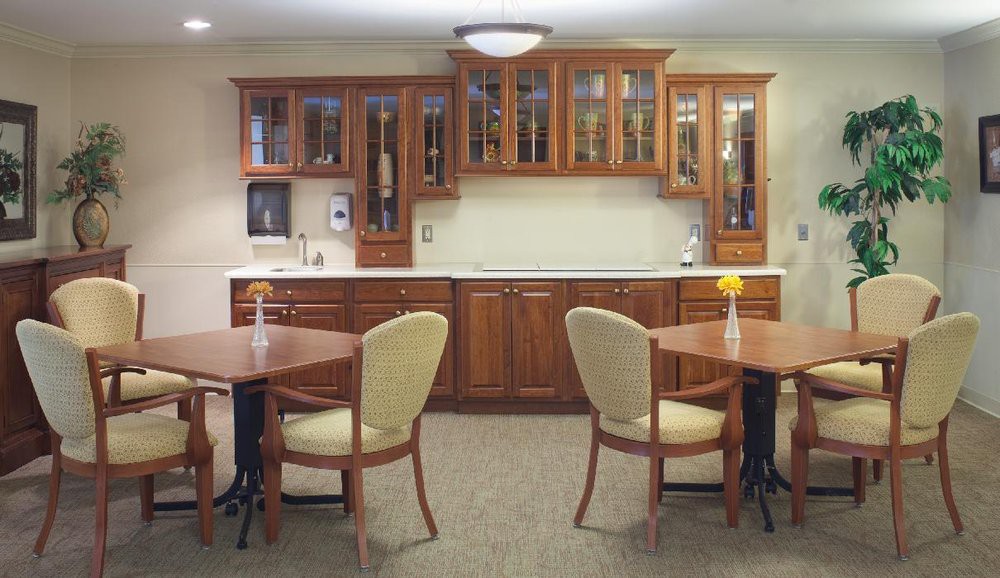
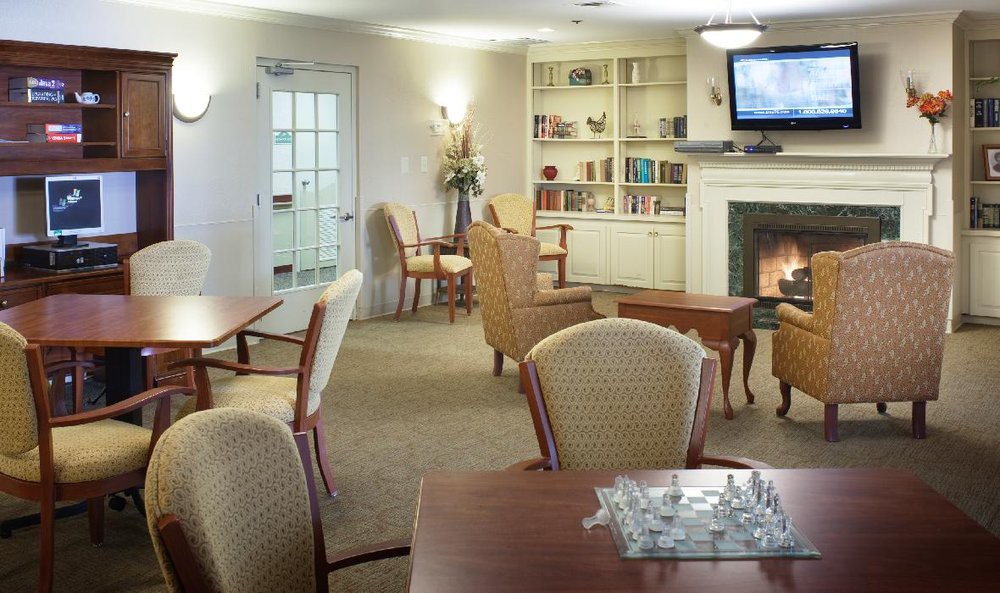
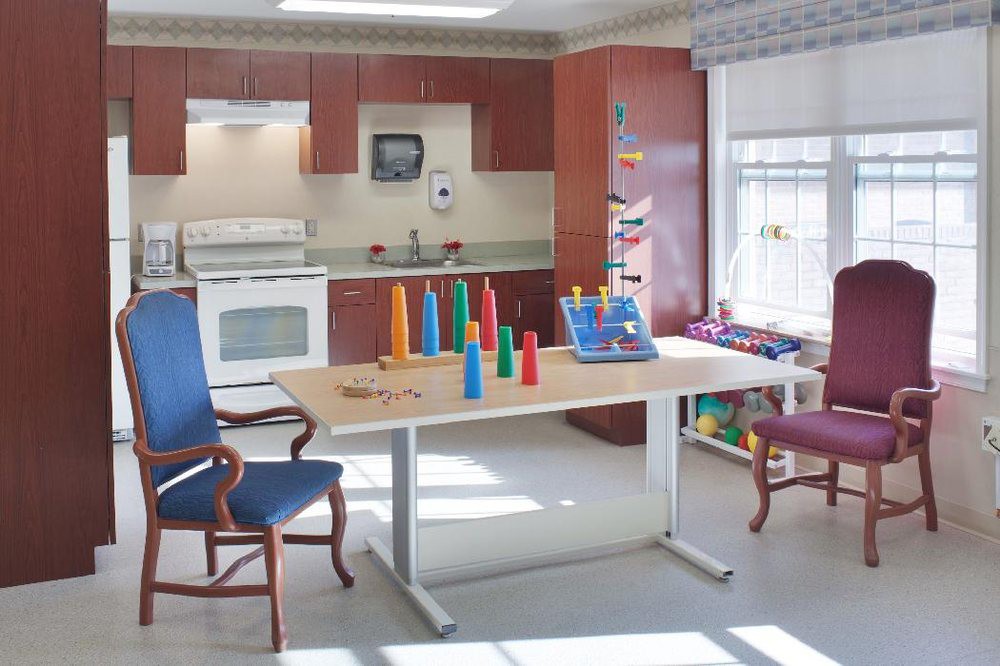
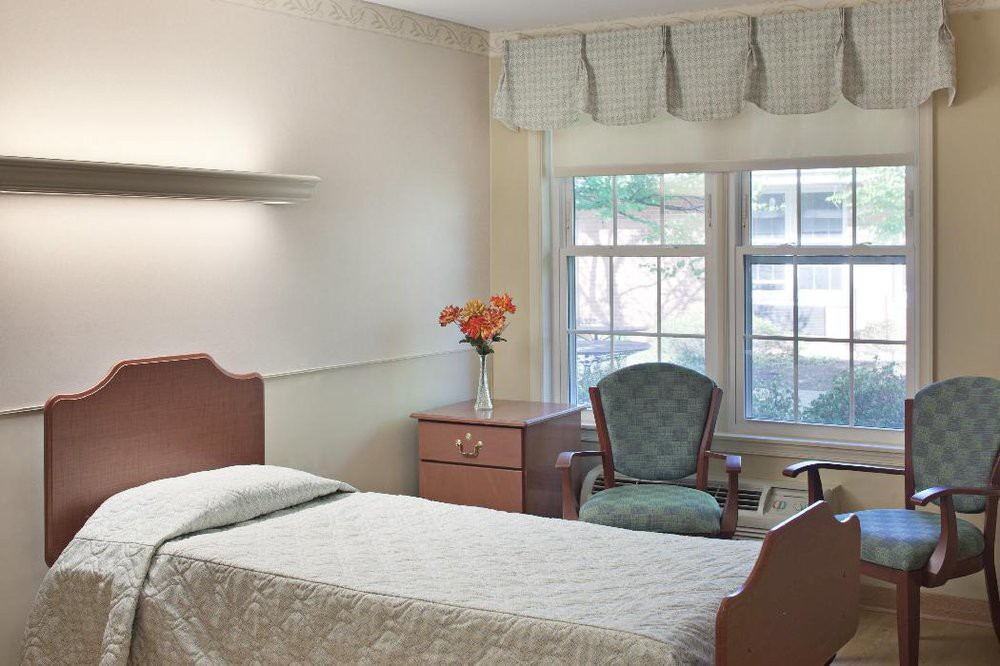
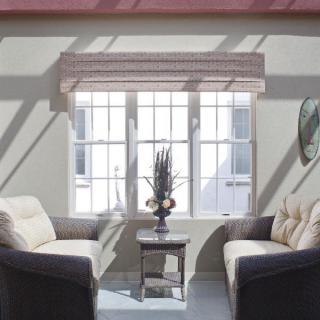
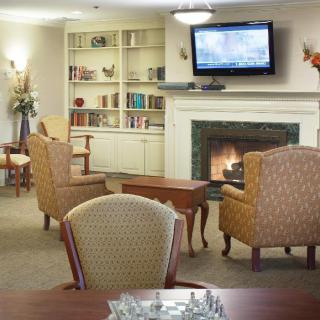
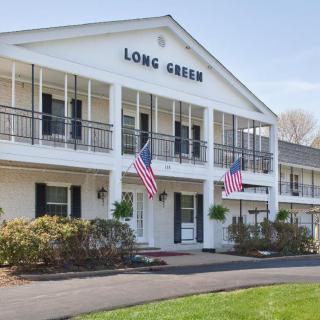
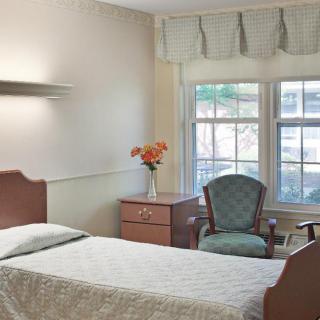
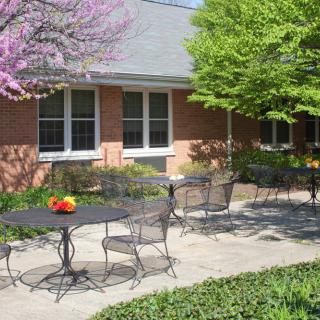
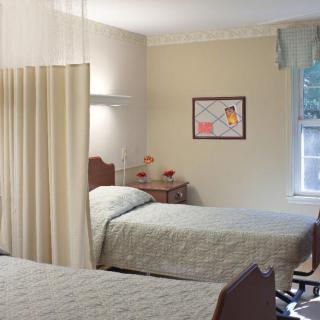
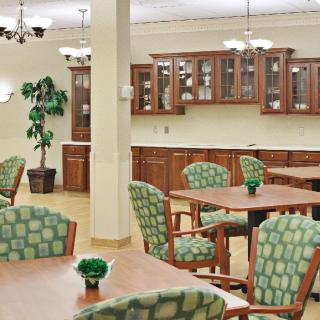
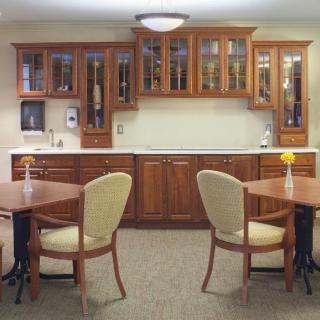
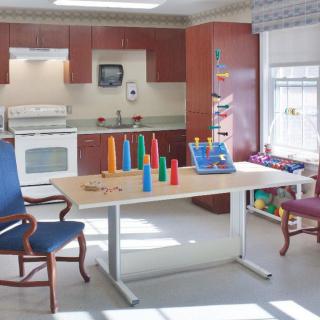
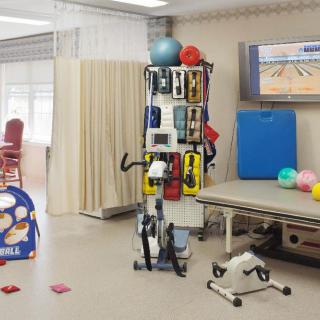
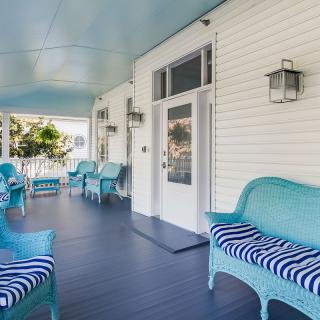
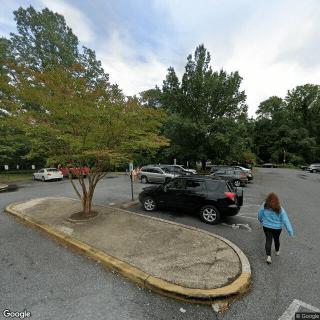
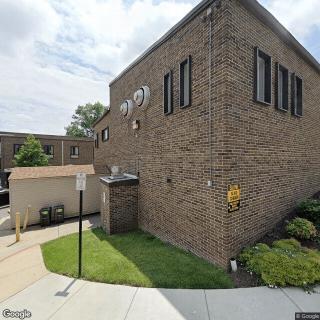
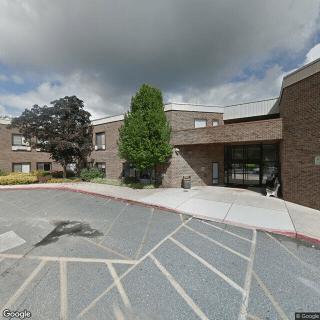
Long Green Center on seniors.fyi includes 12 photos including images showing interior, windows, living room, bedroom, dining, cabinets, fireplace, television, and more.
Nearby Communities
Autumn Lake Healthcare at Long Green
Baltimore, MD
4.2 from 106 reviews
Small, personalized setting with 24-hour supervision, ADL support, and furnished apartments.
Autumn Lake Healthcare at Homewood Center
Baltimore, MD
4.5 from 108 reviews
Small, intimate 21-bed community with 24/7 supervision and comprehensive care.
Senior move management provides specialized support for older adults relocating by assisting with logistics, emotional challenges, and downsizing decisions to ensure a smooth transition to new living environments. These services address the unique needs of seniors and have become increasingly important as baby boomers retire and seek to downsize.
Weight training is vital for seniors to maintain muscle mass, bone density, and overall health, combating age-related declines through customized resistance exercises that enhance balance and well-being. Safe routines should start with realistic goals and proper form, while emphasizing gradual progress and consultations with healthcare providers to ensure safety and effectiveness.
The Sandwich Generation comprises adults managing the dual responsibilities of caring for aging parents and raising children, leading to significant emotional, logistical, and financial challenges. This situation is exacerbated by longer life expectancies and cultural expectations, necessitating effective coping strategies and support resources to alleviate caregiver stress and burnout.
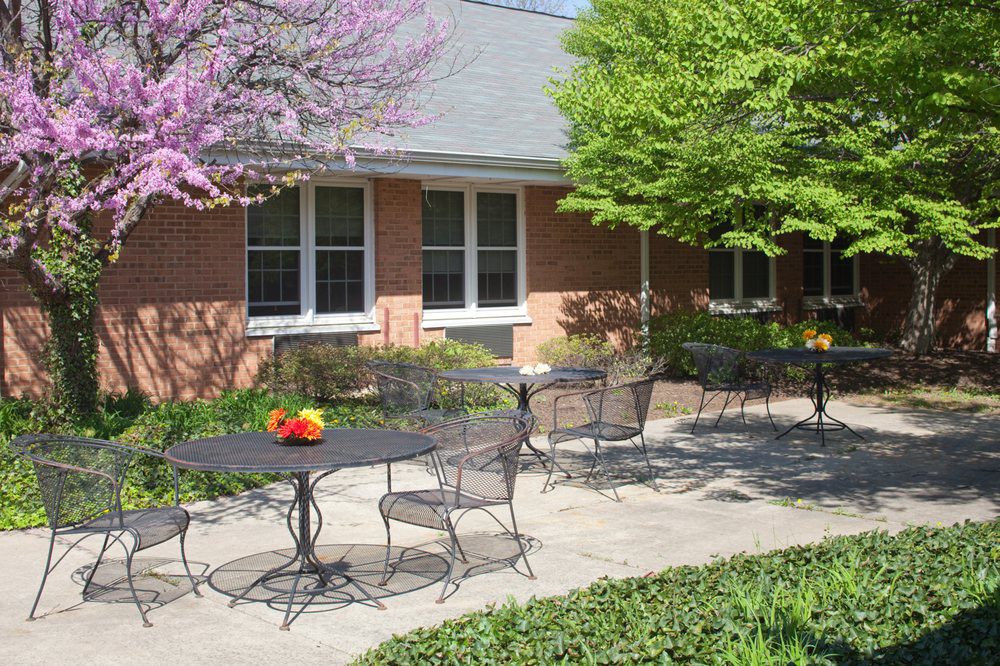
Trees, Garden, Patio, Outdoor Seating, and Brick Building
Kitchen
Television and Fireplace
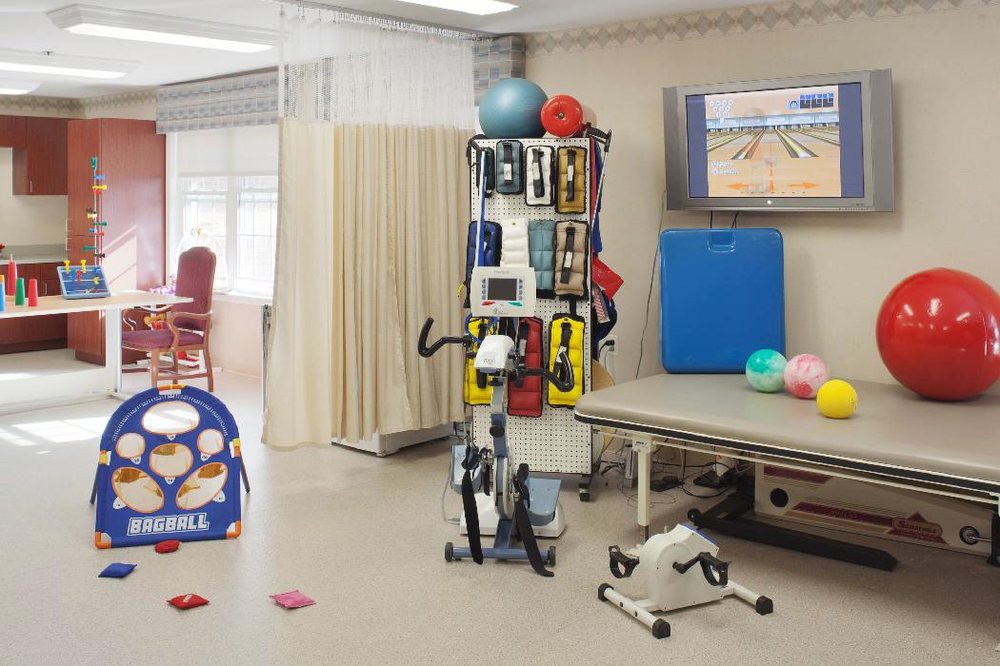
Exercise Equipment, Physical Therapy, and Therapy Room
Bookshelves
Rehabilitation and Fitness
Lights
Get PricingAsk A QuestionSchedule A TourContact Senior Advisor
By clicking submit, you agree to our Partner's Terms of Use. You
also consent to receive calls and texts, which may be autodialed, from our Partner. Your consent is not a condition to
using our Partner's service. Please visit our Partner's Privacy Policy for information about their privacy practices.


 Skilled Nursing Facility
 Private
 Baltimore-Washington International (13 miles away)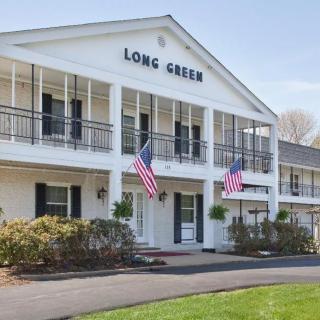
 Small, personalized setting with 24-hour supervision, ADL support, and furnished apartments.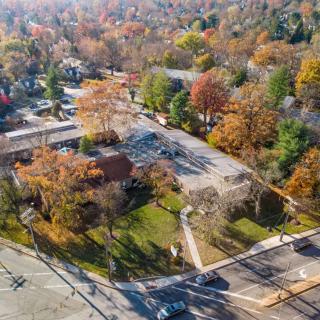
 Senior Move Management: Understanding the Role, Value, and Associated Costs
 Weight Training for Seniors: Building Strength and Vitality
 Understanding the Sandwich Generation: Stress and Responsibilities for Multigenerational Caregivers