Augusta Center For Health & Rehabilitation

Save

  • Interior

    A cozy bedroom setup featuring patterned pillows, a stack of books, and a glass of water on a nightstand.
  • Outdoors

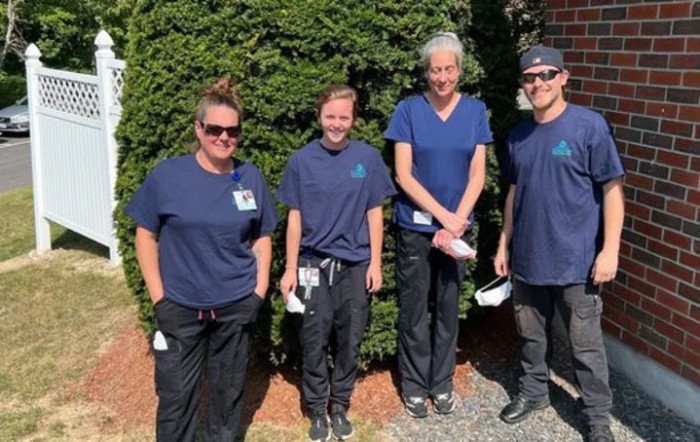
    A group of four people in matching uniforms standing outdoors.
  • Decor

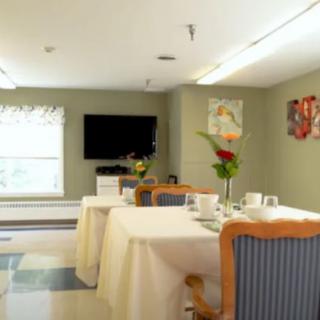
    A dining room with neatly arranged tables and chairs, featuring a television and floral decorations.
  • Building

    An aerial view of a building with a central entrance, surrounded by landscaped gardens.
  • Trees

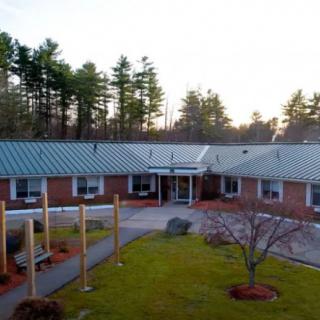
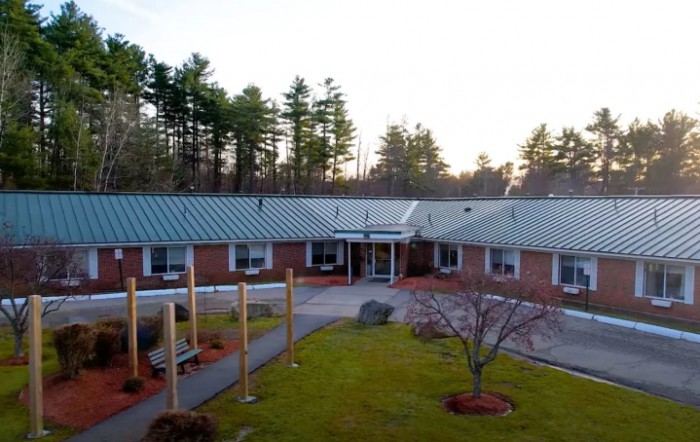
    A one-story brick building with a metal roof, surrounded by trees and landscaping at sunset.
  • Lighting

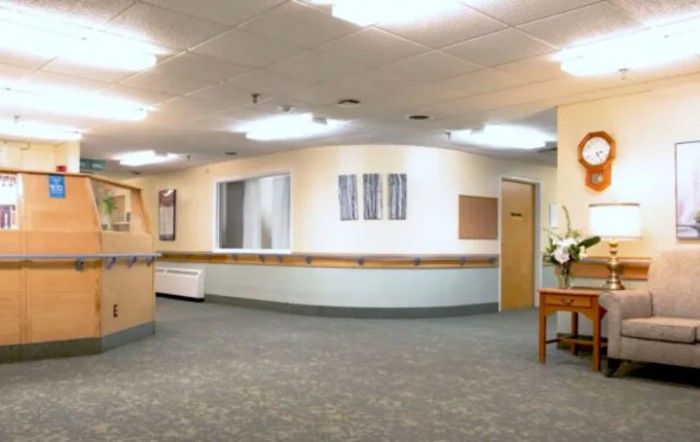
    Hospital reception area with a clean and well-lit interior.
  • Entrance

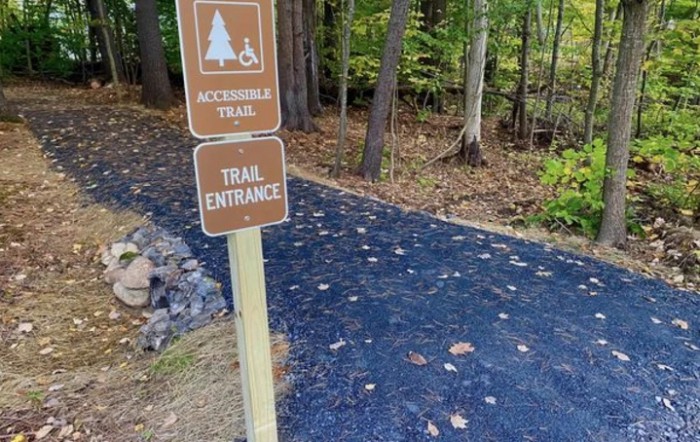
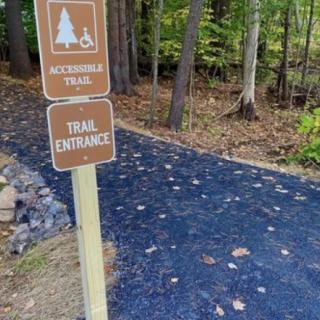
    Entrance to an accessible trail in a forested area.
  • Outdoor

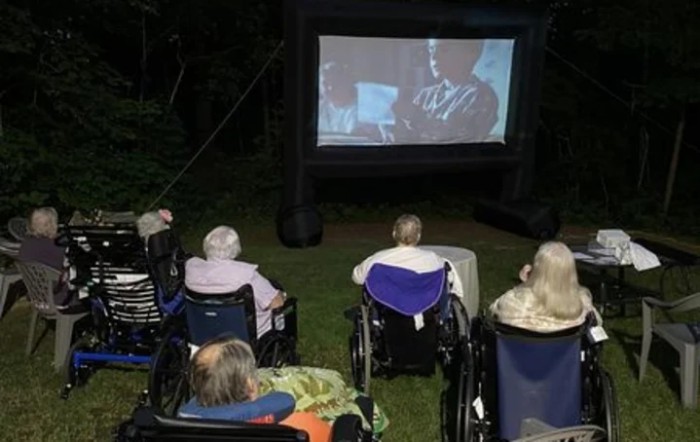
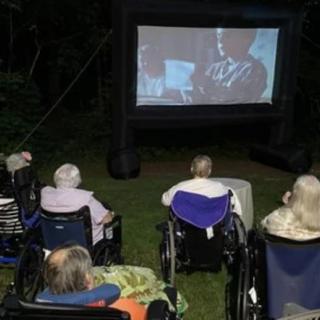
    Seniors in wheelchairs enjoying an outdoor movie night under the stars.
  • Healthcare

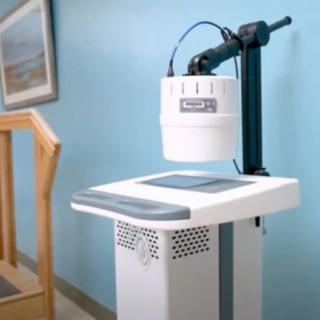
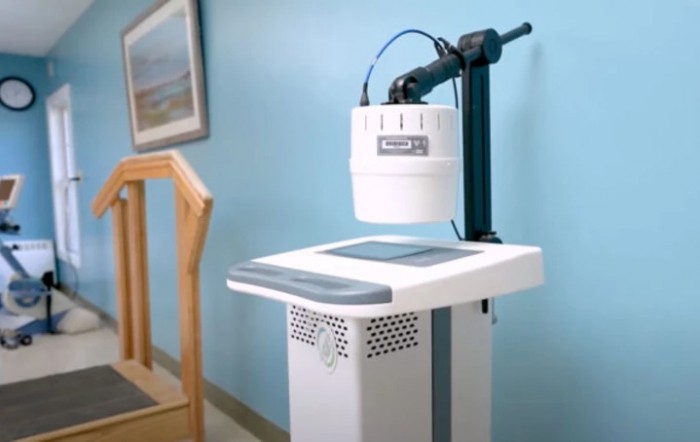
    A medical therapy device in a clinical setting.
  • Wheelchair

    An elderly woman in a wheelchair holding a potted flower in a nursery.

Augusta Center For Health & Rehabilitation

188 Eastern Avenue, Augusta, ME 04330

For more information about senior living options: (844) 490-3973

4.3 from 44 reviews
5 stars
32
4 stars
5
3 stars
0
2 stars
0
1 stars
7

Skilled Nursing Facility

Overall Review of Augusta Center For Health & Rehabilitation

Pros

  • pro The staff are attentive and friendly, and they get along with patients, residents, and families.
  • pro The facility is exceptionally clean, one of the cleanest the reviewer has seen in 30 years.
  • pro Visitors are consistently impressed by the staff's care and professionalism.
  • pro The establishment is well run, and residents appear comfortable with quality healthcare equipment.
  • pro The Activities Director is highly engaged and cares about residents' wellbeing.
  • pro Social Worker Connie provides helpful information.
  • pro The rooms are clean and well organized, and the staff are very helpful.
  • pro The staff provide excellent, above-and-beyond care and show love and kindness to residents.
  • pro Families feel included in decisions and staff communicate clearly about changes in care.
  • pro The rehabilitation services (PT, OT, and speech) help patients regain mobility and balance, with supportive staff.

Cons

  • pro Transition from hospital to the facility was not good, with orders placed the day before and meds still unavailable.
  • pro A resident reportedly went hours without pain medication after the transfer.
  • pro A reviewer described the experience as very unsatisfying, citing overwhelming neglect and long waits for assistance.
  • pro A sister with Covid was released very sick, with the reviewer calling the facility disgusting at best.
  • pro The facility was alleged to be infested with silverfish due to neglect.
  • pro Nurses were accused of not helping patients, with abusive and rude behavior, and one instance of a nurse slapping an elder; management was described as a disgrace.
  • pro The staff were described as stretched thin and the facility as dated.
  • pro A nurse allegedly threatened to remove visitors over mask placement, hindering communication.

Review

Augusta Center For Health & Rehabilitation in Augusta, ME is best suited for older adults who are navigating post-acute rehab or who want a structured, engaging daily routine under attentive staff. The setting earns praise as a place where residents are kept active, with a robust activities calendar and staff who aim to treat residents with dignity. It's a fit for families that value transparent communication and involvement in care decisions, and for seniors who thrive on consistent staff interactions and a warm, professional atmosphere.

Key strengths center on people and programs: staff are described as attentive, friendly, and professional; residents and visitors feel welcomed; there are long-tenured caregivers who know routines and residents well; rehab services (PT/OT/SLP) are repeatedly praised for aiding recovery; and family members report being included in decisions and kept updated on changes. The physical environment is described as clean and well organized, with quality healthcare equipment and a visible commitment to resident engagement (special events like Dolly Parton day) and strong activity director leadership.

But not all experiences align. Several reviews recount problematic transitions from hospital stays, including delays in medication and unclear handoffs. A subset of observers describe neglect or slow response times, and at least one account alleges unsafe conditions (insect concerns) and staff misconduct. These reviews underscore a real risk that staffing gaps or rushed workflows can compromise timely assistance and communication. The building is described as dated by some, with reports of odors - factors that can erode comfort even when care quality remains solid elsewhere in the operation.

As a result, those who require constant, immediate attention or who prioritize a pristine environment may want to evaluate alternatives. Families should consider other communities with more modern facilities, tighter staffing models, and documented reliability in med administration and rapid assistance. Those with a high sensitivity to responsiveness and a desire for consistently quick help should ask hard questions about current staffing levels, turnover, and the facility's systems for tracking and delivering meds and assistive support. A detailed tour focusing on how emergencies are handled can expose gaps that reviews hint at.

Nevertheless, the medical rehab strengths offset many concerns for the right candidate. When recovery hinges on therapy intensity and multidisciplinary coordination, Augusta Center For Health & Rehabilitation often delivers notable gains, with therapists who communicate well and push progress while keeping families in the loop. The combination of clean facilities, purposeful activity, and a staff culture that genuinely seems to care about residents' wellbeing can make the difference between a stressful experience and a constructive recovery journey. For some families, this balance of strengths becomes decisive.

Decision-makers should approach Augusta with a structured evaluation plan: tour during peak activity to gauge staff engagement; speak with therapy leaders about plan of care and discharge timelines; verify medication administration protocols and who oversees med reconciliation; request references from recent transitions to assess consistency; and confirm that family involvement processes are in place and functioning. If the facility can demonstrate a stable, well-staffed environment and reliable meds management while maintaining a warm, engaging culture, Augusta Center For Health & Rehabilitation becomes a strong choice for post-acute rehab and ongoing elderly care; if not, alternatives with calmer staffing and more modern surroundings warrant serious consideration.

Features

Housing

  • 72 resident community capacity 72 resident community capacity

Types of Care

  • Skilled Nursing Facility Skilled Nursing FacilitySkilled Nursing Facilities are crucial for seniors as they provide round-the-clock medical care, rehabilitation services, and assistance with daily activities. These facilities ensure that seniors receive the specialized care they need to maintain their health and well-being as they age.

Amenities

  • Air-conditioning Air-conditioningAir conditioning is important for seniors as they are more vulnerable to heat-related illnesses and may have underlying health conditions that make it difficult for them to regulate their body temperature. It helps to keep them comfortable, safe, and healthy in hot weather.
  • Beauty salon Beauty salonBeauty salons are important for seniors because they provide a space for them to feel pampered, socialize, and maintain their personal grooming and hygiene. Regular visits to a beauty salon can help boost seniors' self-esteem and overall well-being.
  • Cable or satellite TV Cable or satellite TVCable or satellite TV is important for seniors because it provides entertainment, news, and companionship, helping to combat loneliness and boredom. It also offers a wide range of programming options tailored to different interests and preferences.
  • Computer center Computer centerA computer center is essential for seniors as it provides access to technology, communication tools, and resources that can enhance their daily lives. It allows them to stay connected with loved ones, engage in online activities, and learn new skills, ultimately promoting socialization and mental stimulation.
  • Dining room Dining roomDining rooms are important for seniors as they provide a space for socialization, connection, and nutritious meals. They offer opportunities for residents to bond over shared meals, foster a sense of community, and promote healthy eating habits. Dining rooms also ensure that seniors have access to well-balanced meals tailored to their dietary needs and preferences.
  • Fitness room Fitness roomHaving a fitness room in a senior living community is essential for seniors to stay active, maintain their physical health, and improve their overall well-being. Regular exercise can help prevent falls, reduce the risk of chronic diseases, and promote mental sharpness. It also provides social opportunities for residents to connect with others and enjoy a sense of community.
  • Fully furnished Fully furnishedFully furnished senior living communities are important for seniors because they provide convenience, comfort, and a hassle-free moving experience. Seniors can easily settle into their new living space without the stress of having to buy and move furniture. This allows them to focus on enjoying their new home and community.
  • Gaming room Gaming roomGaming rooms are important for seniors as they provide a fun and engaging environment for socializing, cognitive stimulation, and physical activity. Games can improve memory, problem-solving skills, and overall mental well-being while fostering friendships and reducing feelings of isolation.
  • Garden GardenGardens are important for seniors as they provide a peaceful and therapeutic environment for relaxation, physical activity, and socialization. Being in nature has been shown to reduce stress, improve mood, and promote overall well-being. Gardens also offer opportunities for seniors to engage in gardening activities, which can improve mobility, flexibility, and cognitive function. Additionally, gardens create a sense of community and connection with others who share a passion for plants and outdoor spaces.
  • Housekeeping services Housekeeping servicesHousekeeping services are important for seniors because they help maintain a clean and safe living environment, promote independence, and reduce the risk of accidents or illnesses. Additionally, having assistance with household chores can alleviate physical strain and allow seniors to focus on other aspects of their well-being.
  • Kitchenette KitchenetteKitchenettes are important for seniors living in senior living communities because they provide the convenience and independence of being able to prepare simple meals and snacks in the comfort of their own living space. This can help promote a sense of autonomy and well-being for seniors, allowing them to maintain some level of control over their dietary choices and daily routines.
  • Move-in coordination Move-in coordinationMove-in coordination is important for seniors because it helps ease the transition into their new living environment. It ensures that all logistics, such as packing, organizing movers, and setting up utilities are taken care of, allowing seniors to focus on settling in and adjusting to their new home. Having a smooth move-in process can alleviate stress and anxiety, making the transition smoother and more enjoyable for seniors.
  • Outdoor space Outdoor spaceOutdoor spaces are important for seniors as they provide opportunities for physical activity, social interaction, exposure to natural light and fresh air, and a sense of connection to nature. Having access to outdoor spaces can improve overall well-being and quality of life for older adults living in senior communities.
  • Private bathrooms Private bathroomsPrivate bathrooms are important for seniors in senior living communities because they provide independence, dignity, and comfort. Having a private bathroom allows seniors to maintain their personal hygiene routines without the need for assistance, promoting a sense of autonomy and privacy. Additionally, private bathrooms help prevent the spread of infections and provide a safe and clean environment for seniors to navigate safely.
  • Restaurant-style dining Restaurant-style diningRestaurant-style dining is important for seniors because it allows them to enjoy delicious, nutritious meals in a social and upscale setting. This enhances their dining experience, promotes healthy eating habits, and fosters socialization with fellow residents, ultimately contributing to their overall well-being and quality of life.
  • Small library Small librarySmall libraries are important for seniors as they provide access to a variety of reading materials, including books, newspapers, and magazines. This can help stimulate their minds, keep them engaged, and provide a sense of community through book clubs and other social activities. Additionally, reading has been shown to improve cognitive function and overall mental well-being in older adults.
  • Telephone TelephoneTelephones are important for seniors as they provide a lifeline for communication with loved ones, emergency services, and healthcare providers. They offer a sense of security and independence, enabling seniors to stay connected and access assistance when needed.
  • Wellness center Wellness centerWellness centers are important for seniors because they offer a variety of programs and services that promote physical, mental, and emotional well-being. These centers provide opportunities for exercise, socialization, education, and relaxation, helping seniors maintain their overall health and quality of life.
  • Wi-Fi/high-speed internet available Wi-Fi/high-speed internet availableWi-Fi/high-speed internet is important for seniors to stay connected with loved ones, access online resources, and participate in virtual activities to combat feelings of loneliness and isolation. It also allows them to easily manage healthcare needs, access entertainment, and engage in lifelong learning opportunities.

Transportation

  • Community operated transportation Community operated transportationCommunity operated transportation is crucial for seniors as it provides them with the means to access essential services, social activities, and medical appointments. It allows seniors to maintain their independence and quality of life by ensuring they can participate in activities outside of their homes. Additionally, community-operated transportation services offer a safe and reliable way for seniors to travel without having to rely on family or friends for assistance.
  • Transportation arrangement Transportation arrangementTransportation arrangements are crucial for seniors as they may face challenges with driving, mobility, or access to public transportation. Having reliable transportation services ensures that seniors can easily attend appointments, social activities, and maintain their independence and quality of life.
  • Transportation arrangement (non-medical) Transportation arrangement (non-medical)Transportation arrangements are essential for seniors as they provide access to essential services, activities, and social interactions outside the home. This service helps maintain independence, mobility, and overall well-being for seniors who may have limited transportation options.
  • Transportation to doctors appointments Transportation to doctors appointmentsTransportation to doctors appointments is crucial for seniors as it ensures they have access to necessary medical care and support, promoting their health and well-being. It allows them to receive timely treatment, monitor existing conditions, and address any new health concerns efficiently. Additionally, transportation services can help seniors maintain their independence and quality of life by enabling them to stay connected with their healthcare providers.

Care Services

  • 12-16 hour nursing 12-16 hour nursing12-16 hour nursing care is crucial for seniors in order to ensure around-the-clock monitoring, timely medication administration, and prompt response to any health concerns or emergencies. This level of care helps to promote the overall well-being and safety of seniors living in senior living communities.
  • 24-hour call system 24-hour call system24-hour call systems are important for seniors because they provide peace of mind and immediate assistance in case of emergencies. This technology ensures that help is always available, promoting safety and security for elderly individuals living alone or in assisted living facilities.
  • 24-hour supervision 24-hour supervision24-hour supervision is important for seniors to ensure their safety, well-being, and access to immediate assistance in case of emergencies or health issues. This constant support provides peace of mind for both seniors and their loved ones, allowing them to age in place with dignity and security.
  • Activities of daily living assistance Activities of daily living assistanceActivities of daily living assistance are important for seniors because they provide essential support with tasks such as eating, bathing, dressing, and mobility. This assistance helps seniors maintain their independence, dignity, and overall quality of life as they age.
  • Assistance with bathing Assistance with bathingAssistance with bathing is crucial for seniors as it helps maintain personal hygiene, prevents infections, and ensures their overall well-being and comfort. It also provides a sense of dignity and independence for seniors who may struggle with this task on their own.
  • Assistance with dressing Assistance with dressingAssistance with dressing is important for seniors because it helps maintain their independence, promotes personal hygiene, prevents accidents and injuries, and improves overall quality of life. This service ensures that seniors can continue to dress comfortably and confidently, despite any physical limitations they may have.
  • Assistance with transfers Assistance with transfersAssistance with transfers is crucial for seniors as it helps prevent falls and injuries, maintains their independence, and ensures they can safely navigate their living environment. It also provides peace of mind for both seniors and their loved ones.
  • Diabetes diet Diabetes dietA diabetes diet is crucial for seniors as it helps manage blood sugar levels, reduce risks of complications, and improve overall health and well-being. By following a balanced and nutritious diet tailored to their specific needs, seniors can better control their diabetes and enhance their quality of life.
  • Meal preparation and service Meal preparation and serviceMeal preparation and service are crucial for seniors as they may have limited mobility or energy to cook nutritious meals. Having access to healthy and convenient food options can ensure they are getting the proper nutrition needed to maintain their overall health and well-being.
  • Medication management Medication managementMedication management is crucial for seniors to ensure they are taking the right medications at the correct dosages and times. This helps prevent adverse drug interactions, reduces the risk of medication errors, and promotes overall health and well-being. Proactive management also allows for adjustments as needed based on changing health conditions or new prescriptions.
  • Mental wellness program Mental wellness programMental wellness programs are essential for seniors as they promote cognitive stimulation, emotional support, and social engagement. These programs help prevent isolation, depression, and cognitive decline, ultimately enhancing the overall quality of life for older adults.
  • Special dietary restrictions Special dietary restrictionsSpecial dietary restrictions are important for seniors because age-related changes in metabolism and health conditions can make it difficult for their bodies to process certain foods. By following a diet tailored to their specific needs, seniors can maintain their overall health and well-being, manage chronic conditions, and reduce the risk of complications such as malnutrition or food interactions with medications.

Dining

  • Diabetes diet Diabetes dietA diabetes diet is crucial for seniors as it helps manage blood sugar levels, reduce risks of complications, and improve overall health and well-being. By following a balanced and nutritious diet tailored to their specific needs, seniors can better control their diabetes and enhance their quality of life.
  • Special dietary restrictions Special dietary restrictionsSpecial dietary restrictions are important for seniors because age-related changes in metabolism and health conditions can make it difficult for their bodies to process certain foods. By following a diet tailored to their specific needs, seniors can maintain their overall health and well-being, manage chronic conditions, and reduce the risk of complications such as malnutrition or food interactions with medications.

Activities

  • Community-sponsored activities Community-sponsored activitiesCommunity-sponsored activities are important for seniors as they provide opportunities for social interaction, mental stimulation, and physical activity. These activities can help improve overall well-being, combat loneliness and isolation, and promote a sense of belonging and purpose among older adults.
  • Concierge services Concierge servicesConcierge services are essential for seniors as they provide assistance with daily tasks and errands, enhance their quality of life by offering convenience and personalized care, and promote a sense of safety and security.
  • Fitness programs Fitness programsFitness programs are crucial for seniors as they help improve strength, flexibility, balance, and overall well-being. Staying active can reduce the risk of chronic diseases, improve mental health, and enhance quality of life in older adults.
  • Planned day trips Planned day tripsPlanned day trips are important for seniors because they offer opportunities for socialization, mental stimulation, and physical activity. They provide a change of scenery and help seniors stay engaged and connected to their community, promoting overall well-being and quality of life.
  • Resident-run activities Resident-run activitiesResident-run activities are important for seniors as they encourage social interaction, creativity, and a sense of autonomy. These activities empower seniors to stay engaged and active in their community while fostering meaningful connections with their peers.
  • Scheduled daily activities Scheduled daily activitiesScheduled daily activities are important for seniors because they provide structure, socialization, mental stimulation, and physical activity. Engaging in regular activities can improve overall well-being and quality of life for seniors living in a community setting.

Description

The Augusta Center For Health & Rehabilitation in Augusta, ME is a premier assisted living community that offers a wide range of amenities and care services to its residents. Our residents enjoy a comfortable and homely environment with fully furnished private rooms that include their own bathrooms.

We understand the importance of maintaining an active lifestyle, which is why we provide various amenities to cater to our residents' interests. Our fitness room allows residents to stay active and engaged, while our gaming room and small library offer opportunities for leisure and relaxation. Additionally, our beautiful garden and outdoor spaces provide a serene environment for residents to enjoy nature.

At Augusta Center For Health & Rehabilitation, we prioritize the well-being of our residents by offering a range of care services. Our highly trained staff is available 24/7 to provide assistance with activities of daily living such as bathing, dressing, and transfers. We also offer medication management and have a mental wellness program in place to support the emotional health of our residents.

Meals are an important aspect of daily life, and we understand that everyone has different dietary needs. Our dining room provides restaurant-style dining with specially prepared meals for those with diabetes or special dietary restrictions. Resident's specific dietary preferences are taken into account so that they can enjoy delicious meals tailored to their needs.

Engaging in social activities promotes happiness and overall well-being, which is why we offer a variety of programs for our residents. From planned day trips to resident-run activities, there is always something exciting happening at our community. We also provide concierge services to assist residents in planning outings or accessing local resources.

Located in the heart of Augusta, ME, our community benefits from its convenient location near numerous cafes, parks, pharmacies, physicians' offices, restaurants, transportation options, places of worship, theaters, and hospitals. This ensures easy access to essential services and entertainment options for our residents.

At Augusta Center For Health & Rehabilitation, we strive to create an inclusive and supportive environment where our residents feel like they are part of a close-knit community. With our extensive amenities, care services, and prime location, we offer a comfortable and engaging lifestyle for seniors seeking assisted living options in Augusta, ME.

Nearby Places of Interest

Physicians

  • Atlee Gleaton Eye Care (0.1 miles)
  • Kennebec Internal Medicine Associates Pa (0.6 miles)
  • Medical Rehabilitation Assoc (0.7 miles)
  • Maine-Dartmouth Family Medicine Residency (0.8 miles)
  • Family Medicine Institute (0.8 miles)
  • Fmi (0.8 miles)
  • Edmund N. Ervin Pediatric Center (0.9 miles)

Parks

  • Viles Arboretum (0.8 miles)
  • Augusta Parks Department (1.1 miles)
  • Waterfront Park (1.2 miles)
  • Capitol Park (1.2 miles)
  • Vaughan Field (2.2 miles)

Pharmacies

  • Kennebec Pharmacy & Home Care (0.8 miles)
  • CVS Pharmacy (0.9 miles)
  • Walgreens (1.2 miles)
  • CVS Pharmacy (2.6 miles)
  • Walmart Pharmacy (3.1 miles)
  • Kennebec Pharmacy & Home Care (3.3 miles)
  • Community Pharmacy (3.4 miles)

Restaurants

  • Lisa's Restaurant (1 miles)
  • McDonald's (1.2 miles)
  • State Lunch (1.2 miles)
  • Downtown Diner (1.2 miles)
  • John Sullivan's Pub (1.3 miles)
  • Amato's (1.5 miles)
  • Subway (1.5 miles)

Hospitals

  • Riverview Psychiatric Center (1 miles)
  • Maine Migrant Health Program (1.2 miles)
  • Pathways Of Maine (2.8 miles)
  • Togus Va Hospital (3 miles)
  • Togus VA Medical Center (3.1 miles)

Places of Worship

  • Christian Science Reading Room (1 miles)
  • Green St United Methodist Church (1.2 miles)
  • Augusta Spiritualist Church (1.3 miles)
  • Unitarian Universalist Community Church (1.4 miles)
  • Wwwa (1.5 miles)
  • St Mary's (1.5 miles)
  • Saint Augustine Church (1.6 miles)

Cafes

  • Huiskamer Coffee House (1.2 miles)
  • Starbucks (2.6 miles)
  • Moose Tracks Cafe (3 miles)
  • Panera Bread (3.2 miles)

Theaters

  • Colonial Theater (1.2 miles)
  • Regal Augusta (2.9 miles)

Transportation

  • U-Haul Moving & Storage (1.6 miles)
  • Avis Rent A Car (2.1 miles)
  • usta State Airport (AUG) (2.1 miles)
  • Cape Air (2.1 miles)

Frequently Asked Questions

Where is Augusta Center For Health & Rehabilitation?
What photos are available for Augusta Center For Health & Rehabilitation in Augusta, Maine?

Nearby Communities

  • Mainegeneral Rehab & Long Term Care - Glenridge

    Mainegeneral Rehab & Long Term Care - Glenridge

    Augusta, ME


    pro Comprehensive 24/7 care with extensive on-site amenities

  • 14 Glenridge Drive

    14 Glenridge Drive

    Augusta, ME


    pro Fully furnished apartments with meals, housekeeping, ADL assistance, transportation to appointments, and garden/outdoor spaces with scheduled activities.

  • Stone Street

    Stone Street

    Augusta, ME


    pro Small, intimate community with personalized care and comprehensive services.

  • 16 Caldwell Pnmi

    16 Caldwell Pnmi

    Augusta, ME


    pro Small, personalized care with comprehensive services (ADL, meds, diabetes diet) and furnished rooms near amenities.

  • Maine Veteran's Home

    Maine Veteran's Home

    Augusta, ME

    3.8 from 17 reviews
     

    pro Veteran-focused assisted living with extensive nearby healthcare and community amenities.

  • Middle Street House

    Middle Street House

    Augusta, ME


    pro Fully furnished with all-inclusive care (ADL support, meds, diabetes diet) and personalized attention in a small setting.

  • Captain Lewis Residence

    Captain Lewis Residence

    Farmingdale, ME

    4 from 6 reviews
    $3,000 to $4,000 / month

    pro All-inclusive pricing with potential pre-payment discounts; warm, home-like memory-care setting with attentive staff and on-site amenities.

  • Balsam House

    Balsam House

    Readfield, ME

    4.9 from 10 reviews
    $4,500 / month

    pro Homey setting with personable staff and nutritious meals.

  • Goudreau's Retirement Inn

    Goudreau's Retirement Inn

    Winslow, ME

    5 from 1 review
    $2,500 / month

    pro Dedicated staff, delicious meals, and convenient on-site amenities.

Related Resources

  • living will definitionA Detailed Exploration of Living Wills and Advance Directives

    The article examines living wills and advance directives, highlighting their significance in expressing healthcare preferences for those unable to communicate due to illness or incapacity. It discusses their historical development, legal components, limitations, practical drafting advice, and the importance of clear communication among families and healthcare professionals regarding end-of-life decisions.

  • does medicare cover hospiceComprehensive Guide to Medicare Coverage for Hospice Care

    Hospice care focuses on providing comfort and support for individuals nearing the end of life, with Medicare Part A covering services like nursing care and counseling for patients with a terminal illness and a life expectancy of six months or less. While most hospice services are low-cost for eligible patients, families should be aware that certain expenses, such as room and board, may not be covered.

  • caregiver burnoutCaring for Those Who Care: Recognizing, Understanding, and Overcoming Caregiver Burnout


    Caregiver burnout is a common issue resulting from the intense physical, emotional, and mental demands of caregiving, leading to symptoms like fatigue and social withdrawal. To prevent burnout, caregivers should recognize early warning signs and implement self-care strategies, seek support, and prioritize their own well-being alongside that of those they care for.