256 Gorden Road, Readfield, ME 04355
For more information about senior living options: (866) 208-4318
Balsam House Costs & Pricing
Balsam House offers private accommodations at a monthly rate of $4,500, which positions it competitively within the local market. When comparing this cost to the average for Kennebec County, which stands at $3,545, Balsam House is priced higher; however, it remains slightly below the state average of $4,625 for similar services. This pricing suggests that while Balsam House might offer enhanced amenities or personalized care that justifies its premium, it also provides value relative to statewide offerings. Potential residents and their families can consider these factors when evaluating options in the region.
| Floor plans | Balsam House | Kennebec County | Maine |
|---|---|---|---|
| Private | $4,500 | $3,545 | $4,625 |
Assisted Living communities with a similar price nearby
-
from -$611 / mo

Augusta One
$3,889 to $5,055 / month9.8 miles away -
About the same

Sandy River Center
$4,470 to $4,890 / month21.8 miles away -
from +$390 / mo
Support Solutions - 1008 Sabattus
$4,890 / month23.3 miles away -
About the same
Oakhill Road
$4,395 to $9,095 / month22.9 miles away -
from +$300 / mo
Macsullivan Home
$4,800 to $7,500 / month23.3 miles away
Overall Review of Balsam House
Pros
 The care home offers good healthy food.
- It has a garden in the summer where residents can pick what they want.
- It offers activities and trips out.
- The home is very clean and homey.
- It is a small, quaint facility with personable owners.
- Each resident has their own room and private bathroom.
- There is a large shower area to bathe residents, whether seated or standing.
- Food is excellent and the setting feels non-institutional.
- The staff are receptive and the owners are particular about hiring.
- The open-door policy makes it feel like going to one’s own home, supporting family visits.
Cons
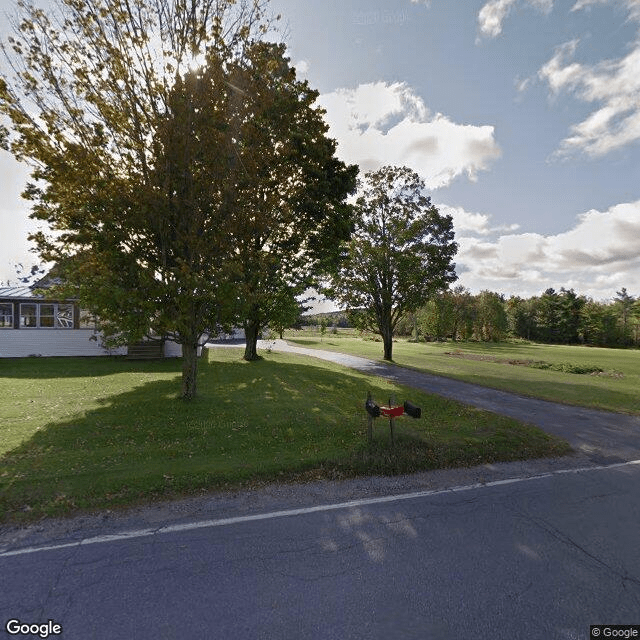
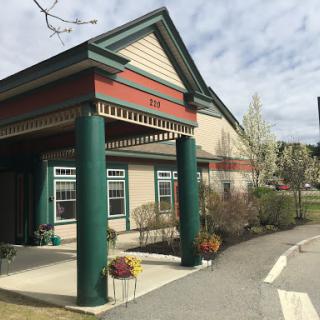
 The grounds themselves are not manicured.
- The landscaping is far from manicured.
- The family had to move their mother out due to advancing care needs.
Review
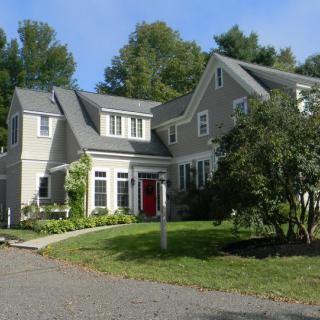
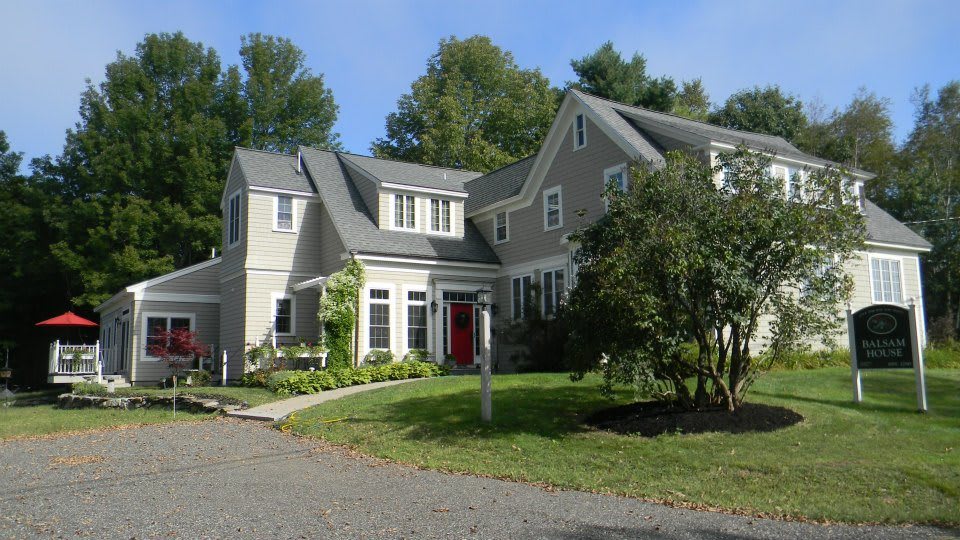
This community is best suited for families seeking a small, home-like assisted living where everyday life feels intimate rather than institutional. Balsam House in Readfield, Maine, accommodates a very limited number of residents, eight at present, with expansion planned to sixteen beds, preserving the feel of a private residence while gradually scaling up. The setting is rural and quietly tucked away, not a manicured campus, which appeals to those who want straightforward access to caregivers and a sense of daily normalcy. Each resident has a private room with a private bathroom and a large shower, aligning with a dignity-first approach to daily living. The kitchen delivers healthy, well-prepared meals, and the community even offers a garden in summer where residents can pick produce, adding meaningful, hands-on activity to the day.
Families that prioritize a bustling activity calendar, robust medical oversight, or a formal memory-care environment may want to consider alternatives. The facility’s small size means fewer concurrent programs and a lighter staffing footprint than larger communities, and the projected expansion to sixteen beds can bring change in availability or scope of services. For seniors who require intensive medical supervision, high-acuity therapies, or a campus with extensive on-site amenities, other options could provide more comprehensive resources. Readiness for a quieter pace and a high degree of personalization becomes crucial here.
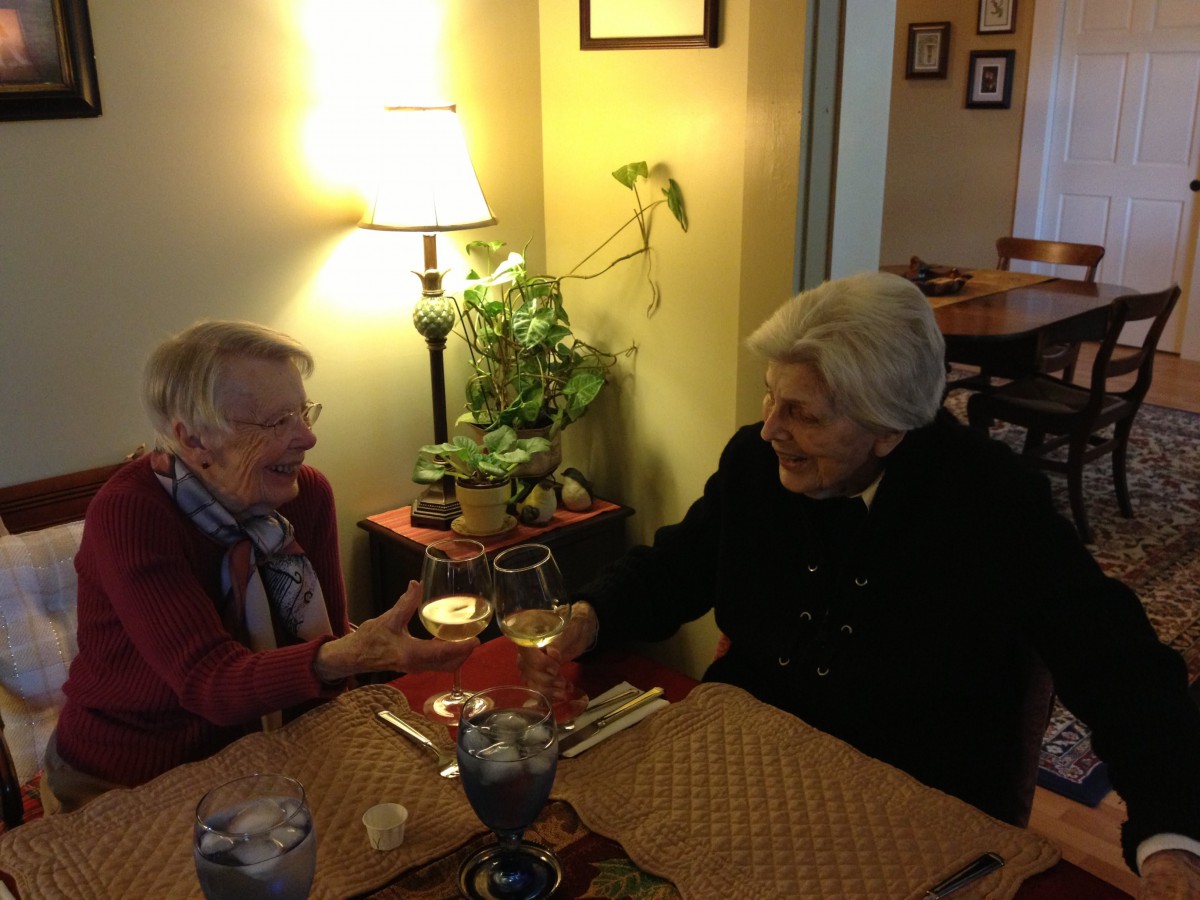
The strengths are compelling and realistically serve the right resident. The care team, led by two owners who are described as personable and detail-focused, creates a culture of professionalism without rigidity. The environment feels clean, warm, and decidedly homelike, avoiding the institutional feel that many families want to avoid. Food earns high praise for flavor and consistency, while the garden and seasonal outings give residents tangible ways to engage with the world beyond four walls. Even small touches, regular activities, a touch of social routine, and a “happy hour” vibe, help preserve dignity, choice, and social connection within a compact setting.
Operationally, safety and attentiveness are grounded in practical routines. The open-door policy makes family involvement natural and predictable, which eases anxiety for both residents and relatives. This approach also supports smooth daily visits and ongoing oversight, a critical factor for families who want to stay closely connected to care decisions. The owners and staff are described as highly attentive to medical issues and personal care needs, and the attention to matching residents with the right person strengthens trust and reduces friction. In short, the intimate model works because it is paired with strong, hands-on leadership and a consistent, patient-focused approach.
No overlooked benefits come without caveats. The small footprint can limit social options and the breadth of programming relative to larger communities, and bed space may feel provisional until the expansion completes. Landscaping is rural and unshowy, which may bother families seeking a more polished campus aesthetic. However, that rough-hewn charm is precisely what reinforces the sense of home and lowers the barrier to frequent family visits. The upside is that care remains highly personalized, requests are often addressed quickly, and residents are not lost in red tape or impersonality, an undeniable advantage for those who value meaningful daily routines and close caregiver relationships.
Bottom line: Balsam House stands out as a warm, clean, and carefully run option for older adults who prize a home-like atmosphere, strong personal attention, and genuine family accessibility. It is a natural fit for seniors who thrive in a quiet, rural setting and for families willing to trade the bustle of a larger campus for predictability, dignity, and direct caregiver relationships. Those seeking a bigger, more program-rich community with extensive medical support and ongoing memory-care options should consider alternatives. For the right resident, the combination of private rooms, excellent meals, garden-based activities, and an open-door culture makes Balsam House a compelling, practical choice worth pursuing.
 10 resident community capacity
 Assisted Living
 Board and Care Home
 Activities off-site
 Beautician on-site
 Cable or satellite TV
 Dining room
 Fully furnished
 Garden
 Housekeeping services
 Indoor common areas
 Move-in coordination
 Outdoor common areas
 Private
 Private bathrooms
 Respite or short term stays offered
 Telephone
 Wheelchair accessible showers
 Wi-Fi/high-speed internet available
 24-hour supervision
 Ambulatory care
 Assistance with bathing
 Assistance with dressing
 Assistance with transfers
 Diabetes diet
 Diabetic care
 High acuity care
 Incontinence care
 Meal preparation and service
 Medication management
 Special dietary restrictions
 Transportation arrangement (medical)
 Transportation to doctors appointments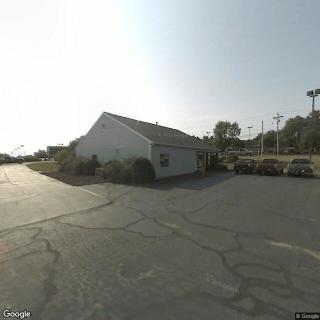
 Medicare Coverage for Assisted Living: An In-Depth Exploration
 Choosing the Right Senior Care: A Detailed Exploration of Assisted Living and Nursing Homes
 Understanding the True Cost of Assisted Living in 2025: A Comprehensive Guide