
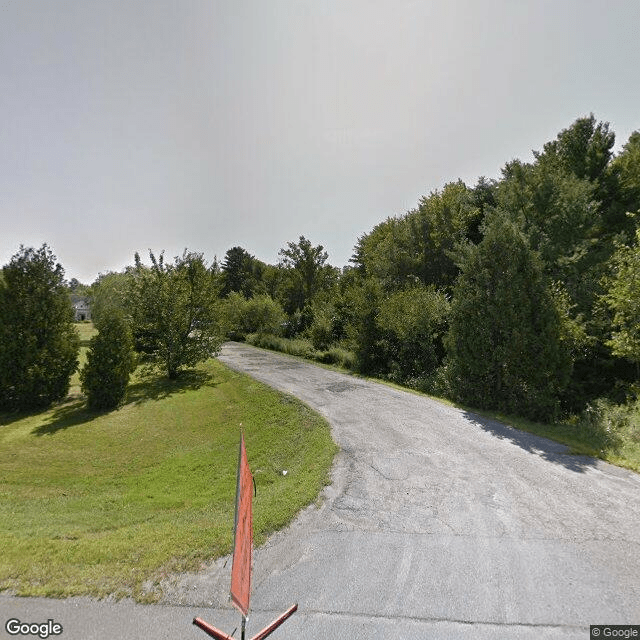
510 Augusta Rd, Winslow, ME 04901
To contact a resident: (207) 873-5979
For more information about senior living options: (866) 208-4318
Goudreau's Retirement Inn Costs & Pricing
At Goudreau's Retirement Inn, the cost for a studio apartment is set at $2,500 per month, which presents an attractive option compared to the broader market. In Kennebec County, the average monthly cost for similar accommodations reaches approximately $3,741, while the state of Maine sees even higher averages at around $4,889. This significant difference highlights Goudreau's Retirement Inn as not only a welcoming community for retirees but also a financially savvy choice for those seeking quality care and comfortable living without surpassing their budget. The competitive pricing reflects our commitment to providing exceptional service in a supportive environment, ensuring residents receive both value and peace of mind during their retirement years.
| Floor plans | Goudreau's Retirement Inn | Kennebec County | Maine |
|---|---|---|---|
| Studio | $2,500 | $3,741 | $4,889 |
Senior living communities with a similar price nearby
-
from +$95 / mo
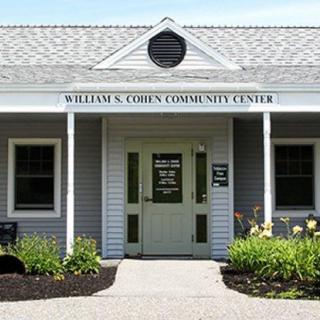
Cohen Community Center
$2,595 to $6,595 / month17.7 miles away -
from +$350 / mo

Elm Street House
$2,850 to $4,050 / month15.9 miles away
Overall Review of Goudreau's Retirement Inn
Pros
 The staff are great.
- They provide three meals a day.
- They do the residents' laundry once a week.
- They clean the living spaces each week.
- They make the beds and handle other chores.
- They take care of the residents and take care of everything.
- There is a chef on site who cooks meals.
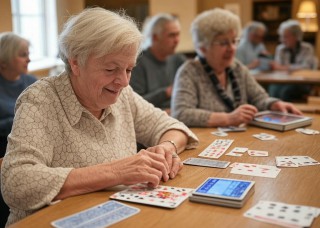
- They offer puzzles and various activities.
Review
Goudreau's Retirement Inn in Winslow, ME is best suited for seniors who want a high-touch, predictable living environment with dependable daily care. The community clearly serves residents who value a strong, attentive staff and a service package that covers the essentials: three chef-prepared meals each day, laundry service, and regular housekeeping to keep living spaces tidy. Beds are tended to, spaces are kept up, and there is a visible commitment to daily comfort. The presence of a dedicated chef and organized activities, puzzles and a broad slate of offerings, signals a culture focused on nourishment, routine, and engagement. In short, this is a setting built for those who prefer being cared for rather than navigating every need independently.
Those who may want to consider alternatives include residents who require advanced medical oversight, rehabilitation services, or specialized memory care, as well as individuals seeking broader off-site social opportunities and more diverse, outside-the-building programming. If independence means frequent, unstructured outings or a campus with more extensive clinical staff on site, other communities may fit better. Likewise, if budget sensitivity intersects with a desire for customizable service levels, families should compare offerings elsewhere to ensure the chosen path aligns with financial realities and care expectations.
From the available testimony, the core strengths are clear and compelling. A consistently described, attentive staff translates into reliable help with daily needs, safety, and timely reminders. Three meals a day, prepared on-site by a chef, remove meal-time decision fatigue and help ensure steady nutrition. Weekly laundry and regular housekeeping mean residents can enjoy clean, orderly spaces without lifting a finger, freeing time for puzzles and social interaction. This practical support compounds with meaningful activities to create a steady daily rhythm, which is a major offset for anyone prioritizing security and consistent routines. The overall care ecosystem makes it straightforward to feel that someone is watching over comfort and well-being.
Yet the limited information from a single review leaves questions about medical capabilities. The absence of specifics on nursing coverage, wound care, or rehabilitation makes it essential to verify whether the level of clinical support matches a resident’s needs. The social programming, puzzles and other activities, appears engaging, but it’s prudent to confirm there are enough options to sustain interest over time and accommodate varying energy levels. In a smaller town setting, access to outside services or rapid transportation to medical appointments could be a constraint, so families should confirm transportation policies and potential partnerships with local providers.
Cost and flexibility also drive the decision. When meals, laundry, and housekeeping are bundled into a single daily rate, budgeting becomes predictable, but there is less room to dial back services if finances tighten or if care needs evolve. Families should secure a clear itemized price, confirm what is included, and ask about options for adding or reducing service levels. The strength of comprehensive daily living support is a powerful asset for many families, yet it can become a constraint if the resident’s priorities shift toward greater independence or toward a more medicalized care plan.
Overall, Goudreau's Retirement Inn stands out for a senior who wants reliable, affectionate care embedded in a welcoming, activity-rich environment. The staff, meals, laundry, and housekeeping create a robust daily life that minimizes chores and maximizes safety and consistency. For families where routine, nutrition, and social engagement inside a snug community take precedence, this is a compelling match. However, if memory care, intensive medical oversight, or extensive off-site programming are essential, or if cost flexibility is a decisive factor, it is prudent to compare nearby options and schedule a visit to confirm fit. A candid discussion with the administrator about staffing levels, care plans, and sample menus will reveal whether this inn can truly adapt to evolving needs and preferences.
 Activities on-site
 Devotional services off-site
 Indoor common areas
 Ambulatory care
 Diabetic care
 Meals provided
 Exploring Nonmedical Home Care: Understanding Services, Costs, and Financial Approaches
 Engaging Brain Games and Innovative Apps to Keep Senior Minds Active
 Effective Strategies for Keeping Seniors' Minds Active: A Deep Dive into Brain Games and Apps