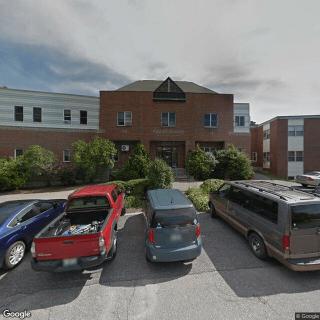
83 Water St, Waterville, ME 04901
For more information about senior living options: (844) 490-3973
Mount Saint Joseph Rehab elicits a broad spectrum of experiences, with many reviewers raving about the caregiving spirit and others voicing serious concerns about safety, communication, and consistency. A recurring thread among the most positive accounts is the depth of compassion and attentiveness from staff. Families describe a facility where staff go to great lengths to accommodate disabilities, keep residents clean and well-groomed, and fill days with meaningful activities. One reviewer celebrated how their brother, who uses a wheelchair, receives thoughtful care and respect, noting a social worker who advocates effectively, an NP who addresses health needs promptly, and nurses and CNAs who genuinely try to lift the resident's mood - often setting his favored rock music to ease anxiety and bring joy. For many families, the environment feels safe and dignified, with residents described as seen, heard, and valued. The sentiment is uplifted by anecdotes about clean rooms, friendly greetings, and a culture that sometimes feels like a welcoming community rather than a sterile institution.
Several reviews underscore the positive impact of changes and ongoing improvements. Commenters repeatedly mention new plants and other renovations that brighten the atmosphere, alongside statements that "top notch care" is being delivered by a dedicated team. The staff are praised as friendly, respectful, and professional, with many notes about the facility being one of the cleanest they've seen and about staff who genuinely care about residents as if they were family. There are strong affirmations that the care model is person-centered, with residents engaged in activities and families feeling reassured by the level of attentiveness they observe during visits. The tone of these accounts is often celebratory, and some reviewers explicitly credit recent leadership or staff efforts for steering the facility back toward its former, more compassionate standards.
Yet the picture is not uniformly glowing. A number of reviews acknowledge serious concerns about care quality, understaffing, and communication gaps. Some residents or family members recount experiences that felt rude, dismissive, or uncaring, with others describing the overall atmosphere as tense or deteriorating. One reviewer contrasted their positive encounters with a broader sense that a portion of the staff can be abrupt or unhelpful, making it hard to feel consistently supported. Understaffing is mentioned as a persistent issue in several accounts, contributing to problems like cold meals, missed appointments, and limited timely responses to needs. In these voices, the facility can be a place of genuine kindness on some days and frustration on others, depending on who is on shift and what resources are available.
Management and organizational changes feature prominently in some of the more critical reviews. A recurring theme is the shift from a Catholic legacy toward acquisition-driven leadership, with at least one reviewer expressing disillusionment that monetary and corporate priorities seem to eclipse patient care. Complaints include reported inconsistencies in treatment plans, a perception that decisions are not made in close consultation with family and primary care teams, and a sense that staffing decisions - such as hiring and retention - impact the level of care residents receive. There are emphatic claims that some leaders proclaim improvements while simultaneously cutting positions or changing processes in ways that undermine care quality. For these reviewers, the financial and administrative dynamics appear to have a direct, negative effect on residents' daily experiences and safety.
Specific, troubling incidents are described in several accounts, painting a portrait of potential risk to resident well-being. Messages speak of late or missing medications, inadequate nutrition, and even cases of pressure ulcers and soiled bedding. One reviewer alleges a doctor's decisions without family notification and debates about medication changes that were not properly communicated, leading to significant weight loss in a short period. There are also accusations of poor infection control, including a case of scabies, and broad concerns about a "skeleton crew" that cannot meet basic medical and daily living needs. A prominent administrator is named in one account as boasting about recent "improvements" while the reviewer points to hospital-worthy consequences, like neglectful care and a cascade of staffing issues.
Another thread relates to accessibility and communication with families. A reviewer recounts multiple failed attempts to coordinate a Zoom call with a grandmother resident, describing repeated reschedules and "technical difficulties" that left family members frustrated and disconnected. This event, while isolated in itself, echoes other concerns about timely updates and transparent communication with families regarding care plans and changes in treatment. Taken together, these reports suggest that while some families experience warm, attentive care, others face barriers to staying connected with loved ones and understanding what is happening with their health and daily routines.
In sum, Mount Saint Joseph Rehab emerges as a place of dual realities. On one hand, there are abundant testimonials to extraordinary compassion, respect, and bedside care, with staff who dedicate themselves to making residents feel valued and to helping them thrive. On the other hand, there are pointed critiques about staffing shortages, communication gaps, medical management, and safety concerns that cannot be ignored. The stories hint at a facility in flux - where pockets of excellence and deeply caring practice exist alongside systemic challenges that threaten consistent, safe care. For families weighing a future stay, the message is clear: the environment may be uplifting and restorative, but it is essential to look closely at staffing levels, review the latest care practices, and engage actively with the care team to ensure that the day-to-day experience aligns with the high bar set by the most heartfelt testimonials.
Riverview Manor is an assisted living community located in the quiet town of Waterville, Maine. Situated in a peaceful and scenic area, residents can enjoy the serenity of nature while still having convenient access to various amenities and services.
For those who appreciate good food and socializing, there are two cafes nearby where residents can gather for a cup of coffee or a light meal. The community also benefits from being close to 26 restaurants, providing plenty of dining options to suit different tastes and preferences.
Nature enthusiasts will delight in the proximity to two parks, offering opportunities for leisurely strolls, picnics, and enjoying the fresh air. These green spaces provide a tranquil environment for residents to relax and connect with nature.
Healthcare needs are well-served in this area, with 11 pharmacies available within easy reach. This ensures that residents have convenient access to their medications and any other health-related supplies they may require. Additionally, there are 34 physicians nearby, guaranteeing prompt medical attention whenever necessary.
Transportation options abound with seven different transportation services nearby. This makes it easy for residents to visit local attractions, run errands, or simply explore the surrounding area at their own pace.
For individuals seeking spiritual fulfillment or connection with their faith community, there are twelve places of worship situated close by. Residents can find solace and engage in religious activities without having to travel far from home.
Lastly, the well-being and safety of residents are paramount at Riverview Manor. With six hospitals in close proximity, immediate medical care is readily available should an emergency arise.
Overall, Riverview Manor offers a peaceful assisted living community with various amenities that cater to both residents' needs for comfort and convenience. Combining serene surroundings with convenient access to healthcare services and diverse dining options makes this an ideal choice for individuals seeking a fulfilling retirement lifestyle in Waterville, Maine.
Riverview Manor is located at 83 Water St, Waterville, ME 04901 in Kennebec County, Maine
Muskie Community Center
Waterville, ME
Comprehensive on-site care (24/7 supervision, ADL assistance, medication management) with multiple dining options and housekeeping.
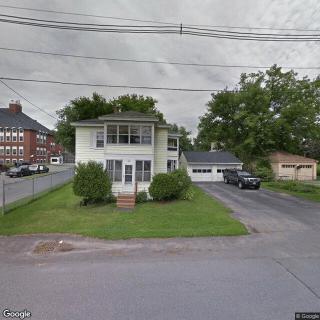
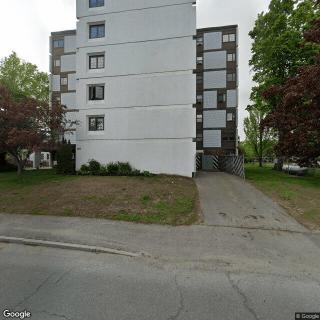
Muskie Community Center reviews
Muskie Community Center images
Maine Homecare Partners
Winslow, ME
Excellent access to nearby amenities and healthcare.
Maine Homecare Partners reviews
Maine Homecare Partners images
Goudreau's Retirement Inn
Winslow, ME
Dedicated staff, delicious meals, and convenient on-site amenities.
Goudreau's Retirement Inn costs
Goudreau's Retirement Inn reviews
Goudreau's Retirement Inn images
Lakewood A Continuing Care Center
Waterville, ME
Caring staff, clean facilities, engaging activities, and quality dining.
Lakewood A Continuing Care Center reviews
Lakewood A Continuing Care Center images
Mount St Joseph Nursing Home
Waterville, ME
Friendly, respectful staff with attentive care.
Mount St Joseph Nursing Home reviews
Mount St Joseph Nursing Home images
Navigating Medicare Coverage for In-Home Care Services

Medicare covers in-home health care services, which are medical and provided by licensed professionals under a physician's supervision, whereas non-medical personal assistance is generally not covered unless part of a broader skilled care plan. Eligibility for benefits depends on being homebound and needing intermittent skilled services from a Medicare-certified agency, with specific coverage limitations and additional resources available for navigating options.
In-Home Care Costs in 2025: A Detailed State-by-State Exploration

In-home care is increasingly sought after by older adults for maintaining independence, with average private home care rates in 2025 varying by state and service type, reflecting geographical and local labor market influences. As demand rises, families are considering funding options like Medicaid waivers and long-term care insurance to manage costs effectively while ensuring quality care.
Understanding Home Health Care: A Comprehensive Guide
Home health care has become essential for supporting independence among the aging population, offering diverse services such as skilled nursing and rehabilitation in familiar environments, while also incorporating technology for personalized care. Despite its benefits, including improved recovery rates and emotional well-being, challenges like safety, staff availability, and insurance navigation must be managed for effective implementation.