



Ridgecrest Community Care Center

Save

  • Interior

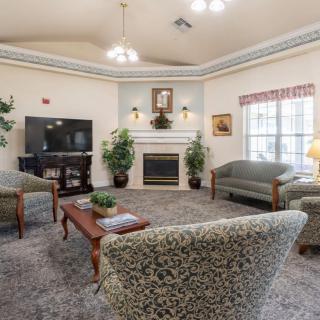
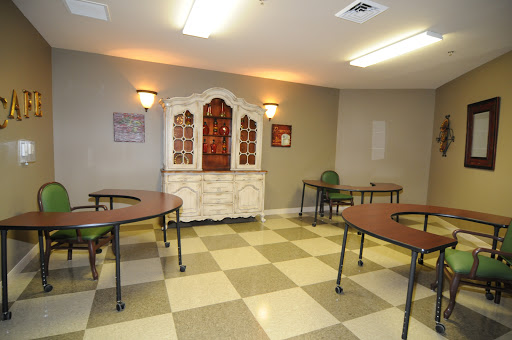
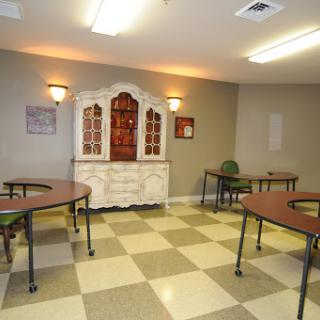
    A spacious interior room featuring tables and chairs with a decorative cabinet in the background.
  • Outdoors

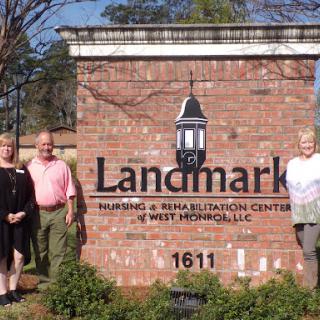
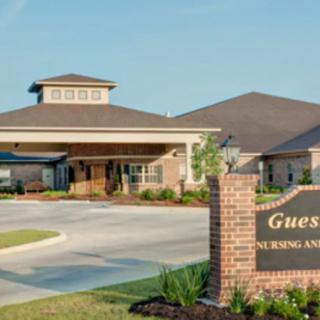
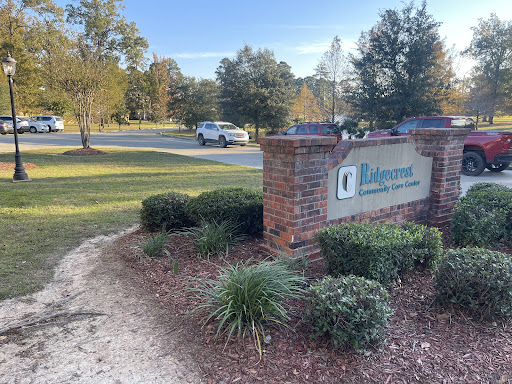
    A welcoming entry sign for a community, surrounded by lush greenery and a clear sky.
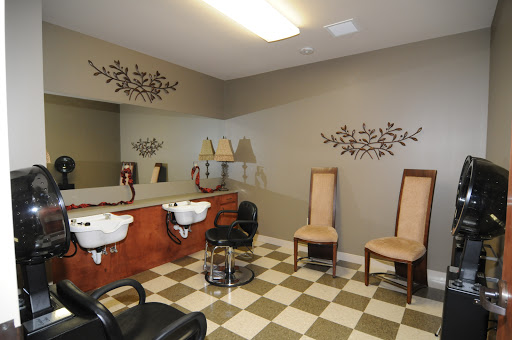
  • Decor

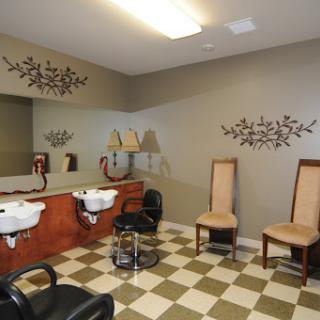
    A stylish and well-organized hair salon interior featuring hair washing stations and comfortable seating.
  • Building

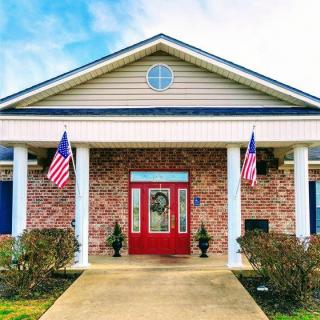
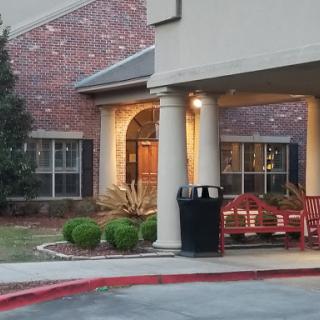
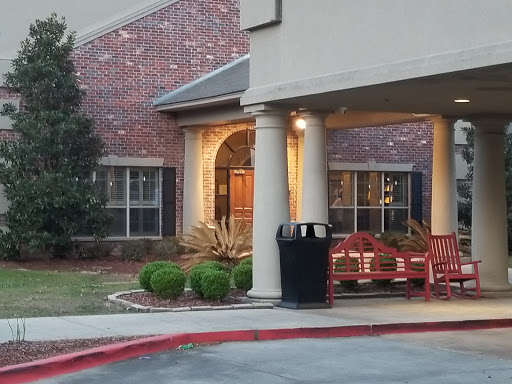
    The welcoming entrance of a building featuring outdoor seating and well-kept landscaping.
  • Trees

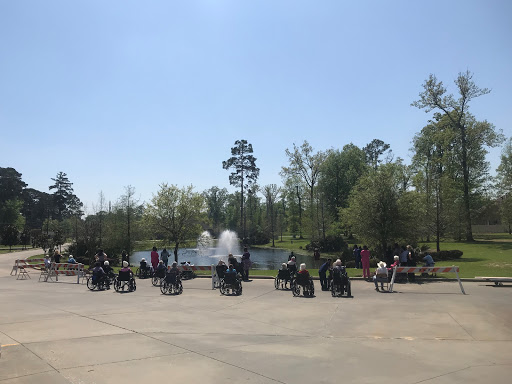
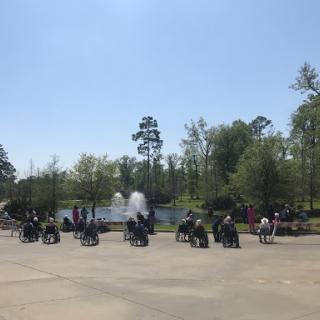
    A serene park scene with people in wheelchairs enjoying the sunny day by a pond with a fountain.
  • Landscaping

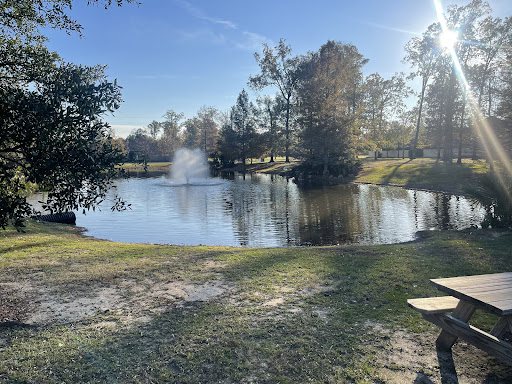
    A peaceful park scene featuring a lake surrounded by trees under a clear blue sky.
  • Nature

    A peaceful view of a pond surrounded by trees, with sunlight reflecting off the water.
  • Healthcare

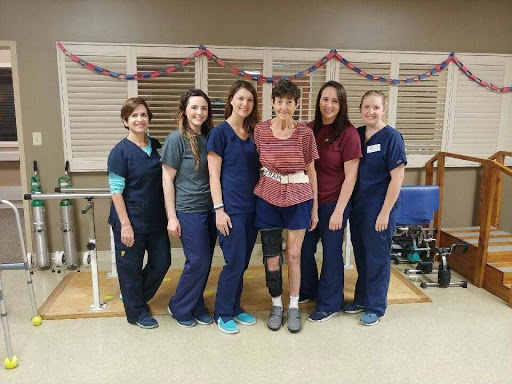
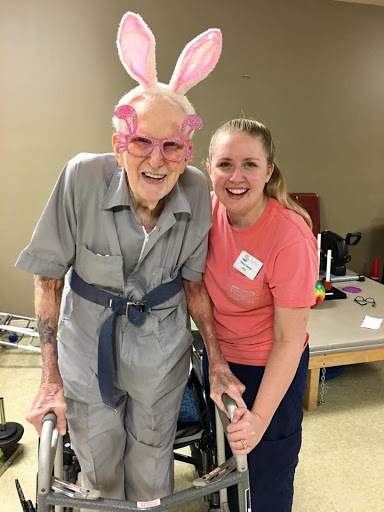
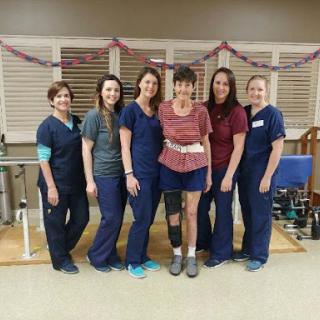
    A dedicated team of healthcare professionals posing with a patient during rehabilitation.
  • Wheelchair

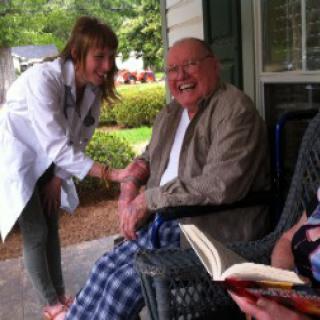
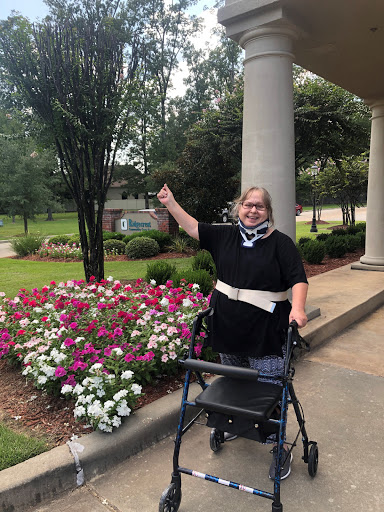
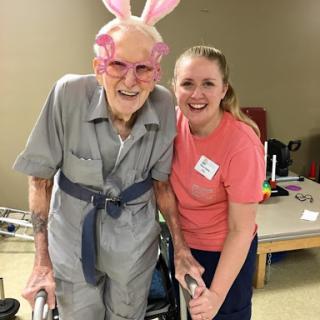
    A joyful moment shared between an elderly resident and a caregiver, celebrating with bunny ears.

Ridgecrest Community Care Center

1616 Wellerman Road, West Monroe, LA 71291

For more information about senior living options: (844) 490-3973

3.1 from 25 reviews
5 stars
12
4 stars
0
3 stars
2
2 stars
1
1 stars
10

Skilled Nursing Facility

What level of care are you interested in?

Assisted Living

Memory Care

Independent Living

Skilled Nursing Facility

Continuing Care Retirement Community (CCRC)CCRC

Other


Request a tour at Ridgecrest Community Care Center

    Overall Review of Ridgecrest Community Care Center

    Pros

    • pro The setting for the facility is absolutely beautiful, with residents enjoying the outdoors.
    • pro The staff were friendly, helpful, and seemed happy to be working there.
    • pro A nurse had been with Ridgecrest for seven years, signaling stability and quality care.
    • pro From the front desk to housekeeping, all staff made the family feel blessed that their loved one was in good hands.
    • pro The staff feel like family; loved ones are well taken care of and cared for by all.
    • pro The care provided gave the family peace of mind and eased the transition.
    • pro The staff guided families through everything and were highly recommended for compassionate care.
    • pro The nurses and CNAs were attentive, contributing to positive outcomes.

    Cons

    • pro The staff do not care about residents and ignore patients, and residents never see the doctor.
    • pro The facility is described as inexperienced and uncaring, with claims it almost killed the mother.
    • pro The medical notes are said to be poor, leaving staff unable to verify what the previous provider did.
    • pro The nurses allegedly took the mother off feeding and water for two days, causing dehydration and a UTI.
    • pro CNAs argued in front of the resident, causing her to shut down and feel unsafe staying there.
    • pro The rehab stay lasted three weeks and showed no progress.
    • pro The administrator and director of nurses are accused of failing to do their jobs.
    • pro The facility is described as always short-staffed and with undertrained CNAs.
    • pro The food is described as horrible.
    • pro Bed bugs were present in the patient's bed.

    Review

    Ridgecrest Community Care Center stands out in the memories of many families for two very different reasons. On one hand, the campus leaves a strong first impression: well-kept grounds, a tranquil setting with residents outdoors in the sun, a pond with activity around it, and a building that many describe as clean and tastefully designed. Some visitors walked in feeling hopeful, touched by what looked like a welcoming environment and by the impression that there was a genuine sense of care among the staff. They described a reception that felt warm, conversations with nurses and aides that seemed patient and friendly, and a belief that their loved ones would be treated with kindness. For these families, Ridgecrest represented the kind of place where staff feel like family, where activities are planned, and where daily life inside the facility could still feel uplifting.

    But behind the pleasing exterior, there were sharp and jarring contrasts voiced by others who had deeply troubling experiences. Several reviewers warned strongly against placing a loved one at Ridgecrest, describing the facility as inexperienced and uncaring, with consequences that they felt bordered on dangerous. They recounted frightening accounts of medical oversight issues: claims that previous medical notes were inadequately documented or not accessible to current caregivers, which led to confusion about a resident's status and treatment. One family alleged that their mother was deprived of food and water for two days, resulting in dehydration and a urinary tract infection that the staff reportedly denied having, followed by a setback and another stroke. They saw this as direct evidence of a broken medical team and poor continuity of care, with the implication that the patient's health risks were being mishandled rather than managed.

    Complicating the picture further were interpersonal dynamics among the CNAs and other staff. One reviewer described a situation in which CNAs seemed more interested in waiting for a particular coworker rather than tending to their patient, even arguing in front of the resident. The account suggested a climate where the patient could feel exposed and uncomfortable, and where essential daily tasks like bathing might be delayed or mishandled due to disagreements or scheduling gaps. Another effect noted was a lack of progress during Skilled Nursing Rehab; a resident was there for three weeks and, in the reviewer's view, did not improve. Taken together, these reports painted a portrait of nights-and-days difference in care quality depending on who was on shift, raising questions about consistency, staff training, and supervision.

    Amid the more alarming claims, there are other voices that counter these concerns with emphatic praise. A visiting family from Kansas described the facility as visually impressive, with a calm and clean atmosphere that set a positive backdrop for a loved one's rehab journey. They highlighted a sense of pride among staff, including a nurse who had been with Ridgecrest for seven years, which they interpreted as a sign of stable, committed care. They felt supported by every department - front desk, admissions, nursing, therapy, business office, and housekeeping - and expressed gratitude for the way the staff made them feel blessed that their loved one was in Ridgecrest's care. In their view, the staff were not only kind but consistently attentive, proactive about communication, and focused on keeping families informed about activities and daily life.

    From this same thread of positive testimony, another reviewer emphasized the staff's warmth and the "family" atmosphere, noting that their loved one was well cared for and loved by the entire team. They appreciated being kept up to date about enjoyable activities and events, with the sense that the staff went beyond basic duties to create meaningful moments for residents. This ongoing appreciation extended to heartfelt thanks for the care received during a difficult transition, with statements like the care giving their family peace of mind and easing the transition into this new chapter of life.

    There are also expressions of robust, unequivocal support from other families who would recommend Ridgecrest, praising the facility for guiding them through the process, and the belief that staff care for residents as if they were their own. One review even described a scenario where caregivers helped a family through everything in a way that felt comprehensive and reassuring, reinforcing the notion that Ridgecrest could be a place of genuine, loving care when things were running smoothly. In contrast to the earlier concerns, these voices underscore how powerful and reassuring good communication, consistent staffing, and a visible commitment to resident well-being can feel to families during rehab and long-term stays.

    Yet the negative experiences cannot be dismissed or overshadowed by the brighter anecdotes. Across several reviews, the concerns cluster around staffing shortages and the quality of care. Commenters described chronic understaffing, with many pointing to younger CNAs who seemed to lack sufficient training, which they linked to lapses in care, subpar food, and longer-than-expected times for basic tasks. There were explicit accusations about bedbugs, a frightening health hazard for residents, and remarks about meds and meals being mishandled or delivered late. Some families reported that the night shift was slow to respond, with residents calling out for help for extended periods and care tasks like diaper changes taking hours. There were also reports that the night staff were distracted, often on the phone or resting in the lobby, which would understandably cause anxiety for families worried about their loved ones' safety during vulnerable hours.

    Some reviews delved into more personal and upsetting incidents: findings of yellings at residents, concerns over food quality described as horrible, and isolated comments about inappropriate or neglectful behavior. A few accounts referenced the loss or misplacement of medications, delays in financial matters like checks owed to a resident after a death, and even a prior bed-wide health concern that raised questions about infection control and overall safety standards. One reviewer specifically claimed that a bed was assigned to another patient who was long-term, a misstep that spoke to potential systemic disorganization. The collection of such experiences points to serious, ongoing worries about the facility's operations, particularly in the hands of an understaffed and sometimes poorly supervised nursing team.

    Taken as a whole, the body of reviews presents a facility that evokes two starkly different experiences. For some families, Ridgecrest Community Care Center feels like a place where care, compassion, and communication are palpable - where staff genuinely seem to care, residents stay engaged, and families feel informed and supported. For others, the facility represents a beacon of caution: alarms around medical management, inadequate staffing, safety hazards, and a sense that resident well-being is compromised in the push to meet daily demands. The juxtaposition is striking - what seems possible to accomplish in one account, it seems to struggle with in another - and it leaves potential families weighing both the strength of a compassionate team on good days against the vulnerability of inconsistent care on tougher shifts.

    For anyone evaluating Ridgecrest or a similar facility, the range of experiences here suggests a careful, multipronged approach. Consider meeting with the administration to discuss staffing levels, care plans, and how medical notes are shared across shifts. Ask to speak with current residents and their families about day-to-day routines, and request a tour of both the rehab and long-term care areas at different times of day. Look into state inspection records and complaint histories, and verify how the facility handles urgent medical concerns, medication administration, and infection control. In environments where sentiment runs from deeply positive to alarmingly negative, the best course often involves gathering diverse, firsthand perspectives, verifying practices, and ensuring that family members feel they would be supported and listened to as part of the care team.

    Features

    Housing

    • 112 resident community capacity 112 resident community capacity

    Types of Care

    • Skilled Nursing Facility Skilled Nursing FacilitySkilled Nursing Facilities are crucial for seniors as they provide round-the-clock medical care, rehabilitation services, and assistance with daily activities. These facilities ensure that seniors receive the specialized care they need to maintain their health and well-being as they age.

    Amenities

    • Air-conditioning Air-conditioningAir conditioning is important for seniors as they are more vulnerable to heat-related illnesses and may have underlying health conditions that make it difficult for them to regulate their body temperature. It helps to keep them comfortable, safe, and healthy in hot weather.
    • Beauty salon Beauty salonBeauty salons are important for seniors because they provide a space for them to feel pampered, socialize, and maintain their personal grooming and hygiene. Regular visits to a beauty salon can help boost seniors' self-esteem and overall well-being.
    • Cable or satellite TV Cable or satellite TVCable or satellite TV is important for seniors because it provides entertainment, news, and companionship, helping to combat loneliness and boredom. It also offers a wide range of programming options tailored to different interests and preferences.
    • Computer center Computer centerA computer center is essential for seniors as it provides access to technology, communication tools, and resources that can enhance their daily lives. It allows them to stay connected with loved ones, engage in online activities, and learn new skills, ultimately promoting socialization and mental stimulation.
    • Dining room Dining roomDining rooms are important for seniors as they provide a space for socialization, connection, and nutritious meals. They offer opportunities for residents to bond over shared meals, foster a sense of community, and promote healthy eating habits. Dining rooms also ensure that seniors have access to well-balanced meals tailored to their dietary needs and preferences.
    • Fitness room Fitness roomHaving a fitness room in a senior living community is essential for seniors to stay active, maintain their physical health, and improve their overall well-being. Regular exercise can help prevent falls, reduce the risk of chronic diseases, and promote mental sharpness. It also provides social opportunities for residents to connect with others and enjoy a sense of community.
    • Fully furnished Fully furnishedFully furnished senior living communities are important for seniors because they provide convenience, comfort, and a hassle-free moving experience. Seniors can easily settle into their new living space without the stress of having to buy and move furniture. This allows them to focus on enjoying their new home and community.
    • Gaming room Gaming roomGaming rooms are important for seniors as they provide a fun and engaging environment for socializing, cognitive stimulation, and physical activity. Games can improve memory, problem-solving skills, and overall mental well-being while fostering friendships and reducing feelings of isolation.
    • Garden GardenGardens are important for seniors as they provide a peaceful and therapeutic environment for relaxation, physical activity, and socialization. Being in nature has been shown to reduce stress, improve mood, and promote overall well-being. Gardens also offer opportunities for seniors to engage in gardening activities, which can improve mobility, flexibility, and cognitive function. Additionally, gardens create a sense of community and connection with others who share a passion for plants and outdoor spaces.
    • Housekeeping services Housekeeping servicesHousekeeping services are important for seniors because they help maintain a clean and safe living environment, promote independence, and reduce the risk of accidents or illnesses. Additionally, having assistance with household chores can alleviate physical strain and allow seniors to focus on other aspects of their well-being.
    • Kitchenette KitchenetteKitchenettes are important for seniors living in senior living communities because they provide the convenience and independence of being able to prepare simple meals and snacks in the comfort of their own living space. This can help promote a sense of autonomy and well-being for seniors, allowing them to maintain some level of control over their dietary choices and daily routines.
    • Move-in coordination Move-in coordinationMove-in coordination is important for seniors because it helps ease the transition into their new living environment. It ensures that all logistics, such as packing, organizing movers, and setting up utilities are taken care of, allowing seniors to focus on settling in and adjusting to their new home. Having a smooth move-in process can alleviate stress and anxiety, making the transition smoother and more enjoyable for seniors.
    • Outdoor space Outdoor spaceOutdoor spaces are important for seniors as they provide opportunities for physical activity, social interaction, exposure to natural light and fresh air, and a sense of connection to nature. Having access to outdoor spaces can improve overall well-being and quality of life for older adults living in senior communities.
    • Private bathrooms Private bathroomsPrivate bathrooms are important for seniors in senior living communities because they provide independence, dignity, and comfort. Having a private bathroom allows seniors to maintain their personal hygiene routines without the need for assistance, promoting a sense of autonomy and privacy. Additionally, private bathrooms help prevent the spread of infections and provide a safe and clean environment for seniors to navigate safely.
    • Restaurant-style dining Restaurant-style diningRestaurant-style dining is important for seniors because it allows them to enjoy delicious, nutritious meals in a social and upscale setting. This enhances their dining experience, promotes healthy eating habits, and fosters socialization with fellow residents, ultimately contributing to their overall well-being and quality of life.
    • Small library Small librarySmall libraries are important for seniors as they provide access to a variety of reading materials, including books, newspapers, and magazines. This can help stimulate their minds, keep them engaged, and provide a sense of community through book clubs and other social activities. Additionally, reading has been shown to improve cognitive function and overall mental well-being in older adults.
    • Telephone TelephoneTelephones are important for seniors as they provide a lifeline for communication with loved ones, emergency services, and healthcare providers. They offer a sense of security and independence, enabling seniors to stay connected and access assistance when needed.
    • Wellness center Wellness centerWellness centers are important for seniors because they offer a variety of programs and services that promote physical, mental, and emotional well-being. These centers provide opportunities for exercise, socialization, education, and relaxation, helping seniors maintain their overall health and quality of life.
    • Wi-Fi/high-speed internet available Wi-Fi/high-speed internet availableWi-Fi/high-speed internet is important for seniors to stay connected with loved ones, access online resources, and participate in virtual activities to combat feelings of loneliness and isolation. It also allows them to easily manage healthcare needs, access entertainment, and engage in lifelong learning opportunities.

    Transportation

    • Monroe Regional (8 miles away) Monroe Regional (8 miles away)
    • Community operated transportation Community operated transportationCommunity operated transportation is crucial for seniors as it provides them with the means to access essential services, social activities, and medical appointments. It allows seniors to maintain their independence and quality of life by ensuring they can participate in activities outside of their homes. Additionally, community-operated transportation services offer a safe and reliable way for seniors to travel without having to rely on family or friends for assistance.
    • Transportation arrangement Transportation arrangementTransportation arrangements are crucial for seniors as they may face challenges with driving, mobility, or access to public transportation. Having reliable transportation services ensures that seniors can easily attend appointments, social activities, and maintain their independence and quality of life.
    • Transportation arrangement (non-medical) Transportation arrangement (non-medical)Transportation arrangements are essential for seniors as they provide access to essential services, activities, and social interactions outside the home. This service helps maintain independence, mobility, and overall well-being for seniors who may have limited transportation options.
    • Transportation to doctors appointments Transportation to doctors appointmentsTransportation to doctors appointments is crucial for seniors as it ensures they have access to necessary medical care and support, promoting their health and well-being. It allows them to receive timely treatment, monitor existing conditions, and address any new health concerns efficiently. Additionally, transportation services can help seniors maintain their independence and quality of life by enabling them to stay connected with their healthcare providers.

    Care Services

    • 12-16 hour nursing 12-16 hour nursing12-16 hour nursing care is crucial for seniors in order to ensure around-the-clock monitoring, timely medication administration, and prompt response to any health concerns or emergencies. This level of care helps to promote the overall well-being and safety of seniors living in senior living communities.
    • 24-hour call system 24-hour call system24-hour call systems are important for seniors because they provide peace of mind and immediate assistance in case of emergencies. This technology ensures that help is always available, promoting safety and security for elderly individuals living alone or in assisted living facilities.
    • 24-hour supervision 24-hour supervision24-hour supervision is important for seniors to ensure their safety, well-being, and access to immediate assistance in case of emergencies or health issues. This constant support provides peace of mind for both seniors and their loved ones, allowing them to age in place with dignity and security.
    • Activities of daily living assistance Activities of daily living assistanceActivities of daily living assistance are important for seniors because they provide essential support with tasks such as eating, bathing, dressing, and mobility. This assistance helps seniors maintain their independence, dignity, and overall quality of life as they age.
    • Assistance with bathing Assistance with bathingAssistance with bathing is crucial for seniors as it helps maintain personal hygiene, prevents infections, and ensures their overall well-being and comfort. It also provides a sense of dignity and independence for seniors who may struggle with this task on their own.
    • Assistance with dressing Assistance with dressingAssistance with dressing is important for seniors because it helps maintain their independence, promotes personal hygiene, prevents accidents and injuries, and improves overall quality of life. This service ensures that seniors can continue to dress comfortably and confidently, despite any physical limitations they may have.
    • Assistance with transfers Assistance with transfersAssistance with transfers is crucial for seniors as it helps prevent falls and injuries, maintains their independence, and ensures they can safely navigate their living environment. It also provides peace of mind for both seniors and their loved ones.
    • Diabetes diet Diabetes dietA diabetes diet is crucial for seniors as it helps manage blood sugar levels, reduce risks of complications, and improve overall health and well-being. By following a balanced and nutritious diet tailored to their specific needs, seniors can better control their diabetes and enhance their quality of life.
    • Meal preparation and service Meal preparation and serviceMeal preparation and service are crucial for seniors as they may have limited mobility or energy to cook nutritious meals. Having access to healthy and convenient food options can ensure they are getting the proper nutrition needed to maintain their overall health and well-being.
    • Medication management Medication managementMedication management is crucial for seniors to ensure they are taking the right medications at the correct dosages and times. This helps prevent adverse drug interactions, reduces the risk of medication errors, and promotes overall health and well-being. Proactive management also allows for adjustments as needed based on changing health conditions or new prescriptions.
    • Mental wellness program Mental wellness programMental wellness programs are essential for seniors as they promote cognitive stimulation, emotional support, and social engagement. These programs help prevent isolation, depression, and cognitive decline, ultimately enhancing the overall quality of life for older adults.
    • Special dietary restrictions Special dietary restrictionsSpecial dietary restrictions are important for seniors because age-related changes in metabolism and health conditions can make it difficult for their bodies to process certain foods. By following a diet tailored to their specific needs, seniors can maintain their overall health and well-being, manage chronic conditions, and reduce the risk of complications such as malnutrition or food interactions with medications.

    Dining

    • Diabetes diet Diabetes dietA diabetes diet is crucial for seniors as it helps manage blood sugar levels, reduce risks of complications, and improve overall health and well-being. By following a balanced and nutritious diet tailored to their specific needs, seniors can better control their diabetes and enhance their quality of life.
    • Special dietary restrictions Special dietary restrictionsSpecial dietary restrictions are important for seniors because age-related changes in metabolism and health conditions can make it difficult for their bodies to process certain foods. By following a diet tailored to their specific needs, seniors can maintain their overall health and well-being, manage chronic conditions, and reduce the risk of complications such as malnutrition or food interactions with medications.

    Activities

    • Community-sponsored activities Community-sponsored activitiesCommunity-sponsored activities are important for seniors as they provide opportunities for social interaction, mental stimulation, and physical activity. These activities can help improve overall well-being, combat loneliness and isolation, and promote a sense of belonging and purpose among older adults.
    • Concierge services Concierge servicesConcierge services are essential for seniors as they provide assistance with daily tasks and errands, enhance their quality of life by offering convenience and personalized care, and promote a sense of safety and security.
    • Fitness programs Fitness programsFitness programs are crucial for seniors as they help improve strength, flexibility, balance, and overall well-being. Staying active can reduce the risk of chronic diseases, improve mental health, and enhance quality of life in older adults.
    • Planned day trips Planned day tripsPlanned day trips are important for seniors because they offer opportunities for socialization, mental stimulation, and physical activity. They provide a change of scenery and help seniors stay engaged and connected to their community, promoting overall well-being and quality of life.
    • Resident-run activities Resident-run activitiesResident-run activities are important for seniors as they encourage social interaction, creativity, and a sense of autonomy. These activities empower seniors to stay engaged and active in their community while fostering meaningful connections with their peers.
    • Scheduled daily activities Scheduled daily activitiesScheduled daily activities are important for seniors because they provide structure, socialization, mental stimulation, and physical activity. Engaging in regular activities can improve overall well-being and quality of life for seniors living in a community setting.

    Description

    Ridgecrest Community Care Center in West Monroe, LA is a vibrant and comfortable assisted living community that offers a wide range of amenities and care services to enhance the quality of life for its residents. With a focus on providing personalized care and promoting independence, Ridgecrest strives to create a welcoming and supportive environment for seniors.

    The community boasts an array of amenities to cater to different interests and needs. Residents can enjoy visits to the beauty salon for haircuts or styling, relax in the garden or outdoor spaces, or spend time in the gaming room or small library for entertainment. For those who prefer physical activities, there is a fitness room available as well as planned fitness programs to keep residents active and healthy. Wi-Fi/high-speed internet access ensures that residents can stay connected with loved ones.

    Dining at Ridgecrest is a delightful experience with restaurant-style dining offering delicious meals prepared by professional chefs. Special dietary restrictions are accommodated to ensure that each resident's nutritional needs are met.

    Care services at Ridgecrest include 24-hour supervision and assistance with activities of daily living such as bathing, dressing, and transfers. The dedicated staff also provides medication management to ensure proper administration. A mental wellness program is in place to promote cognitive health while transportation arrangements facilitate non-medical trips as well as transportation to doctors' appointments.

    A variety of engaging activities are organized daily for residents' enjoyment, including concierge services, scheduled daily activities, fitness programs, planned day trips, and resident-run activities. This allows individuals to socialize with their peers and participate in activities tailored to their interests.

    Located conveniently near several cafes, pharmacies, physicians' offices, restaurants, places of worship, and hospitals; Ridgecrest ensures easy access to essential services and amenities within the surrounding community.

    Overall, Ridgecrest Community Care Center in West Monroe, LA fosters an inclusive atmosphere where seniors receive personalized care while enjoying a plethora of amenities and engaging activities designed to enhance their overall well-being and independence.

    Nearby Places of Interest

    Restaurants

    • Johnny's Pizza House (0.3 miles)
    • El Jarrito Mexican Grill (0.7 miles)
    • Captain D's (1 miles)
    • Sonic Drive-In (1 miles)
    • McDonald's (1.1 miles)
    • Little Caesars Pizza (1.1 miles)
    • Raising Cane's Chicken Fingers (1.1 miles)

    Hospitals

    • Saint Francis Medical Center (0.6 miles)
    • Allegiance Health Management (0.9 miles)
    • Ouachita Community Hospital (2 miles)
    • Cornerstone Center For Healing Clinic (2.4 miles)
    • St Francis Specialty Hospital (3.6 miles)
    • St Francis Mdeical Center (3.6 miles)
    • Blue Cross Blue Shield Of Louisiana (4.4 miles)

    Pharmacies

    • CVS Pharmacy (0.7 miles)
    • Brookshire's (0.8 miles)
    • Walgreens (0.8 miles)
    • Super 1 Foods (1.2 miles)
    • Walmart Pharmacy (1.3 miles)
    • Walgreens (1.7 miles)
    • Healthcare Warehouse (1.7 miles)

    Cafes

    • Daily Press (1.1 miles)
    • Starbucks (2.9 miles)
    • CC's Coffee House (3.8 miles)

    Physicians

    • Woman's Clinic (1.1 miles)
    • WM Women's Clinic (1.1 miles)
    • Leslie Robin Coffman (1.1 miles)
    • Orthopaedic Clinic of North Louisiana (1.2 miles)
    • Acadian Hearing & Balance Center (1.2 miles)
    • Warren Attwood Daniel (1.2 miles)
    • Specialty Imaging (1.2 miles)

    Places of Worship

    • TheTable (1.2 miles)
    • Community Baptist Church (1.8 miles)
    • Fair Park Baptist Church (1.8 miles)
    • Pentecostals of the Twin Cities (1.9 miles)
    • First United Methodist Church (2.2 miles)
    • Progressive Baptist Church (3.3 miles)
    • Forsythe Avenue Christ of Christ (3.3 miles)

    Frequently Asked Questions

    Where is Ridgecrest Community Care Center?
    What photos are available for Ridgecrest Community Care Center in West Monroe, Louisiana?

    Nearby Communities

    Skilled Nursing Facility in Nearby Cities

    Related Resources

    • palliative care at homeExploring Palliative Care in the Home: A Comprehensive Overview

      Palliative care enhances the quality of life for seriously ill patients by providing comprehensive support at home through a multidisciplinary team, addressing various needs and prioritizing comfort over curative treatments. While it offers personalized care and involves family in decision-making, challenges like caregiver stress and logistical issues persist, with growing demand prompting advancements in technology and healthcare policies to improve access.

    • palliative care at homeComprehensive Insights into Palliative Home Care: What It Is and What to Expect

      Palliative home care focuses on improving the quality of life for individuals with serious illnesses by providing comfort, symptom management, and emotional support in their own homes. This approach includes personalized care plans, regular assessments, and resources for family caregivers, all while prioritizing person-centered treatment that aligns with patients' goals.

    • skilled nursing facility vs nursing homeSkilled Nursing Facilities vs. Nursing Homes: Making Sense of the Differences
      Skilled nursing facilities (SNFs) provide high-level medical care and rehabilitation for short-term recovery, typically covered by Medicare after hospitalization, while nursing homes focus on ongoing custodial care for chronic conditions, mainly funded by Medicaid or private payments. The staffing and regulatory structures differ significantly between the two, necessitating clarity for families in choosing appropriate long-term care options.


    Get Pricing Ask A Question Schedule A Tour Contact Senior Advisor