
308 Norris Lane, West Monroe, LA 71291
For more information about senior living options: (866) 208-4318
Overall Review of Stoney Brook
Pros
 StoneyBrook is a great place for loved ones to be cared for with peace of mind.
- The owners go above and beyond to provide the best care and communication.
- The staff are consistently kind and provide care and comfort.
- Families would highly recommend StoneyBrook.
- The staff and environment provide exceptional one-on-one care and attention.
- The staff cares and understands the disease process affecting residents.
- The facility has a phenomenal activities director who is amazing with everyone.
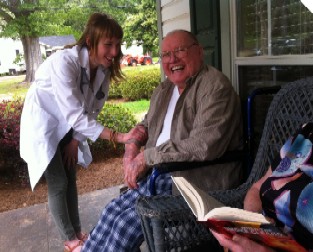
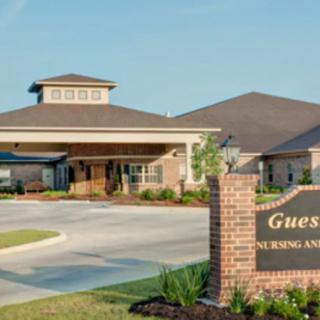
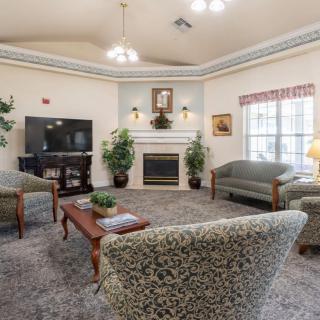
- The facility is clean, comfortable, and feels like home.
- The outdoor areas are pleasant and allow outdoor time when weather permits.
- StoneyBrook Memory Care is a home away from home with nurturing family love.
- The care is tailored to residents, showing compassion not found in larger facilities.
- The facility offers inclusive activities and meaningful engagement for all abilities.
Review
Stoney Brook Memory Care in West Monroe is best suited for families seeking a small, family‑owned setting where memory‑care residents receive highly individualized attention in a warm, home‑like environment. This community excels for seniors who benefit from one‑on‑one engagement, consistent staff presence, and a nurturing atmosphere that feels less institutional and more like a caring home. It is especially compelling for families navigating dementia or Alzheimer's care who want frequent, meaningful interaction, clear updates, and a staff team that treats residents like family members rather than a number on a roster.
Families should know that alternatives exist for those prioritizing a larger footprint, broader clinical resources, or a more expansive continuum of care. If the aim is a facility with a more extensive medical infrastructure, multiple campuses, or a more corporate operating model, other options may suit better. Stoney Brook’s strength lies in intimate, attentive care, and while that is its calling card, it may not satisfy every clinical or logistical preference. For those needing robust on‑site medical specialties, rapid physician access, or highly structured hospital‑level programming, exploring larger operators could be prudent.
From a practical standpoint, the core advantages are hard to beat. The staff demonstrates consistently high levels of attentiveness and understanding of the disease processes their residents face, translating into tailored routines and responsive care plans. The facility itself maintains a clean, comfortable, homey feel that many families equate with peace of mind. A full‑time activities director ensures engagement through dementia‑appropriate programming, social interaction, and purposeful daily routines, all of which help residents stay connected and mentally stimulated. The environment supports outdoor time when weather permits, turning good days into meaningful moments rather than just supervision.
Another standout is the emphasis on individual attention. Residents receive care that accounts for personal history, preferences, and abilities, with staff who are described as friendly, respectful, and genuinely invested in each resident’s welfare. The atmosphere is inclusive, and transitions, whether from family homes or other care settings, are handled with compassion and clear communication. Families repeatedly note how memory care is delivered with a level of warmth and personal touch that larger, impersonal facilities often struggle to replicate. The sense of belonging is reinforced by a community room, on‑site musical or spiritual activities, and regular visits by local churches or a pastor.
The main con to watch is the trade‑off inherent in a smaller, family‑owned model: resources may be more limited than in larger operators. While the staff ratio typically translates into more one‑on‑one time and faster responsiveness, there may be fewer on‑site specialists or advanced medical supports available at a moment’s notice. For families with residents who require complex medical management or intensive, around‑the‑clock clinical oversight, this could be a meaningful consideration. However, the strength of Stoney Brook’s care team, its training, compassion, and ability to tailor care, often mitigates this concern by delivering consistently high‑caliber, individualized attention that larger facilities may struggle to match.
In the end, Stoney Brook delivers a practical combination of intimate, compassionate care and a home‑like setting that provides real peace of mind to families facing dementia. Its strongest return on investment is the confidence that a loved one is known, valued, and actively engaged every day, with updates that keep families reliably informed. For families prioritizing personal connection, meaningful daily activities, and a welcoming environment, this community is a compelling choice. For those who require a larger scale operation or more intensive medical infrastructure, it would be wise to compare options and ask pointed questions about care plans, staffing models, and escalation procedures before deciding. A tour, focusing on staff interaction, daily schedules, and the adaptability of activities, will reveal whether Stoney Brook’s homelike, attentive approach matches the resident’s needs.
 32 resident community capacity
 Assisted Living
 Beauty salon
 Cable or satellite TV
 Dining room
 Fully furnished
 Garden
 Housekeeping services
 Kitchenette
 Move-in coordination
 Outdoor space
 Telephone
 Wi-Fi/high-speed internet available
 Monroe Regional (8 miles away)
 24-hour call system
 Activities of daily living assistance
 Assistance with bathing
 Assistance with dressing
 Assistance with transfers
 Diabetes diet
 Meal preparation and service
 Medication management
 Mental wellness program
 Special dietary restrictions
 Transportation arrangement (medical)
 Transportation to doctors appointments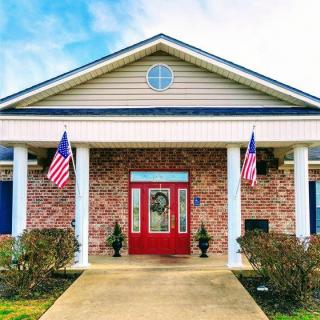




 Understanding Medicaid Coverage for Assisted Living: A Comprehensive Guide
 How and When Medicaid May Cover Assisted Living Costs
 A Detailed Exploration of Assisted Living Medicaid Waivers Across the United States