
813 North Main Street, Farmerville, LA 71241
For more information about senior living options: (866) 208-4318
Farmerville Nursing And Rehabilitation Center Costs & Pricing
Farmerville Nursing and Rehabilitation Center offers a range of accommodation options at varying monthly rates. For a semi-private room, residents can expect to pay $3,350, which is notably higher than the county average of $2,800 but slightly lower than the state average of $3,598. The center's studio option is priced at $3,995, making it more expensive than both Union Parish's average of $2,875 and Louisiana's state average of $3,235. In terms of larger living arrangements, a one-bedroom unit costs $4,495 compared to the county's average of $3,246 and the state's average of $3,413. For those seeking more space with two bedrooms, the facility charges $5,495 - significantly above the county's rate of $3,973 and also higher than the state average of $3,878. Overall, while Farmerville Nursing and Rehabilitation Center prices exceed local averages in most categories, they reflect the specialized care and amenities offered within this esteemed facility.
| Floor plans | Farmerville Nursing And Rehabilitation Center | Union Parish | Louisiana |
|---|---|---|---|
| Semi-Private | $3,350 | $2,800 | $3,598 |
| Studio | $3,995 | $2,875 | $3,235 |
| 1 Bedroom | $4,495 | $3,246 | $3,413 |
| 2 Bedrooms | $5,495 | $3,973 | $3,878 |
Skilled Nursing Facilities with a similar price nearby
-
About the same
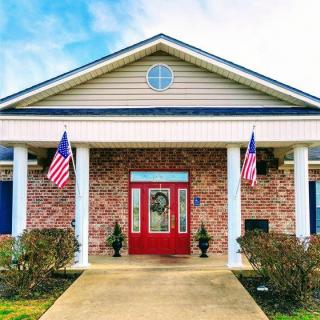
Savannah Grand of West Monroe
$3,295 to $3,595 / month23.2 miles away
Overall Review of Farmerville Nursing And Rehabilitation Center
Pros
 The staff provided excellent care for the mom and educated her family about her condition.
 - They did an awesome job caring for the mom.
- The caregivers, nurses, nutritionist, and respiratory team were supportive and dedicated.
- The morning caregiver who greeted Mary each day showed exceptional compassion and was appreciated.
- Jarvis and Tina are caring staff members who genuinely look after the residents and the community.
- The therapy team is wonderful and personable.
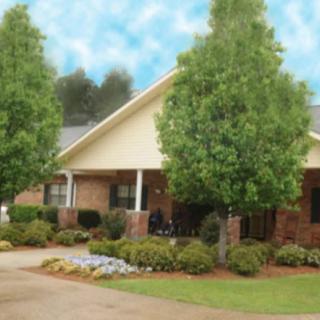
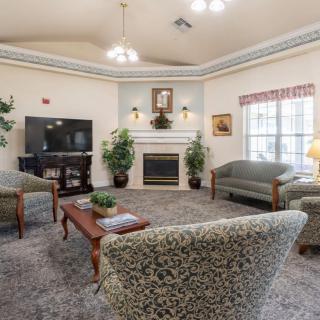
- Farmerville Nursing and Rehabilitation Center offers clean rooms, well-kept grounds, and staff who are attentive from housekeeping to nurses.
- The rehab facility is nice, with long-tenured staff who care about the residents and the community.
Cons
 The reviewer describes the facility as ancient and dirty, not up to modern standards.
- The reviewer states the CNAs are lazy, with only a few exceptions.
- The reviewer notes the place is understaffed and hard to reach.
- The reviewer reports that medications were not given and call buttons went unanswered for long periods.
- The reviewer describes three night nurses who checked in and then disappeared.
- The reviewer says the facility is filthy and poorly managed, with staff cliques.
- The reviewer calls it a horrible place and says it was a terrible experience.
Review
Farmerville Nursing and Rehabilitation Center is best suited for a rehab-oriented stay where family oversight can be sustained and where a calm, wooded setting, private or semi-private rooms, and a steadier therapy team are valued. The facility has earned praise for long-tenured staff and a dedicated therapy group, with several residents and family members pointing to a personal, hands-on approach from caregivers who stay with the community over time. When the goal is skilled rehabilitation and daily interaction with nurses, therapists, and supportive staff who remember the resident’s routines, this center can deliver meaningful, individual attention. For families willing to engage closely, the facility can be a workable path to recovery and reconditioning.
Those considering alternatives should note that a number of reviews highlight systemic weaknesses that can undermine daily comfort and safety. Persistent concerns include inconsistent medication administration, delayed responses to call bells, and periods of staff unavailability. Several accounts describe an overwhelmed workforce, turnover in leadership, and a facility that feels dated or poorly maintained. For families with higher expectations around reliability, fast problem resolution, and a consistently clean environment, these recurring issues are likely to be deal-breakers. If the priority is a high-assurance daily experience with predictable staffing, alternatives may be a wiser choice.
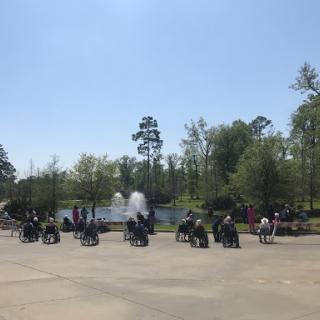
The strongest positives, an experienced therapy unit, patient-facing caregivers, and tangible signs of genuine care, can offset some drawbacks in the eyes of families who are able to supervise and advocate on a daily basis. Positive anecdotes praise the rehab team as personable and effective, with residents benefiting from targeted therapy and from staff who truly attend to medical needs in real-time. The atmosphere in some wings feels welcoming: private spaces, well-kept grounds, and opportunities to participate in activities such as crafts, church choirs, or social events. For residents who respond well to consistent therapy routines and a familiar caregiving crew, those elements can be decisive.
However, the negatives are substantial enough to demand serious scrutiny. Reports of inadequate pain management, missed medications, and call-button neglect are not minor flaws in a nursing facility; they represent immediate safety and quality-of-life risks. The sense of understaffing, especially on nights and weekends, coupled with criticism about cleanliness and outdated infrastructure, creates an environment where problems can escalate before they are addressed. Complaints about a revolving door of leadership and “clicks” in the management culture further erode confidence that issues will be resolved in a timely, transparent manner. These patterns are not easily dismissed, even when some frontline caregivers deliver compassionate, competent care.
Decision-makers should approach Farmerville with a concrete playbook. First, demand current, first-hand input on staffing ratios across shifts and a tour that includes agitation testing, i.e., how call-bell response works in practice during both day and night. Speak with the director of nursing and the therapy supervisor to gauge consistency and follow-through on care plans. Given the positive mentions of Jarvis and Tina, request to meet the direct care leads and the respiratory and nutrition teams to gauge continuity of care. Check the latest state inspection results and ask for a recent maintenance and cleanliness checklist so concerns about the physical plant are not dismissed. Real-world validation from current residents and families on medication administration and responsiveness should drive the final decision.
In sum, Farmerville Nursing and Rehabilitation Center represents a mixed proposition. It is not a universal fit for all seniors or all rehab journeys. For families prepared to stay actively engaged, monitor care closely, and prioritize a robust therapy program within a setting that offers pleasant surroundings and personal attention, the center can be a credible option. For those needing consistently spotless facilities, rock-solid daily reliability, and a leadership structure that reliably enforces standards, it may be prudent to look elsewhere. The prudent approach is to tour with a checklist, verify current staffing realities, and compare against nearby options that deliver stronger assurances of daily consistency and facility upkeep.
 117 resident community capacity
 Skilled Nursing Facility
 Air-conditioning
 Beauty salon
 Cable or satellite TV
 Computer center
 Dining room
 Fitness room
 Fully furnished
 Gaming room
 Garden
 Housekeeping services
 Kitchenette
 Move-in coordination
 Outdoor space
 Private bathrooms
 Restaurant-style dining
 Small library
 Telephone
 Wellness center
 Wi-Fi/high-speed internet available
 Community operated transportation
 12-16 hour nursing
 24-hour call system
 Activities of daily living assistance
 Assistance with bathing
 Assistance with dressing
 Assistance with transfers
 Diabetes diet
 Medication management
 Mental wellness program
 Special dietary restrictions
 Concierge services
 Planned day trips
 6 Crucial Ways an Elder Law Attorney Assists Families
 Navigating the Tax Landscape of Caregiving: Credits, Deductions, and Beyond
 Highly Beneficial Low-Impact Exercises for Senior Living Residents