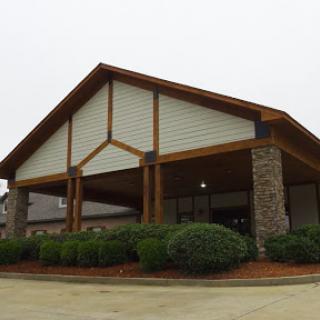
3720 Highway 80 East, Ruston, LA 71270
For more information about senior living options: (866) 208-4318
Overall Review of Ruston Nursing And Rehabilitation Center
Pros
 The rehab care was wonderful, with staff who were very caring and helped him go home safely.
 - The therapists and nurses were great, CNAs were superb, and the food was very good.
- The director had everything running smoothly, and questions were answered fully.
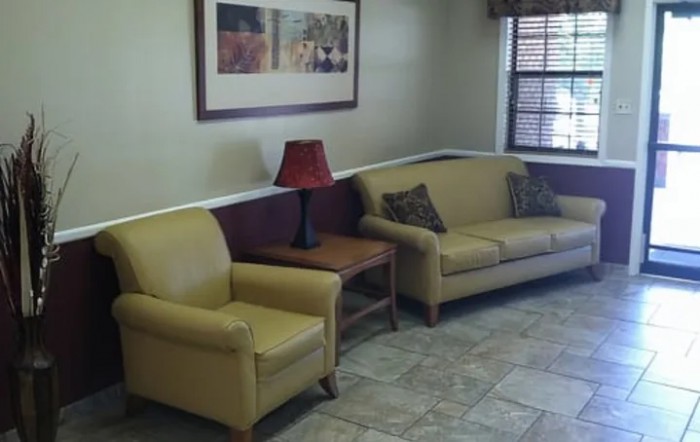
- The facility was clean and friendly, and it comes highly recommended to others.
- He would definitely return there if he needed to go back.
- The physical therapy department was described as the best, and staff treated visitors with respect and kindness.
Cons
 The rehab is okay, but the care side is abysmal.
- The DON lies to residents.
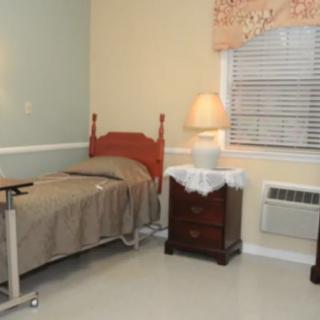
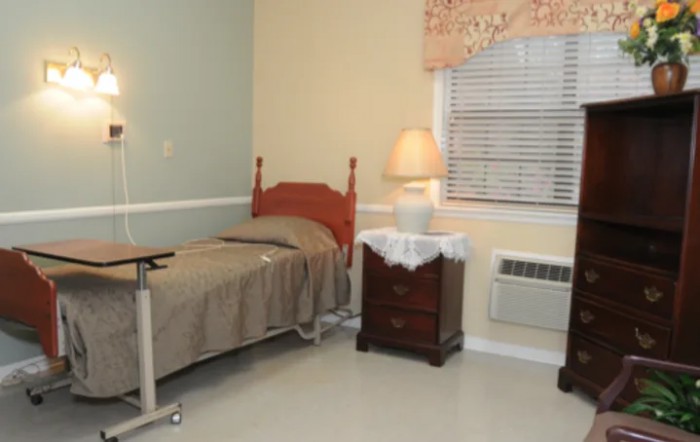
- The rooms are filthy and things disappear.
- The administration stopped intensive rehab, leaving the patient with only wound care.
- There aren’t enough CNAs to meet patient needs, so care is neglected.
- Some nurses and the DON do not care.
- The nursing staff lack compassion and knowledge; new nursing staff are needed.
- There is outright lying to residents and concerns are never addressed.
- The facility is dirty and unsanitary; cleaning is not kept up.
- The catheter was left broken for hours, and the patient was not fed for days.
Review
Ruston Nursing and Rehabilitation Center is best suited for families pursuing a short-term, rehab-focused path for a loved one, with a clear goal of returning home. The strongest selling point is the rehab program: physical therapy is repeatedly praised as a standout, and therapists, nurses, and CNAs in the therapy wing are often described as capable and engaged. A number of reviews emphasize that the care team in the rehab phase is attentive, the food is decent, and administration, especially the director, keeps operations running smoothly and keeps lines of communication open. In practical terms, this facility works well when the plan centers on intensive therapy and a defined discharge to home, supported by a family that stays actively involved in oversight and questions.
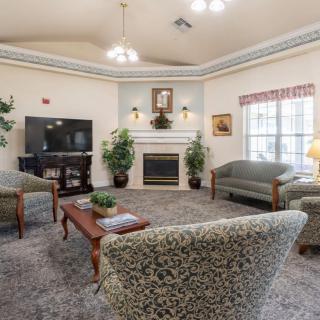
That said, this community is not ideal for residents who require consistent, dependable daily nursing care and steady, compassionate oversight around the clock. The most damaging feedback centers on the non-therapy side of care: reports alleging dishonesty or evasiveness from the DON, a sense that floor nurses and CNAs may lack empathy or attentiveness, and concerns about overall responsiveness. Cleanliness and room condition surface as ongoing worries in several accounts, and times when basic needs, medication administration, wound care, or even timely feeding, have not been met are hard to ignore. For families seeking a facility with unwavering daily reliability and a care culture built on dignity, these threads signal substantial risk.
The pros, chiefly the rehabilitation program and the presence of helpful, caring therapy staff, do offset the main cons only to a point. When the objective is meaningful functional improvement and a return to independent living, the therapy team’s effectiveness can drive valuable outcomes despite gaps elsewhere. However, the degree to which these advantages counterbalance broader care concerns hinges on vigilant family involvement. With proactive oversight, questions asked, and a clear record of progress, families can push for timely meds, consistent wound care, and heightened attention from nursing leadership. Without that advocacy, the uneven care culture becomes a material risk that can erode trust and safety over time.
Prospective residents should enter with a plan to monitor and participate actively in daily care. Engage early with the therapy department to set concrete goals and schedules, and insist on transparent, documented care plans for both rehabilitation and daily nursing tasks. Schedule frequent tours of the living spaces to assess cleanliness and maintenance, and request regular updates from the care team about progress, setbacks, and any changes in staffing or routine. Given the variety of caregiver experiences reported, families should prepare to advocate firmly for timely medications, consistent wound and catheter care, and respectful, professional interactions with all staff members.
For anyone evaluating long-term/continuous care, this facility warrants caution. The combination of highly praised rehab services with persistent concerns about nursing compassion, staffing levels, and overall daily care creates a significant trade-off. If the priority is a reliable, steady daily nursing environment for a resident with complex medical or mobility needs, alternatives with stronger demonstrated consistency in non-therapy care are advisable. If the need is a tight, goal-driven rehab stay with a committed family partner able to monitor and steer care, Ruston Nursing and Rehabilitation Center can be a workable choice, provided the plan includes rigorous oversight and clear expectations from day one.
In the end, the decision rests on goals and bandwidth. For families chasing a true rehabilitation trajectory and willing to wrestle for durable, home-bound gains, with a readiness to advocate at every turn, this center can deliver meaningful progress. For those prioritizing steady, compassionate daily care with minimal risk of lapses, the alternative options that emphasize consistent nursing quality and cleaner daily operations are the safer route. The path chosen should align with whether the priority is a finite rehab episode or a longer-term living arrangement requiring unwavering day-to-day reliability.
 157 resident community capacity
 Skilled Nursing Facility
 Air-conditioning
 Beauty salon
 Cable or satellite TV
 Computer center
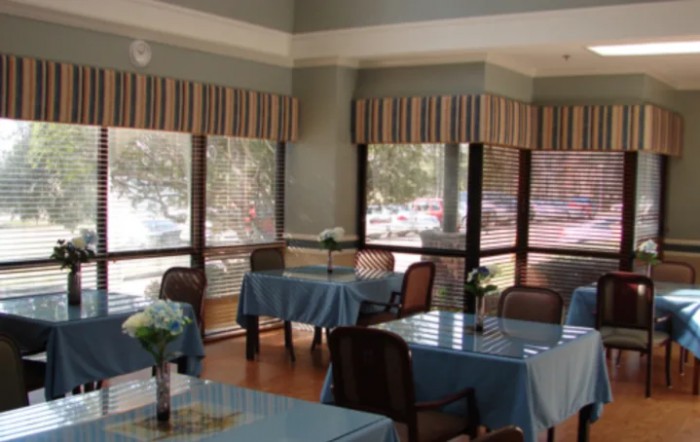
 Dining room
 Fitness room
 Fully furnished
 Gaming room
 Garden
 Housekeeping services
 Kitchenette
 Move-in coordination
 Outdoor space
 Private bathrooms
 Restaurant-style dining
 Small library
 Telephone
 Wellness center
 Wi-Fi/high-speed internet available
 Community operated transportation
 12-16 hour nursing
 24-hour call system
 Activities of daily living assistance
 Assistance with bathing
 Assistance with dressing
 Assistance with transfers
 Diabetes diet
 Medication management
 Mental wellness program
 Special dietary restrictions
 Concierge services
 Planned day trips




 Compassionate Conversations: How to Comfort Someone Who Is Grieving
 Home Health Care Aides: Understanding Their Role and Supporting Your Family
 Urinary Tract Infections in Older Adults: Comprehensive Insights on Symptoms, Treatment, and Prevention