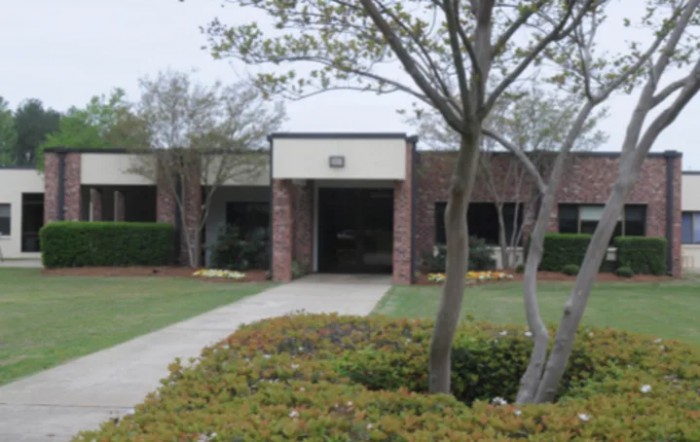
813 N Main St, Farmerville, LA 71241
To contact a resident: (318) 368-2256
For more information about senior living options: (866) 208-4318
Overall Review of Chateau D'Arbonne Nurse Care
Pros
 The staff did an awesome job caring for the patient’s mother.
- The facility is very nice and has long-tenured staff who care about the residents and the community.
- The care team, including nurses, caregivers, the nutritionist, and the respiratory team, is deeply appreciated for their dedication.
- The morning staff member shows compassion and makes a meaningful daily connection with residents.
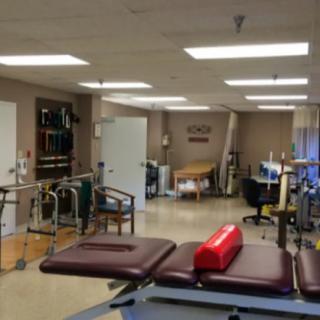
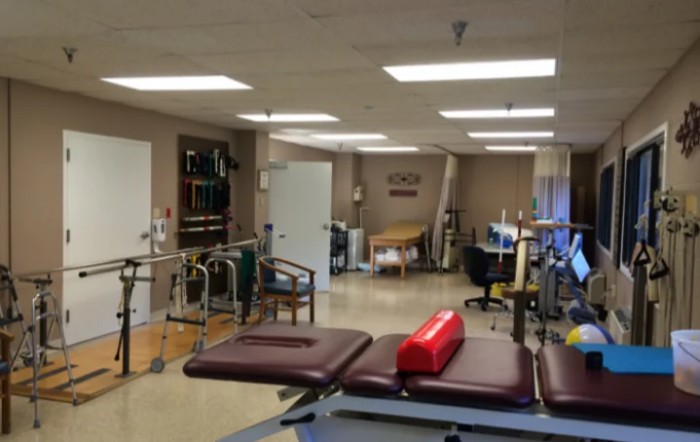
- The therapy team is wonderful and personable.
- The family felt educated about care and medical topics thanks to the staff.
- The option to monitor the patient’s room with a camera provided reassurance and helped the family cope.
Cons
 The daughter did not receive medications on the day she needed them.
- Help was not provided promptly despite the call button being pressed all day.
- Three night nurses checked in and then disappeared.
- It was a terrible experience.
- The facility is horrible, hard to reach, and staff are overloaded with work.
- The CNAs are lazy, and the place is dirty and not up to modern standards.
- The place is dirty, old, understaffed, and not up to state standards.
- The facility can’t keep a decent DON, is filthy, and has staff cliques.
Review
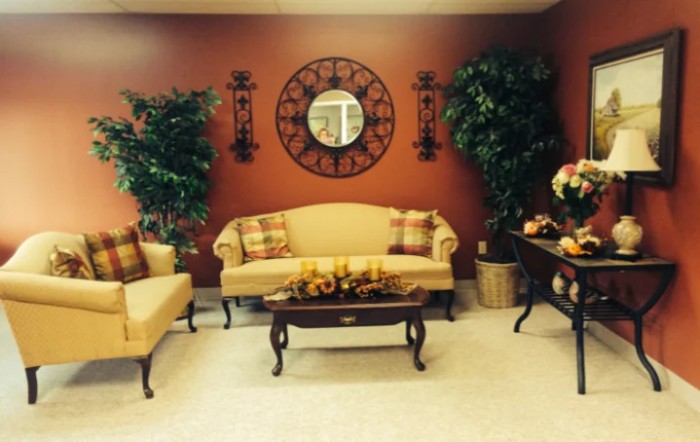
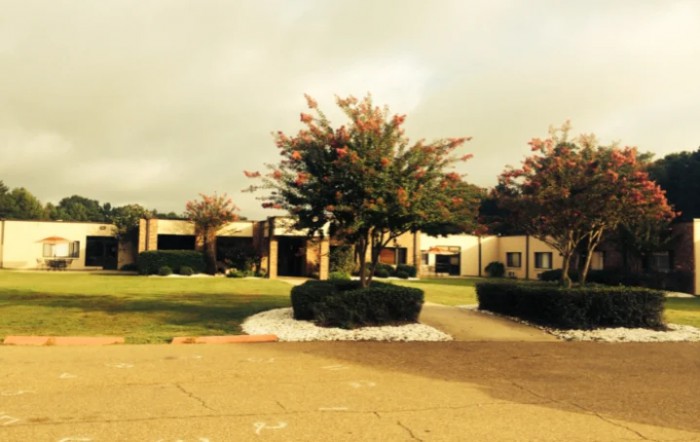
Chateau D'Arbonne Nurse Care in Farmerville is best suited for residents who require skilled nursing with active medical oversight, rehab services, and respiratory support, and for families prepared to play an engaged, watchdog role in daily care. The strongest case comes from a patient with complex needs, trach, feeding tube, and oxygen requirements, where staff reportedly delivered attentive, medically focused care and where families felt educated and involved in the treatment plan. The rehab and therapy culture, supported by a nutritionist and a dedicated respiratory team, suggests a facility capable of sustaining meaningful gains for residents who can benefit from ongoing clinical attention. For settings where clinical complexity is non-negotiable and oversight from loved ones is constant, the center presents a workable option.
Yet the voice of several residents’ families is marked by stark warnings about day-to-day reliability. Reports of medications not being administered promptly, call buttons going unanswered for long stretches, and aides who appear stretched thin paint a picture of a care desert when moments of crisis arrive. Other reviewers describe an aging, dirty environment and a leadership vacuum, with comments about an unstable DON and a culture described as “old-fashioned” or inhospitable. Taken together, these criticisms reveal a facility whose medical capacity may exist in tension with governance, staffing stability, and basic cleanliness. In short, clinical prowess can be undermined by operational failures that jeopardize resident safety.
The key pros, highly skilled therapy and nursing teams, a track record of long-tenured staff, and a willingness to educate families, do meaningful work in offsetting risk for residents with serious medical needs. When a patient requires coordinated rehabilitation and respiratory management, these assets can translate into real progress and reduced hospital readmissions. The rehab team’s approach and the involvement of a nutritionist can help stabilize nutrition and functional gains, which are central to recovery trajectories. However, these strengths do not erase the most consequential cons: persistent understaffing, inconsistent medication delivery, and a facility environment that many perceive as dirty or poorly maintained. Cleanliness and reliable care remain non-negotiables; without them, even excellent clinical care cannot fully protect residents from harm.
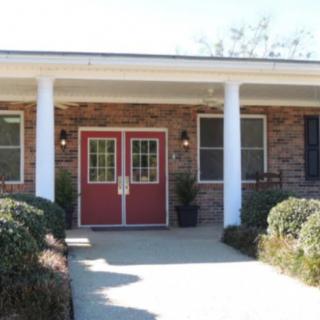
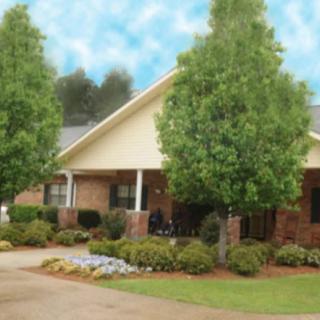
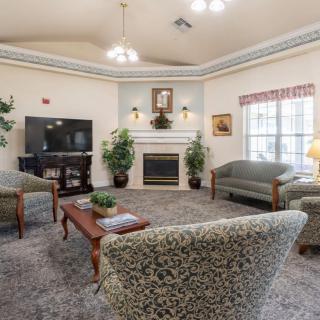
For families weighing options, a practical decision framework is essential. If the resident’s needs are medically complex and require frequent physician input, the facility can be compelling provided staffing ratios are transparent and consistently favorable. Prospective clients should demand up-to-date staffing data (per shift), an explanation of how med passes are managed, and the current DON’s track record. A rigorous tour should scrutinize housekeeping practices, laundry turnaround, and common-area maintenance. Families should also probe the cadence of therapy and nursing interactions, and confirm policies permitting family oversight, such as camera access for monitoring when appropriate. If any of these elements raise doubts, alternatives with stronger governance and cleaner environments warrant serious consideration.
In operational terms, Chateau D’Arbonne may still fit a narrow niche: residents with significant medical needs who can tolerate, or even benefit from, a watchful family presence and a facility that can marshal specialized teams. For others, especially those who prioritize spotless facilities, consistent medication delivery, and seamless communication, the balance tilts toward alternatives. The decision hinges on one core question: is rapid, dependable access to care and a clean, well-maintained environment non-negotiable, or can the clinical strengths and education-focused team compensate for the incumbent operational gaps? Given the current mix of serious pros and equally serious cons, the safer course is to pursue other options unless a family can secure robust, active oversight and insist on clear, verifiable standards of cleanliness, staffing, and medication management.
 Skilled Nursing Facility
 Navigating the Financial Road to Nursing Home Care: In-Depth Guidance and Resources
 Supportive Employee Benefits That Help Caregivers Attain Better Work-Life Harmony
 Top Cars for Senior Drivers and Essential Safety Innovations