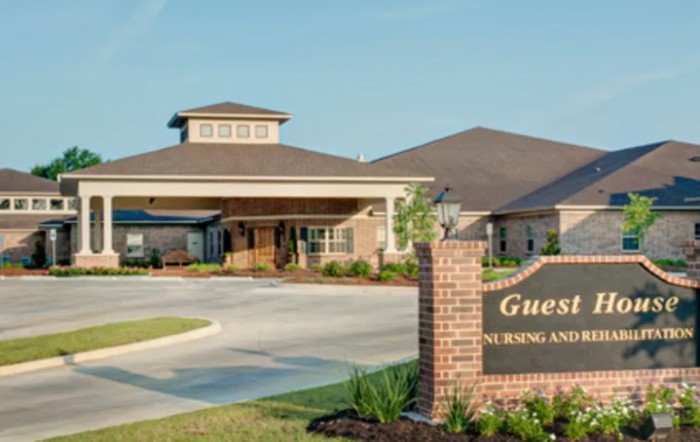

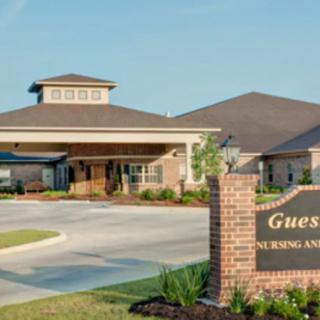

109 Guest House Drive, West Monroe, LA 71292
For more information about senior living options: (866) 208-4318
Overall Review of Guest House Nursing And Rehabilitation
Pros
 The staff treat residents with dignity and respect.
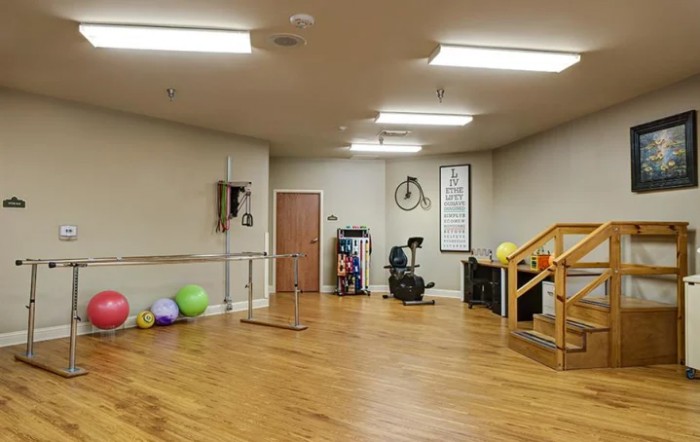
- The therapy is amazing.
- The food is good and plentiful.
- The staff are awesome, helpful, and honest.
- The facility is clean and well equipped.
- The building is organized into small communities.
- The staff are among the nicest people the reviewer has ever worked with.
Cons
 The reviewers warn families to seriously consider placing a loved one there.
- The intercom crackles loudly before and after each call, day and night.
- Staff gather in the halls, talking and laughing loudly all night.
- Bathing never happens; residents are not bathed by staff during their stay.
- The public restrooms stink and are usually out of supplies.
- There is no clear indication of how or when therapy actually happens.
- Meal portions are pitiful, even after dietary consultation.
- Aides mumble.
- Many lights are burned out.
- Staff do not seem to know how call lights work.
- Promised equipment never appears.
- The TV channel guide is not provided despite multiple requests.
Review
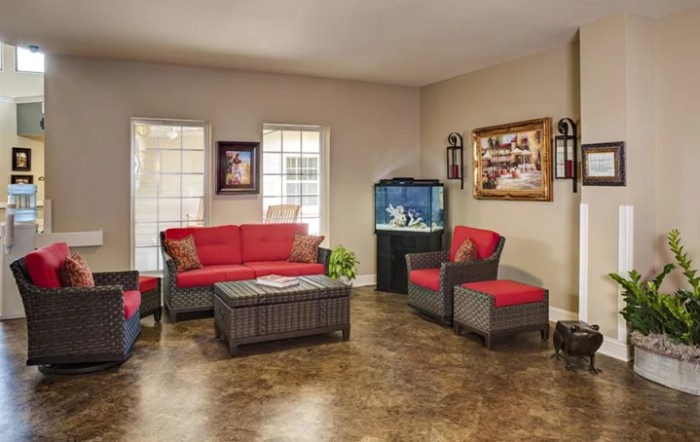
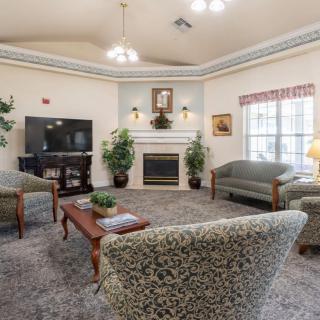
This community is best suited for families seeking a home-like, hands-on caregiving environment in West Monroe, where frontline aides can be genuinely kind and residents may benefit from active rehabilitation services. For loved ones who respond well to cheerful, approachable staff and do not demand perfect consistency in every daily task, this facility can feel like a comforting, human-sized option. The building’s small-community layout and reports of warm interactions in the care team are real strengths that can support daily living when supervision is available.
Those weighing alternatives should note that this site may not be ideal for anyone whose nonnegotiables include absolute reliability in daily routines, rapid call-light responses, and spotless, predictable operations. Several reviews flag critical gaps: bathing not performed, inconsistent communication, unreturned calls, and a workflow that seems to leave essential tasks, like hygiene and equipment availability, unaddressed. For families unable to supervise closely or who cannot tolerate frequent management lapses, other options with clearer accountability, steadier staffing, and stricter adherence to care plans deserve serious consideration.
The strongest positives here revolve around the human touch and the rehabilitative potential. When caregivers are described as helpful, cheerful, and respectful, that care can significantly improve a resident’s day-to-day experience and morale. Therapy is repeatedly highlighted as a standout feature, with some families viewing it as a major benefit that shifts the overall impression toward trust and progress. In settings where these elements are reliably present, they can soften other operational rough edges and provide meaningful value, especially for residents who benefit from structured therapy and a consistently kind bedside manner.
Yet the negatives are not easy to overlook. Reports of neglected bathing, stifled or inaudibly loud night-time activity, and doors banging to wake residents all point to a disruption of comfort and sleep. The frequent mentions of untrained lifting, unavailable equipment, unattended nurses’ stations, and inconsistent call-light responses raise legitimate safety concerns. The administrative side, heavy paperwork, lack of copies of agreements, and inconsistent responses to inquiries, can erode trust quickly for families who must navigate care decisions from afar. Taken together, these issues create a risk profile that demands vigilant oversight if this choice is pursued.
If the decision is made to move forward, enter with a precise plan: obtain a current, written care plan with clear routines for bathing, therapy scheduling, meal provisions, and daily activities; request a detailed, transparent call-light protocol and ensure staff aren’t overextended; insist on visible, consistently trained staff and identify a single point of contact for updates; ask for copies of all forms and a realistic timeline for promised equipment or services; and arrange a trial period or temporary stay to observe how well the team translates promises into daily practice. A proactive family can transform potential gaps into manageable realities, provided leadership is responsive and accountable.
Ultimately, the facility’s 3.5 average reflects a stark split: a subset of families report outstanding, compassionate care and meaningful therapy, while others describe a pattern of neglect and management failure. The variance is not just about mood or shift; it signals systemic inconsistencies that can dramatically affect safety, reliability, and peace of mind. For a family that can dedicate time to oversight, insist on clear standards, and value therapy and genuine kindness in staff, this community may be a workable match. For those who cannot tolerate frequent questions about care quality or who require consistently seamless operations, stronger alternatives should be pursued.
 140 resident community capacity
 Skilled Nursing Facility
 Air-conditioning
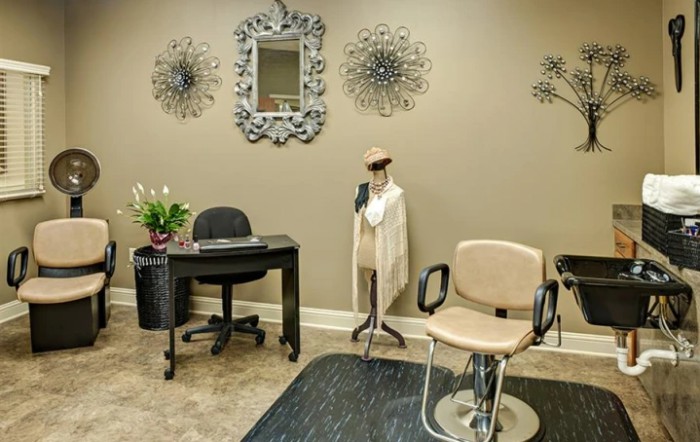
 Beauty salon
 Cable or satellite TV
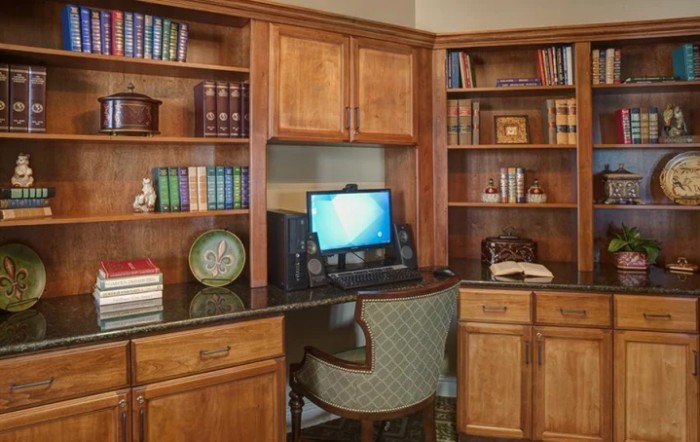
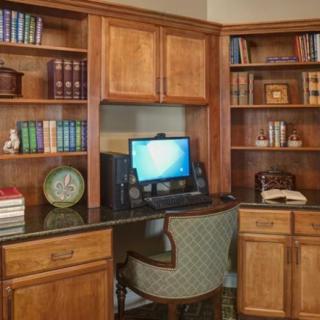
 Computer center
 Dining room
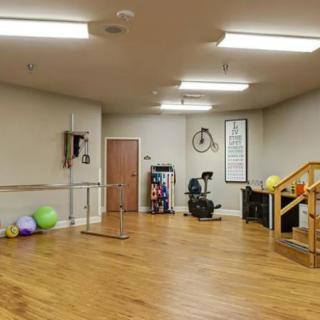
 Fitness room
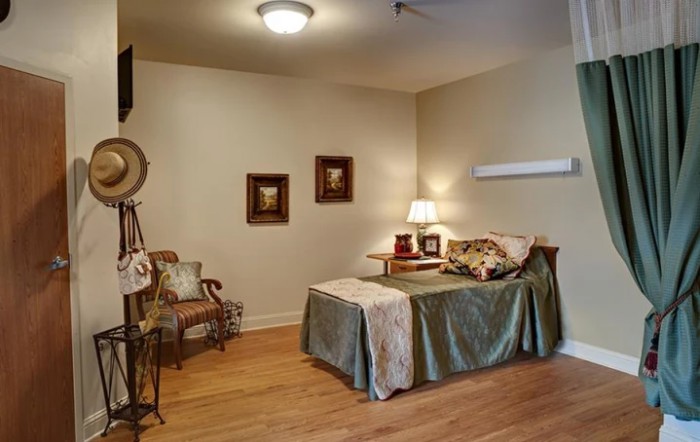
 Fully furnished
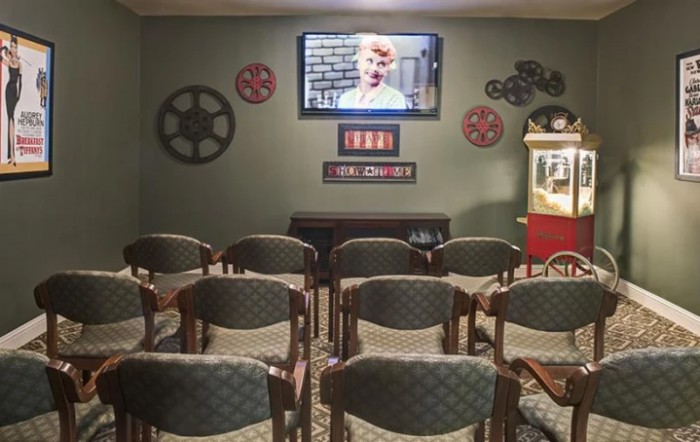
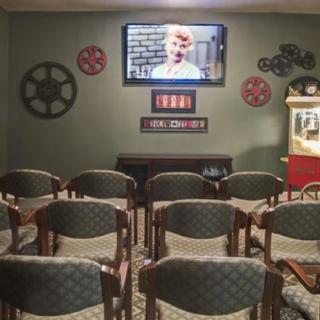
 Gaming room
 Garden
 Housekeeping services
 Kitchenette
 Move-in coordination
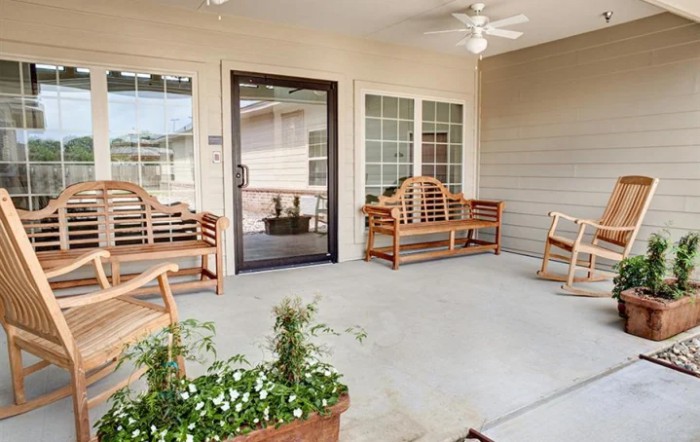
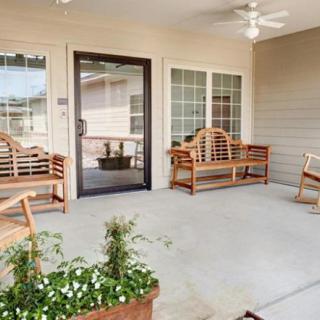
 Outdoor space
 Private bathrooms
 Restaurant-style dining
 Small library
 Telephone
 Wellness center
 Wi-Fi/high-speed internet available
 Monroe Regional (6 miles away)
 Community operated transportation
 12-16 hour nursing
 24-hour call system
 Activities of daily living assistance
 Assistance with bathing
 Assistance with dressing
 Assistance with transfers
 Diabetes diet
 Medication management
 Mental wellness program
 Special dietary restrictions
 Concierge services
 Planned day trips




 Comprehensive Guide to Blood Pressure Charts for Older Adults: Understanding Normal and High Readings by Age
 Financing Long-Term Nursing Home Care Through Social Security: A Thorough Exploration
 Essential Knowledge on Pneumonia in Older Adults