


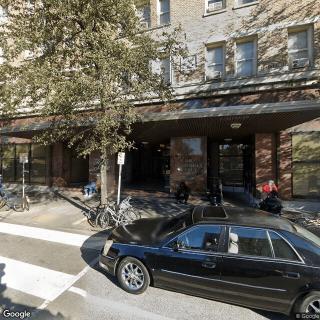
4201 Woodland Drive, New Orleans, LA 70131
For more information about senior living options: (866) 208-4318
Overall Review of St Luke's Living Center
Pros
 The facility is described as a great place to detox.
- They took very good care of the reviewer’s father in his final months, and after a brief adjustment he was happy at St Luke's.
- They are like a family there, and there is tons of beautiful outdoor space.
- The atmosphere at St Luke's is appealing, and visitors are greeted by a helpful receptionist.
- The food is better than most long-term care facilities visited, and most residents looked happy and well taken care of.
- Daily activities such as art projects, piano playing, and knitting are available to keep residents entertained.
- The overall experience was good.
Cons
 The facility is described as horrible and dirty, with some staff being awful.
- The health department should shut them down.
- The reviewer would not send their worst enemy to that place.
- The place is severely understaffed and overwhelmed, with a bug infestation.
- The front desk attitude is unprofessional and lacks eye contact.
- The facility director is defensive and unprofessional when concerns are raised.
- Residents are left unattended for hours, and rooms and clothes are poorly kept.
- Management and most staff are horrible and not suitable for caring for vulnerable residents.
Review
St. Luke’s Living Center is best suited for families seeking a warm, community-focused environment where residents can participate in social activities, enjoy better-than-average meals, and experience a generally congenial atmosphere. The facility appears to deliver a approachable, home-like vibe with outdoor spaces that invite interaction and a sense of belonging. This setting can be a good fit for residents who do not require constant, high-intensity medical supervision and whose families are prepared to stay actively involved, advocate for their loved ones, and coordinate post-acute or discharge planning as needed.
There is a clear caveat: potential residents who demand consistent, high-level medical care, rigorous cleanliness, and dependable staffing should seriously consider alternatives. Multiple reviews flag chronic understaffing, unprofessional conduct among some employees, and gaps in daily care. Reports of neglect, missed tasks, and room or clothing not being properly cared for pull into question the facility’s ability to ensure safety and reliability for residents with significant nursing needs, complex wound care, or those at risk of rapid deterioration. Families facing such needs may prefer facilities with steadier nurse availability, stronger wound-care protocols, and more robust oversight.
The strongest positive signals point to a human-scale, family-like ambiance. When care is working, staff members are described as supportive and attentive, and some residents appear engaged and well-supported by activities. The dining experience at St. Luke’s is often noted as preferable to many peers, with residents visible at tables and a willingness to participate in arts, music, and social events. The surrounding environment, ample outdoor space and moments of convivial activity, also contributes to quality-of-life gains. These pros matter significantly for residents who value daily interaction, meaningful occupation, and a livelier day-to-day routine.
However, the gravity and consistency of the downsides cannot be dismissed. Repeated complaints cite severe understaffing, frontline staff missteps, and a management style described as defensive or unresponsive to family concerns. Cleanliness lapses, unattended residents, delayed transfers or discharges, and disjointed post-discharge planning illustrate systemic vulnerabilities. The most troubling episodes involve wound care shortcomings and gaps in routine nursing coverage, which are critical for anyone with medical fragility. Taken together, these issues tilt the balance toward caution for residents whose care needs extend beyond basic assistance and social engagement.
In practical decision terms, this community warrants a proactive due-diligence plan. Prospective families should schedule in-depth tours during typical activity and care hours to observe staffing patterns, nurse availability, and how aides interact with residents. Ask direct, concrete questions about wound-care protocols, infection control, and how housekeeping and laundry are managed for bed-bound or highly dependent residents. Request the most recent state survey results and ask for specific examples of how discharge planning is executed, including timelines and coordination with home health agencies. Speak with the social worker about individual care plans, risk management, and escalation procedures when concerns arise.
Ultimately, the choice hinges on priorities and risk tolerance. If the priority is a vibrant, socially-rich environment with decent food and accessible amenities, and if there is confidence that staffing levels and oversight can be verified and maintained, St. Luke’s Living Center can be a workable choice. But for families prioritizing guaranteed, consistent medical care, strict cleanliness, and reliable day-to-day nursing coverage, alternatives with stronger track records in staffing stability and care continuity are advisable. A candid, structured visit and frank questions about staffing, wound care, and discharge processes will reveal whether this community can reliably translate its pleasant atmosphere into safe, dependable care for a loved one.
 104 resident community capacity
 Skilled Nursing Facility
 Air-conditioning
 Beauty salon
 Cable or satellite TV
 Computer center
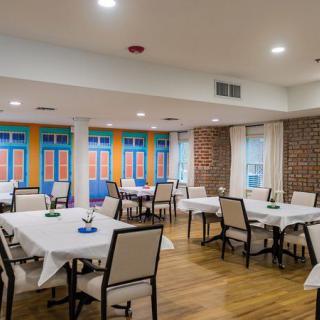
 Dining room
 Fitness room
 Fully furnished
 Gaming room
 Garden
 Housekeeping services
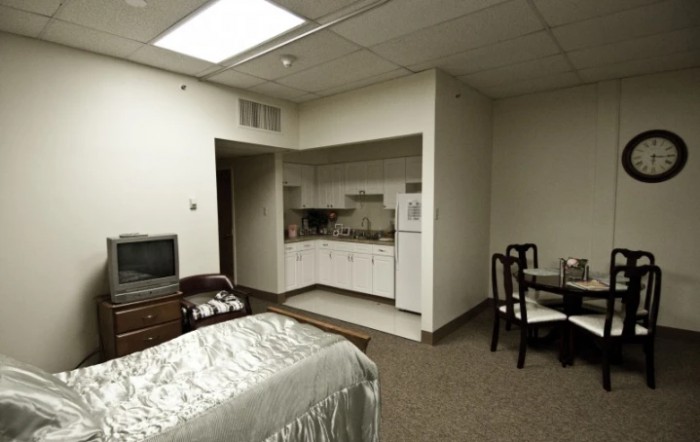
 Kitchenette
 Move-in coordination
 Outdoor space
 Private bathrooms
 Restaurant-style dining
 Small library
 Telephone
 Wellness center
 Wi-Fi/high-speed internet available
 New Orleans International (17 miles away)
 Community operated transportation
 12-16 hour nursing
 24-hour call system
 Activities of daily living assistance
 Assistance with bathing
 Assistance with dressing
 Assistance with transfers
 Diabetes diet
 Medication management
 Mental wellness program
 Special dietary restrictions
 Concierge services
 Planned day trips





 6 Crucial Ways an Elder Law Attorney Assists Families
 Navigating the Tax Landscape of Caregiving: Credits, Deductions, and Beyond
 Highly Beneficial Low-Impact Exercises for Senior Living Residents