
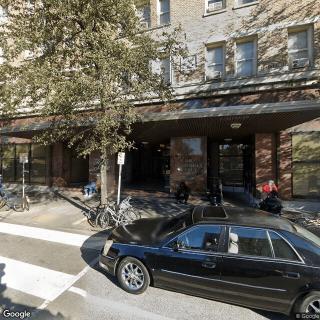
3663 Behrman Pl, New Orleans, LA 70114
To contact a resident: (504) 367-7288
For more information about senior living options: (866) 208-4318
Overall Review of WillowWood at Woldenberg Village
Pros
 The staff were very nice and helpful throughout the admission process and daily care.
- The facility was immaculately clean and odorless every day.
- The daytime caregiver, April, was a true gem and loved by the resident.
- The nursing staff were terrific and scheduled follow-up doctor visits and transportation.
- Dr. Powell never seemed rushed and took plenty of time with the resident.
- The therapies—speech, OT, and physical—helped regain strength and return home safely.
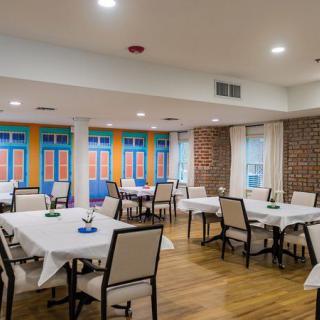
- The food was delicious and the building and grounds were attractive and spotless.
- The facility offers a variety of activities and has a warm, welcoming atmosphere.
Cons
 The nursing staff were rude and unfriendly, appearing to care more about their own pace than about the residents.
- Transportation and scheduling issues led to missed doctor appointments.
- Residents were left in soiled diapers for extended periods because staff did not provide timely assistance.
- Personal items frequently went missing or were stolen, including clothing and a clock.
- A staff member turned off an oxygen concentrator and forgot to turn it back on, endangering the resident.
- Management and customer service were described as unprofessional and unresponsive, with several reviewers advising others not to choose the facility.
Review
WillowWood at Woldenberg Village is best suited for families seeking strong inpatient rehabilitation and skilled-nursing care with a proven therapy track, a clean, attractive setting, and a staff that can coordinate discharge planning effectively. It works well for seniors who are recovering from surgery, stroke, or a hospitalization and need PT/OT/Speech services, as well as for those who want a facility with active programming and steady social work support. For families prioritizing a consistently flawless bedside experience, clear communication, and rigorous after-hours responsiveness, this community delivers meaningful value when the primary goal is rehabilitation success and safe transitions home.
A core strength is the therapy ecosystem and the admission-to-discharge workflow. Multiple reviewers praise the rehabilitation team for getting residents back on their feet, with therapists, nursing staff, and a proactive social worker coordinating follow-up care, transportation, and equipment. The admissions process is smooth and personalized, with admissions staff who greet families quickly, provide tours, and help navigate the difficult period immediately after a hospital stay. The facility’s cleanliness and odor control also stand out, reinforcing a sense of dignity and safety during a vulnerable recovery phase. When the objective is to regain strength and return home safely, WillowWood routinely delivers.
Related positives extend beyond clinical care. Residents repeatedly report well-maintained, attractive grounds and rooms, tasty meals, and a schedule of activities that keeps people engaged. Families note dependable daily care from many staff members who show warmth and patience, and the facility earns praise for the consistency of daily operations that help families feel confident about ongoing treatment. The combination of a clean environment, strong therapy, and attentive case management creates a foundation where recovery can progress with tangible, measurable gains, and where the medical team seems to stay engaged through the rehabilitation arc.
However, significant caveats exist that can offset those strengths. A noteworthy portion of reviews describes inconsistent bedside care and communication gaps, particularly after hours. Reports of rude or disengaged nursing staff, delayed responses to help calls, and transportation coordination lapses undermine safety and trust. The issue is not universal, but the frequency of these incidents is enough to be a decisive factor for families with high expectations of round-the-clock attentiveness. Additionally, a number of accounts mention missing personal items, mislaid laundry, and other administrative frictions that erode confidence in the overall operation. These concerns are serious because they touch on dignity, safety, and the ability to focus on recovery rather than logistics.
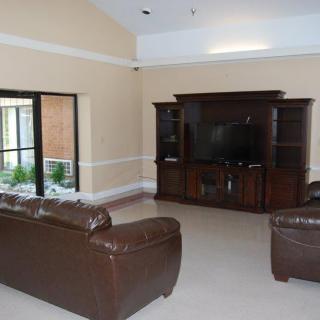
Cost and the physical environment also influence the decision. While several families praise the facility’s quality and spacious, well-kept spaces, others describe hospital-like rooms and remind that private rooms, when available, can be more expensive and harder to secure. For some families, this combination, high service value in therapy but uneven post-therapy care and uncertain roommate- or private-room options, makes WillowWood a good match only if the emphasis stays clearly on rehabilitation and discharge planning rather than a long-term, all-inclusive nursing experience. In short, the pros offset the cons when the primary need is skilled rehab with solid discharge support; they do not fully offset them for those who require flawless 24/7 care, impeccable after-hours responsiveness, or a transparent, consistently positive daily caregiving experience.
Alternatives are worth considering for families prioritizing different equilibria. If after-hours reliability, proactive communication, and a spotless day-to-day care culture are non-negotiables, exploring other SNF or rehab-focused options in the New Orleans area may be prudent. For families with dogs or other specific visitation needs, location and pet-policy logistics can tip the balance toward a closer facility. If private accommodations at a predictable cost are essential, confirm private-room availability and pricing early in the decision process. In any path chosen, demand direct access to the primary care team, guarantee timely therapy updates, and request a clear care plan with milestones to ensure recovery goals stay in sharp focus.
 Skilled Nursing Facility
 New Orleans International (15 miles away)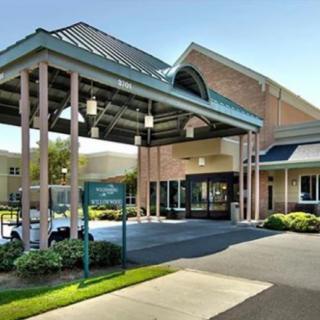

 Senior Move Management: Understanding the Role, Value, and Associated Costs
 Weight Training for Seniors: Building Strength and Vitality
 Understanding the Sandwich Generation: Stress and Responsibilities for Multigenerational Caregivers