
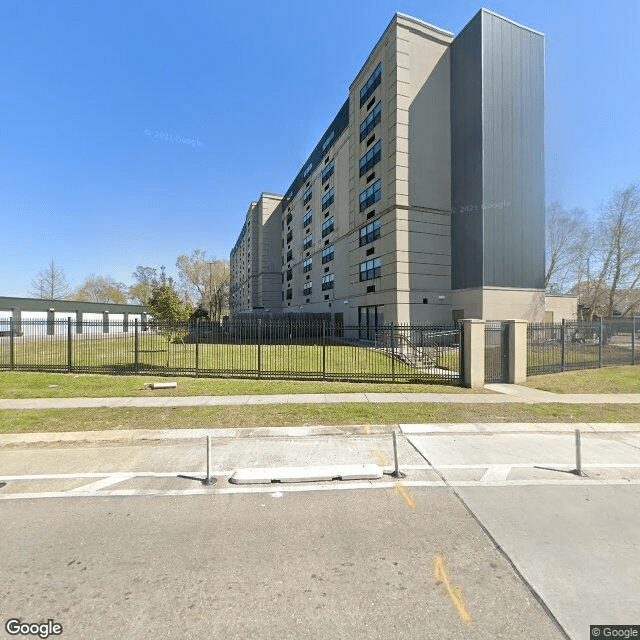
3200 Garden Oaks Dr, New Orleans, LA 70114
To contact a resident: (504) 366-0662
For more information about senior living options: (866) 208-4318
New Orleans Napfe Elderly Costs & Pricing
New Orleans Napfe Elderly offers a competitively priced private room at $2,407 per month, which is significantly lower than the average costs in both Orleans Parish and the broader state of Louisiana, where prices reach approximately $4,638 and $4,521 respectively. This pricing structure not only makes New Orleans Napfe Elderly an attractive option for families seeking quality care for their loved ones but also reflects a commitment to affordability in senior living. By providing essential services at such a competitive rate, this facility stands out as a valuable resource within the local community, catering to the needs of elderly residents while remaining sensitive to financial considerations.
| Floor plans | New Orleans Napfe Elderly | Orleans Parish | Louisiana |
|---|---|---|---|
| Private | $2,407 | $4,638 | $4,521 |
Senior living communities with a similar price nearby
-
from -$422 / mo
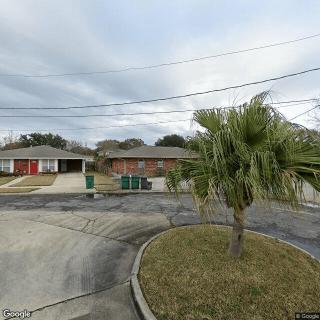
Serenity Senior Residence
$1,985 to $4,000 / month10.9 miles away -
About the same
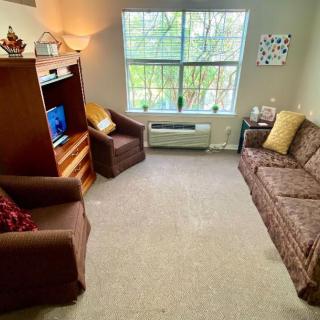
Ville St. Marie Senior Living Community
$2,415 to $3,535 / month9.2 miles away -
from -$118 / mo
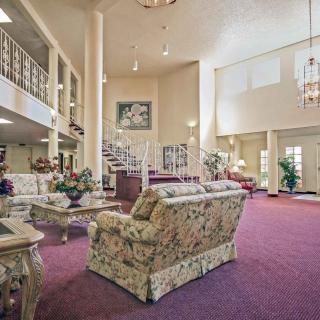
Holiday Nouveau Marc
$2,289 to $3,149 / month16.0 miles away -
from -$393 / mo
Pratt Stanton Manor
$2,014 to $3,254 / month3.4 miles away
Overall Review of New Orleans Napfe Elderly
Pros
 The property is excellent.
Cons
 Management was horrible.
- They didn't repair the apartment after Ida, even though it was damaged.
- Garden Oaks Towers is the most poorly managed property the reviewer has lived in.
- The staff has a non-caring attitude and poor work ethics.
Review
This community is best suited for seniors who want a central New Orleans setting and are comfortable advocating for their own needs or relying on family support to navigate maintenance and service requests. It serves residents who prize social opportunity, walkable access to city life, and a lively on-site routine, and who can tolerate variability in management responsiveness. For those who demand consistently proactive administration, rapid repairs, and dependable daily service without escalation, this option will feel stressful rather than comforting.
Several reviews signal meaningful strengths when operations run smoothly. A subset of residents rated the community highly, and the overall 3.9 rating from seven reviews indicates real satisfaction among many who experience the right mix of amenities, companionship, and cost-value balance. The positive feedback points to a lifestyle that can feel vibrant and engaging, the kind of environment where neighbors connect, activities reasonably flow, and daily living feels well supported when management pulls together behind residents’ needs. Those positives matter, and they are not imaginary; they reflect legitimate moments of effective service and resident contentment.
Yet the most persistent and decisive drawback centers on management quality. One resident describes a two-year stay marked by an unresolved apartment repair after Ida, underscoring a serious gap in accountability and timeliness. Another reviewer directly labels the property as poorly managed, noting a non-caring attitude and weak work ethics among staff. Taken together, these accounts raise a clear red flag: the durability of any daily routine, maintenance, housekeeping, and administrative follow-up, depends heavily on who is on duty and how fast issues are escalated and resolved. In short, reliability here is a function of management performance, not a given.
The pros and cons do not balance themselves automatically. For residents who are proactive, organized, and able to coordinate with family or an advocate on site, the attractive social life and central location can compensate for the rough edges in administration. When issues arise, they can be resolved through clear internal processes and persistent advocacy. For others, especially those who prefer frictionless service or who depend on consistently predictable maintenance, the same issues can erode overall satisfaction and trust. The difference between a favorable experience and a fraught one comes down to how well the community’s leadership responds when trouble surfaces.
Families evaluating this option should enter with a concrete plan. Ask for a transparent repair protocol: typical response times, who tracks requests, what accountability steps exist, and how residents can escalate if promises aren’t kept. Inquire about on-site management presence and turnover; obtain examples of how past concerns were resolved and who followed up to ensure completion. Schedule a variety of tours, quiet hours versus busy times, and seek feedback from current residents about maintenance responsiveness, housekeeping reliability, and administrative accessibility. If possible, request a trial visit or a structured day to observe how staff handle real-time requests and how management communicates during routine operations.
The concluding verdict is pragmatic. This community offers a compelling social environment and a central, walkable location that many seniors will value highly. However, serious questions about management reliability loom large enough to influence the decision for families prioritizing predictable service. For those who cannot tolerate inconsistent responsiveness, or who need steadfast maintenance and administrative accountability, exploring alternatives with stronger, more consistently rated management and clear service guarantees is wise. In the New Orleans market, several options deliver stronger track records on maintenance and resident services; those communities are worth comparing closely, using the questions above as a baseline for what real accountability looks like in practice.
 Board and Care Home
 New Orleans International (15 miles away)

 6 Crucial Ways an Elder Law Attorney Assists Families
 Navigating the Tax Landscape of Caregiving: Credits, Deductions, and Beyond
 Highly Beneficial Low-Impact Exercises for Senior Living Residents