St Anthony's Nursing Home in Metairie, LA

6001 Airline Highway, Metairie, LA 70003

For more information about senior living options: (844) 490-3973

3.6 from 36 reviews
5 stars
18
4 stars
6
3 stars
1
2 stars
3
1 stars
8

Skilled Nursing Facility

Overall Review of St Anthony's Nursing Home

Pros

  • pro The care at St. Anthony's is very good.
  • pro The staff are nice, reliable, and attentive.
  • pro The staff keeps families informed about changes in a resident's condition.
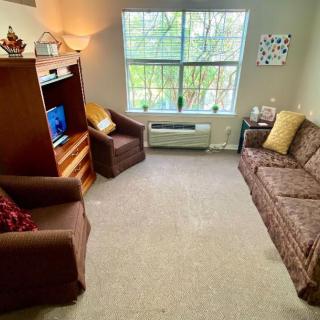
  • pro The rooms are spacious.
  • pro The dining area is large and welcoming.
  • pro The facility is small and quaint with dedicated staff who are passionate about quality care.
  • pro It is a great place for skilled nursing or long-term care.
  • pro The facility is very clean and the staff are caring.
  • pro The dementia care unit provides specialized support.
  • pro The administrator is highly involved with residents and knows them by name.

Cons

  • pro The reviewer described the care as awful and the staff as incompetent, saying the neglect could be fatal.
  • pro They claimed the care was worse than what one would give a dog, with patients not turned or made comfortable and doctor visits rarely occurring.
  • pro They called the facility horrible and warned others not to send their loved ones there due to widespread incompetence.
  • pro They alleged there is no security and that residents can walk out onto a highway, creating a dangerous situation.
  • pro They reported that a dad was taken to a shower without oxygen and the staff laughed, showing a lack of understanding and care.
  • pro They stated that the dad fell several times and had wounds from being moved with a lift, while staff ignored him.
  • pro They criticized the facility for poor cleanliness and odors, and for medications not being given on time and residents left in dirty diapers.

Review

St. Anthony's Nursing Home in Metairie is best suited for families seeking a warm, neighborly atmosphere where residents are treated like individuals and staff know them by name. This campus tends to work well for seniors who prize daily social interaction, a community feel, and accessible, responsive caregivers. It also serves well for those needing skilled nursing with rehabilitative services and a dementia care option within a modest, homey setting. The strongest draw is the sense that the staff and administration are present, personable, and engaged in residents' day-to-day lives, creating a lived-in feeling of family support.

Those weighing alternatives should consider safety-focused facilities if critical medical oversight and strict, consistent care protocols are non-negotiable. If avoiding incidents of neglect or delayed responses is a top priority, or if a resident requires particularly vigilant monitoring, a facility with a more robust clinical track record may be prudent. Parents or spouses who demand near-perfect medication management, timely clinical rounds, and formal falls-prevention programs might find stronger assurances elsewhere. Families should be aware that some reviewers report serious safety and communication gaps, including concerns about security and staff responsiveness.

On the positive side, the most repeated strengths revolve around the human touch: staff who are caring, approachable, and communicative, with administrative leaders who are visibly involved. Family members note timely updates when conditions change, a clean, odor-free environment, and a dining area that accommodates social dining and regular activities. The presence of a dementia care unit and a rehabilitation-focused wing offers meaningful options for residents who need memory-support or therapy as part of their stay. Overall, the facility presents as a space where residents can be engaged, known, and valued, and where family members feel welcome to participate in care.

The most troubling notes center on care quality and safety, which appear inconsistent across shifts and departments. Several accounts describe neglect or incompetence - missed or late medication passes, improper transfers, and inadequate attention to turning, wounds, and falls. There are insistence-driven concerns about incidents like a shower without appropriate oxygen, bedsores, and residents being left uncomfortable or unsupervised. Some families report poor communication or a lack of timely responses, while others praise the same staff for their dedication. In addition, a handful allege discriminatory attitudes or a lack of security to prevent wandering, raising questions about what safeguards are truly in place.

Given these mixed signals, the key pros do, in practice, offset some risks when families remain actively involved. The open-door policy, frequent family updates, and staff-to-resident relationships foster trust and emotional security, which can mitigate anxiety during transitions. For residents who crave social programming, regular activities, and a sense of belonging, the environment delivers; the dementia unit provides a safer, structured space for memory-care needs. Still, the counterpoint remains powerful: isolated incidents of care lapses and few definitive safety assurances imply that risk cannot be ignored. Pros translate into better days, but they do not erase the possibility of serious, life-impacting gaps in care.

The prudent path for families is to visit with a critical eye, ask hard questions, and verify what matters most: turnover of caregivers, nurse availability, response times, medication administration schedules, and the facility's approach to falls and wounds. Request to meet the administrator and frontline supervisors, review recent state inspections, and observe how care plans are tailored to individual residents. If choosing St. Anthony's, pair the decision with a plan for consistent family engagement - daily check-ins, participation in care discussions, and clear escalation routes for concerns. For those prioritizing a gold-standard safety and clinical discipline, exploring a facility with a deeper, incident-free track record may prevent future regret.

Bottom line: St. Anthony's can be a compassionate, engaging home for a loved one who benefits from a sociable, resident-centered environment and attentive staff, especially when family involvement is strong. It is not a universal fit, however. Prospective families should weigh the assured warmth and activity calendar against the real-world safety questions raised by several reviews. If safety, predictability, and rigorous clinical oversight are non-negotiable, alternatives with stronger safety credentials should be pursued. The right choice will hinge on balancing the desire for a home-like atmosphere with the need for consistent, high-caliber medical and daily living care.

Features

Housing

  • 124 resident community capacity 124 resident community capacity

Types of Care

  • Skilled Nursing Facility Skilled Nursing FacilitySkilled Nursing Facilities are crucial for seniors as they provide round-the-clock medical care, rehabilitation services, and assistance with daily activities. These facilities ensure that seniors receive the specialized care they need to maintain their health and well-being as they age.

Amenities

  • Air-conditioning Air-conditioningAir conditioning is important for seniors as they are more vulnerable to heat-related illnesses and may have underlying health conditions that make it difficult for them to regulate their body temperature. It helps to keep them comfortable, safe, and healthy in hot weather.
  • Beauty salon Beauty salonBeauty salons are important for seniors because they provide a space for them to feel pampered, socialize, and maintain their personal grooming and hygiene. Regular visits to a beauty salon can help boost seniors' self-esteem and overall well-being.
  • Cable or satellite TV Cable or satellite TVCable or satellite TV is important for seniors because it provides entertainment, news, and companionship, helping to combat loneliness and boredom. It also offers a wide range of programming options tailored to different interests and preferences.
  • Computer center Computer centerA computer center is essential for seniors as it provides access to technology, communication tools, and resources that can enhance their daily lives. It allows them to stay connected with loved ones, engage in online activities, and learn new skills, ultimately promoting socialization and mental stimulation.
  • Dining room Dining roomDining rooms are important for seniors as they provide a space for socialization, connection, and nutritious meals. They offer opportunities for residents to bond over shared meals, foster a sense of community, and promote healthy eating habits. Dining rooms also ensure that seniors have access to well-balanced meals tailored to their dietary needs and preferences.
  • Fitness room Fitness roomHaving a fitness room in a senior living community is essential for seniors to stay active, maintain their physical health, and improve their overall well-being. Regular exercise can help prevent falls, reduce the risk of chronic diseases, and promote mental sharpness. It also provides social opportunities for residents to connect with others and enjoy a sense of community.
  • Fully furnished Fully furnishedFully furnished senior living communities are important for seniors because they provide convenience, comfort, and a hassle-free moving experience. Seniors can easily settle into their new living space without the stress of having to buy and move furniture. This allows them to focus on enjoying their new home and community.
  • Gaming room Gaming roomGaming rooms are important for seniors as they provide a fun and engaging environment for socializing, cognitive stimulation, and physical activity. Games can improve memory, problem-solving skills, and overall mental well-being while fostering friendships and reducing feelings of isolation.
  • Garden GardenGardens are important for seniors as they provide a peaceful and therapeutic environment for relaxation, physical activity, and socialization. Being in nature has been shown to reduce stress, improve mood, and promote overall well-being. Gardens also offer opportunities for seniors to engage in gardening activities, which can improve mobility, flexibility, and cognitive function. Additionally, gardens create a sense of community and connection with others who share a passion for plants and outdoor spaces.
  • Housekeeping services Housekeeping servicesHousekeeping services are important for seniors because they help maintain a clean and safe living environment, promote independence, and reduce the risk of accidents or illnesses. Additionally, having assistance with household chores can alleviate physical strain and allow seniors to focus on other aspects of their well-being.
  • Kitchenette KitchenetteKitchenettes are important for seniors living in senior living communities because they provide the convenience and independence of being able to prepare simple meals and snacks in the comfort of their own living space. This can help promote a sense of autonomy and well-being for seniors, allowing them to maintain some level of control over their dietary choices and daily routines.
  • Move-in coordination Move-in coordinationMove-in coordination is important for seniors because it helps ease the transition into their new living environment. It ensures that all logistics, such as packing, organizing movers, and setting up utilities are taken care of, allowing seniors to focus on settling in and adjusting to their new home. Having a smooth move-in process can alleviate stress and anxiety, making the transition smoother and more enjoyable for seniors.
  • Outdoor space Outdoor spaceOutdoor spaces are important for seniors as they provide opportunities for physical activity, social interaction, exposure to natural light and fresh air, and a sense of connection to nature. Having access to outdoor spaces can improve overall well-being and quality of life for older adults living in senior communities.
  • Private bathrooms Private bathroomsPrivate bathrooms are important for seniors in senior living communities because they provide independence, dignity, and comfort. Having a private bathroom allows seniors to maintain their personal hygiene routines without the need for assistance, promoting a sense of autonomy and privacy. Additionally, private bathrooms help prevent the spread of infections and provide a safe and clean environment for seniors to navigate safely.
  • Restaurant-style dining Restaurant-style diningRestaurant-style dining is important for seniors because it allows them to enjoy delicious, nutritious meals in a social and upscale setting. This enhances their dining experience, promotes healthy eating habits, and fosters socialization with fellow residents, ultimately contributing to their overall well-being and quality of life.
  • Small library Small librarySmall libraries are important for seniors as they provide access to a variety of reading materials, including books, newspapers, and magazines. This can help stimulate their minds, keep them engaged, and provide a sense of community through book clubs and other social activities. Additionally, reading has been shown to improve cognitive function and overall mental well-being in older adults.
  • Telephone TelephoneTelephones are important for seniors as they provide a lifeline for communication with loved ones, emergency services, and healthcare providers. They offer a sense of security and independence, enabling seniors to stay connected and access assistance when needed.
  • Wellness center Wellness centerWellness centers are important for seniors because they offer a variety of programs and services that promote physical, mental, and emotional well-being. These centers provide opportunities for exercise, socialization, education, and relaxation, helping seniors maintain their overall health and quality of life.
  • Wi-Fi/high-speed internet available Wi-Fi/high-speed internet availableWi-Fi/high-speed internet is important for seniors to stay connected with loved ones, access online resources, and participate in virtual activities to combat feelings of loneliness and isolation. It also allows them to easily manage healthcare needs, access entertainment, and engage in lifelong learning opportunities.

Transportation

  • New Orleans International (4 miles away) New Orleans International (4 miles away)
  • Community operated transportation Community operated transportationCommunity operated transportation is crucial for seniors as it provides them with the means to access essential services, social activities, and medical appointments. It allows seniors to maintain their independence and quality of life by ensuring they can participate in activities outside of their homes. Additionally, community-operated transportation services offer a safe and reliable way for seniors to travel without having to rely on family or friends for assistance.
  • Transportation arrangement Transportation arrangementTransportation arrangements are crucial for seniors as they may face challenges with driving, mobility, or access to public transportation. Having reliable transportation services ensures that seniors can easily attend appointments, social activities, and maintain their independence and quality of life.
  • Transportation arrangement (non-medical) Transportation arrangement (non-medical)Transportation arrangements are essential for seniors as they provide access to essential services, activities, and social interactions outside the home. This service helps maintain independence, mobility, and overall well-being for seniors who may have limited transportation options.
  • Transportation to doctors appointments Transportation to doctors appointmentsTransportation to doctors appointments is crucial for seniors as it ensures they have access to necessary medical care and support, promoting their health and well-being. It allows them to receive timely treatment, monitor existing conditions, and address any new health concerns efficiently. Additionally, transportation services can help seniors maintain their independence and quality of life by enabling them to stay connected with their healthcare providers.

Care Services

  • 12-16 hour nursing 12-16 hour nursing12-16 hour nursing care is crucial for seniors in order to ensure around-the-clock monitoring, timely medication administration, and prompt response to any health concerns or emergencies. This level of care helps to promote the overall well-being and safety of seniors living in senior living communities.
  • 24-hour call system 24-hour call system24-hour call systems are important for seniors because they provide peace of mind and immediate assistance in case of emergencies. This technology ensures that help is always available, promoting safety and security for elderly individuals living alone or in assisted living facilities.
  • 24-hour supervision 24-hour supervision24-hour supervision is important for seniors to ensure their safety, well-being, and access to immediate assistance in case of emergencies or health issues. This constant support provides peace of mind for both seniors and their loved ones, allowing them to age in place with dignity and security.
  • Activities of daily living assistance Activities of daily living assistanceActivities of daily living assistance are important for seniors because they provide essential support with tasks such as eating, bathing, dressing, and mobility. This assistance helps seniors maintain their independence, dignity, and overall quality of life as they age.
  • Assistance with bathing Assistance with bathingAssistance with bathing is crucial for seniors as it helps maintain personal hygiene, prevents infections, and ensures their overall well-being and comfort. It also provides a sense of dignity and independence for seniors who may struggle with this task on their own.
  • Assistance with dressing Assistance with dressingAssistance with dressing is important for seniors because it helps maintain their independence, promotes personal hygiene, prevents accidents and injuries, and improves overall quality of life. This service ensures that seniors can continue to dress comfortably and confidently, despite any physical limitations they may have.
  • Assistance with transfers Assistance with transfersAssistance with transfers is crucial for seniors as it helps prevent falls and injuries, maintains their independence, and ensures they can safely navigate their living environment. It also provides peace of mind for both seniors and their loved ones.
  • Diabetes diet Diabetes dietA diabetes diet is crucial for seniors as it helps manage blood sugar levels, reduce risks of complications, and improve overall health and well-being. By following a balanced and nutritious diet tailored to their specific needs, seniors can better control their diabetes and enhance their quality of life.
  • Meal preparation and service Meal preparation and serviceMeal preparation and service are crucial for seniors as they may have limited mobility or energy to cook nutritious meals. Having access to healthy and convenient food options can ensure they are getting the proper nutrition needed to maintain their overall health and well-being.
  • Medication management Medication managementMedication management is crucial for seniors to ensure they are taking the right medications at the correct dosages and times. This helps prevent adverse drug interactions, reduces the risk of medication errors, and promotes overall health and well-being. Proactive management also allows for adjustments as needed based on changing health conditions or new prescriptions.
  • Mental wellness program Mental wellness programMental wellness programs are essential for seniors as they promote cognitive stimulation, emotional support, and social engagement. These programs help prevent isolation, depression, and cognitive decline, ultimately enhancing the overall quality of life for older adults.
  • Special dietary restrictions Special dietary restrictionsSpecial dietary restrictions are important for seniors because age-related changes in metabolism and health conditions can make it difficult for their bodies to process certain foods. By following a diet tailored to their specific needs, seniors can maintain their overall health and well-being, manage chronic conditions, and reduce the risk of complications such as malnutrition or food interactions with medications.

Dining

  • Diabetes diet Diabetes dietA diabetes diet is crucial for seniors as it helps manage blood sugar levels, reduce risks of complications, and improve overall health and well-being. By following a balanced and nutritious diet tailored to their specific needs, seniors can better control their diabetes and enhance their quality of life.
  • Special dietary restrictions Special dietary restrictionsSpecial dietary restrictions are important for seniors because age-related changes in metabolism and health conditions can make it difficult for their bodies to process certain foods. By following a diet tailored to their specific needs, seniors can maintain their overall health and well-being, manage chronic conditions, and reduce the risk of complications such as malnutrition or food interactions with medications.

Activities

  • Community-sponsored activities Community-sponsored activitiesCommunity-sponsored activities are important for seniors as they provide opportunities for social interaction, mental stimulation, and physical activity. These activities can help improve overall well-being, combat loneliness and isolation, and promote a sense of belonging and purpose among older adults.
  • Concierge services Concierge servicesConcierge services are essential for seniors as they provide assistance with daily tasks and errands, enhance their quality of life by offering convenience and personalized care, and promote a sense of safety and security.
  • Fitness programs Fitness programsFitness programs are crucial for seniors as they help improve strength, flexibility, balance, and overall well-being. Staying active can reduce the risk of chronic diseases, improve mental health, and enhance quality of life in older adults.
  • Planned day trips Planned day tripsPlanned day trips are important for seniors because they offer opportunities for socialization, mental stimulation, and physical activity. They provide a change of scenery and help seniors stay engaged and connected to their community, promoting overall well-being and quality of life.
  • Resident-run activities Resident-run activitiesResident-run activities are important for seniors as they encourage social interaction, creativity, and a sense of autonomy. These activities empower seniors to stay engaged and active in their community while fostering meaningful connections with their peers.
  • Scheduled daily activities Scheduled daily activitiesScheduled daily activities are important for seniors because they provide structure, socialization, mental stimulation, and physical activity. Engaging in regular activities can improve overall well-being and quality of life for seniors living in a community setting.

Description

St. Anthony's Nursing Home is a welcoming assisted living community located in Metairie, LA, designed to provide comfort and support for seniors in a vibrant and engaging environment. With a wide array of amenities, residents can enjoy a fulfilling lifestyle tailored to their individual needs.

The community features well-appointed living spaces equipped with private bathrooms and kitchenettes, ensuring residents feel at home. A beauty salon on-site allows for personal grooming, while the fully furnished apartments make transition into this new phase of life seamless. Residents can stay entertained with access to a gaming room, small library, and computer center, along with cozy outdoor spaces where they can relax in the fresh air.

Dining at St. Anthony's Nursing Home is a delightful experience with restaurant-style meals accommodating special dietary restrictions and prepared by skilled culinary staff. The dining room fosters social interactions among residents while promoting healthy eating habits through attentive meal preparation and service.

Care services are comprehensive, including 24-hour supervision and call systems for added peace of mind. Residents receive personalized assistance with daily activities such as bathing, dressing, and transfers as needed. Nutritional needs are addressed through specialized diets like diabetes management, alongside medication management processes to ensure optimal health.

Engagement is key at St. Anthony’s, with an array of activities designed to promote mental wellness and physical fitness. The community offers fitness programs, planned day trips, resident-run activities, and scheduled daily events that foster social connections amongst residents.

Conveniently located near various local amenities including cafes, pharmacies, hospitals, restaurants, theaters, and transportation options, St. Anthony's Nursing Home ensures that everything needed is within easy reach.

Overall, St. Anthony's Nursing Home stands out as a nurturing place where seniors can thrive amidst supportive care while enjoying an active lifestyle in a beautiful setting.

Nearby Places of Interest

Pharmacies

  • Winn-Dixie (0 miles)
  • Walgreens (1.1 miles)
  • Rouses Markets (1.2 miles)
  • CVS Pharmacy (1.4 miles)
  • CVS Pharmacy (1.8 miles)
  • Walgreens (1.8 miles)
  • CVS Pharmacy (1.9 miles)

Restaurants

  • Sonic Drive-In (0.2 miles)
  • Chick-Fil-A (1.4 miles)
  • Taco Bell (1.5 miles)
  • Waffle House (2.1 miles)
  • Raising Cane's Chicken Fingers (2.2 miles)
  • Sonic Drive-In (2.4 miles)
  • Bakers Dozen Cafe (2.5 miles)

Theaters

  • AMC Elmwood Palace 2 (1.1 miles)
  • AMC Clearview Palace 12 (1.9 miles)

Physicians

  • Bayou Ophthalmic Instruments (1.3 miles)
  • LCMC Health Children's Hospital New Orleans Pediatrics Tulane (1.5 miles)
  • Fertility Institute of New Orleans (1.5 miles)
  • Lakeside Children's Clinic (1.6 miles)
  • Allied Adult & Child Clinic (2.2 miles)
  • Diagnostic Imaging Services – Metairie Veterans (2.2 miles)
  • Eye Surgery Center Of Louisiana (2.3 miles)

Hospitals

  • Tulane - Lakeside Hospital (1.5 miles)
  • Ochsner Medical Center, International Department, Magnetic Resonance Imaging (2.4 miles)
  • The Gayle and Tom Benson Cancer Center (3.4 miles)
  • Fmc Dialysis Services (4.9 miles)
  • Children's Hospital (5.9 miles)

Cafes

  • Cafe Du Monde (1.9 miles)
  • Starbucks (2 miles)
  • Corner Cafe (2 miles)
  • Grounded Coffee Cafe (3.5 miles)
  • Café du Monde (3.7 miles)
  • Starbucks (4.7 miles)

Transportation

  • Ride Share Pick Up (3.6 miles)
  • TSA Security Checkpoint (3.6 miles)
  • Main Terminal (3.6 miles)
  • TSA PreCheck (3.7 miles)
  • The Club MSY (3.7 miles)
  • Louis Armstrong New Orleans International Airport (MSY) (3.8 miles)
  • Rental Car Parking Garage (3.8 miles)

Parks

  • Wentwood Playground (5.2 miles)
  • The Fly (5.5 miles)
  • Kenner City Park Pavilion (5.7 miles)
  • Pig Newton Park (5.7 miles)
  • Avondale Playground (5.9 miles)

Frequently Asked Questions

Where is St Anthony's Nursing Home?

Nearby Communities

  • St. Michael's Assisted Living II

    St. Michael's Assisted Living II

    Metairie, LA

    3.8 from 4 reviews
     

    pro Small, personalized care with 24/7 supervision, comprehensive ADL support, and on-site amenities (fully furnished rooms, dining, garden, Wi-Fi).



  • St. Michael's Assisted Living

    St. Michael's Assisted Living

    Metairie, LA

    3.8 from 4 reviews
     

    pro Small, intimate community with 24-hour supervision, ADL support, on-site dining, and cozy indoor/outdoor spaces.

  • Elmwood Medical Ctr

    Elmwood Medical Ctr

    Jefferson, LA

    4.9 from 100 reviews
     

    pro Excellent access to medical services and nearby amenities.

  • Metairie Manor

    Metairie Manor

    Metairie, LA

    4.3 from 64 reviews
     

    pro Friendly staff in a clean facility with a convenient Metairie location.

  • HCS Infusion

    HCS Infusion

    Metairie, LA

    4.5 from 2 reviews
     

    pro Close to pharmacies, physicians, hospitals, restaurants, cafes, transport options, and theaters.

  • About Healthcare Services,  Inc

    About Healthcare Services, Inc

    Metairie, LA


    pro Extensive nearby amenities and healthcare access.

  • Ville St. Marie Senior Living Community

    Ville St. Marie Senior Living Community

    Jefferson, LA

    4.8 from 49 reviews
    $2,415 to $3,535 / month

    pro Caring staff and welcoming community with engaging activities and good dining.

  • Metairie Healthcare Ctr

    Metairie Healthcare Ctr

    Metairie, LA

    3.2 from 15 reviews
     

    pro Caring staff and a communal environment with access to Medicare/Medicaid support.

  • Serenity Senior Residence

    Serenity Senior Residence

    Metairie, LA

    4.6 from 5 reviews
    $1,985 to $4,000 / month

    pro 24/7 on-site nursing oversight with attentive, personalized care.

Skilled Nursing Facility in Nearby Cities

Related Resources

  • caregiver burnoutCaregiver Exhaustion: Recognizing the Signs and Restoring Your Well-Being

    Caregiver exhaustion, or burnout, stems from the relentless demands of caregiving, leading to emotional and physical depletion characterized by stress, frustration, and neglect of personal needs. Addressing this burden is essential to prevent long-term consequences, with early recognition and support being crucial for caregivers to maintain balance and implement self-care.

  • what is hospice care at homeUnderstanding Hospice Care at Home: Comprehensive Services, Key Benefits, and Eligibility

    Hospice care at home provides specialized end-of-life support that focuses on comfort and dignity for individuals with life-limiting illnesses, offering a range of services including medical management, emotional and spiritual support, and logistical assistance tailored to the family's needs. It involves collaboration to create individualized care plans and extends to bereavement support after a loved one's passing.

  • how much does 24/7 in home care cost per monthUnderstanding the Full Cost of 24/7 In-Home Care: A Detailed Overview

    The guide outlines the rising costs of 24/7 in-home care, ranging from $10,000 to over $20,000 monthly, driven by factors such as location and caregiver qualifications. It discusses the limited coverage by Medicare and private insurance, potential Medicaid support, and the emotional and living condition considerations influencing families' decisions on care arrangements.