
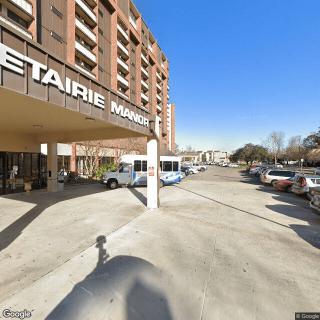
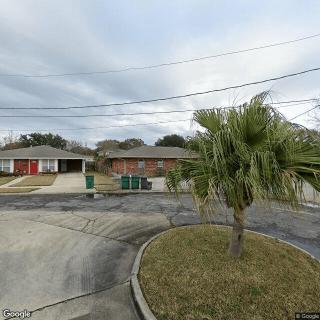
318 Transcontinental Drive, Metairie, LA 70001
For more information about senior living options: (866) 208-4318
Overall Review of St. Michael's Assisted Living II
Pros
 Residents received excellent care.
- Physical therapy helped some residents regain mobility, with one resident moving out of a wheelchair and another beginning to take steps again.
- The staff were attentive and friendly.
- The meals looked and smelled delicious.
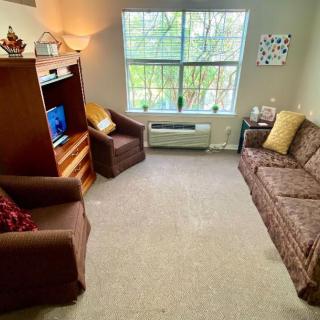
- Residents enjoyed watching TV in the living room with others.
- Residents enjoyed walking outside in the enclosed backyard.
- Families visited weekly.
- Rooms were nice and residents were happy there.
Cons
 She had dementia and sadly passed away.
Review
St. Michael’s Assisted Living II in Metairie is best suited for seniors who want a small, service-oriented community where care feels personalized, rehab remains a clear focus, and social interaction is easy to sustain. Families entering with a priority on ongoing physical therapy, steady daily assistance, and a homey atmosphere will likely find the strongest alignment here. The setting supports residents who benefit from regular movement incentives and structured routines, plus opportunities to mingle in common spaces or stroll in a secure outdoor area. The emphasis on attentive staff and a pleasant dining-and-dining-room experience also makes this community attractive to those who value consistent caregiver engagement and a vibrant, communicative environment.
Those who may want to consider alternatives include families seeking extensive, high-acuity medical supervision, facilities with broader or more specialized memory-care programming, or campuses offering a wider array of on-site amenities and activities. The performance reflected in the ratings, three and a half to four stars across four reviews, suggests variability in experience. One star signals that not every resident or family will share the same level of satisfaction, and that nuance should be weighed carefully. For residents with more complex medical needs, or for households that prioritize large-scale facilities with expansive clinical resources, it would be prudent to compare with options that emphasize those particular strengths.
The strongest positives here reside in concrete, transferable benefits: consistently excellent care and the maintenance of rehabilitative momentum. The continued physical therapy appears to produce meaningful mobility gains for residents, including a case where a resident moved from a wheelchair toward standing, and another who began taking steps again. That progress matters not just in independence, but in reducing fall risk and preserving dignity. The staff’s attentiveness and friendliness amplify these clinical gains, turning routine care into a reassuring, predictable experience. Food is repeatedly described as appealing, which matters for appetite, mood, and overall satisfaction with daily life. The combination of a pleasant dining ambiance, a living room where residents can gather, and a secure enclosed backyard supports social interaction and safe outdoor activity, both important for mental and emotional well-being.
However, the uneven feedback signal warrants caution. The presence of a 1-star rating, albeit without granular detail, signals that not all residents experience the same quality of care or environment every day. Families should probe during tours for consistency in staffing, response times, and how care plans are individualized and updated. The room quality, described as nice in at least one account, points to a reasonable level of comfort and privacy, yet prospective residents should confirm room sizes, safety features, and personalization options to ensure alignment with expectations. Memory care capabilities deserve explicit scrutiny: what structured routines exist for residents with dementia, what is the staff-to-resident ratio during key shifts, and how are cognitive and functional goals monitored and adjusted?
From a decision-making perspective, the practical path is to prioritize visits with concrete questions about rehab scheduling, progress tracking, and daily living supports. Ask for a cry of evidence on PT continuation beyond initial sessions and how progress is documented. Request opportunities to speak with current residents or family members about real-time care experiences, food quality, and routine of social activities. Validate that the enclosures, common spaces, and outdoor areas are truly accessible and safe for falls prevention, and verify that room amenities align with space and privacy expectations. Finally, compare pricing, inclusions, and any move-in incentives across competing communities to determine whether the overall value aligns with the level of care and daily life quality described in these reviews.
In sum, St. Michael’s II offers a pragmatic, care-forward option for families prioritizing steady caregiving, rehabilitative potential, and a warm social setting within a manageable footprint. It stands as a solid choice for residents who thrive on attentive staff, good food, and meaningful daily activity, with measurable mobility benefits that can enhance independence. Yet the mixed star signal and the lack of explicit detail on memory-care programming suggest that this community is not the unequivocal best fit for everyone. For families with higher demands for medical intensity or memory-care specialization, exploring alternatives that foreground those capabilities is wise. A careful visit, focused on consistency, individualized care plans, and real-world resident experiences, will determine whether St. Michael’s II will be the right match or if another Metairie option better serves long-term goals.
 8 resident community capacity
 Assisted Living
 Cable or satellite TV
 Dining room
 Fully furnished
 Garden
 Housekeeping services
 Move-in coordination
 Outdoor space
 Telephone
 Wi-Fi/high-speed internet available
 New Orleans International (4 miles away)
 24-hour supervision
 Activities of daily living assistance
 Assistance with bathing
 Assistance with dressing
 Assistance with transfers
 Diabetes diet
 Meal preparation and service
 Medication management
 Special dietary restrictions
 Transportation arrangement (medical)
 Transportation to doctors appointments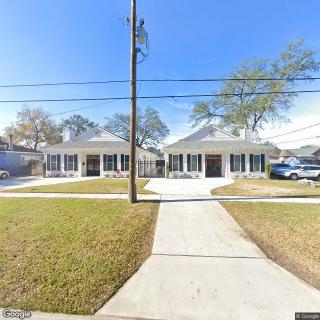




 Comprehensive Insights into Activities of Daily Living (ADLs) and Their Assessment
 Guiding Elderly Parents Who Refuse Assisted Living: 6 Practical Steps
 Your Comprehensive Guide to Luxury Assisted Living: Elevated Facilities, Amenities, and Costs