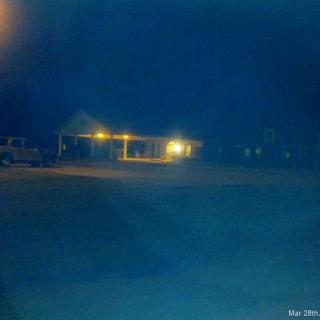
1725 Mcarthur Drive, Mansfield, LA 71052
For more information about senior living options: (866) 208-4318
Overall Review of Mansfield Nursing Center
Pros
 The reviewer notes that the food was great.
- The reviewer describes the facility as very nice.
- The reviewer acknowledges that some nurses are more skilled than others.
Cons
 They neglect patients and administer medications that hasten health decline.
- There is no trust that loved ones will be cared for properly, and the community lacks a compassionate, reliable rehab and long-term care facility.
- The staff are uncaring and unprofessional, and they lied about a relative’s condition, leaving her in a bad state.
- The facility is old and run-down; nurses and techs only respond when prompted, and the rehab services are weak.
- Despite decent food, the overall facility is not suitable for rehab due to inconsistent nursing skills and poor care quality.
Review
Mansfield Nursing Center in Mansfield, LA is best suited for seniors who need long-term custodial care and for families prepared to stay closely involved to monitor day-to-day care and advocate for timely communication. It is not a strong fit for residents who require reliable rehabilitation services, aggressive medical oversight, or consistently transparent updates about health changes. Those who prize steady access to therapy, proactive problem-solving, and well-documented care plans should look elsewhere.
The most persistent red flags in the reviews center on safety, trust, and responsiveness. Families describe neglectful patterns, with medications administered in ways that seem to hasten decline and changes in condition that aren’t promptly or clearly communicated. The concern runs deep: not knowing whether a loved one is receiving the right dosages or when a health issue is escalating creates a chilling sense of vulnerability. In short, the facility’s willingness or ability to keep families informed appears inconsistent, and that inconsistency is the root of a long shadow over day-to-day care.
Aesthetics and resource depth compound the risk. The building is described as old and downbeat, with only patched-up appearances rather than meaningful modernization. Staff availability is repeatedly tied to whether a resident can flag a need, nurses and aides “come when you ring,” which means urgent needs may sit unmet for longer than in comparable facilities. Therapy services are not robust, and while food earns some praise, it cannot compensate for the gaps in clinical oversight, therapy access, and reliable care coordination. The overall impression is a facility that can feel adequate in moments of basic routine, but unreliably strong when medical or rehabilitative demands arise.
Weighing the positives against the negatives reveals a clear imbalance. Any potential benefits, occasional kindness from staff, a few well-prepared meals, and the comfort of familiar routines, quickly get overshadowed by the most serious issues: the potential for harm from inconsistent medication administration, the lack of proactive communication about declines, and the absence of a strong therapy program. In a decision framework, the upshots do not meaningfully offset the dominant risks. For families evaluating whether a loved one can safely recover or maintain health, the math points away from Mansfield as a primary option.
Alternatives should be considered for anyone prioritizing proactive health management, transparent updates, and reliable rehabilitation. Facilities with documented higher staffing ratios, systematic family communication, and a proven track record in medication safety merit serious consideration. Before deciding, prospective residents or their advocates should request recent state or licensing reports, speak with current residents and families, and schedule on-site visits during typical active periods to observe staff response times and care rhythms. A tour that happens to align with peak hours can reveal how the team handles urgent needs and complex requests.
If placement is unavoidable in the short term, prepare a practical plan that centers on accountability and oversight. Insist on a detailed medication administration protocol, access to a dedicated care coordinator, and a clear process for family updates about any health changes. Establish a structured daily or weekly check-in with the administrator, and set expectations for prompt communication when a resident’s condition shifts. This approach, paired with vigilant, ongoing advocacy, can mitigate some risk, but it cannot erase the fundamental concern: for families seeking reliable rehab, transparent care, and consistent medical attention, Mansfield Nursing Center is unlikely to meet those standards.
 100 resident community capacity
 Skilled Nursing Facility
 Air-conditioning
 Beauty salon
 Cable or satellite TV
 Computer center
 Dining room
 Fitness room
 Fully furnished
 Gaming room
 Garden
 Housekeeping services
 Kitchenette
 Move-in coordination
 Outdoor space
 Private bathrooms
 Restaurant-style dining
 Small library
 Telephone
 Wellness center
 Wi-Fi/high-speed internet available
 Community operated transportation
 12-16 hour nursing
 24-hour call system
 Activities of daily living assistance
 Assistance with bathing
 Assistance with dressing
 Assistance with transfers
 Diabetes diet
 Medication management
 Mental wellness program
 Special dietary restrictions
 Concierge services
 Planned day trips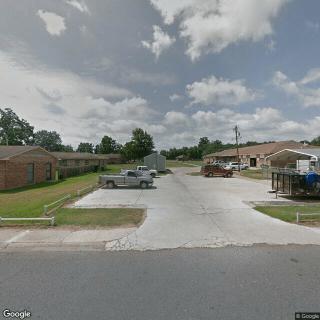




 Senior Move Management: Understanding the Role, Value, and Associated Costs
 Weight Training for Seniors: Building Strength and Vitality
 Understanding the Sandwich Generation: Stress and Responsibilities for Multigenerational Caregivers