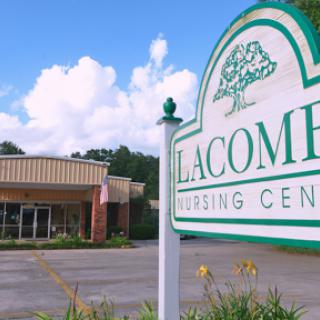
Lacombe Nursing Centre

Save
Lacombe Nursing Centre

Lacombe Nursing Centre

28119 Highway 190, Lacombe, LA 70445

For more information about senior living options: (844) 490-3973

3.8 from 20 reviews
5 stars
13
4 stars
1
3 stars
0
2 stars
1
1 stars
5

Skilled Nursing Facility

Lacombe Nursing Centre Costs & Pricing

Lacombe Nursing Centre presents competitive pricing for its services relative to both St. Tammany Parish and the broader state of Louisiana. For semi-private accommodations, Lacombe's monthly cost is $4,597, which is slightly higher than the parish average of $4,324 but significantly exceeds the state average of $3,598. Private rooms at Lacombe are priced at $5,516, placing them above both local and state benchmarks - St. Tammany's average is notably lower at $3,785, while the statewide figure stands at $4,521. The centre's studio options command a fee of $5,976 per month - again higher compared to St. Tammany's average of $3,563 and Louisiana's statewide average of $3,235. These figures suggest that while Lacombe Nursing Centre may be on the higher end of the spectrum in terms of costs, this could reflect a commitment to quality care and enhanced facilities that set it apart from other regional options.

Floor plansLacombe Nursing CentreSt. Tammany ParishLouisiana
Semi-Private$4,597$4,324$3,598
Private$5,516$3,785$4,521
Studio$5,976$3,563$3,235

Overall Review of Lacombe Nursing Centre

Pros

  • pro The staff members are considerate and kind to all.
  • pro The administration is very helpful.
  • pro The physical therapists and occupational therapists are very thorough.
  • pro Everyone who works there wants to see the patients get better.
  • pro They strive to help skilled nursing patients get home.
  • pro The staff take care of the patients as if they were their own family members.
  • pro The facility is kept clean and well maintained.
  • pro The techs and nurses are awesome, hard-working, and appear happy working there.
  • pro The staff are kind and caring; they are like family.
  • pro The Lacombe Nursing Home staff truly cares about the residents.

Cons

  • pro The facility is described as prioritizing profit over patient care.
  • pro Staff are underpaid and not fairly compensated.
  • pro CNAs and RNs allegedly don't pay attention to patients, simply pushing meds from a cart.
  • pro Housekeeping neglects cleaning and sanitizing floors and bathrooms.
  • pro There is no front desk coverage; entry relies on a doorbell with cameras watched by the same staff who push the med cart.
  • pro The staff lack professionalism and vent their personal problems on residents.
  • pro Patients are neglected at mealtimes and shuffled into hallways in wheelchairs, then forgotten.
  • pro The building has roaches, no gate, and limited parking, raising safety concerns.

Review

The Lacombe Nursing Center presents a landscape of sharply divided experiences. On one hand, there are residents and families who describe a facility that feels like home in some ways: clean surroundings, caring staff, and a sense that the place aims to help people recover and stay comfortable. On the other hand, a substantial portion of the comments paint a far bleaker picture: concerns about underwhelming pay and professional standards, neglectful moments at meals, maintenance gaps, and what many see as a troubling gap between policy and day-to-day practice. Taken together, the reviews sketch a picture of a facility that can be heartwarming and supportive for some while falling short in critical areas for others.

A recurring thread concerns the quality and spirit of the caregiving staff. Several reviewers praise individuals who they say bring kindness, warmth, and genuine concern to residents, with phrases like "considerate and kind to all," "the staff are awesome," and "they truly care about the residents." In these accounts, therapists and nurses come across as dedicated, with physical, occupational, and speech therapy described as thorough and rigorous, contributing to a sense that residents are actively pursued toward improvement and return home if possible. Yet other testimonials describe a different reality: staff who seem spread thin, who may be dealing with personal burdens and who can feel emotionally overextended, to the point where the care experience becomes patchwork rather than consistently attentive. There are mentions of pay disputes and a perception that staff morale or professionalism is uneven, which some readers interpret as a signal of broader systemic issues rather than isolated incidents.

At mealtimes and day-to-day care, experiences vary dramatically. A number of comments allege neglect or disruptions during meals - residents being shoved into hallways in wheelchairs or forgotten in places they should not be - creating a sense of vulnerability and discomfort for families watching from the sidelines. In contrast, other families say their loved ones are well cared for during meals and daily routines, with staff who are attentive enough to progress toward discharge goals and provide meaningful support. The duality in these accounts suggests that day-to-day routines may be inconsistent, dependent on personnel on shift or perhaps on the specific unit within the facility, rather than a uniform standard across the campus.

Security, supervision, and the overall environment also draw contrasting opinions. Several reviewers note practical concerns: there are cameras around the facility, but front desk coverage and gate security can feel lax, with doors sometimes opening after a simple press of a button. Some express unease about a system where the same people who monitor the cameras are the ones who push med carts, raising questions about visibility, accountability, and safety. There are mentions of roaches in rooms and bathrooms, which is not only unappealing but also raises red flags for hygiene standards. Parking is described as insufficient, and while the building's accessibility on a major road is noted as a potential positive, the lack of a gate and other security considerations contribute to a perception of vulnerability for guests and residents alike.

Cleanliness and facility condition appear as another spectrum in the reviews. A number of entries highlight cleanliness and pleasant smells as a strong positive: a well-kept appearance, tidy rooms, and an overall impression of cleanliness that makes families feel comfortable about bringing loved ones there. But there are other voices that sharply disagree, reporting persistent bugs or roaches, and suggesting that cleaning and sanitation practices sometimes fall short. This inconsistency may reflect variability between shifts, cleaning staff coverage issues, or inconsistencies in upkeep across different parts of the building. The tension between "always clean" and "bugs in rooms" is perhaps the most striking theme when reading the collection as a whole.

Relationships with families and the broader culture of the facility are not consistent across accounts. Some reviewers describe Lacombe as a place that feels like family, where staff are open, compassionate, and communicative with relatives. Others warn potential visitors that the facility is not prepared to provide the level of care a loved one deserves, urging families to investigate thoroughly and to visit often. There are stories of care teams that bonded with residents and moments when families witnessed staff go above and beyond, balanced by cautionary anecdotes where the facility fell short in critical moments and left families feeling shocked or alarmed, especially when a loved one's health declined or when urgent medical needs seemed to be overlooked.

Cost and value also surface in the reviews, with several comments acknowledging that nursing home care is expensive and that the Lacombe option is not necessarily cheap, even when described by some as affordable. A few reviewers emphasize that despite the price, the care received did not meet expectations, prompting a sense of disappointment and a call for more diligent evaluation before making placement decisions. The overall mix of financial considerations, perceived quality of care, and personal experiences makes it clear that prospective families should conduct thorough due diligence: visit frequently, ask specific questions about staffing ratios and on-site coverage, request transparent information about incident handling, and seek references from multiple current or former residents and families.

Across the spectrum, there are stories that speak to the capacity of Lacombe to be a place of genuine care and improvement, alongside warnings that it can be a place of neglect or danger if families are not vigilant. The facility is described by some as a warm, family-like environment with supportive staff, rigorous rehabilitation programs, and a clean, welcoming atmosphere. For others, the same setting feels tired, under-resourced, and at times unsafe. The divergent experiences highlight the critical importance of firsthand visits, conversations with staff and administration, and careful review of each resident's needs, because what works wonders for one person can fall far short for another.

In sum, Lacombe Nursing Center appears to be a facility of contrasts. For some residents and families, it offers compassionate care, strong rehabilitation services, and a homey atmosphere that makes them feel secure and valued. For others, it raises serious concerns about staffing, attentiveness, safety, and basic hygiene, with several accounts calling for more stringent oversight and improvement. Anyone considering this center should approach it with a careful, questions-first mindset: verify staffing levels and shift patterns, inspect the facility personally for cleanliness and safety, speak candidly with current residents and their families about meal routines and daily care, and demand transparent information about policies, grievances, and how emergencies are managed. The breadth of experiences captured in these accounts makes clear that the facility's strengths and weaknesses can vary widely from one encounter to the next.

Features

Housing

  • 98 resident community capacity 98 resident community capacity

Types of Care

  • Skilled Nursing Facility Skilled Nursing FacilitySkilled Nursing Facilities are crucial for seniors as they provide round-the-clock medical care, rehabilitation services, and assistance with daily activities. These facilities ensure that seniors receive the specialized care they need to maintain their health and well-being as they age.

Amenities

  • Air-conditioning Air-conditioningAir conditioning is important for seniors as they are more vulnerable to heat-related illnesses and may have underlying health conditions that make it difficult for them to regulate their body temperature. It helps to keep them comfortable, safe, and healthy in hot weather.
  • Beauty salon Beauty salonBeauty salons are important for seniors because they provide a space for them to feel pampered, socialize, and maintain their personal grooming and hygiene. Regular visits to a beauty salon can help boost seniors' self-esteem and overall well-being.
  • Cable or satellite TV Cable or satellite TVCable or satellite TV is important for seniors because it provides entertainment, news, and companionship, helping to combat loneliness and boredom. It also offers a wide range of programming options tailored to different interests and preferences.
  • Computer center Computer centerA computer center is essential for seniors as it provides access to technology, communication tools, and resources that can enhance their daily lives. It allows them to stay connected with loved ones, engage in online activities, and learn new skills, ultimately promoting socialization and mental stimulation.
  • Dining room Dining roomDining rooms are important for seniors as they provide a space for socialization, connection, and nutritious meals. They offer opportunities for residents to bond over shared meals, foster a sense of community, and promote healthy eating habits. Dining rooms also ensure that seniors have access to well-balanced meals tailored to their dietary needs and preferences.
  • Fitness room Fitness roomHaving a fitness room in a senior living community is essential for seniors to stay active, maintain their physical health, and improve their overall well-being. Regular exercise can help prevent falls, reduce the risk of chronic diseases, and promote mental sharpness. It also provides social opportunities for residents to connect with others and enjoy a sense of community.
  • Fully furnished Fully furnishedFully furnished senior living communities are important for seniors because they provide convenience, comfort, and a hassle-free moving experience. Seniors can easily settle into their new living space without the stress of having to buy and move furniture. This allows them to focus on enjoying their new home and community.
  • Gaming room Gaming roomGaming rooms are important for seniors as they provide a fun and engaging environment for socializing, cognitive stimulation, and physical activity. Games can improve memory, problem-solving skills, and overall mental well-being while fostering friendships and reducing feelings of isolation.
  • Garden GardenGardens are important for seniors as they provide a peaceful and therapeutic environment for relaxation, physical activity, and socialization. Being in nature has been shown to reduce stress, improve mood, and promote overall well-being. Gardens also offer opportunities for seniors to engage in gardening activities, which can improve mobility, flexibility, and cognitive function. Additionally, gardens create a sense of community and connection with others who share a passion for plants and outdoor spaces.
  • Housekeeping services Housekeeping servicesHousekeeping services are important for seniors because they help maintain a clean and safe living environment, promote independence, and reduce the risk of accidents or illnesses. Additionally, having assistance with household chores can alleviate physical strain and allow seniors to focus on other aspects of their well-being.
  • Kitchenette KitchenetteKitchenettes are important for seniors living in senior living communities because they provide the convenience and independence of being able to prepare simple meals and snacks in the comfort of their own living space. This can help promote a sense of autonomy and well-being for seniors, allowing them to maintain some level of control over their dietary choices and daily routines.
  • Move-in coordination Move-in coordinationMove-in coordination is important for seniors because it helps ease the transition into their new living environment. It ensures that all logistics, such as packing, organizing movers, and setting up utilities are taken care of, allowing seniors to focus on settling in and adjusting to their new home. Having a smooth move-in process can alleviate stress and anxiety, making the transition smoother and more enjoyable for seniors.
  • Outdoor space Outdoor spaceOutdoor spaces are important for seniors as they provide opportunities for physical activity, social interaction, exposure to natural light and fresh air, and a sense of connection to nature. Having access to outdoor spaces can improve overall well-being and quality of life for older adults living in senior communities.
  • Private bathrooms Private bathroomsPrivate bathrooms are important for seniors in senior living communities because they provide independence, dignity, and comfort. Having a private bathroom allows seniors to maintain their personal hygiene routines without the need for assistance, promoting a sense of autonomy and privacy. Additionally, private bathrooms help prevent the spread of infections and provide a safe and clean environment for seniors to navigate safely.
  • Restaurant-style dining Restaurant-style diningRestaurant-style dining is important for seniors because it allows them to enjoy delicious, nutritious meals in a social and upscale setting. This enhances their dining experience, promotes healthy eating habits, and fosters socialization with fellow residents, ultimately contributing to their overall well-being and quality of life.
  • Small library Small librarySmall libraries are important for seniors as they provide access to a variety of reading materials, including books, newspapers, and magazines. This can help stimulate their minds, keep them engaged, and provide a sense of community through book clubs and other social activities. Additionally, reading has been shown to improve cognitive function and overall mental well-being in older adults.
  • Telephone TelephoneTelephones are important for seniors as they provide a lifeline for communication with loved ones, emergency services, and healthcare providers. They offer a sense of security and independence, enabling seniors to stay connected and access assistance when needed.
  • Wellness center Wellness centerWellness centers are important for seniors because they offer a variety of programs and services that promote physical, mental, and emotional well-being. These centers provide opportunities for exercise, socialization, education, and relaxation, helping seniors maintain their overall health and quality of life.
  • Wi-Fi/high-speed internet available Wi-Fi/high-speed internet availableWi-Fi/high-speed internet is important for seniors to stay connected with loved ones, access online resources, and participate in virtual activities to combat feelings of loneliness and isolation. It also allows them to easily manage healthcare needs, access entertainment, and engage in lifelong learning opportunities.

Transportation

  • Community operated transportation Community operated transportationCommunity operated transportation is crucial for seniors as it provides them with the means to access essential services, social activities, and medical appointments. It allows seniors to maintain their independence and quality of life by ensuring they can participate in activities outside of their homes. Additionally, community-operated transportation services offer a safe and reliable way for seniors to travel without having to rely on family or friends for assistance.
  • Transportation arrangement Transportation arrangementTransportation arrangements are crucial for seniors as they may face challenges with driving, mobility, or access to public transportation. Having reliable transportation services ensures that seniors can easily attend appointments, social activities, and maintain their independence and quality of life.
  • Transportation arrangement (non-medical) Transportation arrangement (non-medical)Transportation arrangements are essential for seniors as they provide access to essential services, activities, and social interactions outside the home. This service helps maintain independence, mobility, and overall well-being for seniors who may have limited transportation options.
  • Transportation to doctors appointments Transportation to doctors appointmentsTransportation to doctors appointments is crucial for seniors as it ensures they have access to necessary medical care and support, promoting their health and well-being. It allows them to receive timely treatment, monitor existing conditions, and address any new health concerns efficiently. Additionally, transportation services can help seniors maintain their independence and quality of life by enabling them to stay connected with their healthcare providers.

Care Services

  • 12-16 hour nursing 12-16 hour nursing12-16 hour nursing care is crucial for seniors in order to ensure around-the-clock monitoring, timely medication administration, and prompt response to any health concerns or emergencies. This level of care helps to promote the overall well-being and safety of seniors living in senior living communities.
  • 24-hour call system 24-hour call system24-hour call systems are important for seniors because they provide peace of mind and immediate assistance in case of emergencies. This technology ensures that help is always available, promoting safety and security for elderly individuals living alone or in assisted living facilities.
  • 24-hour supervision 24-hour supervision24-hour supervision is important for seniors to ensure their safety, well-being, and access to immediate assistance in case of emergencies or health issues. This constant support provides peace of mind for both seniors and their loved ones, allowing them to age in place with dignity and security.
  • Activities of daily living assistance Activities of daily living assistanceActivities of daily living assistance are important for seniors because they provide essential support with tasks such as eating, bathing, dressing, and mobility. This assistance helps seniors maintain their independence, dignity, and overall quality of life as they age.
  • Assistance with bathing Assistance with bathingAssistance with bathing is crucial for seniors as it helps maintain personal hygiene, prevents infections, and ensures their overall well-being and comfort. It also provides a sense of dignity and independence for seniors who may struggle with this task on their own.
  • Assistance with dressing Assistance with dressingAssistance with dressing is important for seniors because it helps maintain their independence, promotes personal hygiene, prevents accidents and injuries, and improves overall quality of life. This service ensures that seniors can continue to dress comfortably and confidently, despite any physical limitations they may have.
  • Assistance with transfers Assistance with transfersAssistance with transfers is crucial for seniors as it helps prevent falls and injuries, maintains their independence, and ensures they can safely navigate their living environment. It also provides peace of mind for both seniors and their loved ones.
  • Diabetes diet Diabetes dietA diabetes diet is crucial for seniors as it helps manage blood sugar levels, reduce risks of complications, and improve overall health and well-being. By following a balanced and nutritious diet tailored to their specific needs, seniors can better control their diabetes and enhance their quality of life.
  • Meal preparation and service Meal preparation and serviceMeal preparation and service are crucial for seniors as they may have limited mobility or energy to cook nutritious meals. Having access to healthy and convenient food options can ensure they are getting the proper nutrition needed to maintain their overall health and well-being.
  • Medication management Medication managementMedication management is crucial for seniors to ensure they are taking the right medications at the correct dosages and times. This helps prevent adverse drug interactions, reduces the risk of medication errors, and promotes overall health and well-being. Proactive management also allows for adjustments as needed based on changing health conditions or new prescriptions.
  • Mental wellness program Mental wellness programMental wellness programs are essential for seniors as they promote cognitive stimulation, emotional support, and social engagement. These programs help prevent isolation, depression, and cognitive decline, ultimately enhancing the overall quality of life for older adults.
  • Special dietary restrictions Special dietary restrictionsSpecial dietary restrictions are important for seniors because age-related changes in metabolism and health conditions can make it difficult for their bodies to process certain foods. By following a diet tailored to their specific needs, seniors can maintain their overall health and well-being, manage chronic conditions, and reduce the risk of complications such as malnutrition or food interactions with medications.

Dining

  • Diabetes diet Diabetes dietA diabetes diet is crucial for seniors as it helps manage blood sugar levels, reduce risks of complications, and improve overall health and well-being. By following a balanced and nutritious diet tailored to their specific needs, seniors can better control their diabetes and enhance their quality of life.
  • Special dietary restrictions Special dietary restrictionsSpecial dietary restrictions are important for seniors because age-related changes in metabolism and health conditions can make it difficult for their bodies to process certain foods. By following a diet tailored to their specific needs, seniors can maintain their overall health and well-being, manage chronic conditions, and reduce the risk of complications such as malnutrition or food interactions with medications.

Activities

  • Community-sponsored activities Community-sponsored activitiesCommunity-sponsored activities are important for seniors as they provide opportunities for social interaction, mental stimulation, and physical activity. These activities can help improve overall well-being, combat loneliness and isolation, and promote a sense of belonging and purpose among older adults.
  • Concierge services Concierge servicesConcierge services are essential for seniors as they provide assistance with daily tasks and errands, enhance their quality of life by offering convenience and personalized care, and promote a sense of safety and security.
  • Fitness programs Fitness programsFitness programs are crucial for seniors as they help improve strength, flexibility, balance, and overall well-being. Staying active can reduce the risk of chronic diseases, improve mental health, and enhance quality of life in older adults.
  • Planned day trips Planned day tripsPlanned day trips are important for seniors because they offer opportunities for socialization, mental stimulation, and physical activity. They provide a change of scenery and help seniors stay engaged and connected to their community, promoting overall well-being and quality of life.
  • Resident-run activities Resident-run activitiesResident-run activities are important for seniors as they encourage social interaction, creativity, and a sense of autonomy. These activities empower seniors to stay engaged and active in their community while fostering meaningful connections with their peers.
  • Scheduled daily activities Scheduled daily activitiesScheduled daily activities are important for seniors because they provide structure, socialization, mental stimulation, and physical activity. Engaging in regular activities can improve overall well-being and quality of life for seniors living in a community setting.

Description

Lacombe Nursing Centre is a premier assisted living community located in Lacombe, LA. With a range of amenities and care services available, residents can enjoy a comfortable and convenient lifestyle.

Our community offers a variety of amenities to enhance the daily lives of our residents. From a beauty salon, where they can get pampered and styled, to cable or satellite TV in their fully furnished apartments for entertainment, we strive to provide all the comforts of home. Our dining room serves delicious restaurant-style meals with special dietary restrictions taken into consideration. Residents can also enjoy the peaceful outdoor space and garden, as well as access to high-speed Wi-Fi throughout the community.

We understand that transportation needs may arise, both for non-medical purposes and for doctor's appointments. That's why we offer community-operated transportation as well as arrangements for medical transportation. Additionally, our move-in coordination service makes transitioning into our community seamless.

When it comes to care services, our dedicated staff is available 24/7 with a 24-hour call system and supervision to ensure the safety and wellbeing of our residents. Assistance with activities of daily living such as bathing, dressing, and transfers is provided by trained caregivers. Medication management is also offered to help residents stay on track with their prescriptions.

To promote mental wellness, we have a mental wellness program in place that provides support and resources for emotional wellbeing. We also organize a variety of activities throughout the day including fitness programs, planned day trips, resident-run activities, and scheduled daily activities so that residents can engage in hobbies and socialize with their peers.

With one physician and hospital nearby, healthcare needs are conveniently met within close proximity to our community.

At Lacombe Nursing Centre, we strive to create an enriching environment where seniors can maintain their independence while receiving the assistance they need.

Nearby Places of Interest

Physicians

  • North Institute (3.2 miles)
  • Sleep Rite PSG (7.8 miles)
  • Ochsner Clinic Northshore (9 miles)
  • Brian H Strand, MD FACS (9.3 miles)
  • Nathan Rias Brown (9.9 miles)
  • The Fertility Institute (10.2 miles)
  • Doctors Urgent Care (10.2 miles)

Hospitals

  • Beacon Behavioral Hospital (3.3 miles)
  • Lurline Smith Mental Health Center (8.8 miles)
  • Sterling Surgical Hospital (10.2 miles)
  • Doctors' Hospital of Slidell (10.2 miles)
  • Slidell Memorial Hospital (10.3 miles)
  • SMH Outpatient Rehabilitation Services (10.3 miles)

Restaurants

  • IHOP (6.7 miles)
  • Sonic Drive-In (6.7 miles)
  • Burger King (6.8 miles)
  • Krystal (6.8 miles)
  • Raising Cane's Chicken Fingers (6.8 miles)
  • McDonald's (6.8 miles)
  • Kazoku Sushi (8.1 miles)

Pharmacies

  • Walgreens (6.9 miles)
  • CVS Pharmacy (8 miles)
  • Walgreens (8.2 miles)
  • C & C Drugs (8.3 miles)
  • Winn-Dixie (9.2 miles)
  • Walgreens (9.7 miles)
  • Walgreens (9.8 miles)

Transportation

  • Air Reldan (7.2 miles)

Cafes

  • PJ s Coffee (8 miles)
  • Bo Tea Cafe (9.9 miles)
  • Starbucks (10.3 miles)
  • Cafe Du Monde Coffee Stand (10.6 miles)

Parks

  • Possum Hollow Park (10 miles)

Places of Worship

  • St Timothy On The North Shore (10.3 miles)

Frequently Asked Questions

How much does it cost to live at Lacombe Nursing Centre in Lacombe, LA?
Where is Lacombe Nursing Centre?

Nearby Communities

Related Resources

  • caregiver burnoutCaregiver Exhaustion: Recognizing the Signs and Restoring Your Well-Being

    Caregiver exhaustion, or burnout, stems from the relentless demands of caregiving, leading to emotional and physical depletion characterized by stress, frustration, and neglect of personal needs. Addressing this burden is essential to prevent long-term consequences, with early recognition and support being crucial for caregivers to maintain balance and implement self-care.

  • what is hospice care at homeUnderstanding Hospice Care at Home: Comprehensive Services, Key Benefits, and Eligibility

    Hospice care at home provides specialized end-of-life support that focuses on comfort and dignity for individuals with life-limiting illnesses, offering a range of services including medical management, emotional and spiritual support, and logistical assistance tailored to the family's needs. It involves collaboration to create individualized care plans and extends to bereavement support after a loved one's passing.

  • how much does 24/7 in home care cost per monthUnderstanding the Full Cost of 24/7 In-Home Care: A Detailed Overview
    The guide outlines the rising costs of 24/7 in-home care, ranging from $10,000 to over $20,000 monthly, driven by factors such as location and caregiver qualifications. It discusses the limited coverage by Medicare and private insurance, potential Medicaid support, and the emotional and living condition considerations influencing families' decisions on care arrangements.