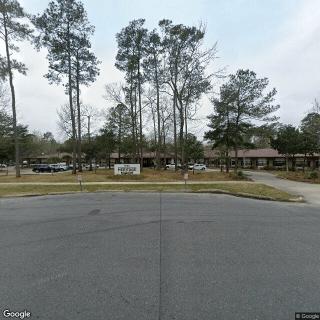
Wren Way Transitional Housing (Males)

63040 Wren Way, Mandeville, LA 70448

For more information about senior living options: (844) 490-3973

3.9 from 16 reviews
5 stars
11
4 stars
0
3 stars
1
2 stars
0
1 stars
4

Assisted Living

Overall Review of Wren Way Transitional Housing (Males)

Pros

  • pro The staff are warm and loving, taking in families in need.
  • pro The program is awesome and really helps others; the people are awesome.
  • pro Family Promise is an excellent organization that helps families regain stability.
  • pro The staff are great and committed to helping families in need.
  • pro Mrs. David is always willing to assist.
  • pro Two families come together as one through the program.
  • pro They have helped countless families regain their stability and get back on their feet.

Cons

  • pro Diane is described as a tyrant who rules with an iron fist.
  • pro She makes up her own rules and looks for any excuse to throw families out, even with kids.
  • pro She opens mail and talks about how you should hit your kids.
  • pro She is gruff, harsh, and aggressive, causing children to cry.
  • pro She brags about giving her son a black eye right before school picture day.
  • pro The reviewer alleges staff tampered with mail and intends to press charges.
  • pro They feel the staff do not care about helping people at this location.

Review

Across a spectrum of experiences, this community's efforts to help families facing homelessness come through in bright moments of relief and in darker, more troubling notes. The overarching idea is simple: there are people who are trying to move from uncertainty and shelter insecurity toward stability, especially when there is a baby or young child involved. Yet the path is not the same for everyone, and the stories gathered here show both the flaws and the strengths in how support is delivered, how quickly help arrives, and how safe and respected families feel while they navigate a difficult period.

Several accounts center on the ache of waiting and the frustration of not hearing back after you reach out for help. One person describes making a call a week or more ago and still not receiving a callback, despite sharing a lot of personal information that they felt uneasy about giving up front. That sense of being left in limbo - particularly when there's a baby involved and mounting expenses for a hotel room - highlights a systemic tension between urgent need and sometimes slow or incomplete outreach. The sentiment echoes through other notes too: the feeling that trust is hard to earn when answers don't come quickly enough, and the fear of slipping deeper into homelessness without a clear plan.

There are particularly intense, negative experiences voiced about a specific staff member described as a tyrant by one reviewer. The account portrays a case manager who allegedly operates with an iron fist, fabricates or enforces rules, and creates a tense atmosphere that left a child distressed and a parent overwhelmed. The reviewer claims mail tampering occurred and frames the situation as a serious breach of trust, even mentioning plans to press charges. While these are grave allegations, they are presented here as claims made by someone in the moment of crisis, not as established facts about the program. The emphasis is on how such behavior, if real, would severely undermine the safety and dignity that families deserve during a vulnerable time.

In contrast, other voices paint a far gentler, more hopeful picture of the program and the people involved. There are notes of warmth and hospitality from staff and volunteers who opened their doors to families who needed a place to stay. One rousing sentiment celebrates a moment when "two families came together as one," describing warm, loving people who took in the family and walked with them through the process, offering guidance, patience, and a renewed sense of responsibility as a parent. The language suggests a genuine second chance - a turning point that allowed a father to step into a healthier role for his children and to begin rebuilding stability with ordinary, human support.

More generally, several reviews celebrate the program as an overall source of help and hope. A number of people describe the program as "awesome" and "awesome people," crediting the staff with making real differences in their lives. They emphasize the practical impact - finding shelter, receiving guidance, and gaining access to resources that help families regain stability. The positive notes also underscore a belief in the program's mission: that it can be a reliable lifeline for families who are trying to get back on their feet, especially when the road ahead seems unclear or unstable.

Within the positive threads, there are specific praise for particular staff members. One reviewer mentions a person named Mrs. David who is described as always willing to assist, and another line highlights that the staff are easygoing and supportive. Such remarks contribute to a sense that, for many, there are individuals within the organization who genuinely embody the mission of helping families in need, showing patience, responsiveness, and a readiness to help families navigate the system even during tough times.

Taken together, these reviews present a picture of a program that can be a lifeline, but one that also faces serious challenges. The most pressing themes revolve around timely communication and respectful, consistent treatment by staff. When calls and emails go unanswered, the stress of homelessness compounds the already overwhelming situation. When interactions with staff are described as harsh or controlling, trust erodes and the potential for safe, constructive engagement falters. Yet amid the grievances, stories of rescue, generosity, and second chances remind readers that there is real, compassionate work happening in the same space.

For anyone reading these narratives, the message is nuanced and complex. There is undeniable value to the support network that exists for families in crisis, and there are equally undeniable concerns that must be addressed to ensure safety, dignity, and reliability. The best possible takeaway is to acknowledge the human factors at play: the line between compassionate, timely help and frustrating delays; between supportive guidance and perceived rigidity; and between the promise of a fresh start and the anxieties that come with being one misstep away from losing a roof over a child's head. If you or someone you know finds themselves in a situation like this, seeking immediate help from multiple channels and documenting every interaction can help ensure that urgent needs are met while safeguarding personal safety and well-being.

Features

Housing

  • 6 resident community capacity 6 resident community capacity

Types of Care

  • Assisted Living Assisted LivingAssisted living facilities provide crucial support and care for seniors who may need help with daily tasks such as medication management, bathing, and meal preparation. These communities offer a safe and comfortable environment where seniors can maintain their independence while receiving the assistance they need to thrive in their golden years.

Amenities

  • Cable or satellite TV Cable or satellite TVCable or satellite TV is important for seniors because it provides entertainment, news, and companionship, helping to combat loneliness and boredom. It also offers a wide range of programming options tailored to different interests and preferences.
  • Dining room Dining roomDining rooms are important for seniors as they provide a space for socialization, connection, and nutritious meals. They offer opportunities for residents to bond over shared meals, foster a sense of community, and promote healthy eating habits. Dining rooms also ensure that seniors have access to well-balanced meals tailored to their dietary needs and preferences.
  • Fully furnished Fully furnishedFully furnished senior living communities are important for seniors because they provide convenience, comfort, and a hassle-free moving experience. Seniors can easily settle into their new living space without the stress of having to buy and move furniture. This allows them to focus on enjoying their new home and community.
  • Garden GardenGardens are important for seniors as they provide a peaceful and therapeutic environment for relaxation, physical activity, and socialization. Being in nature has been shown to reduce stress, improve mood, and promote overall well-being. Gardens also offer opportunities for seniors to engage in gardening activities, which can improve mobility, flexibility, and cognitive function. Additionally, gardens create a sense of community and connection with others who share a passion for plants and outdoor spaces.
  • Housekeeping services Housekeeping servicesHousekeeping services are important for seniors because they help maintain a clean and safe living environment, promote independence, and reduce the risk of accidents or illnesses. Additionally, having assistance with household chores can alleviate physical strain and allow seniors to focus on other aspects of their well-being.
  • Move-in coordination Move-in coordinationMove-in coordination is important for seniors because it helps ease the transition into their new living environment. It ensures that all logistics, such as packing, organizing movers, and setting up utilities are taken care of, allowing seniors to focus on settling in and adjusting to their new home. Having a smooth move-in process can alleviate stress and anxiety, making the transition smoother and more enjoyable for seniors.
  • Outdoor space Outdoor spaceOutdoor spaces are important for seniors as they provide opportunities for physical activity, social interaction, exposure to natural light and fresh air, and a sense of connection to nature. Having access to outdoor spaces can improve overall well-being and quality of life for older adults living in senior communities.
  • Telephone TelephoneTelephones are important for seniors as they provide a lifeline for communication with loved ones, emergency services, and healthcare providers. They offer a sense of security and independence, enabling seniors to stay connected and access assistance when needed.
  • Wi-Fi/high-speed internet available Wi-Fi/high-speed internet availableWi-Fi/high-speed internet is important for seniors to stay connected with loved ones, access online resources, and participate in virtual activities to combat feelings of loneliness and isolation. It also allows them to easily manage healthcare needs, access entertainment, and engage in lifelong learning opportunities.

Care Services

  • 24-hour supervision 24-hour supervision24-hour supervision is important for seniors to ensure their safety, well-being, and access to immediate assistance in case of emergencies or health issues. This constant support provides peace of mind for both seniors and their loved ones, allowing them to age in place with dignity and security.
  • Activities of daily living assistance Activities of daily living assistanceActivities of daily living assistance are important for seniors because they provide essential support with tasks such as eating, bathing, dressing, and mobility. This assistance helps seniors maintain their independence, dignity, and overall quality of life as they age.
  • Assistance with bathing Assistance with bathingAssistance with bathing is crucial for seniors as it helps maintain personal hygiene, prevents infections, and ensures their overall well-being and comfort. It also provides a sense of dignity and independence for seniors who may struggle with this task on their own.
  • Assistance with dressing Assistance with dressingAssistance with dressing is important for seniors because it helps maintain their independence, promotes personal hygiene, prevents accidents and injuries, and improves overall quality of life. This service ensures that seniors can continue to dress comfortably and confidently, despite any physical limitations they may have.
  • Assistance with transfers Assistance with transfersAssistance with transfers is crucial for seniors as it helps prevent falls and injuries, maintains their independence, and ensures they can safely navigate their living environment. It also provides peace of mind for both seniors and their loved ones.
  • Coordination with health care providers Coordination with health care providersCoordination with health care providers is crucial for seniors to ensure proper medical care, medication management, and overall well-being. This collaboration helps prevent overlapping treatments, track progress more effectively, and provide comprehensive support tailored to individual needs.
  • Diabetes diet Diabetes dietA diabetes diet is crucial for seniors as it helps manage blood sugar levels, reduce risks of complications, and improve overall health and well-being. By following a balanced and nutritious diet tailored to their specific needs, seniors can better control their diabetes and enhance their quality of life.
  • Meal preparation and service Meal preparation and serviceMeal preparation and service are crucial for seniors as they may have limited mobility or energy to cook nutritious meals. Having access to healthy and convenient food options can ensure they are getting the proper nutrition needed to maintain their overall health and well-being.
  • Medication management Medication managementMedication management is crucial for seniors to ensure they are taking the right medications at the correct dosages and times. This helps prevent adverse drug interactions, reduces the risk of medication errors, and promotes overall health and well-being. Proactive management also allows for adjustments as needed based on changing health conditions or new prescriptions.
  • Special dietary restrictions Special dietary restrictionsSpecial dietary restrictions are important for seniors because age-related changes in metabolism and health conditions can make it difficult for their bodies to process certain foods. By following a diet tailored to their specific needs, seniors can maintain their overall health and well-being, manage chronic conditions, and reduce the risk of complications such as malnutrition or food interactions with medications.
  • Transportation arrangement (medical) Transportation arrangement (medical)Transportation arrangements for medical purposes are essential for seniors as they may have difficulty driving themselves to appointments or accessing public transportation. Having reliable and safe transportation options ensures that seniors can receive timely medical care and maintain their health and well-being.
  • Transportation to doctors appointments Transportation to doctors appointmentsTransportation to doctors' appointments is crucial for seniors as it ensures they have access to necessary medical care and support for their health needs. Without reliable transportation, seniors may struggle to attend important appointments, leading to potential delays in treatment and health complications. Providing transportation services helps seniors maintain their overall well-being and quality of life.

Dining

  • Diabetes diet Diabetes dietA diabetes diet is crucial for seniors as it helps manage blood sugar levels, reduce risks of complications, and improve overall health and well-being. By following a balanced and nutritious diet tailored to their specific needs, seniors can better control their diabetes and enhance their quality of life.
  • Special dietary restrictions Special dietary restrictionsSpecial dietary restrictions are important for seniors because age-related changes in metabolism and health conditions can make it difficult for their bodies to process certain foods. By following a diet tailored to their specific needs, seniors can maintain their overall health and well-being, manage chronic conditions, and reduce the risk of complications such as malnutrition or food interactions with medications.

Activities

  • Community-sponsored activities Community-sponsored activitiesCommunity-sponsored activities are important for seniors as they provide opportunities for social interaction, mental stimulation, and physical activity. These activities can help improve overall well-being, combat loneliness and isolation, and promote a sense of belonging and purpose among older adults.
  • Scheduled daily activities Scheduled daily activitiesScheduled daily activities are important for seniors because they provide structure, socialization, mental stimulation, and physical activity. Engaging in regular activities can improve overall well-being and quality of life for seniors living in a community setting.

Description

Wren Way Transitional Housing is a transitional housing community located in Mandeville, LA, providing comfortable and supportive living arrangements for males. Our fully furnished rooms offer a comforting space for residents to call home. We understand the importance of maintaining an active and independent lifestyle, which is why our care services include assistance with daily activities such as bathing, dressing, and transfers.

Our dedicated staff ensures that residents receive the necessary support by coordinating with health care providers and managing medications. We also provide specialized care services for those with diabetes, including specific diet plans.

Meals are prepared and served on-site, taking into consideration any special dietary restrictions that residents may have. Our dining room provides a convenient space for socializing and enjoying delicious meals together.

To encourage an engaging lifestyle, we offer scheduled daily activities to keep residents entertained and mentally stimulated. Outdoor spaces including a garden allow residents to enjoy nature while Wi-Fi/high-speed internet ensures connectivity to loved ones.

We prioritize convenience by having two cafes, six pharmacies, eight physicians' offices, and sixteen restaurants nearby. Places of worship are also within close proximity to cater to spiritual needs. In case of medical emergencies or appointments, transportation arrangements can be made for residents.

At Wren Way Transitional Housing, we strive to create a warm and welcoming environment where individuals can feel supported in their transition period while maintaining their independence and quality of life.

Nearby Places of Interest

This part of Mandeville, Louisiana, offers a convenient and vibrant community with access to various amenities and services that cater to the needs of seniors. With multiple physicians, pharmacies, and hospitals within a short distance, residents have easy access to healthcare facilities. Additionally, there are several cafes and restaurants nearby for socializing and enjoying meals with friends or family. The area also boasts a place of worship for spiritual nourishment and a theater for entertainment. For outdoor activities, Bogue Falaya Park is just a short drive away, providing opportunities for leisurely walks or picnics. Overall, this part of Mandeville provides a well-rounded environment for senior living with an array of conveniences close by.

Physicians

  • Sleep Rite PSG (2.3 miles)
  • Ochsner Clinic Northshore (3.5 miles)
  • Brian H Strand, MD FACS (3.8 miles)
  • The Fertility Institute (4.7 miles)
  • St Tammany Physicians Network (4.8 miles)
  • Northlake Medical Psychology And Counseling (4.8 miles)
  • James W Christopher Md (4.9 miles)

Cafes

  • PJ s Coffee (2.5 miles)
  • Starbucks (4.9 miles)
  • Cafe Du Monde Coffee Stand (5.2 miles)
  • Pj's Coffee (5.9 miles)
  • Starbucks (7.6 miles)
  • Abita Roasting Co. Madisonville (8.9 miles)

Pharmacies

  • CVS Pharmacy (2.6 miles)
  • Walgreens (2.7 miles)
  • C & C Drugs (3.3 miles)
  • Walgreens (4.5 miles)
  • CVS Pharmacy (4.5 miles)
  • Winn-Dixie (4.6 miles)
  • Walgreens (5.7 miles)

Restaurants

  • McDonald's (2.7 miles)
  • Kazoku Sushi (2.7 miles)
  • Rips On The Lake (2.7 miles)
  • Northlake Seafood (2.8 miles)
  • The Barley Oak (2.9 miles)
  • Mandeville Seafood Market & Eatery (3 miles)
  • Liz's Where Y'at Diner (3.2 miles)

Hospitals

  • Lurline Smith Mental Health Center (3.3 miles)
  • Beacon Behavioral Hospital (6.4 miles)

Places of Worship

  • St Timothy On The North Shore (4.9 miles)

Theaters

  • Movie Tavern Covington (7 miles)

Parks

  • Bogue Falaya Park (9.6 miles)

Frequently Asked Questions

Where is Wren Way Transitional Housing (Males)?

Nearby Communities

Related Resources

  • assisted living insuranceAssisted Living Expenses and Long-Term Care Insurance: A Comprehensive Exploration

    The article discusses assisted living expenses, the importance of long-term care insurance in covering these costs, and various financing options, highlighting the need for careful policy review and early planning to address potential needs. It also clarifies common misconceptions about Medicare and private health insurance limitations regarding long-term care coverage.

  • how to pay for assisted livingSecuring Financial Support for Assisted Living: A Comprehensive Overview

    Assisted living facilities offer crucial support for older adults needing help with daily activities but come with varying and significant costs, which can be financed through personal savings, government assistance programs, long-term care insurance, and home equity options. Professional guidance from experts can aid families in navigating these financial complexities to establish a sustainable budgeting approach for assisted living services.

  • assisted living for seniors on social securitySocial Security Benefits and Assisted Living: Navigating Options Across the U.S.

    Assisted living costs often exceed Social Security benefits, necessitating a combination of funding sources like state aid and Medicaid. Understanding the interaction between Social Security programs and available financial support is essential for affording such care.