
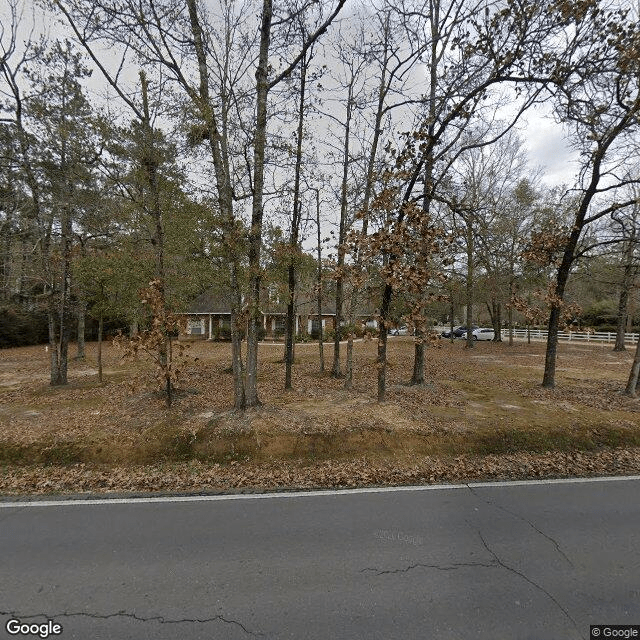
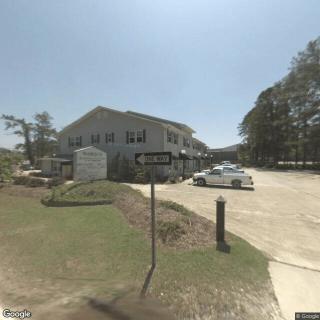
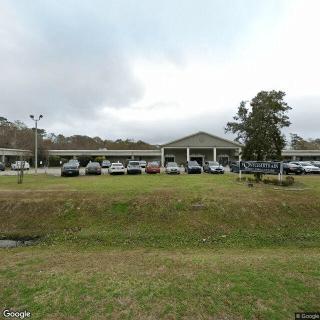
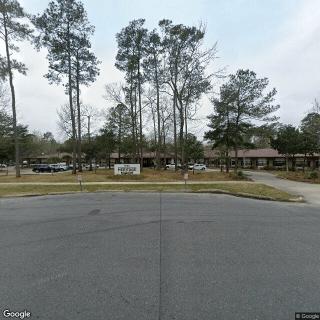
5011 Sharp Road, Mandeville, LA 70471
For more information about senior living options: (866) 208-4318
Fidelis Northshore I Costs & Pricing
At Fidelis Northshore I, the monthly cost for a semi-private room is set at $4,000. This pricing positions the facility competitively within St. Tammany Parish, where similar accommodations average around $4,324 per month. When compared to the broader Louisiana market, Fidelis Northshore I offers a more attractive option, as the statewide average for semi-private rooms is approximately $3,598. This alignment reflects both the quality of care and services provided at Fidelis Northshore I and its commitment to delivering value in relation to local and state averages.
| Floor plans | Fidelis Northshore I | St. Tammany Parish | Louisiana |
|---|---|---|---|
| Semi-Private | $4,000 | $4,324 | $3,598 |
Memory care communities with a similar price nearby
-
from +$300 / mo

Avanti Senior living at Covington
$4,300 to $5,500 / month5.4 miles away -
from -$550 / mo
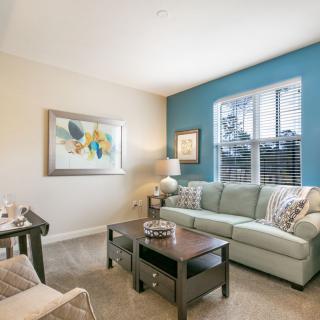
St. Anthony's Gardens
$3,450 to $4,375 / month1.5 miles away
Overall Review of Fidelis Northshore I
Pros
 The staff provide attentive, one-on-one care and are genuinely caring toward residents.
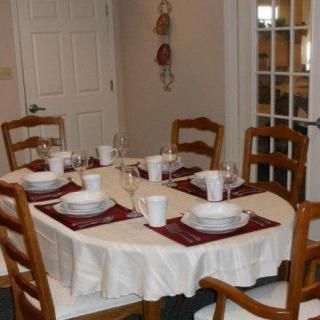
- The facility feels like a home, is very clean, and well maintained.
- The owners are hands-on, knowledgeable, friendly, and spend considerable time with residents and families.
- Families appreciate regular, proactive communication and being kept in touch.
- The CNAs and staff are personable and tailor care to each resident’s personality and needs.
- The care home offers loving, protective, and attentive care, especially during end-of-life moments.
Cons
 The higher-ups are described as disgusting and disrespectful, running the place poorly.
- They advise others to pick somewhere else to put their loved ones.
- They claim basic resident care is neglected and that the facility struggles to keep workers due to poor conditions.
- The management is described as childish and completely inappropriate.
- They express disbelief that the state hasn’t shut the facility down.
Review
Fidelis Northshore I is best suited for families seeking a small, home-like setting where a loved one can receive highly personalized attention, particularly if memory care or end-of-life support is on the horizon. The community’s strength lies in a hands-on owner/operator approach and a care team that aims to know each resident’s personality, preferences, and routine. For families needing frequent, direct updates and the comfort of a domestic environment, this facility delivers a sense of everyday life rather than a clinical care track. The property’s wooded two-acre setting reinforces the impression of a private residence, which contributes to a calm, less institutional daily rhythm.
Those weighing alternatives should consider whether a highly centralized, large-scale operation with formal governance suits their needs. A lone, negative review raises red flags about leadership style and working conditions, suggesting the possibility of inconsistent accountability if management culture does not stay aligned with resident welfare. While other families report hands-on ownership and proactive communication, that one experience underscores the importance of firsthand visits and independent verification. For families that prioritize ironclad oversight, predictable governance, and scale, exploring larger, corporate-managed options may feel safer and more transparent.
On the upside, the core strengths are unmistakable: genuine, personalized care and a warm, home-like atmosphere. CNAs and staff are described as personable and attentive, with caregivers learning each resident’s likes and dislikes and adjusting routines accordingly. The two-owner model frequently translates into direct accountability and frequent family contact, including regular check-ins and moments that echo a familial environment rather than institutional care. Cleanliness and homey aesthetics reinforce the sense that care happens in a lived-in space, not a sterile ward, an especially meaningful benefit for memory care and end-of-life transitions where comfort matters most.
The principal caveat centers on leadership reliability and consistency. The strongest negative review depicts a culture of disrespectful higher-ups and strained staffing, a combination that can erode trust and prompt turnover if not actively managed. This stands in tension with the broader positive feedback and suggests that governance can be a decisive factor in overall satisfaction. Prospective residents should probe how management handles concerns, how staff turnover is addressed, and whether there are clear, formal processes for escalation and accountability. If governance transparency and steady leadership are non-negotiable, due diligence visits should focus on witnessing how problems are resolved in real time.
Cost and value add another layer to the decision. Fidelis Northshore I is described as expensive, though aligned with other private communities in the area. For many families, the premium is justified by daily, face-to-face updates, the ability to tailor care plans, and a pace of life that feels less rushed and more relational. Those with tighter budgets or who prioritize broader programming and standardized pricing structures may find alternatives more appealing. The key is to weigh the intangible benefits of a home-like environment and intimate caregiver relationships against the financial commitment, and to assess whether the personalized care delivered justifies the cost in the long run.
In sum, Fidelis Northshore I serves well for families prioritizing an intimate, high-touch care model and a setting that feels like home. The majority of reviews praise care quality, cleanliness, and ongoing family communication, with residents often appearing more at ease under a dedicated, small team. The decisive caveat is leadership consistency; potential concerns about governance underscore the need for thorough on-site evaluation and frank conversations with owners and staff before committing. For those prepared to engage closely with a private, high-touch model and to scrutinize governance during tours, Fidelis Northshore I can be an excellent match. For others, especially those prioritizing formal oversight, scalable programs, or cost-focused planning, alternative options deserve careful consideration first.
 10 resident community capacity
 Assisted Living
 Board and Care Home
 Memory Care
 Cable or satellite TV
 Dining room
 Fully furnished
 Garden
 Housekeeping services
 Move-in coordination
 Outdoor space
 Telephone
 Wi-Fi/high-speed internet available
 24-hour supervision
 Activities of daily living assistance
 Assistance with bathing
 Assistance with dressing
 Assistance with transfers
 Diabetes diet
 Diabetic care
 Incontinence care
 Meal preparation and service
 Medication management
 Special dietary restrictions
 Transportation arrangement (medical)
 Transportation to doctors appointments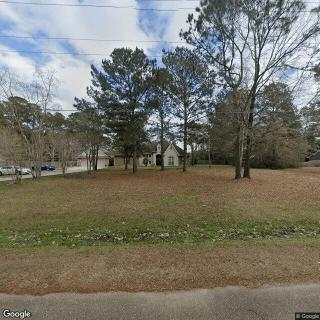
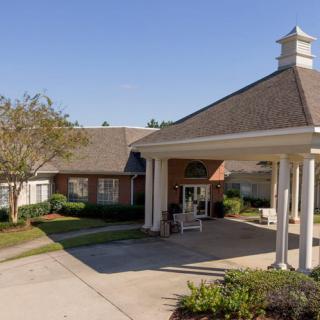

 Estimating the Expenses of At-Home Dementia Care: A Detailed Exploration
 Comprehensive Insights on the Late Stages of Dementia: What to Expect and How to Provide Care
 Medications Associated with Dementia Risk: A Comprehensive Overview