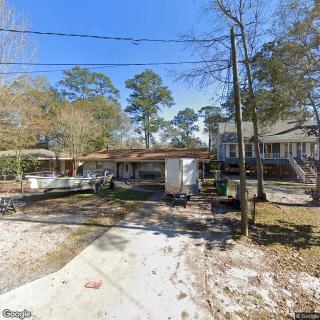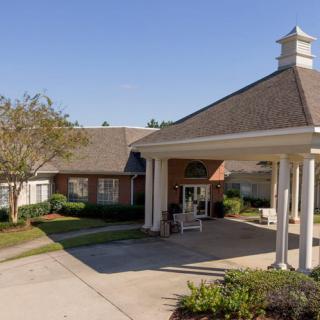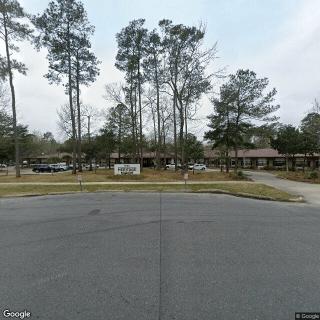
Fidelis Northshore II in Mandeville, LA

Save
Fidelis Northshore II

Fidelis Northshore II in Mandeville, LA

Information last verified:

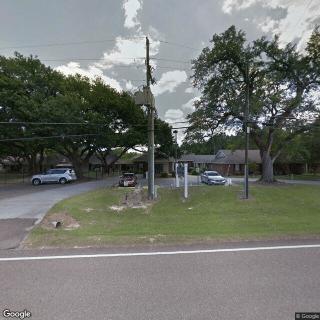
2045 Olene Drive, Mandeville, LA 70448

For more information about senior living options: (844) 490-3973

3.4 from 5 reviews
5 stars
3
4 stars
0
3 stars
0
2 stars
0
1 stars
2

Fidelis Northshore II Costs & Pricing

Fidelis Northshore II offers a competitive pricing structure for its private rooms, with monthly costs set at $2,600. This rate is significantly lower than the average private room cost in St. Tammany Parish, which stands at $3,785, and even more favorable compared to the broader state average of $4,521 in Louisiana. This positioning not only reflects Fidelis Northshore II's commitment to providing affordable care but also highlights its value in delivering quality services to residents within a market that can present higher financial barriers. Such pricing underscores an appealing option for families seeking quality care without the elevated costs often associated with similar facilities in the region.

Floor plansFidelis Northshore IISt. Tammany ParishLouisiana
Private$2,600$3,785$4,521

Overall Review of Fidelis Northshore II

Pros

  • pro The employees at Fidelis 1 treated the mother with the utmost respect, kindness, and care.
  • pro The staff provided one-on-one attention, and the mother-in-law was loved and very happy there.
  • pro The owners were very nice.
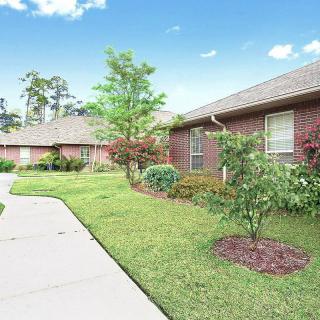
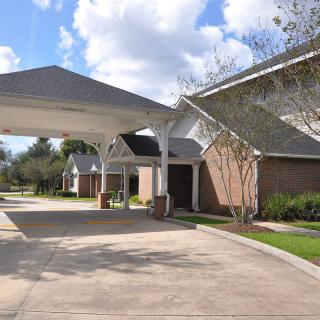
  • pro Fidelis Northshorez II was newer and gorgeous, with a beautiful exterior and a wonderful interior.
  • pro The experience with Fidelis Northshorez II was five stars, and the owner was great.

Cons

  • pro They describe the higher-ups as the most disgusting and disrespectful and advise avoiding the facility.
  • pro They report medication issues and meds not being available when needed, indicating insufficient care.
  • pro They state that management acts like a literal child and is completely inappropriate.
  • pro They note staffing problems, saying the facility can barely keep workers due to the poor working conditions.
  • pro They say the place is not recommended for someone requiring a high level of care.

Review

This community is best suited for families seeking a smaller, more intimate assisted living experience where warmth, personal attention, and a home-like atmosphere matter as much as superficial polish. Fidelis Northshore II can be a strong fit for residents who do not require constant, high-acuity medical interventions but value direct, one-on-one interactions with caregiving staff and a setting that feels less institutional than larger campuses. The newer, aesthetically pleasing surroundings and the visible engagement of ownership add to a sense of pride and personal oversight. Those who prioritize a bloom-and-bond culture, where caregivers know the resident’s name and routine, will find this a compelling match. However, for residents who demand rigorous, around-the-clock clinical oversight, highly consistent med management, or specialized care, alternatives should be considered.

Those alternatives are particularly worth considering for families with loved ones who need high-level care, complex medication regimens, or constant supervision. Several reviews highlight medication gaps, weekend staffing variability, and an atmosphere that can veer toward a nursing-home feel rather than a tight, proactive care home. The most cautioned families note that when acuity spikes or support needs are substantial, the care rhythm can fall short, especially if staff ratios dip or on-site leadership is slow to respond. Prospective residents facing chronic or escalating medical needs may find other communities with deeper clinical teams and more robust processes a safer long-term match. In short, high medical dependency or frequent, intensive monitoring creates a strong case to look elsewhere.

The strongest positives, fresh, attractive facilities, an owner-driven approach, and staff who deliver attentive, one-on-one care, support a practical, people-first model. A newer building and well-kept interiors convey a sense of pride and reliability that families notice and appreciate. When caregivers are able to invest time with residents, residents often show appreciation through mood, engagement, and daily cooperation, a dynamic that can translate into better quality of life for many. This is especially true when the environment fosters personal relationships between residents and staff, reducing the feeling of transition and fostering trust. Even amid criticisms of management or staffing gaps, the core strength remains the human factor: compassionate moments, respectful treatment, and a sense that staff care is tangible.

Yet the cons must be weighed with considerable seriousness. Management behavior described as inappropriate or disorganized by some reviewers creates a real risk for families seeking stable oversight. Reports of under-staffing and weekend disjunction point to a pattern that can undermine day-to-day reliability, particularly for residents who require frequent assistance, constant checks, or timely medication administration. The characterization of the setting as more “care home” than a polished assisted living option signals an expectation gap: families may anticipate a more clinical, standardized system of care, which some allege is inconsistent. The combination of these factors elevates risk for high-need residents and can erode confidence during transitions and emergencies. These are not minor friction points; they illuminate a real vulnerability in operations that cannot be ignored.

For families navigating a decision, a structured due-diligence approach is essential. Prospective residents should request a transparent tour focused on staffing models: who is on the floor at various times, nurse-to-resident ratios, and how medication administration is organized and verified. Ask for a current, written care plan that aligns with the resident’s medical needs, including escalation protocols for urgent issues. Engage directly with direct-care staff to gauge consistency, attentiveness, and the ability to anticipate needs, not just respond to requests. Verbal assurances carry little weight without observable practice, observe the handoff routines, the cadence of rounds, and the responsiveness to call bells. If possible, speak with multiple families about weekend and holiday experiences to understand consistency outside regular hours. Consider a trial period if offered, with clear milestones and a plan for transition if expectations aren’t met.

Ultimately, Fidelis Northshore II offers a compelling blend of warmth, beauty, and personalized attention that can deliver meaningful quality-of-life gains for the right resident. The decision hinges on acuity and expectations: for someone who thrives on individualized care and a comparatively intimate setting, the positives can outweigh the risks. For a resident who requires steady, high-level clinical support, or for families unwilling to gamble on inconsistent staffing or leadership, the cons are strong enough to merit alternative options. The best-fit path is built on candid questions, rigorous verification of care processes, and a clear sense of what daily life will feel like at the community. When those criteria align with the resident’s needs and the family’s tolerance for operational risk, Fidelis Northshore II can be a solid, even excellent, choice. If not, a more robustly staffed, less variable environment may prove the wiser, more reassuring investment.

Features

Housing

  • 10 resident community capacity 10 resident community capacity

Types of Care

  • Assisted Living Assisted LivingAssisted living facilities provide crucial support and care for seniors who may need help with daily tasks such as medication management, bathing, and meal preparation. These communities offer a safe and comfortable environment where seniors can maintain their independence while receiving the assistance they need to thrive in their golden years.
  • Board and Care Home Board and Care HomeBoard and care homes provide a smaller, more intimate setting for seniors who require assistance with daily tasks but do not need the level of care offered by a nursing home. They offer personalized care, meals, and social activities in a homelike environment, ensuring that seniors receive individualized attention and support in their golden years.

Amenities

  • Cable or satellite TV Cable or satellite TVCable or satellite TV is important for seniors because it provides entertainment, news, and companionship, helping to combat loneliness and boredom. It also offers a wide range of programming options tailored to different interests and preferences.
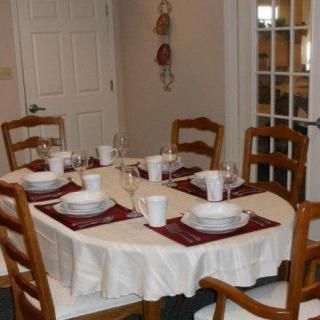
  • Dining room Dining roomDining rooms are important for seniors as they provide a space for socialization, connection, and nutritious meals. They offer opportunities for residents to bond over shared meals, foster a sense of community, and promote healthy eating habits. Dining rooms also ensure that seniors have access to well-balanced meals tailored to their dietary needs and preferences.
  • Fully furnished Fully furnishedFully furnished senior living communities are important for seniors because they provide convenience, comfort, and a hassle-free moving experience. Seniors can easily settle into their new living space without the stress of having to buy and move furniture. This allows them to focus on enjoying their new home and community.
  • Garden GardenGardens are important for seniors as they provide a peaceful and therapeutic environment for relaxation, physical activity, and socialization. Being in nature has been shown to reduce stress, improve mood, and promote overall well-being. Gardens also offer opportunities for seniors to engage in gardening activities, which can improve mobility, flexibility, and cognitive function. Additionally, gardens create a sense of community and connection with others who share a passion for plants and outdoor spaces.
  • Housekeeping services Housekeeping servicesHousekeeping services are important for seniors because they help maintain a clean and safe living environment, promote independence, and reduce the risk of accidents or illnesses. Additionally, having assistance with household chores can alleviate physical strain and allow seniors to focus on other aspects of their well-being.
  • Move-in coordination Move-in coordinationMove-in coordination is important for seniors because it helps ease the transition into their new living environment. It ensures that all logistics, such as packing, organizing movers, and setting up utilities are taken care of, allowing seniors to focus on settling in and adjusting to their new home. Having a smooth move-in process can alleviate stress and anxiety, making the transition smoother and more enjoyable for seniors.
  • Outdoor space Outdoor spaceOutdoor spaces are important for seniors as they provide opportunities for physical activity, social interaction, exposure to natural light and fresh air, and a sense of connection to nature. Having access to outdoor spaces can improve overall well-being and quality of life for older adults living in senior communities.
  • Private PrivatePrivacy is important for seniors as it allows them to maintain their independence, dignity, and sense of control over their own lives. It also gives them the space and freedom to relax, reflect, and engage in activities that bring them joy and fulfillment. Creating private spaces within senior living facilities is crucial for promoting overall well-being and quality of life.
  • Telephone TelephoneTelephones are important for seniors as they provide a lifeline for communication with loved ones, emergency services, and healthcare providers. They offer a sense of security and independence, enabling seniors to stay connected and access assistance when needed.
  • Wi-Fi/high-speed internet available Wi-Fi/high-speed internet availableWi-Fi/high-speed internet is important for seniors to stay connected with loved ones, access online resources, and participate in virtual activities to combat feelings of loneliness and isolation. It also allows them to easily manage healthcare needs, access entertainment, and engage in lifelong learning opportunities.

Care Services

  • 24-hour supervision 24-hour supervision24-hour supervision is important for seniors to ensure their safety, well-being, and access to immediate assistance in case of emergencies or health issues. This constant support provides peace of mind for both seniors and their loved ones, allowing them to age in place with dignity and security.
  • Activities of daily living assistance Activities of daily living assistanceActivities of daily living assistance are important for seniors because they provide essential support with tasks such as eating, bathing, dressing, and mobility. This assistance helps seniors maintain their independence, dignity, and overall quality of life as they age.
  • Assistance with bathing Assistance with bathingAssistance with bathing is crucial for seniors as it helps maintain personal hygiene, prevents infections, and ensures their overall well-being and comfort. It also provides a sense of dignity and independence for seniors who may struggle with this task on their own.
  • Assistance with dressing Assistance with dressingAssistance with dressing is important for seniors because it helps maintain their independence, promotes personal hygiene, prevents accidents and injuries, and improves overall quality of life. This service ensures that seniors can continue to dress comfortably and confidently, despite any physical limitations they may have.
  • Assistance with transfers Assistance with transfersAssistance with transfers is crucial for seniors as it helps prevent falls and injuries, maintains their independence, and ensures they can safely navigate their living environment. It also provides peace of mind for both seniors and their loved ones.
  • Coordination with health care providers Coordination with health care providersCoordination with health care providers is crucial for seniors to ensure proper medical care, medication management, and overall well-being. This collaboration helps prevent overlapping treatments, track progress more effectively, and provide comprehensive support tailored to individual needs.
  • Diabetes diet Diabetes dietA diabetes diet is crucial for seniors as it helps manage blood sugar levels, reduce risks of complications, and improve overall health and well-being. By following a balanced and nutritious diet tailored to their specific needs, seniors can better control their diabetes and enhance their quality of life.
  • Meal preparation and service Meal preparation and serviceMeal preparation and service are crucial for seniors as they may have limited mobility or energy to cook nutritious meals. Having access to healthy and convenient food options can ensure they are getting the proper nutrition needed to maintain their overall health and well-being.
  • Medication management Medication managementMedication management is crucial for seniors to ensure they are taking the right medications at the correct dosages and times. This helps prevent adverse drug interactions, reduces the risk of medication errors, and promotes overall health and well-being. Proactive management also allows for adjustments as needed based on changing health conditions or new prescriptions.
  • Special dietary restrictions Special dietary restrictionsSpecial dietary restrictions are important for seniors because age-related changes in metabolism and health conditions can make it difficult for their bodies to process certain foods. By following a diet tailored to their specific needs, seniors can maintain their overall health and well-being, manage chronic conditions, and reduce the risk of complications such as malnutrition or food interactions with medications.
  • Transportation arrangement (medical) Transportation arrangement (medical)Transportation arrangements for medical purposes are essential for seniors as they may have difficulty driving themselves to appointments or accessing public transportation. Having reliable and safe transportation options ensures that seniors can receive timely medical care and maintain their health and well-being.
  • Transportation to doctors appointments Transportation to doctors appointmentsTransportation to doctors' appointments is crucial for seniors as it ensures they have access to necessary medical care and support for their health needs. Without reliable transportation, seniors may struggle to attend important appointments, leading to potential delays in treatment and health complications. Providing transportation services helps seniors maintain their overall well-being and quality of life.
Dining

  • Diabetes diet Diabetes dietA diabetes diet is crucial for seniors as it helps manage blood sugar levels, reduce risks of complications, and improve overall health and well-being. By following a balanced and nutritious diet tailored to their specific needs, seniors can better control their diabetes and enhance their quality of life.
  • Special dietary restrictions Special dietary restrictionsSpecial dietary restrictions are important for seniors because age-related changes in metabolism and health conditions can make it difficult for their bodies to process certain foods. By following a diet tailored to their specific needs, seniors can maintain their overall health and well-being, manage chronic conditions, and reduce the risk of complications such as malnutrition or food interactions with medications.

Activities

  • Community-sponsored activities Community-sponsored activitiesCommunity-sponsored activities are important for seniors as they provide opportunities for social interaction, mental stimulation, and physical activity. These activities can help improve overall well-being, combat loneliness and isolation, and promote a sense of belonging and purpose among older adults.
  • Scheduled daily activities Scheduled daily activitiesScheduled daily activities are important for seniors because they provide structure, socialization, mental stimulation, and physical activity. Engaging in regular activities can improve overall well-being and quality of life for seniors living in a community setting.

Description

Fidelis Northshore II is a warm and inviting board and care home located in the beautiful area of Mandeville, LA. Our community offers a comfortable and supportive environment for seniors who need assistance with their daily living activities.

Residents will enjoy the convenience of having all their needs met within our facility. Our well-appointed dining room serves delicious meals that can accommodate special dietary restrictions. Each resident's private space comes fully furnished and includes amenities such as telephone and Wi-Fi/high-speed internet access.

Our dedicated staff provides personalized care services to ensure each resident's comfort and safety. Assistance with activities of daily living, including bathing, dressing, and transfers, are readily available. We also coordinate with healthcare providers to ensure residents receive the necessary medical care.

At Fidelis Northshore II, we understand the importance of maintaining an active lifestyle. That is why we offer scheduled daily activities to keep residents engaged and entertained. Additionally, our community is surrounded by various amenities including cafes, pharmacies, physicians' offices, restaurants, places of worship, theaters, and hospitals for convenient accessibility.

Choosing Fidelis Northshore II means choosing a compassionate and supportive environment where seniors can thrive while receiving the care they deserve.

Nearby Places of Interest

This area of Mandeville, Louisiana offers a variety of amenities that cater to a comfortable and convenient lifestyle for seniors. With a selection of restaurants nearby such as Mandeville Seafood Market & Eatery and Liz's Where Y'at Diner, residents have plenty of dining options to choose from. The availability of pharmacies like CVS Pharmacy and Walgreens ensures easy access to medications and healthcare needs. There are also several physicians' offices in close proximity, such as Ochsner Clinic Northshore and St Tammany Physicians Network, providing quality healthcare services. Additionally, the peaceful surroundings offer opportunities for relaxation at Bogue Falaya Park or engaging in cultural activities at Movie Tavern Covington. Overall, this part of Mandeville is a welcoming community with essential services and recreational options for seniors looking to settle down in a safe and vibrant neighborhood.

Restaurants

  • Mandeville Seafood Market & Eatery (0.5 miles)
  • Northlake Seafood (0.8 miles)
  • Kazoku Sushi (0.9 miles)
  • McDonald's (1.7 miles)
  • Liz's Where Y'at Diner (1.9 miles)
  • Waffle House (1.9 miles)
  • Lago Mexican Restaurant (2 miles)

Pharmacies

  • C & C Drugs (0.5 miles)
  • CVS Pharmacy (0.9 miles)
  • Walgreens (1.7 miles)
  • Winn-Dixie (2 miles)
  • CVS Pharmacy (2.2 miles)
  • Walgreens (2.2 miles)
  • Walgreens (3.4 miles)

Physicians

  • Sleep Rite PSG (1.6 miles)
  • Brian H Strand, MD FACS (1.9 miles)
  • Ochsner Clinic Northshore (2 miles)
  • St Tammany Physicians Network (2.6 miles)
  • Northlake Medical Psychology And Counseling (2.6 miles)
  • James W Christopher Md (2.7 miles)
  • Baldone Reina Dermatology (2.8 miles)

Cafes

  • PJ s Coffee (1.6 miles)
  • Starbucks (2.6 miles)
  • Cafe Du Monde Coffee Stand (2.9 miles)
  • Pj's Coffee (3.7 miles)
  • Starbucks (4.9 miles)
  • Abita Roasting Co. Madisonville (6.9 miles)

Hospitals

  • Lurline Smith Mental Health Center (1.8 miles)

Places of Worship

  • St Timothy On The North Shore (2.5 miles)
  • Christ Episcopal Church (7 miles)

Theaters

  • Movie Tavern Covington (4.3 miles)

Parks

  • Bogue Falaya Park (6.8 miles)

Frequently Asked Questions

How much does it cost to live at Fidelis Northshore II in Mandeville, LA?
Where is Fidelis Northshore II?

Nearby Communities

  • Fidelis Northshore I

    Fidelis Northshore I

    Mandeville, LA

    4.2 from 6 reviews
    $4,000 / month

    pro Hands-on, attentive owners; caring staff; clean, home-like environment; proactive family communication.

  • Pontchartrain Health Care Ctr

    Pontchartrain Health Care Ctr

    Mandeville, LA

    2.4 from 31 reviews
     

    pro Caring, knowledgeable staff with strong rehab services and a clean, engaging environment.

  • Tamanny Place

    Tamanny Place

    Mandeville, LA


    pro Close to cafes, pharmacies, doctors, restaurants, places of worship, and a hospital.

  • Hummingbird Group Home

    Hummingbird Group Home

    Mandeville, LA


    pro Small, home-like setting (8 residents) with 24-hour supervision and personalized care, plus diabetes-friendly meals and medical transport.

  • Wren Way Transitional Housing (Males)

    Wren Way Transitional Housing (Males)

    Mandeville, LA

    3.9 from 16 reviews
     

    pro Fully furnished rooms with ADL support, diabetes care, on-site meals, social activities, and nearby healthcare access.

  • Wren Way Transitional Housing (Females)

    Wren Way Transitional Housing (Females)

    Mandeville, LA

    3.9 from 16 reviews
     

    pro Small, intimate facility with comprehensive assisted-living services.

  • Brookdale Mandeville

    Brookdale Mandeville

    Mandeville, LA

    4.3 from 93 reviews
    $3,150 to $5,705 / month

    pro Cozy, welcoming atmosphere with friendly staff, clean environment, and engaging activities.

  • Heritage Manor of Mandeville

    Heritage Manor of Mandeville

    Mandeville, LA

    4.3 from 124 reviews
     

    pro Attentive, professional staff with engaging activities in a clean, well-maintained facility.

  • Avanti Senior living at Covington

    Avanti Senior living at Covington

    Covington, LA

    4.5 from 56 reviews
    $4,300 to $5,500 / month

    pro Beautiful, spacious apartments with a friendly staff and engaging activities.

Related Resources

  • independent living vs assisted livingExploring the Path to Senior Living: A Comprehensive Look at Independent Living and Assisted Living

    The article examines senior housing options, detailing the distinctions between independent living and assisted living, along with the emerging "independent assisted living" model that blends both approaches. It highlights the importance of assessing individual needs, preferences, and financial factors in making informed decisions about suitable living arrangements for seniors.

  • is assisted living tax deductibleIs Assisted Living Deductible on Your Taxes? Understanding the Complexities of Assisted Living Expenses and Deductions

    The deductibility of assisted living expenses on taxes hinges on factors like the individual's medical condition and service nature, typically requiring the resident to be "chronically ill" per IRS definitions. Taxpayers may deduct eligible medical expenses related to personal care services but generally not rent unless primarily for medical care, and they should maintain thorough documentation to support claims while considering itemizing versus standard deductions.

  • va benefits for assisted livingAssisted Living Support for Veterans: A Complete and Detailed Overview

    The guide highlights the importance of assisted living facilities for aging veterans needing daily support, discusses unique challenges they face, and outlines available financial assistance from the VA, including the Aid and Attendance program. It emphasizes understanding eligibility criteria and navigating the VA system to access necessary benefits effectively.