
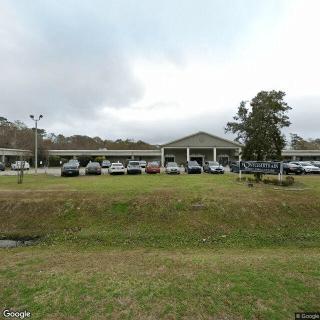
1400 Lindberg Drive, Slidell, LA 70458
For more information about senior living options: (866) 208-4318
Overall Review of Trinity Neurologic Rehabilitation Center
Pros
 The activity program is very good, keeping residents busy with creative activities, outings, and trips outside.
- The rooms are clean and neat in a friendly environment.
- The food is decent.
- The center has a beautiful open area with trees where residents garden and grow tomatoes and eggplants.
- Residents participate in arts and crafts and enjoy painting.
- Transportation is provided, and outings such as casino trips and ice cream socials are arranged.
Review
Trinity Neurologic Rehabilitation Center in Slidell, Louisiana is best suited for seniors who are navigating neurological rehab and want an active, socially engaged environment. The community appears to excel at keeping residents busy with structured programs that blend creativity, outings, and accessible transportation. It suits individuals who value a lively daily rhythm, arts and crafts, painting, gardening, and regular social events, along with clean, comfortable room settings and a friendly, welcoming atmosphere. For families prioritizing meaningful activity and a sense of community as part of the recovery process, this center presents a compelling fit.
There are clear reasons for families to consider alternatives. The facility’s strength is in programming and ambiance, not in the explicit disclosure of medical acuity or specialized care capabilities. Those needing around-the-clock nursing supervision, highly medicalized post-acute care, or dedicated dementia/memory-care support should look for options with more clearly defined clinical staffing and specialty units. Additionally, if a quieter, less activity-forward pace or a more clinical rehab focus is important, other communities may align more closely with those expectations. In short, this site excels in engagement and environment, while families planning for advanced medical needs might want to compare options.
The principal pros, an active activity section, creative outlets, and regular excursions, materially offset potential trade-offs by delivering a high quality of daily life that supports motivation and mood, both critical in rehabilitation. Residents benefit from diverse outlets: arts and crafts, outdoor gardening, painting, and a calendar that includes casino trips and ice cream socials. Transportation to events reduces isolation and helps maintain a sense of independence. The central open-air atrium with trees, plus the chance to participate in garden beds, contributes to a therapeutic atmosphere that complements therapy sessions. Clean rooms and a friendly setting reinforce a sense of dignity and comfort, while “descent” (reliable) food provides practical sustenance to sustain energy for rehab activities. Taken together, these factors cultivate engagement, which can translate into better participation in therapy and a more positive rehabilitation trajectory.
Where the balance tilts depends on clinical expectations. The review emphasizes atmosphere, activity, and social connection as standout strengths, but it does not detail the depth of rehabilitative services, nursing coverage, or the scope of medical oversight. For residents whose recovery plan hinges on intensive PT/OT/ST, or whose conditions require continuous medical monitoring, these omissions matter. The absence of explicit information about staffing ratios, on-site physicians, or post-acute rehabilitation intensity means due diligence is essential before committing. However, the strong experiential elements, group programming, accessible outings, and a neighborhood-friendly feel, can significantly bolster morale and engagement even when clinical specificity is less transparent.
Practical evaluation steps should follow a focused checklist. Confirm the availability and cadence of physical, occupational, and speech therapy, and ask which therapies are neurologically specialized and how progress is measured. Inquire about night staffing and on-call medical support, as well as the presence of any memory-care or higher-acuity units if those needs exist. Question the dining program in more detail, menu options, consistency, and accommodations for dietary restrictions, as meals influence stamina for rehabilitation. Finally, probe the social calendar, resident-led activities, and transportation policies to gauge how readily the environment can adapt to evolving interests or mobility changes. This due diligence clarifies whether the pros align with the resident’s rehab goals and daily living preferences.
Ultimately, Trinity Neurologic Rehabilitation Center represents a practical, purpose-built option for seniors who prize engagement, community, and a comfortable living environment as core elements of recovery. Its strengths, creative programming, abundant activities, social outings, and a welcoming setting, create a compelling case for those whose rehab success hinges on activity, mood, and ongoing social connection. Families with residents who thrive on interaction and structured routines will find this center a strong match. Those prioritizing intensive medical supervision or specialized memory-care infrastructure should compare alternatives to ensure the chosen path matches both medical needs and lifestyle expectations.
 110 resident community capacity
 Skilled Nursing Facility
 Air-conditioning
 Beauty salon
 Cable or satellite TV
 Computer center
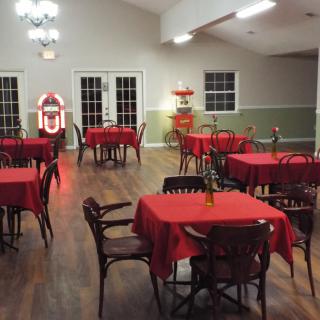
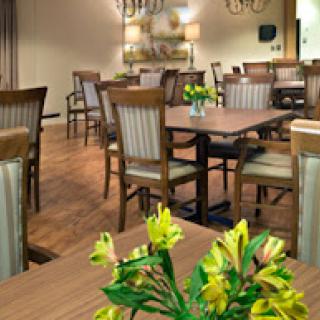
 Dining room
 Fitness room
 Fully furnished
 Gaming room
 Garden
 Housekeeping services
 Kitchenette
 Move-in coordination
 Outdoor space
 Private bathrooms
 Restaurant-style dining
 Small library
 Telephone
 Wellness center
 Wi-Fi/high-speed internet available
 Community operated transportation
 12-16 hour nursing
 24-hour call system
 Activities of daily living assistance
 Assistance with bathing
 Assistance with dressing
 Assistance with transfers
 Diabetes diet
 Medication management
 Mental wellness program
 Special dietary restrictions
 Concierge services
 Planned day trips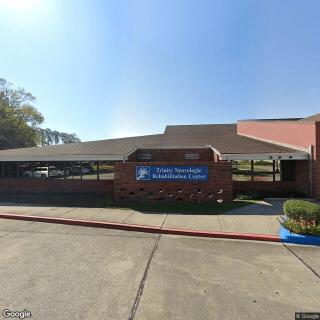


 Essential Knowledge on Pneumonia in Older Adults
 Exploring Palliative Care in the Home: A Comprehensive Overview
 Comprehensive Insights into Palliative Home Care: What It Is and What to Expect