
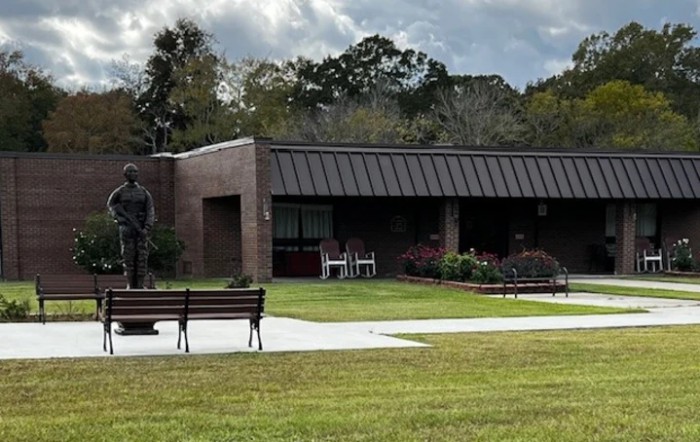



4739 Highway 10, Jackson, LA 70748
For more information about senior living options: (866) 208-4318
Overall Review of Louisiana War Veterans Home
Pros
 The staff are caring beyond their duties and do a wonderful job caring for residents.
- The staff understand and help with veterans' PTSD and provide wonderful care, including taking residents out shopping and for lunch.
- The staff are friendly and residents are happy, with staff on a first-name basis on the floor.
- The facility is comfortable, clean, not overcrowded, and treats residents and their families with respect.
- The care at this facility shows attention to detail that surpasses what would be available elsewhere.
Cons
 One reviewer warns not to send loved ones there, describing a horrible experience.
- The reviewer describes the management as extremely poor.
- The reviewer alleges negligence, disrespect by some staff and supervisors, and says the facility prioritizes its reputation and may sweep issues under the rug.
- The facility hardly answers the phone.
- The reviewer notes a lack of transparency about doctor visits, unable to say when the dad was visited.
- The administration is described as uncaring toward patients or staff, with manpower shortages, especially on weekends.
- Dietary needs are not met; all patients receive the same menu, often too salty, with diabetics eating the same as others.
- Doctor appointments are frequently canceled due to lack of transportation.
Review
Louisiana War Veterans Home in Jackson is best suited for veterans and families who value a warm, home-like setting and staff who understand military culture and PTSD context. The community tends to appeal to residents who want a smaller, less institutional feel and who appreciate personal connections with caregivers. Those expecting a flawlessly run operation with perfect scheduling and ironclad accountability should consider alternatives, as the facility has shown uneven management and logistical gaps that require proactive planning and acceptance of occasional gaps in oversight.
The strongest takeaway is the daytime care ethos. Across multiple accounts, staff are described as attentive, respectful, and genuinely engaged with residents. On the floors, caregivers often establish friendly, first-name relationships, contributing to a dining room and common areas that feel approachable rather than clinical. The environment tends to be not overcrowded, clean, and calm, reinforcing a sense of dignity and belonging. Stories of residents going out shopping or to lunch reflect a culture that treats veterans as individuals and makes daily life more meaningful, especially for those navigating PTSD or transition challenges.
Yet the facility is dogged by significant administration and operational frictions. Management is repeatedly cited as a weak link, with criticism directed at leadership and supervisory oversight. Staffing shortages, especially on weekends, leave shifts thin and responses slower. Critical touchpoints such as answering phones, coordinating doctor visit transportation, and keeping appointments on schedule are inconsistent, producing frustration for families and residents alike. Dietary services compound concerns: many residents receive the same menu regardless of medical needs, with diets that can be high in salt and heavy on processed or starchy foods, which is not ideal for diabetics or other dietary restrictions. Taken together, these issues create a perception of reactive rather than proactive care.
Despite these drawbacks, the day-to-day warmth and engagement can offset some concerns for families who prize lived experience over formal process. When a resident thrives on consistent, personable staff who know him well and when the culture honors veterans’ service, the care experience can feel deeply reassuring. The willingness of some staff to go beyond routine duties, taking residents to shop or eat out, or simply offering reassurance and conversation, can significantly enhance quality of life. In those scenarios, concerns about transportation delays or administrative lapses are weighed against a strong sense of respect and companionship that is hard to replicate in more clinical settings.
For families who cannot accept a combination of uneven management and logistical gaps, it is prudent to explore alternatives. Facilities with tighter centralized administration, more predictable weekend staffing, and clearly tailored transportation and dietary plans may deliver greater consistency and safety. If timely doctor visits and fewer appointment cancellations are paramount, this community may fall short of what is required. Those seeking robust governance, transparent reporting, and less reliance on personal rapport to drive daily care should compare options that demonstrate stronger accountability and logistical reliability.
When evaluating options, practical due diligence matters most. Visit during daytime and, if possible, observe after-hours to gauge responsiveness and safety. Speak with current residents and their families about how often they experience delays or missed appointments, and ask for specifics on transport arrangements and contingency plans. Inquire about staff-to-resident ratios on weekends, 24/7 nursing coverage, and how complaints are tracked and resolved. Review how tailored dietary needs are handled for diabetics or other medical requirements, and whether there are veterans-specific programs, activities, and trauma-informed training for staff. With a clear view of warmth alongside gaps, the decision can be made with confidence about whether this community aligns with the resident’s needs and the family’s expectations.
 10 resident community capacity
 Skilled Nursing Facility
 Cable or satellite TV
 Dining room
 Fully furnished
 Garden
 Housekeeping services
 Move-in coordination
 Outdoor space
 Telephone
 Wi-Fi/high-speed internet available
 Baton Rouge Metropolitan (20 miles away)
 24-hour supervision
 Activities of daily living assistance
 Assistance with bathing
 Assistance with dressing
 Assistance with transfers
 Diabetes diet
 Meal preparation and service
 Medication management
 Special dietary restrictions





 Comprehensive Guide to Medicare Coverage for Hospice Care
 Caring for Those Who Care: Recognizing, Understanding, and Overcoming Caregiver Burnout
 Caregiver Exhaustion: Recognizing the Signs and Restoring Your Well-Being