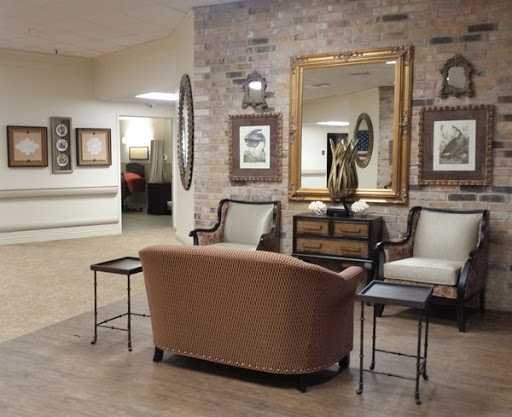
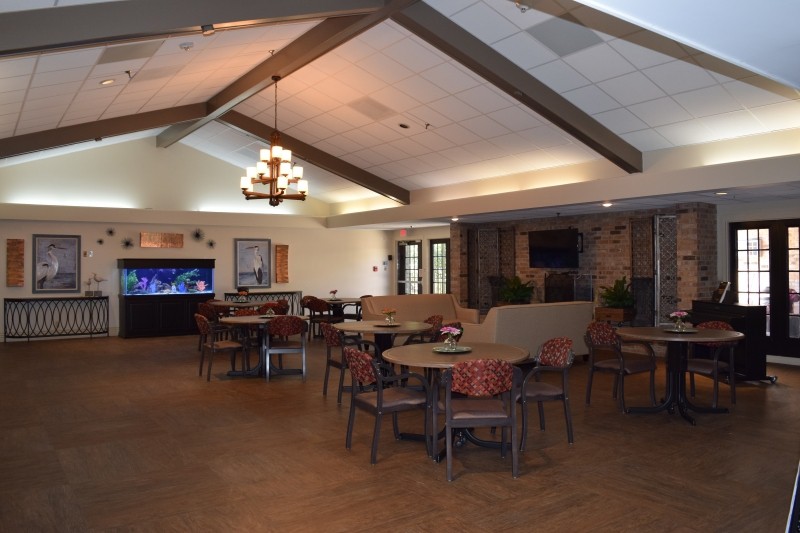
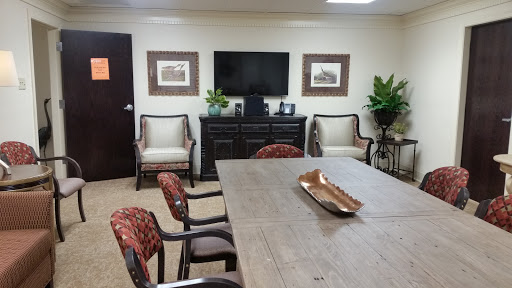
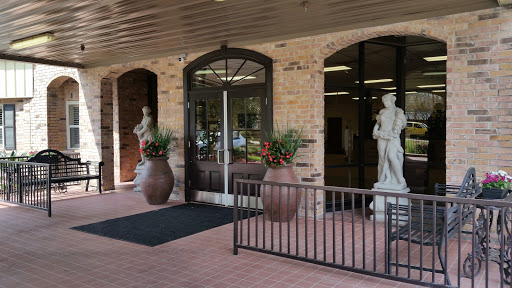
Many reviews highlight the facility as clean and well kept.
Across numerous visits, reviewers describe the building as clean, fresh, and even smelling good. Some also connect cleanliness with feeling safer when touring or visiting. A smaller set of reviews describe major cleanliness and sanitation concerns, including odors and health-code violations.
common33 reviews mention this
Caring staff is a consistent point
Residents and visitors frequently describe staff as kind, friendly, and helpful.
Many reviewers say staff members were welcoming, attentive, and professional, including aides, nurses, and front-desk team members. Several families mention good responsiveness when they had questions or needed help. At the same time, a number of reviews criticize staff communication and care consistency, including complaints that serious problems were not handled appropriately.
common7 reviews mention this
Activities keep residents engaged
Reviews often mention ongoing activities and programs throughout the day.
Residents and families describe a steady schedule of activities, including social events and group gatherings. Some note that staff keeps people active through daily routines and exercises, which is especially relevant for short-term rehab stays. One review also expresses a desire for more opportunities to interact with other residents beyond meals.
common4 reviews mention this
Food gets positive mentions
Dining receives both praise and at least one neutral comment in reviews.
Several reviewers describe food as good or excellent and mention dining-room experiences like being offered extra portions of favorites. One family member shared that the dining was “OK.” Dietary-related support is part of the dining and meal approach offered for residents with diabetes and special dietary restrictions.
caveat6 reviews mention this
Care communication can be inconsistent
Some reviews raise serious concerns about care and communication.
While other reviewers describe attentive skilled-nursing and rehab support, several negative reviews allege lapses that caused harm or required emergency care. Complaints also include delayed or blocked paperwork, difficulties obtaining records, and concerns about how staff handled medical needs. Taken together, reviews suggest that experiences may vary depending on the situation and care follow-through.
How we summarize
Counts show how many written reviews mention each theme; a review can touch several themes, and only frequently mentioned themes are displayed.
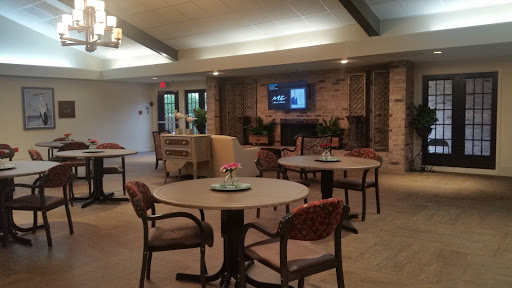
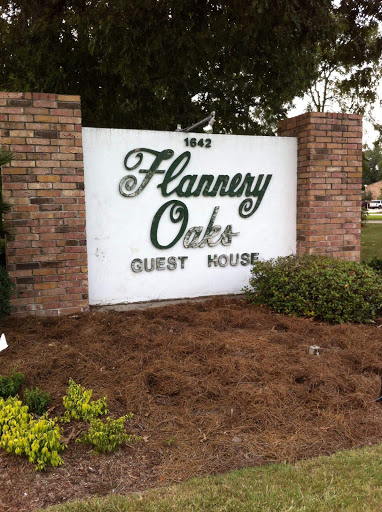
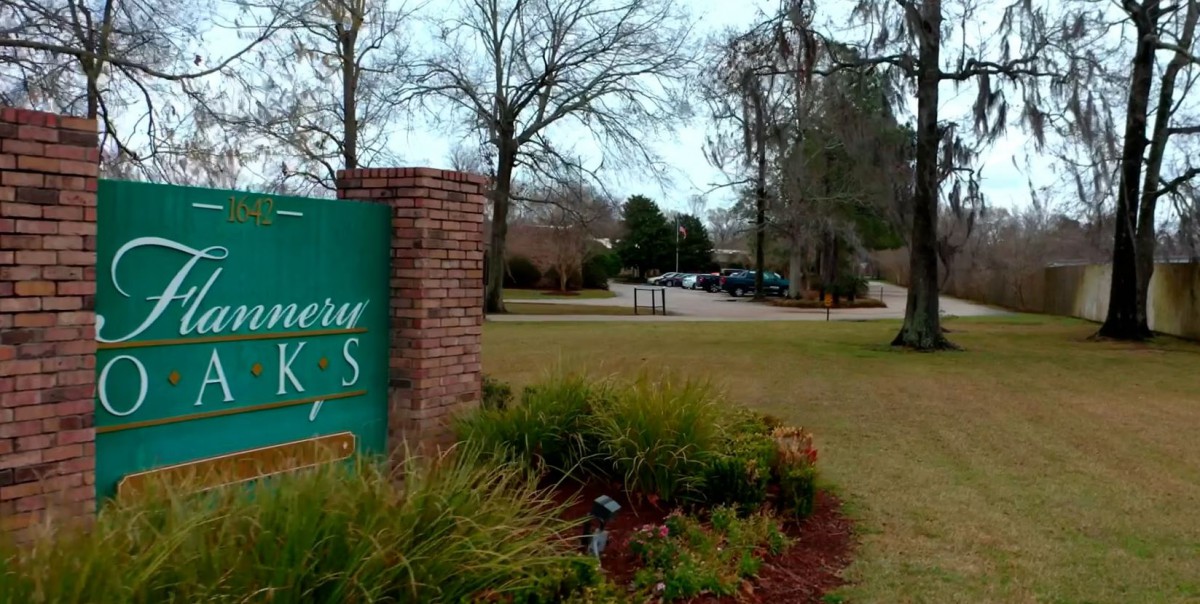
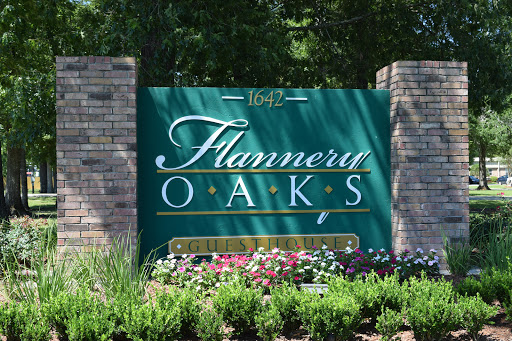
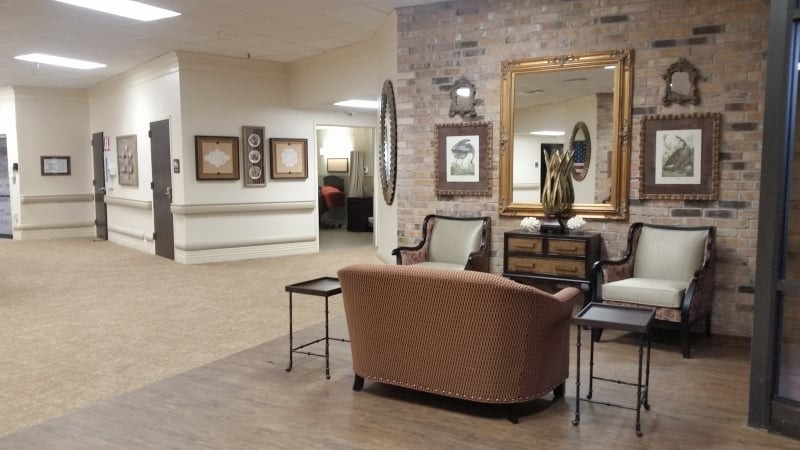
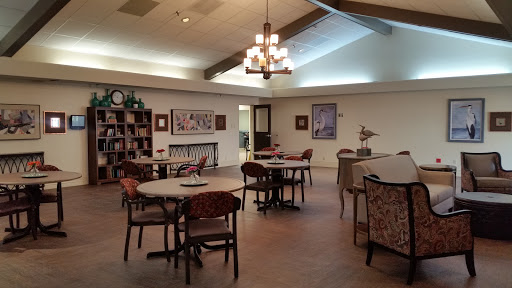
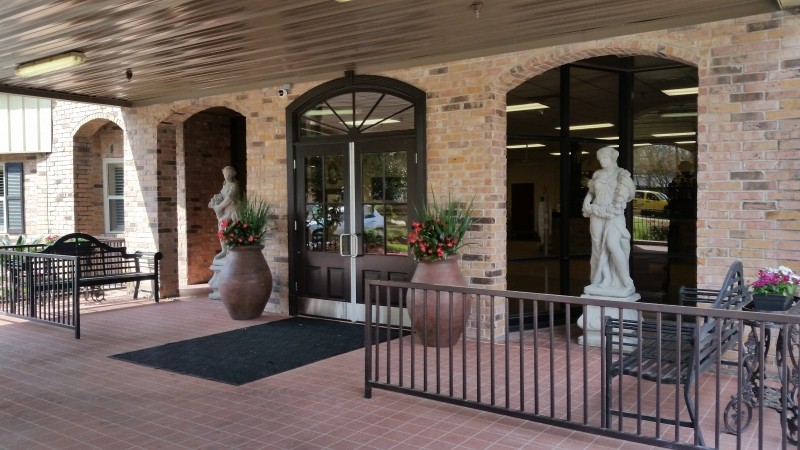
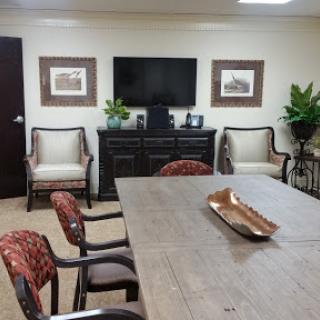
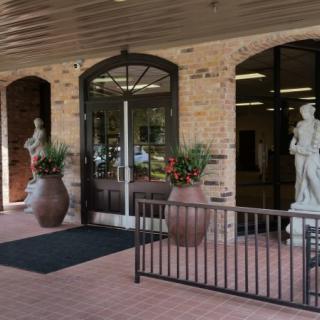
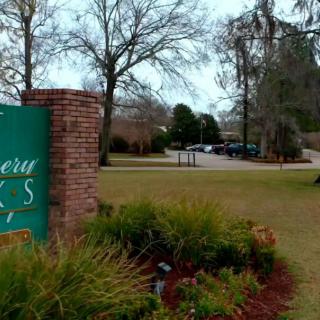
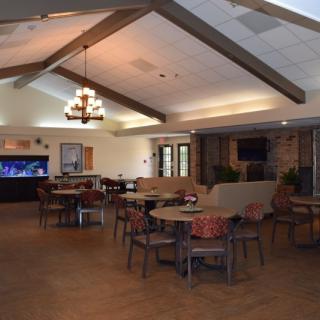
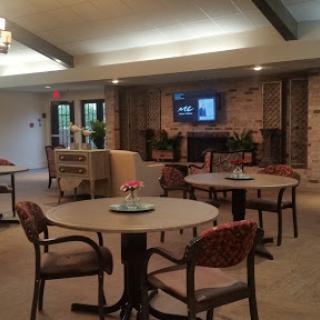
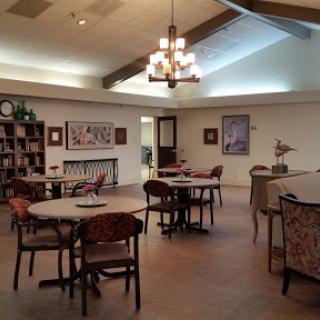
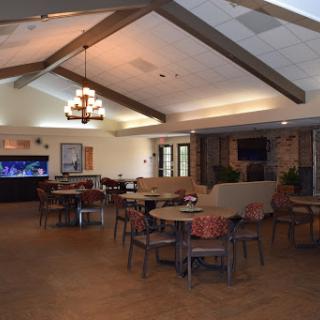
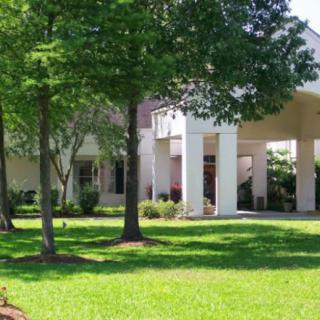
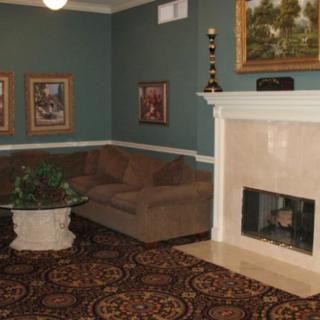
Flannery Oaks Guest House on seniors.fyi includes 12 photos including images showing interior, lounge, dining, chandelier, entrance, television, decor, building, and more.
Nearby Communities
Woodleigh Of Baton Rouge
Baton Rouge, LA
4.1 from 69 reviews
Friendly staff and a modern, well-equipped facility.
The Pines Retirement Center
Baton Rouge, LA
3.4 from 72 reviews
$1,500 to $1,800 / month
Caring staff, responsive service, and clean, home-like atmosphere.
Colonial Care Retirement Center
Baton Rouge, LA
2.4 from 9 reviews
Caring staff, active resident programs, and clean, spacious rooms.
Capitol House Nursing And Rehab Center
Baton Rouge, LA
3.4 from 68 reviews
Extensive on-site amenities and 24/7 care services.
Marcia Home
Baton Rouge, LA
Prime Baton Rouge location with abundant nearby amenities.
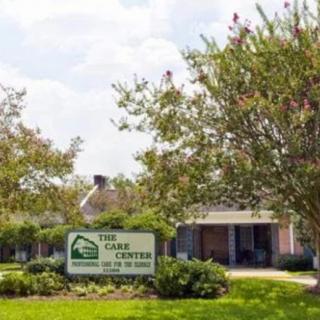
The Care Center
Baton Rouge, LA
2.5 from 2 reviews
Friendly floor staff and engaging activities.
Lake Sherwood Village Retirement Community
Baton Rouge, LA
4.6 from 68 reviews
$2,275 to $3,275 / month
Friendly staff, clean/modern facilities, engaging activities, and affordable dining options.
Golden Age Nursing Home
Denham Springs, LA
3 from 46 reviews
Clean facility with multiple dining areas and recreational amenities.
The article highlights nine memory-boosting activities for seniors that enhance cognitive health and social interaction, including puzzles, trivia quizzes, and storytelling, while emphasizing the importance of adapting these activities to individual preferences to maximize enjoyment and engagement. Consistent mental engagement is linked to improved cognitive function and emotional well-being in older adults.
Medicare provides limited coverage for skilled nursing home care, covering full benefits for the first 20 days and partial benefits up to 100 days under certain conditions, after which families must explore alternative funding options like Medicaid or long-term care insurance to manage potentially high costs. Proactive planning is essential to navigate the complexities of financing ongoing care once Medicare coverage ends.
Geriatric care managers create personalized care plans for older adults, addressing their medical, social, financial, and psychological needs while coordinating services and advocating for their well-being. They help families navigate caregiving challenges but may be hindered by high costs and a shortage of qualified professionals.
Get PricingAsk A QuestionSchedule A TourContact Senior Advisor
By clicking submit, you agree to our Partner's Terms of Use. You
also consent to receive calls and texts, which may be autodialed, from our Partner. Your consent is not a condition to
using our Partner's service. Please visit our Partner's Privacy Policy for information about their privacy practices.






 130 resident community capacity
 Skilled Nursing Facility
 Air-conditioning
 Beauty salon
 Cable or satellite TV
 Computer center
 Dining room
 Fitness room
 Fully furnished
 Gaming room
 Garden
 Housekeeping services
 Kitchenette
 Move-in coordination
 Outdoor space
 Private bathrooms
 Restaurant-style dining
 Small library
 Telephone
 Wellness center
 Wi-Fi/high-speed internet available
 Baton Rouge Metropolitan (8 miles away)
 Community operated transportation
 12-16 hour nursing
 24-hour call system
 Activities of daily living assistance
 Assistance with bathing
 Assistance with dressing
 Assistance with transfers
 Diabetes diet
 Medication management
 Mental wellness program
 Special dietary restrictions
 Concierge services
 Planned day trips
 Friendly staff and a modern, well-equipped facility.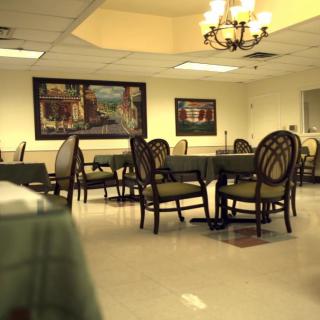



 9 Stimulating Memory Activities for Seniors: Puzzles, Cards, and Much More
 Managing Nursing Home Expenses After Medicare Coverage Ends
 Is a Geriatric Care Manager the Right Choice for Your Family?