
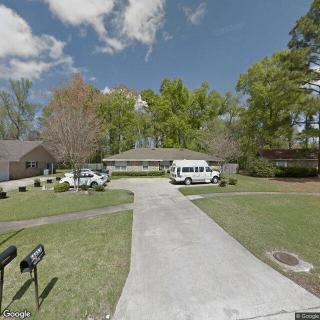
14686 Old Hammond Highway, Baton Rouge, LA 70816
For more information about senior living options: (866) 208-4318
Overall Review of Colonial Care Retirement Center
Pros
 The staff are very friendly and helpful, and they truly care about the residents.
- The director is described as the most caring person the reviewer has met.
- The facility feels like a big, welcoming family, with residents treated with genuine care.
- It offers a wide range of activities, outings, and social events, including bingo and sing-alongs.
- The rooms are nice, and the pricing is hard to beat.
- The building smells good and is kept clean, with staff going above and beyond like bringing breakfast trays and helping with laundry.
- The center is affordable and well maintained, with high cleanliness and attention to detail.
Cons
 The meals served to residents were nasty, described as a crying shame.
 - The facility is terrible and not worth using, with a strong warning to avoid placing family there.
- The staff are surly and negligent, failing to administer medications on time and to notify families about emergencies.
- There are roaches in the rooms, and employees sleep on the furniture.
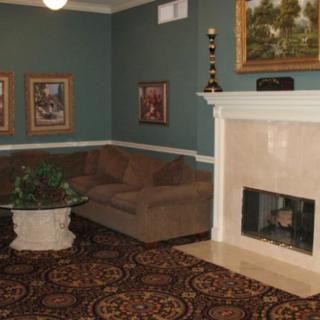
- The building is old and in need of updating, not visually appealing.
- A resident’s husband described Colonial Care as a horrible place due to poor care and neglect.
- A mother fell and broke her hip because of negligence at the facility.
Review
Colonial Care Retirement Center in Baton Rouge is best suited for budget-minded families who want a homey, community-oriented environment with a steady calendar of activities, visible staff engagement, and private rooms. The setting emphasizes connection over luxury: friendly greetings from staff, a family-like atmosphere, and routines that keep residents socially engaged. The attached nursing option offers continuity of care if needed, and the pricing remains a clear advantage in a market with rising costs. For families prioritizing affordability, personal attention, and predictable daily life, Colonial Care provides a practical, low-stress option that keeps residents connected to a familiar neighborhood setting.
However, those with non-negotiable medical oversight should look elsewhere. Reviews describe missed or late medications, incomplete diabetic management, and limited family notification during health events. Bathing and linen changes are not consistently reliable, and some reports highlight pest concerns and sanitation lapses. The building’s age means updates are uneven, and some residents notice a dated feel that detracts from comfort. In short, strong medical management and spotless operation are not consistently demonstrated, which can be a deal-breaker for residents with complex health needs or heightened safety sensitivities.
Yet the positives are meaningful. The director and most staff are praised for attentiveness, creating a supportive atmosphere. Daily activities, bingo, sing-alongs, outings, and worship, provide structure and social contact that reduce isolation. The central kitchen aids meal logistics, and many residents find meals adequate, though some reviews note quality concerns. The environment smells pleasant and the private rooms feel comfortable. Taken together, these elements foster a sense of belonging that often compensates for other shortcomings when community and routine are the priority.
Where concerns loom, they are serious enough to demand careful scrutiny. The building’s age translates into older fixtures and uneven aesthetics, and several accounts allege gaps in medical administration, such as inconsistent medication dosing and delayed doctor contact. Some residents faced neglect in daily needs like baths and linen changes, and there are assertions of pest presence. For a resident with diabetes or other chronic conditions, the risk of mismanagement is a critical factor, making thorough vetting essential before committing to long-term placement.
Before deciding, conduct a rigorous on-site evaluation. Schedule multiple visits at different times, speak directly with the administrator, and request a transparent rundown of nursing oversight, diet plans, and emergency protocols. Inspect dining spaces and kitchens, confirm the availability of diabetic-friendly options, and observe medication rounds to assess consistency. Talk to current residents about health-issue communication, staff responsiveness, and how laundry and housekeeping are handled. Verify cleaning standards and pest-control history, and ensure there is a clear plan for escalating concerns beyond day-to-day care. Documentation and clear expectations matter here.
Bottom line: Colonial Care can be a practical, budget-minded choice for families prioritizing affordability, companionship, and routine, especially where a resident thrives on social programming and a familiar setting. The strengths, affectionate staff, a caring director, and a lively activity calendar, address daily-life needs and can offset smaller-scale comfort expectations. However, medical oversight concerns, inconsistent medication management, and cleanliness issues are serious red flags that may outweigh benefits for residents with complex health needs or strict dietary requirements. For those weighing alternatives, compare options with stronger clinical oversight, updated facilities, and transparent communication policies. A careful, in-person assessment will reveal whether Colonial Care aligns with the loved one’s care goals.
 45 resident community capacity
 Assisted Living
 Skilled Nursing Facility
 Beautician on-site
 Cable or satellite TV
 Dining room
 Financial aid
 Fully furnished
 Garden
 Housekeeping services
 Kitchenette
 Laundry
 Move-in coordination
 Outdoor space
 Party space
 Telephone
 Wi-Fi/high-speed internet available
 Baton Rouge Metropolitan (9 miles away)
 24-hour call system
 Activities of daily living assistance
 Assistance with bathing
 Assistance with dressing
 Assistance with transfers
 Diabetes diet
 Meal preparation and service
 Medication management
 Mental wellness program
 Special dietary restrictions
 Transportation arrangement (medical)
 Transportation to doctors appointments
 Arts and crafts
 Fitness programs
 Games
Games Live musical performances
 Religious services
 English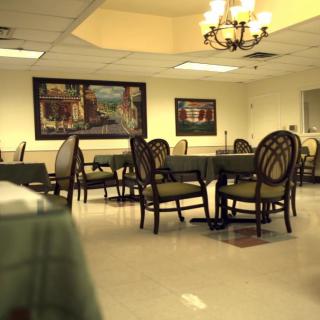






 Comprehensive Residential Support and Assisted Living Solutions for Individuals with Disabilities
 Comprehensive Supportive Living Arrangements for Adults with Disabilities
 Funding and Affording Assisted Living: A Thorough Overview