For more information about senior living options: (866) 208-4318
3.4 from 68 reviews
5 stars
36
4 stars
5
3 stars
2
2 stars
0
1 stars
25
Overall Review of Capitol House Nursing And Rehab Center
caveat11 reviews mention this
Care and turning complaints
Some residents describe missed or delayed basic care needs.
A number of reviews raise concerns about day-to-day assistance, including being left in soiled diapers, delays around turning/changing, and not following expected schedules. Other reviewers also describe communication issues during urgent situations and a lack of compassion from specific staff members. Several of the negative accounts connect these problems to worsening conditions, including pressure-related issues and infections.
caveat6 reviews mention this
Cleanliness and odor concerns
Several reviewers mention unclean conditions or strong odors.
Some reviews describe strong urine odors, rooms that felt unsanitary, and cleanliness problems that made visits uncomfortable. There are also accounts mentioning filthy floors or leaving medical equipment on the ground. On the other hand, a smaller set of reviews say the facility felt clean and that care staff kept patients clean.
differentiator9 reviews mention this
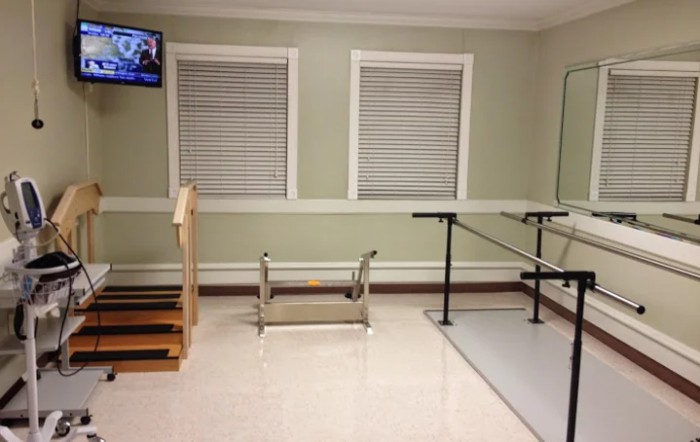
Therapy supports recovery
Many reviews point to meaningful therapy progress.
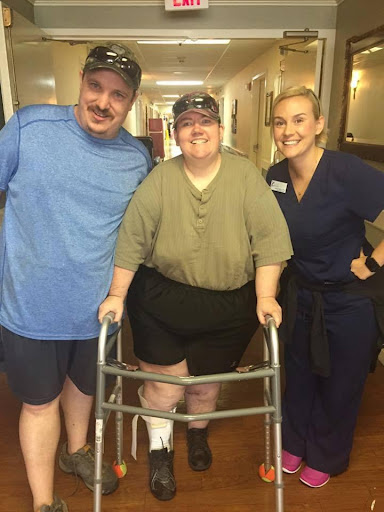
Multiple residents and families describe rehab and therapy as a major reason their stay helped, including regaining mobility and improving day-to-day independence. Several reviewers also credit therapy teams with supporting wound care and overall recovery, and a few describe being satisfied with skilled care and treatment outcomes. While experience varies, therapy is one of the more consistently positive themes across reviews.
common5 reviews mention this
Food is often praised
Food quality comes up positively in multiple reviews.
Several reviewers say the food tastes good or is enjoyable during their stay. A few also mention specific meals as a highlight. These comments align with the community offering restaurant-style dining, with reviews reflecting that meals are a point families notice.
common6 reviews mention this
Activities keep residents engaged
Residents and families frequently mention activities.
Reviews often describe a schedule of activities and community involvement that helps pass the time. Some specifically call out the activity director and highlight that there are things to do while staying on-site. A few reviewers also frame activities as part of what makes the facility feel more supportive during recovery.
How we summarize
Counts show how many written reviews mention each theme; a review can touch several themes, and only frequently mentioned themes are displayed.
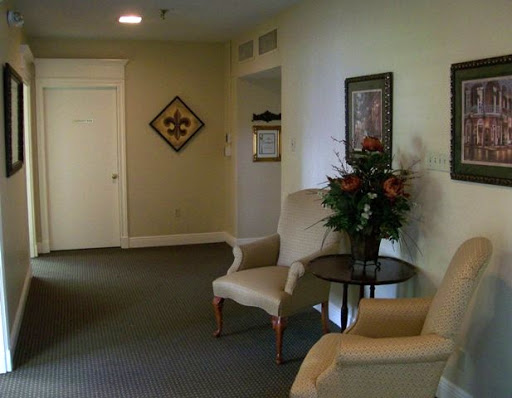
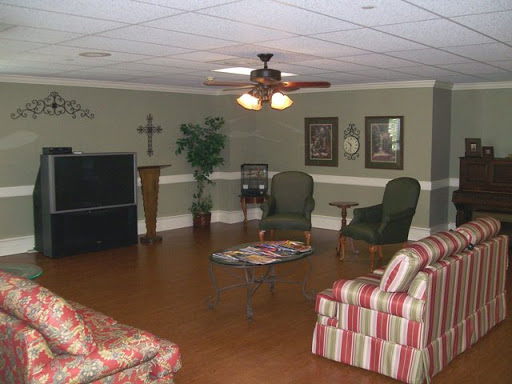
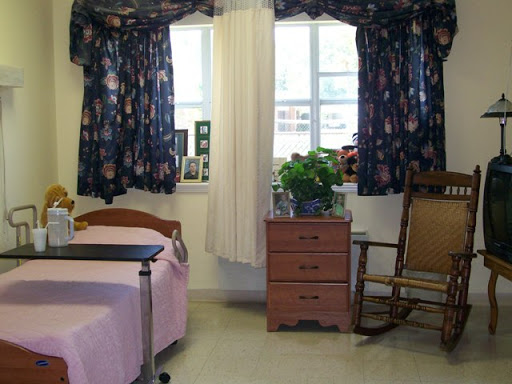
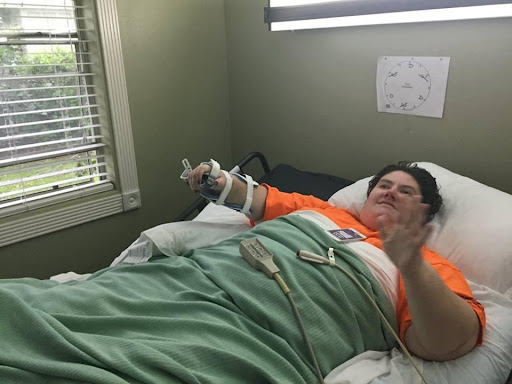
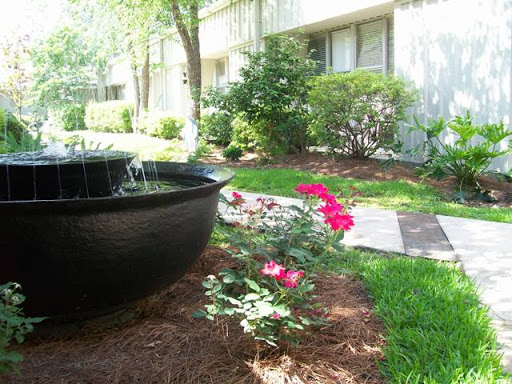
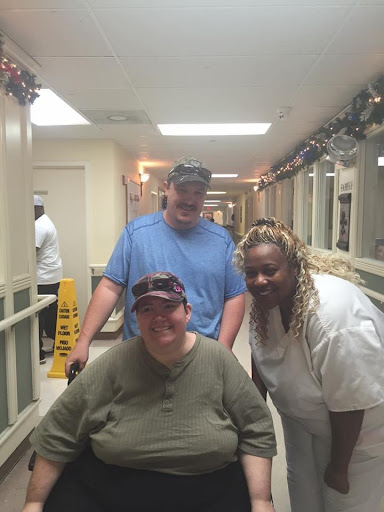
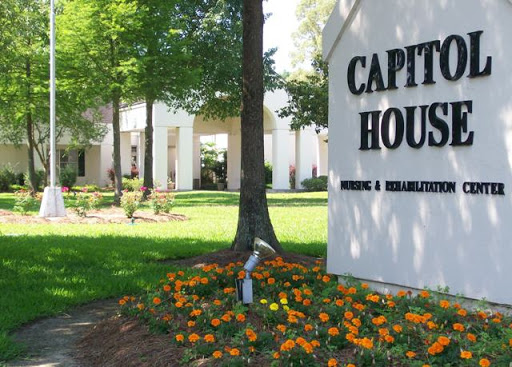
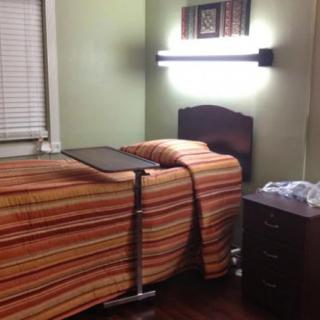
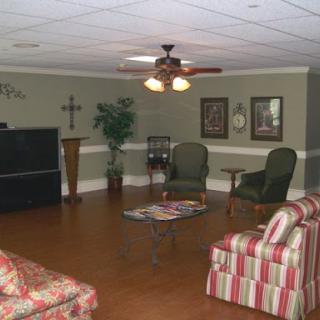
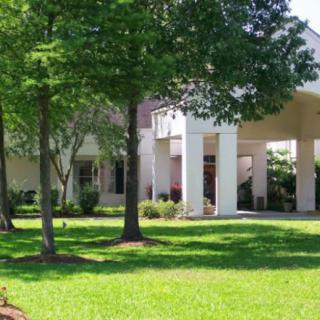
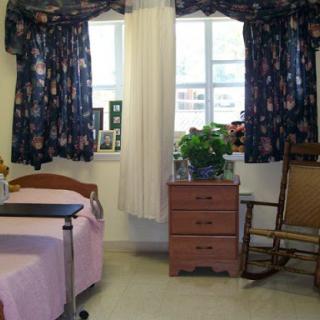
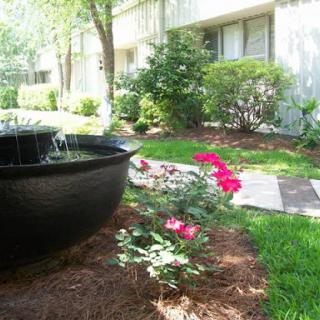
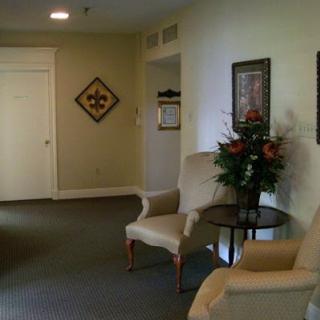
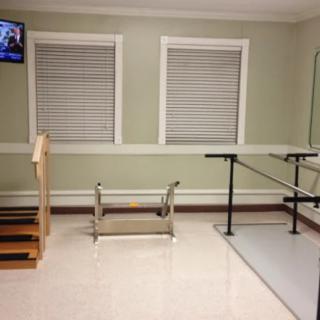
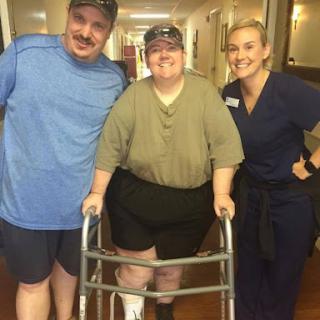
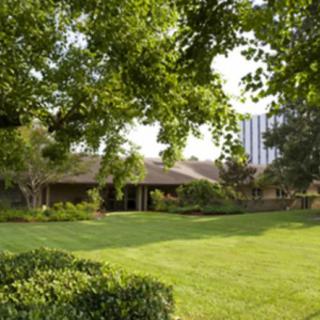
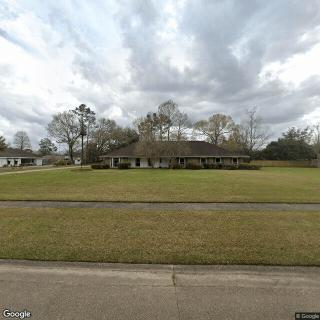
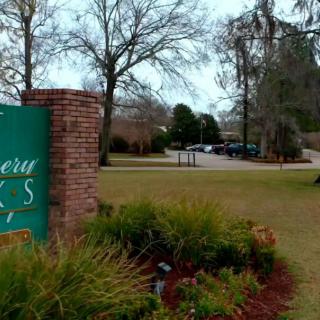
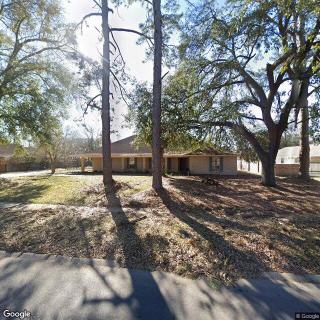
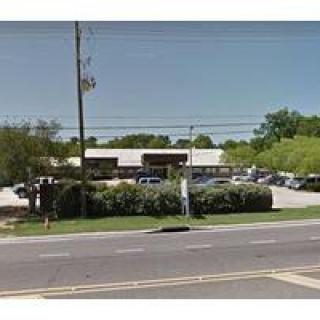
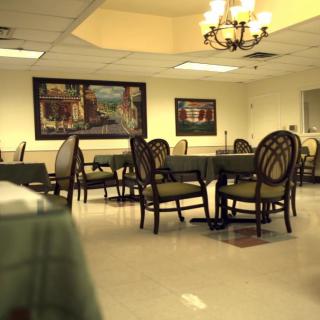
Capitol House Nursing And Rehab Center on seniors.fyi includes 13 photos including images showing landscaping, bedroom, interior, outdoor, building, healthcare, nature, decorative plants, and more.
Nearby Communities
The Care Center
Baton Rouge, LA
2.5 from 2 reviews
Friendly floor staff and engaging activities.
Marcia Home
Baton Rouge, LA
Prime Baton Rouge location with abundant nearby amenities.
The VA Aid and Attendance program offers financial assistance to veterans needing help with daily activities due to health issues, available through a pension for low-income wartime veterans or an allowance for 100% disabled individuals. Eligibility depends on medical documentation of care needs and navigating guidelines about income and service history, with funds being usable for various healthcare-related expenses.
Linda's caregiving journey for her elderly mother, Joan, is marked by deep love and challenges as she navigates health changes, emotional support, and practical arrangements while learning to prioritize self-care and utilize community resources. Their evolving relationship highlights resilience and the universal themes of empathy and preparedness in caregiver experiences.
Get PricingAsk A QuestionSchedule A TourContact Senior Advisor
By clicking submit, you agree to our Partner's Terms of Use. You
also consent to receive calls and texts, which may be autodialed, from our Partner. Your consent is not a condition to
using our Partner's service. Please visit our Partner's Privacy Policy for information about their privacy practices.

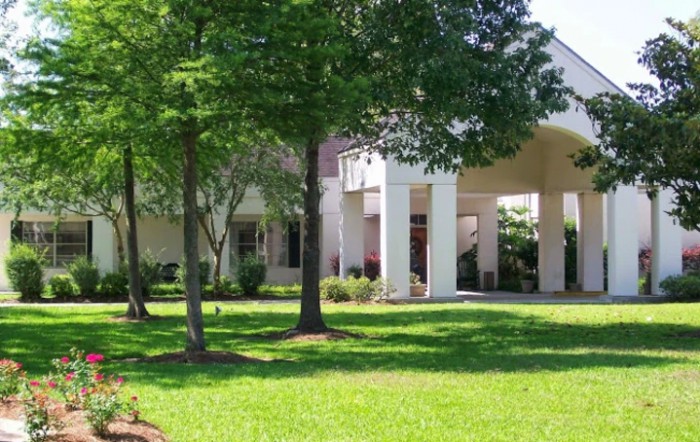
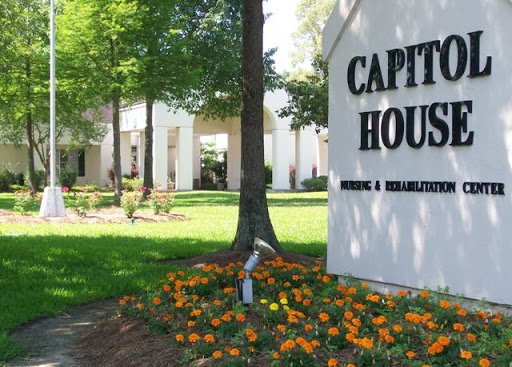
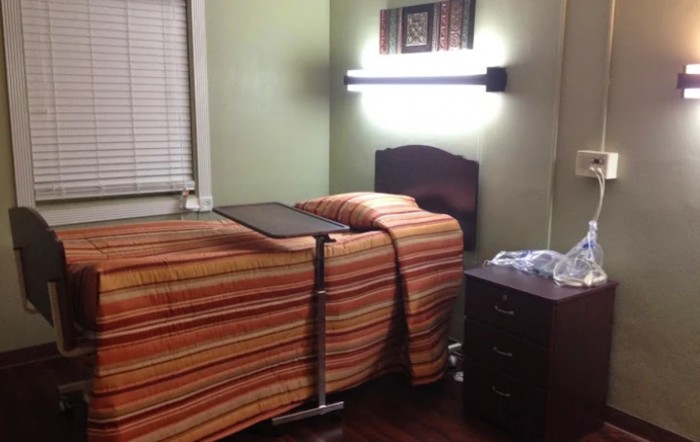


 132 resident community capacity
 Skilled Nursing Facility
 Air-conditioning
 Beauty salon
 Cable or satellite TV
 Computer center
 Dining room
 Fitness room
 Fully furnished
 Gaming room
 Garden
 Housekeeping services
 Kitchenette
 Move-in coordination
 Outdoor space
 Private bathrooms
 Restaurant-style dining
 Small library
 Telephone
 Wellness center
 Wi-Fi/high-speed internet available
 Baton Rouge Metropolitan (8 miles away)
 Community operated transportation
 12-16 hour nursing
 24-hour call system
 Activities of daily living assistance
 Assistance with bathing
 Assistance with dressing
 Assistance with transfers
 Diabetes diet
 Medication management
 Mental wellness program
 Special dietary restrictions
 Concierge services
 Planned day trips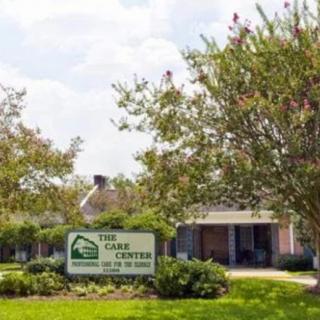
 Friendly floor staff and engaging activities.

 In-Depth Look at the VA Aid and Attendance Program
 Nurturing Our Loved Ones: A Daughter's Journey in Caring for Her Mother
 Nurturing Our Elders: Linda's Journey of Supporting Her Mother