
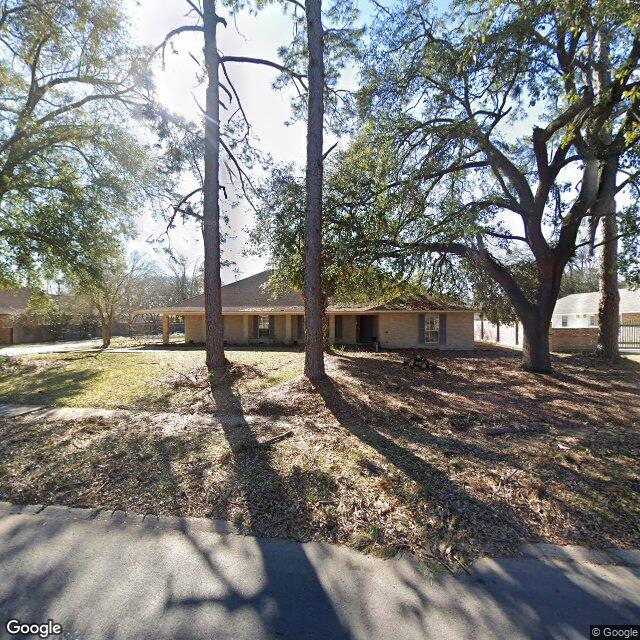
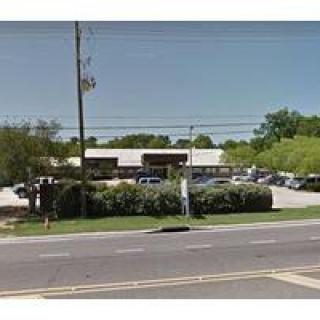
1732 Sherwood Forest Boulevard, Baton Rouge, LA 70815
For more information about senior living options: (866) 208-4318
Fidelis Care III Costs & Pricing
Fidelis Care III offers competitive pricing for its services, particularly when compared to both East Baton Rouge Parish and the broader Louisiana market. For a semi-private room, Fidelis Care III charges $3,800 per month, which is slightly more affordable than the local average of $3,915 while remaining below the state average of $3,598. In terms of private rooms, the monthly cost at Fidelis Care III is set at $4,200; this aligns closely with the county's rate of $4,435 but presents a more favorable option against Louisiana's higher average of $4,521. These figures indicate that Fidelis Care III provides valuable care while maintaining costs that are mindful of regional economic conditions.
| Floor plans | Fidelis Care III | East Baton Rouge Parish | Louisiana |
|---|---|---|---|
| Semi-Private | $3,800 | $3,915 | $3,598 |
| Private | $4,200 | $4,435 | $4,521 |
Assisted Living communities with a similar price nearby
-
from +$300 / mo
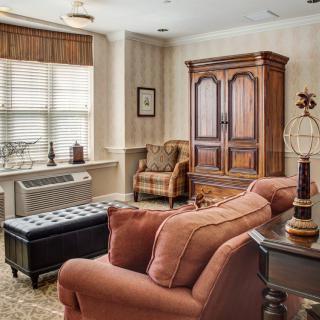
Sunrise Second Baton Rouge Assisted Living
$4,100 to $5,190 / month2.6 miles away -
from +$400 / mo
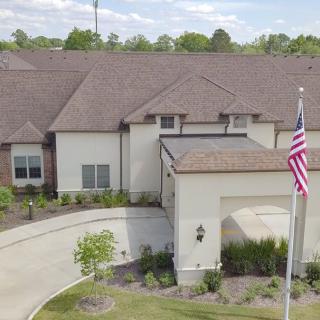
The Pearl at Jamestown
$4,200 / month5.2 miles away -
from +$246 / mo
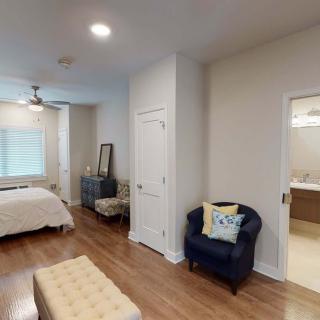
Magnolia Brook On Siegen
$4,046 to $5,695 / month5.2 miles away -
from +$150 / mo
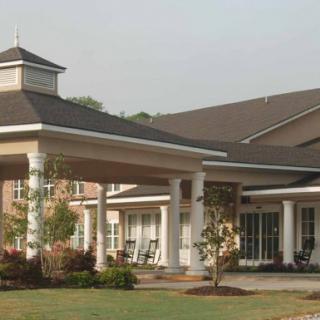
Garden View Assisted Living
$3,950 to $5,500 / month2.9 miles away -
from +$200 / mo
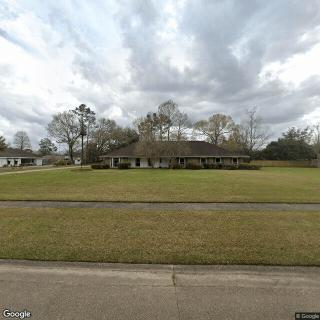
Fidelis King Richard
$4,000 to $5,000 / month0.3 miles away
Overall Review of Fidelis Care III
Pros
 They are wonderful with communication and keep families informed about everything that's going on and how their loved one is doing.
- They show genuine concern and care for residents, and the owner is proactive in getting to the bottom of situations.
- Staff are hands-on when a resident isn’t eating, figuring out what is going on, which is a great comfort to families.
- The common areas, bedrooms, and dining room are clean and well-kept.
- The smaller setting allows quicker problem resolution, and residents never have to wait for meals or attention.
- Residents at fall risk are never left by themselves; staff are right there to help, which is a deep comfort.
- They maintain a good schedule and routine to keep residents active, even during Covid.
- The home is described as fabulous and amazing, with caring, personable staff, and families would highly recommend it.
Cons
 The Covid situation prevented the resident from fully enjoying the facility.
- The loved one's health declined, which tempered the overall experience.
- Limited opportunities to visit in person due to Covid diminished the impression.
Review
This community is best suited for families seeking a small, intimate assisted-living option where care feels personal, proactive, and dependable. It excels for residents who need steady supervision as a fall risk, reliable daily meals, and a comforting, home-like atmosphere. The model hinges on close staff-resident relationships, with an owner who is visibly hands-on in rooting out issues and keeping families informed. For families, the peace of mind comes from knowing communication is consistent, concerns are pursued promptly, and the environment remains clean, orderly, and inviting. In short, Fidelis Care III is the right fit for those who prize quick problem resolution, a tight-knit community, and a strong safety net over scale and breadth of services.
For those considering alternatives, this setting may not be ideal if a resident requires extensive on-site medical infrastructure, a large campus, or a memory-care environment with specialized programming. Bigger facilities can offer more diverse medical teams, broader activity calendars, and a wider social ecosystem. If the priority is a heavy emphasis on clinical depth, specialized dementia care, or campus-wide amenities that accommodate a larger resident population, it makes sense to explore other options that deliver those capabilities in a more expansive footprint.
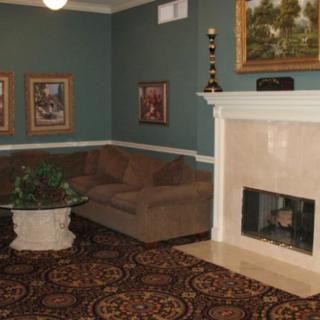
On the upside, the strongest pros here directly offset the most significant drawbacks of a small-house model. The attention to communication stands out: families are kept informed about health, behavior changes, and day-to-day wellbeing, reducing anxiety and uncertainty. The owner’s proactive approach to problem-solving translates into rapid responses when concerns arise, and the staff’s hands-on presence ensures residents never wait long for help. Cleanliness and a well-kept environment reinforce a sense of safety and dignity, while the small size means staff can observe subtle changes in mood, appetite, or mobility and act quickly. Meals and dining experiences are reliably orderly, and the care team’s visibility fosters trust in daily routines and safety, especially for someone who needs consistent assistance.
Yet the compact scale does carry potential limitations. The number of residents naturally limits the breadth of social opportunities and the diversity of activities available at any given moment. While activity programming exists and is meaningful, it does not replicate the breadth of larger communities. Staffing is robust for a small home, two caregivers around the clock plus visiting nurses, but for families seeking intensive, on-site medical care or 24/7 clinical depth, this arrangement may feel lean. The strongest mitigation is the high level of personal attention and the ability to tailor care quickly, but families should assess whether the resident’s clinical needs or social preferences require broader capacity.
When evaluating options, families should probe several practical questions. Ask about the exact staff-to-resident ratio at different times of day and how emergencies are handled after hours. Inquire whether a registered nurse is always on site or available for same-day assessments, and how daily routines adapt to changes in health or appetite. Confirm the dining experience, including meal variety, portion control, and accommodations for dietary restrictions. Finally, observe whether the atmosphere feels like a warm, secure home and whether staff demonstrate the same level of engagement with your loved one that appears evident in conversations with families already connected to the community.
Overall, Fidelis Care III stands out in Baton Rouge for its warmth, transparent communication, and hands-on, intimate care. It is a top pick for families prioritizing safety, personal attention, and a homelike daily rhythm over the scale and wide amenities of larger facilities. For residents whose needs are well-served by a smaller, tightly managed environment and for families who value rapid problem-solving and consistent updates, the pros clearly outweigh the minimalist cons. If the aim is more expansive medical support, a broader activity ecosystem, or dementia-specific programming, it is prudent to explore alternatives with those capabilities.
 8 resident community capacity
 Assisted Living
 Board and Care Home
 Cable or satellite TV
 Dining room
 Fully furnished
 Garden
 Housekeeping services
 Move-in coordination
 Outdoor space
 Private
 Telephone
 Wi-Fi/high-speed internet available
 Baton Rouge Metropolitan (9 miles away)
 24-hour supervision
 Activities of daily living assistance
 Ambulatory care
 Assistance with bathing
 Assistance with dressing
 Assistance with transfers
 Diabetes diet
 Diabetic care
 High acuity care
 Incontinence care
 Meal preparation and service
 Medication management
 Special dietary restrictions
 Transportation arrangement (medical)
 Transportation to doctors appointments


 Understanding the True Cost of Assisted Living in 2025: A Comprehensive Guide
 Understanding Medicaid Coverage for Assisted Living: A Comprehensive Guide
 How and When Medicaid May Cover Assisted Living Costs