
2828 Westfork, Baton Rouge, LA 70816
For more information about senior living options: (866) 208-4318
Overall Review of Nottingham Regional Rehab Center
Pros
 The service is excellent.
- The staff is awesome and professional.
- The staff is more than willing to go above and beyond to assist in any way they can.
- Jamie, the Director of Nursing, is an impressive leader.
- The Capital Oaks staff deserves to be recognized.
- The facility is kept clean.
Cons
 The staff are disrespectful and reportedly under the influence, and the administration plays childish games, seeming cowardly.
- They handle patients badly, speak to them cruelly, and are on the phone most of the time, not paying attention to residents.
- A staff member was seen on video chat walking around while changing patients at the same time, showing a severe lack of focus.
- The facility is described as horrible, with excessive lack of care and unprofessionalism from administration and nurses, treating patients like animals.
- Care is so careless that a relative with neck surgery was transferred in a wheelchair in the back of a van, leading to unresponsiveness and death; many say this place should be shut down.
- Some staff are mean, and there are lies and bad decisions by leadership, indicating overall poor governance.
Review
Nottingham Regional Rehab Center in Baton Rouge is best suited for seniors who need a focused, short-term post-acute rehabilitation stay and have an engaged advocate, someone who will actively monitor care, press for timely responses, and insist on consistent standards. It is not a reliable choice for families seeking a predictable, high-quality long-term home with uniformly compassionate daily care. When the goal is steady, everyday safety and sustained, respectful treatment over months and years, this community demands vigilance and a willingness to intervene.
Those who should seriously consider alternatives include families with residents who require reliable, uniform attention and clear, ongoing communication. Multiple reviews raise red flags about disrespectful handling, inconsistent staff attentiveness, and perceptions of careless or aggressive care. If a loved one depends on gentle, steady daily support, or if the care plan hinges on a stable, professional nursing team, it is prudent to look elsewhere. The negative feedback on hospital transfers, patient handling, and perceived lack of accountability cannot be dismissed as isolated incidents in a setting that will be entrusted with health and safety.
On the upside, there are voices praising portions of the care team and the leadership. A subset of residents and family members describe staff as capable, friendly, and willing to go above and beyond, and they point to leadership, specifically the Director of Nursing, as a standout element of the operation. The facility is reportedly clean, and at times the environment reflects a level of organization that can support rehabilitation programs. These pros show that when the right personnel are present and properly directed, meaningful progress is possible and some experiences are positive.
Yet the main cons repeatedly undermine those strengths. The most troubling themes involve disrespectful or inattentive treatment, accusations of staff impairment, and reports of unprofessional conduct at the administrative level. Several reviews describe staff who seem distracted, on personal calls, or disengaged from residents, and a few narratives describe alarming patient mishandling and dangerous transport practices. The strongest warnings come from accounts of patients who appeared neglected, and even a fatal outcome attributed to substandard care. In short, the positive moments are real but fragile, easily overwhelmed by episodes of poor communication, poor judgment, and inconsistent accountability.
How to weigh the pros and cons practically? The positives suggest that if a robust, corrective leadership presence is sustained, and if families insist on real-time updates and active oversight, some residents may experience meaningful rehabilitation progress. The clean facility and competent individuals can create a workable framework, provided the operation remains consistently guided by reliable governance and strict adherence to safety protocols. However, the breadth and intensity of the reported drawbacks mean that any decision should hinge on a concrete plan to monitor care, establish clear expectations, and require immediate escalation when concerns arise.
For families evaluating this community, a strategic approach is essential. Schedule comprehensive tours that include observation across shifts; request candid conversations with leadership and frontline staff about accountability mechanisms; gather firsthand impressions from current residents and family members; and verify the facility’s formal processes for incident reporting and problem resolution. Confirm the presence of an engaged nursing director, stable staffing, and documented improvement plans if concerns are identified. Check the latest state inspection outcomes and ask for real-world examples of how concerns were addressed.
Ultimately, Nottingham Regional Rehab Center reads as a mixed performance: potential for solid rehabilitation in the hands of watched and accountable staff, but a high risk of negative experiences if oversight lapses. For risk-averse families prioritizing consistent daily care, alternatives with proven track records of compassionate, reliable service are a safer bet. For those willing to invest in diligent advocacy and a hands-on approach to care planning, and who can tolerate a variable environment with a credible leadership framework, there may be workable windows. The key is to align expectations with a concrete oversight plan and to move decisively if care quality shows ongoing instability.
 176 resident community capacity
 Skilled Nursing Facility
 Activities on-site
 Air-conditioning
 Beautician on-site
 Cable or satellite TV
 Computer center
 Devotional services on-site
 Dining room
 Fitness room
 Fully furnished
 Gaming room
 Garden
 Housekeeping services
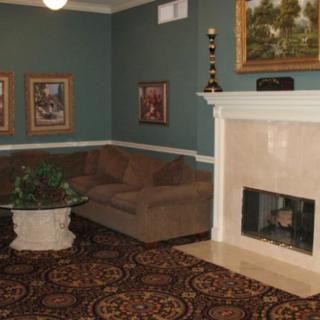
 Indoor common areas
 Kitchenette
 Move-in coordination
 Outdoor space
 Private bathrooms
 Respite or short term stays offered
 Restaurant-style dining
 Small library
 Telephone
 Wellness center
 Wi-Fi/high-speed internet available
 Baton Rouge Metropolitan (9 miles away)
 Community operated transportation
 12-16 hour nursing
 24-hour call system
 Assistance with bathing
 Assistance with dressing
 Assistance with transfers
 Diabetes diet
 High acuity care
 Incontinence care
 Medication management
 Mental wellness program
 Special dietary restrictions
 Concierge services
 Planned day trips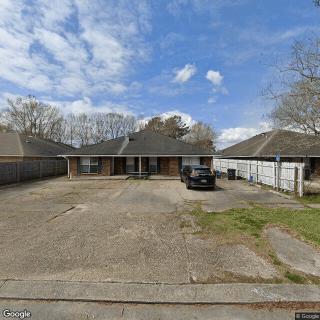



 A Detailed Examination of Nursing Home Costs Across the U.S.
 Exploring Nonmedical Home Care: Understanding Services, Costs, and Financial Approaches
 Engaging Brain Games and Innovative Apps to Keep Senior Minds Active