The Guest House

Save
The Guest House The Guest House The Guest House The Guest House

The Guest House

10145 Florida Boulevard, Baton Rouge, LA 70815

For more information about senior living options: (844) 490-3973

3.4 from 27 reviews
5 stars
13
4 stars
4
3 stars
0
2 stars
1
1 stars
9

Skilled Nursing Facility

Overall Review of The Guest House

Pros

  • pro Ms. White is personable, caring, intuitive, and loving in her care for loved ones.
  • pro The location is awesome, and Loriona brings love and joy.
  • pro The staff are incredible.
  • pro The workers are phenomenal.
  • pro Angel in admissions provided a sense of peace regarding the decisions.
  • pro The time his father spent there on hospice brought him joy in his final months.
  • pro The staff were compassionate and funny.
  • pro The CNAs were absolutely amazing to him.
  • pro The wound care team provided excellent care and treated him with dignity.
  • pro He found a small community there where he belonged.
  • pro The cats and birds in the courtyard made it feel like home.
  • pro The facility is much nicer, larger, and cleaner than similar places nearby.

Cons

  • pro The service was described as horrible, with the call button often unanswered for up to two hours.
  • pro The food was described as horrible.
  • pro Many workers were rude, and the reviewer would not recommend the facility.
  • pro The environment was not sanitized; roaches were present and the facility was not clean.
  • pro There was no on-call maintenance during an air conditioning outage, and stand-up fans were not provided.
  • pro The staff were described as deadpan, indifferent, and cold toward patients, indicating neglect.
  • pro Nurses and CNAs did not follow hygienic practices, a catheter was ripped out, and patients were left sitting or lying in excrement.
  • pro Hygiene issues led to MRSA infections.
  • pro The facility was labeled as the worst and most inhumane, with a strong warning not to send loved ones there.
  • pro The facility was understaffed and slow to attend to residents who can't help themselves.
  • pro A reviewer regretted moving a loved one there and moved him to another facility due to poor care.
  • pro A death occurred after poor care, with the reviewer implying it was not coincidental.

Review

Across a cluster of reviews, the story of elder care unfolds in stark contrast: moments of warmth, connection, and genuine care sit beside episodes of neglect, frustration, and even fear. Several commentators speak with affection about particular staff members and the humane touches that can transform a difficult transition into something bearable, even comforting. Others recount experiences that strike at the core of trust, describing delays, hygiene concerns, and a sense that the people entrusted with loved ones were overwhelmed, indifferent, or unaccountable. The tension between these two poles - care that feels personal and competent, and care that feels impersonal or negligent - runs through every paragraph.

On the compassionate end of the spectrum, the Social Service Coordinator, Ms. White, and a cadre of supportive staff are praised for being personable, caring, and intuitively attentive to the needs of families and residents. Reviewers specifically credit Ms. White with offering thoughtful guidance and warmth, setting a tone of partnership during a difficult life transition. The appreciation extends to others who bring joy and humor into the care environment: Loriona, described as a great person with a unique personality who fills the space with love during performances or stage moments; Angel in admissions who calmed anxious families with a sense of peace from the outset. In at least one account, the staff are described as incredible, with CNAs who are absolutely amazing to a parent in hospice and a wound care team that treated a skin cancer challenge with care and dignity. The courtyard, where cats and birds provide a home-like atmosphere, is repeatedly cited as a little sanctuary that softens the harsh realities of long-term care.

In the Baton Rouge facility story, there is a vivid contrast between the comfort some families found and the difficulties others faced across the same organization. One grateful family notes that their father's final months were brighter because of compassionate, funny staff who helped him make friends after years of loneliness; they emphasize that the staff went above and beyond in caring for a stage 4 pressure wound and in supporting the family through a sensitive hospice experience. A different family's experience, however, underscores how quickly a facility's reputation can fracture in the eyes of relatives: after moving their loved one to another Plantation Management facility, they would "forever regret" that choice, insisting that a bigger, fancier building does not necessarily translate to better or even equal care. Across these voices, there are strong acknowledgments that some nurses and nurses' aides are among the most caring people a family could rely on, especially when dedicated staff stay for years and form lasting bonds with residents.

Yet the same narrative space holds stark counterpoints. Several reviews depict an environment where practical concerns - keeping residents safe, clean, and attended to - fade under the weight of understaffing and slow responsiveness. A particularly harsh account claims that call buttons are not answered for hours, food is poor, and much of the staff come across as rude. Hygiene and cleanliness are called into question in others, with statements about unsanitary conditions, roaches, and a general sense that the facility is not kept to acceptable standards. One reviewer recounts an air conditioning outage that left a patient without relief, noting the absence of on-call maintenance and the limited options offered by staff. The recurring fear expressed in these passages is that vulnerable residents are being left to endure discomfort or risk without timely, effective intervention.

The most troubling stories center on perceived neglect and systemic failure. A powerful, multi-part account describes a year of "hell" for a father who did not receive adequate attention, mentioning a pattern of indifference, poor hygiene practices during dressing changes, an accidental catheter issue, and daily exposure to waste. The reviewer details repeated neglect and dishonesty about care, with promises unmet and tasks ignored, leading to a loss of trust and, in the reviewer's words, a sense that the patient's family had to intervene constantly to ensure basic needs were met. The claim that MRSA was contracted as a consequence of the facility's hygiene lapses weighs heavily in this narrative, and the reviewer urges others to seek out better options and to conduct surprise visits if keeping a loved one in such a setting becomes necessary. In the same breath, another family laments the absence of timely help for someone with dementia, describing the staff as overwhelmed and slow, with a recurring pattern of "the torch just keeps being passed" rather than resolved care.

Interwoven with the mixed experiences are hopeful reminders that not all care environments are uniformly negative or positive. One family highlights a decade-long residency for a parent with memory challenges as "decent," noting more space, cleaner surroundings, and a generally more workable environment compared to other nearby options. Another account emphasizes that, despite turnover and the inevitable ebbs and flows of staff dedication, there are still employees who deserve heartfelt thanks for years of service, whose consistent presence provides stability and trust for families who must lean on them during difficult times. And there is also a clear sense that meaningful, heartfelt connection - whether through a compassionate nurse, a wise admissions counselor, or a tranquil courtyard corner - can leave a lasting impression, even when other aspects of care do not meet expectations.

Taken as a whole, these reviews reveal a complex mosaic of elder care experiences. The best moments come from individuals who listen, empathize, and act with integrity toward both residents and their families. The worst moments come from gaps in staffing, maintenance, and hygiene that leave residents at risk and families feeling unheard. For anyone navigating decisions about care, the collection of voices suggests that the quality of daily life for a loved one can hinge not only on the facility's policies or building size, but on the daily presence and attitude of the people who show up to care. It is a reminder that in long-term care, trust is built one conversation, one touch, and one clean, well-run shift at a time.

Features

Housing

  • 144 resident community capacity 144 resident community capacity

Types of Care

  • Skilled Nursing Facility Skilled Nursing FacilitySkilled Nursing Facilities are crucial for seniors as they provide round-the-clock medical care, rehabilitation services, and assistance with daily activities. These facilities ensure that seniors receive the specialized care they need to maintain their health and well-being as they age.

Amenities

  • Air-conditioning Air-conditioningAir conditioning is important for seniors as they are more vulnerable to heat-related illnesses and may have underlying health conditions that make it difficult for them to regulate their body temperature. It helps to keep them comfortable, safe, and healthy in hot weather.
  • Beauty salon Beauty salonBeauty salons are important for seniors because they provide a space for them to feel pampered, socialize, and maintain their personal grooming and hygiene. Regular visits to a beauty salon can help boost seniors' self-esteem and overall well-being.
  • Cable or satellite TV Cable or satellite TVCable or satellite TV is important for seniors because it provides entertainment, news, and companionship, helping to combat loneliness and boredom. It also offers a wide range of programming options tailored to different interests and preferences.
  • Computer center Computer centerA computer center is essential for seniors as it provides access to technology, communication tools, and resources that can enhance their daily lives. It allows them to stay connected with loved ones, engage in online activities, and learn new skills, ultimately promoting socialization and mental stimulation.
  • Dining room Dining roomDining rooms are important for seniors as they provide a space for socialization, connection, and nutritious meals. They offer opportunities for residents to bond over shared meals, foster a sense of community, and promote healthy eating habits. Dining rooms also ensure that seniors have access to well-balanced meals tailored to their dietary needs and preferences.
  • Fitness room Fitness roomHaving a fitness room in a senior living community is essential for seniors to stay active, maintain their physical health, and improve their overall well-being. Regular exercise can help prevent falls, reduce the risk of chronic diseases, and promote mental sharpness. It also provides social opportunities for residents to connect with others and enjoy a sense of community.
  • Fully furnished Fully furnishedFully furnished senior living communities are important for seniors because they provide convenience, comfort, and a hassle-free moving experience. Seniors can easily settle into their new living space without the stress of having to buy and move furniture. This allows them to focus on enjoying their new home and community.
  • Gaming room Gaming roomGaming rooms are important for seniors as they provide a fun and engaging environment for socializing, cognitive stimulation, and physical activity. Games can improve memory, problem-solving skills, and overall mental well-being while fostering friendships and reducing feelings of isolation.
  • Garden GardenGardens are important for seniors as they provide a peaceful and therapeutic environment for relaxation, physical activity, and socialization. Being in nature has been shown to reduce stress, improve mood, and promote overall well-being. Gardens also offer opportunities for seniors to engage in gardening activities, which can improve mobility, flexibility, and cognitive function. Additionally, gardens create a sense of community and connection with others who share a passion for plants and outdoor spaces.
  • Housekeeping services Housekeeping servicesHousekeeping services are important for seniors because they help maintain a clean and safe living environment, promote independence, and reduce the risk of accidents or illnesses. Additionally, having assistance with household chores can alleviate physical strain and allow seniors to focus on other aspects of their well-being.
  • Kitchenette KitchenetteKitchenettes are important for seniors living in senior living communities because they provide the convenience and independence of being able to prepare simple meals and snacks in the comfort of their own living space. This can help promote a sense of autonomy and well-being for seniors, allowing them to maintain some level of control over their dietary choices and daily routines.
  • Move-in coordination Move-in coordinationMove-in coordination is important for seniors because it helps ease the transition into their new living environment. It ensures that all logistics, such as packing, organizing movers, and setting up utilities are taken care of, allowing seniors to focus on settling in and adjusting to their new home. Having a smooth move-in process can alleviate stress and anxiety, making the transition smoother and more enjoyable for seniors.
  • Outdoor space Outdoor spaceOutdoor spaces are important for seniors as they provide opportunities for physical activity, social interaction, exposure to natural light and fresh air, and a sense of connection to nature. Having access to outdoor spaces can improve overall well-being and quality of life for older adults living in senior communities.
  • Private bathrooms Private bathroomsPrivate bathrooms are important for seniors in senior living communities because they provide independence, dignity, and comfort. Having a private bathroom allows seniors to maintain their personal hygiene routines without the need for assistance, promoting a sense of autonomy and privacy. Additionally, private bathrooms help prevent the spread of infections and provide a safe and clean environment for seniors to navigate safely.
  • Restaurant-style dining Restaurant-style diningRestaurant-style dining is important for seniors because it allows them to enjoy delicious, nutritious meals in a social and upscale setting. This enhances their dining experience, promotes healthy eating habits, and fosters socialization with fellow residents, ultimately contributing to their overall well-being and quality of life.
  • Small library Small librarySmall libraries are important for seniors as they provide access to a variety of reading materials, including books, newspapers, and magazines. This can help stimulate their minds, keep them engaged, and provide a sense of community through book clubs and other social activities. Additionally, reading has been shown to improve cognitive function and overall mental well-being in older adults.
  • Telephone TelephoneTelephones are important for seniors as they provide a lifeline for communication with loved ones, emergency services, and healthcare providers. They offer a sense of security and independence, enabling seniors to stay connected and access assistance when needed.
  • Wellness center Wellness centerWellness centers are important for seniors because they offer a variety of programs and services that promote physical, mental, and emotional well-being. These centers provide opportunities for exercise, socialization, education, and relaxation, helping seniors maintain their overall health and quality of life.
  • Wi-Fi/high-speed internet available Wi-Fi/high-speed internet availableWi-Fi/high-speed internet is important for seniors to stay connected with loved ones, access online resources, and participate in virtual activities to combat feelings of loneliness and isolation. It also allows them to easily manage healthcare needs, access entertainment, and engage in lifelong learning opportunities.

Transportation

  • Baton Rouge Metropolitan (7 miles away) Baton Rouge Metropolitan (7 miles away)
  • Community operated transportation Community operated transportationCommunity operated transportation is crucial for seniors as it provides them with the means to access essential services, social activities, and medical appointments. It allows seniors to maintain their independence and quality of life by ensuring they can participate in activities outside of their homes. Additionally, community-operated transportation services offer a safe and reliable way for seniors to travel without having to rely on family or friends for assistance.
  • Transportation arrangement Transportation arrangementTransportation arrangements are crucial for seniors as they may face challenges with driving, mobility, or access to public transportation. Having reliable transportation services ensures that seniors can easily attend appointments, social activities, and maintain their independence and quality of life.
  • Transportation arrangement (non-medical) Transportation arrangement (non-medical)Transportation arrangements are essential for seniors as they provide access to essential services, activities, and social interactions outside the home. This service helps maintain independence, mobility, and overall well-being for seniors who may have limited transportation options.
  • Transportation to doctors appointments Transportation to doctors appointmentsTransportation to doctors appointments is crucial for seniors as it ensures they have access to necessary medical care and support, promoting their health and well-being. It allows them to receive timely treatment, monitor existing conditions, and address any new health concerns efficiently. Additionally, transportation services can help seniors maintain their independence and quality of life by enabling them to stay connected with their healthcare providers.

Care Services

  • 12-16 hour nursing 12-16 hour nursing12-16 hour nursing care is crucial for seniors in order to ensure around-the-clock monitoring, timely medication administration, and prompt response to any health concerns or emergencies. This level of care helps to promote the overall well-being and safety of seniors living in senior living communities.
  • 24-hour call system 24-hour call system24-hour call systems are important for seniors because they provide peace of mind and immediate assistance in case of emergencies. This technology ensures that help is always available, promoting safety and security for elderly individuals living alone or in assisted living facilities.
  • 24-hour supervision 24-hour supervision24-hour supervision is important for seniors to ensure their safety, well-being, and access to immediate assistance in case of emergencies or health issues. This constant support provides peace of mind for both seniors and their loved ones, allowing them to age in place with dignity and security.
  • Activities of daily living assistance Activities of daily living assistanceActivities of daily living assistance are important for seniors because they provide essential support with tasks such as eating, bathing, dressing, and mobility. This assistance helps seniors maintain their independence, dignity, and overall quality of life as they age.
  • Assistance with bathing Assistance with bathingAssistance with bathing is crucial for seniors as it helps maintain personal hygiene, prevents infections, and ensures their overall well-being and comfort. It also provides a sense of dignity and independence for seniors who may struggle with this task on their own.
  • Assistance with dressing Assistance with dressingAssistance with dressing is important for seniors because it helps maintain their independence, promotes personal hygiene, prevents accidents and injuries, and improves overall quality of life. This service ensures that seniors can continue to dress comfortably and confidently, despite any physical limitations they may have.
  • Assistance with transfers Assistance with transfersAssistance with transfers is crucial for seniors as it helps prevent falls and injuries, maintains their independence, and ensures they can safely navigate their living environment. It also provides peace of mind for both seniors and their loved ones.
  • Diabetes diet Diabetes dietA diabetes diet is crucial for seniors as it helps manage blood sugar levels, reduce risks of complications, and improve overall health and well-being. By following a balanced and nutritious diet tailored to their specific needs, seniors can better control their diabetes and enhance their quality of life.
  • Meal preparation and service Meal preparation and serviceMeal preparation and service are crucial for seniors as they may have limited mobility or energy to cook nutritious meals. Having access to healthy and convenient food options can ensure they are getting the proper nutrition needed to maintain their overall health and well-being.
  • Medication management Medication managementMedication management is crucial for seniors to ensure they are taking the right medications at the correct dosages and times. This helps prevent adverse drug interactions, reduces the risk of medication errors, and promotes overall health and well-being. Proactive management also allows for adjustments as needed based on changing health conditions or new prescriptions.
  • Mental wellness program Mental wellness programMental wellness programs are essential for seniors as they promote cognitive stimulation, emotional support, and social engagement. These programs help prevent isolation, depression, and cognitive decline, ultimately enhancing the overall quality of life for older adults.
  • Special dietary restrictions Special dietary restrictionsSpecial dietary restrictions are important for seniors because age-related changes in metabolism and health conditions can make it difficult for their bodies to process certain foods. By following a diet tailored to their specific needs, seniors can maintain their overall health and well-being, manage chronic conditions, and reduce the risk of complications such as malnutrition or food interactions with medications.

Dining

  • Diabetes diet Diabetes dietA diabetes diet is crucial for seniors as it helps manage blood sugar levels, reduce risks of complications, and improve overall health and well-being. By following a balanced and nutritious diet tailored to their specific needs, seniors can better control their diabetes and enhance their quality of life.
  • Special dietary restrictions Special dietary restrictionsSpecial dietary restrictions are important for seniors because age-related changes in metabolism and health conditions can make it difficult for their bodies to process certain foods. By following a diet tailored to their specific needs, seniors can maintain their overall health and well-being, manage chronic conditions, and reduce the risk of complications such as malnutrition or food interactions with medications.

Activities

  • Community-sponsored activities Community-sponsored activitiesCommunity-sponsored activities are important for seniors as they provide opportunities for social interaction, mental stimulation, and physical activity. These activities can help improve overall well-being, combat loneliness and isolation, and promote a sense of belonging and purpose among older adults.
  • Concierge services Concierge servicesConcierge services are essential for seniors as they provide assistance with daily tasks and errands, enhance their quality of life by offering convenience and personalized care, and promote a sense of safety and security.
  • Fitness programs Fitness programsFitness programs are crucial for seniors as they help improve strength, flexibility, balance, and overall well-being. Staying active can reduce the risk of chronic diseases, improve mental health, and enhance quality of life in older adults.
  • Planned day trips Planned day tripsPlanned day trips are important for seniors because they offer opportunities for socialization, mental stimulation, and physical activity. They provide a change of scenery and help seniors stay engaged and connected to their community, promoting overall well-being and quality of life.
  • Resident-run activities Resident-run activitiesResident-run activities are important for seniors as they encourage social interaction, creativity, and a sense of autonomy. These activities empower seniors to stay engaged and active in their community while fostering meaningful connections with their peers.
  • Scheduled daily activities Scheduled daily activitiesScheduled daily activities are important for seniors because they provide structure, socialization, mental stimulation, and physical activity. Engaging in regular activities can improve overall well-being and quality of life for seniors living in a community setting.

Description

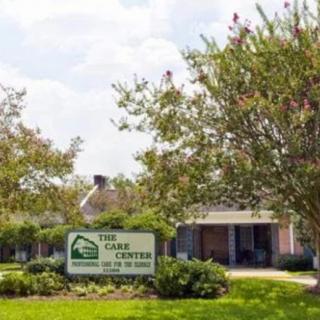
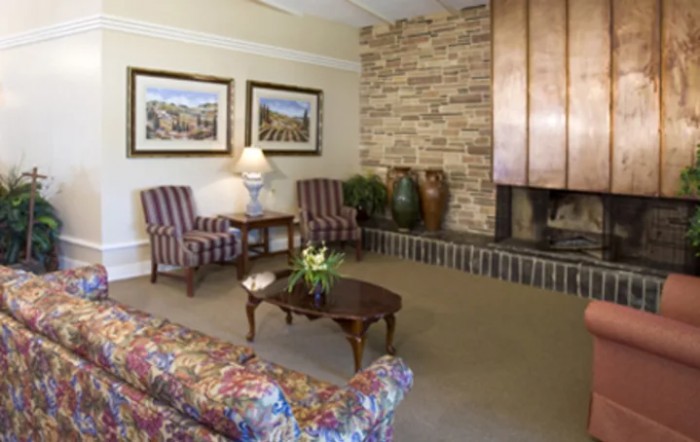
The Guest House in Baton Rouge, LA is a vibrant assisted living community that offers a wide range of amenities and care services to cater to the needs of its residents. The community features a beauty salon, where residents can pamper themselves and feel their best. With cable or satellite TV available in each room, residents can enjoy their favorite shows and stay entertained.

Transportation is made easy with community-operated transportation services, which provide convenient access to nearby locations such as doctors' appointments or other important errands. The computer center allows residents to stay connected with loved ones or pursue their interests online.

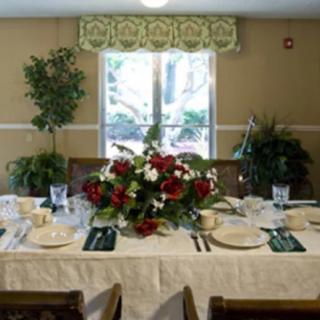
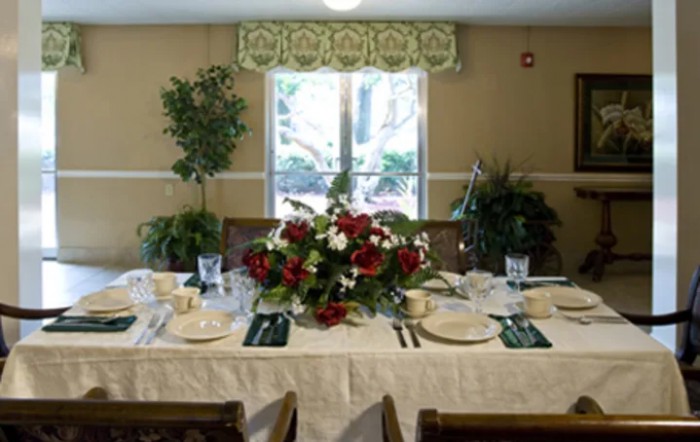
Dining at The Guest House is a delightful experience, with restaurant-style dining offered in a spacious dining room. Special dietary restrictions are taken into consideration, ensuring that all residents can enjoy delicious and nutritious meals prepared by the skilled staff.

To promote physical well-being, the community provides a fitness room equipped with exercise equipment and fitness programs tailored to meet individual needs. Residents can also engage in various activities such as gaming or participate in resident-run activities for socialization and mental stimulation.

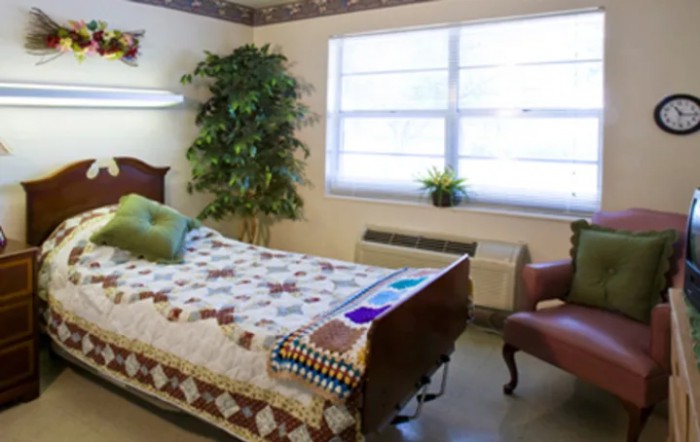
The Guest House also offers comfortable living spaces, as each room is fully furnished and comes with a kitchenette for added convenience. Private bathrooms ensure privacy and independence for residents.

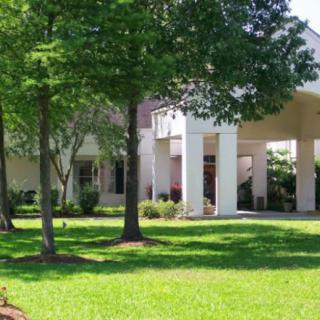
Residents can indulge in the serene outdoor space surrounded by beautiful gardens or relax in the small library for some quiet reading time. Wi-Fi/high-speed internet is available throughout the community for staying connected digitally.

Care services at The Guest House include 24-hour call systems and supervision to ensure safety at all times. Trained staff are available to provide assistance with activities of daily living such as bathing, dressing, and transfers. Medication management and diabetes diet are part of the comprehensive care provided.

Furthermore, move-in coordination assists new residents during their transition process. Housekeeping services help maintain cleanliness and organization within individual rooms.

The location of The Guest House is advantageous with several nearby amenities including cafes, parks, pharmacies, physicians, and restaurants. Transportation arrangements are also available for convenience.

Overall, The Guest House in Baton Rouge, LA offers a warm and welcoming environment where residents can enjoy an active and fulfilling lifestyle with access to top-notch care services and a wide range of amenities.

Nearby Places of Interest

Places of Worship

  • Broadmoor United Methodist Church (0.4 miles)
  • United Christian Faith Ministries (2.7 miles)

Pharmacies

  • Walgreens (0.7 miles)
  • Walmart Pharmacy (1.9 miles)
  • Walgreens (1.9 miles)
  • CVS Pharmacy (2.1 miles)
  • Walgreens (2.2 miles)
  • CVS Pharmacy (2.5 miles)
  • CVS Pharmacy (3.1 miles)

Restaurants

  • Burger King (1.3 miles)
  • Raising Cane's Chicken Fingers (1.3 miles)
  • Frank's Restaurant & Smokehouse (1.7 miles)
  • Goodwood Grill & Market (1.8 miles)
  • Taco Bell (1.8 miles)
  • McDonald's (1.9 miles)
  • Golden Chick (1.9 miles)

Physicians

  • Eye Care Surgery Center (1.7 miles)
  • Williamson Eye Center (1.7 miles)
  • Associates In Plastic Surgery (1.8 miles)
  • Bella Family Medical (2 miles)
  • Associates in Pediatric and Adolescent Medicine (2.3 miles)
  • Allergy Clinic (2.3 miles)
  • Louisiana Endoscopy Center (3 miles)

Hospitals

  • Our Lady of the Lake Regional Medical Center (2 miles)
  • Our Lady of Lake Hospital (2.4 miles)
  • Our Lady of the Lake Regional Medical Center (2.5 miles)
  • Centene Corporation (3.4 miles)
  • Healthsouth Rehabilitation, Hospital of Baton Rouge (3.6 miles)
  • Ochsner Health Center (4.2 miles)
  • Our Lady Of The Lake Children’s Hospital (4.3 miles)

Cafes

  • Daiquiri Cafe (2.4 miles)
  • Starbucks (3 miles)
  • Panera Bread (3 miles)
  • Starbucks (3.1 miles)
  • Brew Ha Ha (3.7 miles)
  • Starbucks (3.9 miles)

Transportation

  • Hertz Rent A Car (3 miles)

Theaters

  • AMC Baton Rouge 16 (3.8 miles)
  • MovieTavern (4.1 miles)

Parks

  • Parklawn Park (4.1 miles)

Frequently Asked Questions

Where is The Guest House?
What photos are available for The Guest House in Baton Rouge, Louisiana?

Nearby Communities

Skilled Nursing Facility in Nearby Cities

Related Resources

  • caregiver benefitsSupportive Employee Benefits That Help Caregivers Attain Better Work-Life Harmony
    The article emphasizes the critical role of supportive employee benefits for caregivers, advocating for flexible scheduling, paid leave, and mental health services to ease their challenges while enhancing employee well-being and organizational loyalty. It also highlights the importance of strong leadership in promoting these initiatives to foster a sustainable workplace culture that values caregivers.

  • best car for seniorsTop Cars for Senior Drivers and Essential Safety Innovations

    Senior drivers prioritize comfort, safety, and ease of use in vehicles due to age-related challenges, seeking features like easy entry, clear visibility, and modern driver-assistance technologies. Recommended models include the Subaru Forester, Honda CR-V, and Toyota Camry, with emphasis on test-driving for personal comfort and evaluating crash-test ratings alongside insurance considerations.

  • private pay home careA Closer Look at Private Pay Home Care

    Private pay home care offers a flexible caregiving option for older adults and families who don't qualify for government programs, allowing them to directly fund in-home care services that range from daily assistance to specialized support. This model's customization potential enables aging in place while addressing financial considerations through strategic planning options, though clients must navigate marketplace challenges and ensure quality compliance.