
5002 Highway 10, Jackson, LA 70748
For more information about senior living options: (866) 208-4318
Overall Review of Villa Feliciana Chronic Disease
Pros
 The facility provides excellent medical care.
- The staff are caring and helpful.
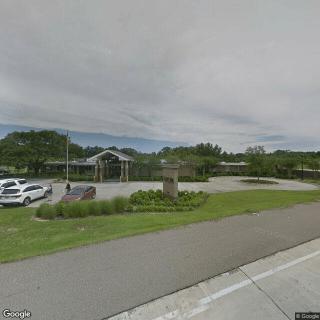
- The grounds are beautiful and the setting feels peaceful and serene.
- The staff and residents are polite and friendly.
- The staff accommodated guests by bringing chairs into the room so everyone could be comfortable.
- The staff take very good care of residents, and the residents seem pleased.
Cons
 The kitchen staff is nasty.
- The staff are unprofessional and uncaring.
- There are roaches in the kitchen around the food, making it unsanitary.
- It is described as the worst plantation the reviewer has seen, with leadership speaking to staff disrespectfully, and the reviewer would not send their family there.
- The room for the reviewer’s father-in-law was cramped, with two other gentlemen and very limited space.
Review
Villa Feliciana Chronic Disease in Jackson, LA is best suited for seniors who require steady medical oversight and still want a calm, aesthetically pleasing campus. The care teams earn praise for attentive, capable medical attention, and the grounds offer a serene, well-kept backdrop that can support a resident’s sense of peace. For families, that combination can be decisive when medical needs dominate the decision. The best-fit resident is someone who can tolerate an older facility footprint and occasional gaps in service without losing faith in the underlying medical commitment. In short, this community serves well those prioritizing clinical reliability over pristine modernity.
Those who should consider alternatives are clear: if dining quality, consistently professional front-line service, or spotless sanitation are nonnegotiables, this campus is unlikely to satisfy. Several reviewers flagged the kitchen and food as unsanitary and unpleasant, a nontrivial risk for long-term residents with dietary needs. Additionally, front-of-house and administrative interactions were described as unprofessional by some, suggesting that a dependable, respectful culture from leadership and staff cannot be assumed day to day. For families seeking a modern, impeccably run campus with uniformly polished service, other options are likely a better bet.
The strongest pro is the medical care, which appears reliable and patient-centric in many observations. Alongside that, there are moments of genuine warmth from staff, and a welcoming practice of making residents and visitors comfortable during visits, chairs brought into rooms, polite greetings, and a sense that some clinicians and caregivers truly engage with residents. The overall campus atmosphere also matters: the grounds are described as beautiful and peaceful, and the willingness of certain staff to go the extra mile in routine tasks (like arranging seating, facilitating visits) can meaningfully improve daily living. Taken together, these positives can offset a number of logistical drawbacks when the primary concern is health stability and a humane environment.
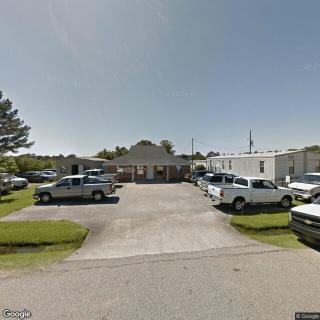
Yet the cons are meaningful and recurring. The most troubling is sanitation and food quality, with roach concerns and “nasty” food cited as alarming details that should never be tolerated in a chronic-care setting. Coupled with inconsistent professionalism among staff and leadership, the experience can feel unstable, especially for families keen on predictable service and respectful communication. The building itself is older, with cramped rooms that shared spaces can amplify, which can undermine dignity and privacy. This combination, older infrastructure, limited private-room space, and sporadic staff performance, means the advantage of medical focus can be undercut by daily frictions in service and environment.
To navigate a potential move here, a practical, do-this-before-you-commit approach is essential. Schedule thorough tours and insist on speaking with both nursing leadership and dietary staff to assess how meals are prepared and served, not just what is promised. Request a firsthand look at a resident room to gauge space, privacy, and noise levels. Talk to current residents about how often problems get escalated and resolved, and ask for recent inspection or quality-control records. Inquire about staffing ratios, turnover, and the process for addressing concerns with front-desk and management. Finally, observe meal times and dining interactions to verify whether the kitchen and waitstaff can deliver clean, appetizing meals consistently.
The bottom line is practical: Villa Feliciana Chronic Disease can work for families prioritizing reliable medical supervision and a tranquil setting, provided there is tolerance for uneven service, an older facility footprint, and concerns about sanitation. It is not the best fit for those who demand consistently top-tier dining, immaculate cleanliness, and uniformly professional administration. For a resident with strong medical needs who can advocate for higher standards and participate in ongoing oversight, this community offers potential benefits. For others, especially where daily quality of life hinges on consistently excellent service and modern comforts, exploring alternatives with stronger food, sanitation, and front-office standards is a prudent move.
 297 resident community capacity
 Skilled Nursing Facility
 Air-conditioning
 Beauty salon
 Cable or satellite TV
 Computer center
 Dining room
 Fitness room
 Fully furnished
 Gaming room
 Garden
 Housekeeping services
 Kitchenette
 Move-in coordination
 Outdoor space
 Private bathrooms
 Restaurant-style dining
 Small library
 Telephone
 Wellness center
 Wi-Fi/high-speed internet available
 Baton Rouge Metropolitan (21 miles away)
 Community operated transportation
 12-16 hour nursing
 24-hour call system
 Activities of daily living assistance
 Assistance with bathing
 Assistance with dressing
 Assistance with transfers
 Diabetes diet
 Medication management
 Mental wellness program
 Special dietary restrictions
 Concierge services
 Planned day trips





 Home Health Care Aides: Understanding Their Role and Supporting Your Family
 Urinary Tract Infections in Older Adults: Comprehensive Insights on Symptoms, Treatment, and Prevention
 California's Form 602A: An In-Depth Examination of Senior Care Assessment