
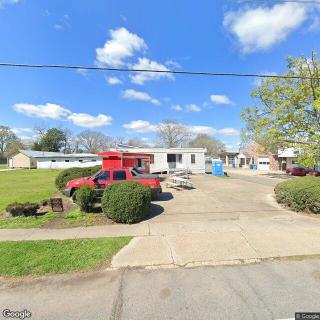
15243 Highway 10 East, Saint Francisville, LA 70775
For more information about senior living options: (866) 208-4318
Overall Review of St Francisville Country Manor
Pros
 St. Francisville Country Manor is a good place for physical rehab.
- Residents had a great recovery here and can walk again thanks to the staff.
- The administration is very sweet, and Julie was especially helpful and responsive.
- The reviewer is impressed with the facility.
Cons
 The beds are old and require manual cranks to adjust.
- The sheets were stained.
- There is an odor throughout the facility.
- Medications were not given on time because a nurse was not available.
- The staff were unfriendly, and the facility smelled like urine.
- A patient was left in a wheelchair for hours without a pillow and couldn't get to the bathroom.
- Nurses were rude and yelled at the patient for pressing the call button for medicine.
Review
St Francisville Country Manor is best suited for a stroke survivor whose primary goal is rehabilitation and who can tolerate an aging, imperfect environment with strong family or surrogate oversight. In at least one account, the staff helped a resident regain walking ability, signaling real rehab potential when therapy is pursued consistently. The administration can be amiable and responsive in some situations, and amenities like cable TV can help anchor a routine. Yet this is not a premium setting: its value hinges on active family engagement, clear expectations, and a willingness to tolerate noticeable facility shortcomings. For families that cannot provide close day-to-day oversight or who expect a consistently pristine environment, the fit is less favorable.
Alternatives should be strongly considered for residents who require steady, high-quality medical supervision, rapid response to needs, or a consistently clean, odor-free atmosphere. The combination of reports about delayed med administration, infrequent assistance for basic needs, and a pervasive sense that cleanliness and maintenance lag behind expectations raises red flags for anyone prioritizing safety, dignity, and predictable care. For those with complex medical needs, high fall risk, or sensitivity to smells and housekeeping lapses, other facilities with fuller staffing, stricter infection-control practices, and more modern infrastructure will likely deliver a more reliable experience.
The positive notes about this community, where present, are meaningful for families pursuing rehab-focused goals and willing to work within a leaner system. Administrators and some staff are described as genuinely helpful, and the rehab potential is real when therapy is paired with attentive oversight. The existence of an upstairs when therapy goals align with a resident’s progress can matter, and for families able to monitor and advocate, there is a pathway to meaningful improvement. The contrast between these redeeming elements and the less dependable day-to-day operations makes clear that outcomes will hinge on ongoing involvement and the specific mix of staff on shift.
The most troubling gaps center on daily care reliability and safety concerns. Reports describe old, manually cranked beds, stained linens, and odors that suggest inconsistent housekeeping. More alarming are the accounts of medication mismanagement and delayed assistance: a resident left in a wheelchair for hours without help, requests for showers denied or repeatedly postponed, and a nurse image captured by family members as dismissive or unresponsive. A specific incident around an antipsychotic medication not aligned with a resident’s chart underscores a risk pattern that cannot be ignored. For stroke survivors, where timely medications, safe transfers, and respectful, responsive staffing are nonnegotiable, these concerns significantly erode trust in the facility’s ability to safeguard daily health and dignity.
To make a well-informed decision, prospective families should approach with a rigorous vetting plan. Schedule a thorough tour and speak with the on-site administrator, preferably in the presence of frontline nursing leadership. Request a current care plan for a typical resident, including medication administration procedures, nurse availability, and response times to call buttons. Ask for a recent maintenance and sanitation schedule to address odor and cleanliness concerns, and request references from multiple families currently navigating care there. Prepare a trial period or short-term agreement to test responsiveness, and insist on a clear escalation path if concerns arise. A candid, upfront discussion about staffing levels, shift changes, and accountability will illuminate whether the facility can meet expectations in a crisis.
Bottom line: St Francisville Country Manor presents a mixed package. Its strongest appeal lies with rehab-focused residents who can bring steady oversight and who place a premium on progress toward mobility, with the understanding that care quality and environment will require vigilant monitoring. For others, especially those needing reliable, 24/7 nursing supervision, consistently clean surroundings, and consistently respectful, timely care, the risks outweigh the potential gains. Families should compare alternatives that offer stronger staffing, up-to-date equipment, and demonstrable reliability, then approach any admission decision with concrete expectations, measurable care plans, and a clear, written framework for accountability.
 128 resident community capacity
 Skilled Nursing Facility
 Air-conditioning
 Beauty salon
 Cable or satellite TV
 Computer center
 Dining room
 Fitness room
 Fully furnished
 Gaming room
 Garden
 Housekeeping services
 Kitchenette
 Move-in coordination
 Outdoor space
 Private bathrooms
 Restaurant-style dining
 Small library
 Telephone
 Wellness center
 Wi-Fi/high-speed internet available
 Baton Rouge Metropolitan (23 miles away)
 Community operated transportation
 12-16 hour nursing
 24-hour call system
 Activities of daily living assistance
 Assistance with bathing
 Assistance with dressing
 Assistance with transfers
 Diabetes diet
 Medication management
 Mental wellness program
 Special dietary restrictions
 Concierge services
 Planned day trips



 Comprehensive Guide to Qualifying for Home Health Care Services
 Powerful Realities of Elder Abuse and the Most Effective Ways to Report It
 Ten Vital Duties of a Senior Caregiver: A Comprehensive Guide