
6161 Main Street, Zachary, LA 70791
For more information about senior living options: (866) 208-4318
Overall Review of Zachary Manor Nursing And Rehabilitation Center
Pros
 The facility is described as a place where teamwork is evident and care is coordinated across departments.
- The rooms are immaculate, and the staff are personable and knowledgeable.
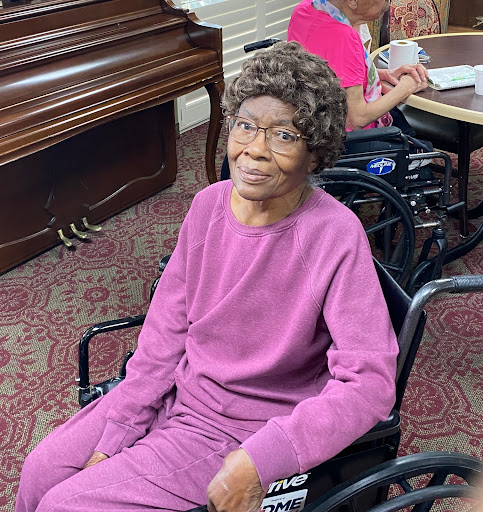
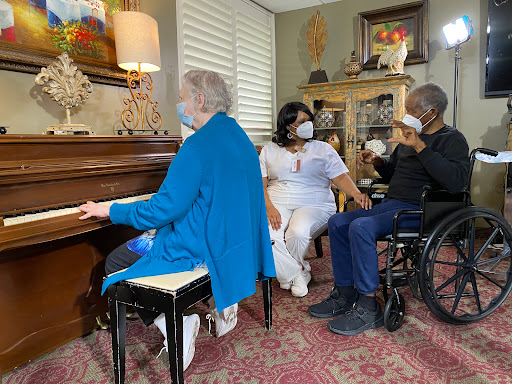
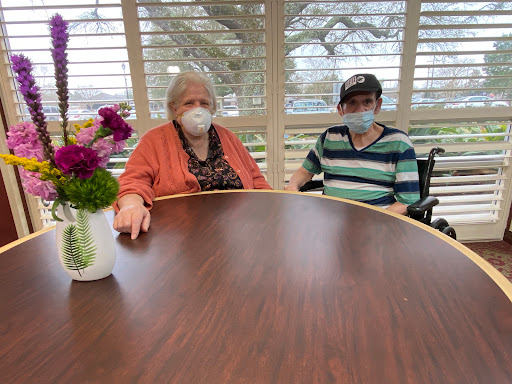
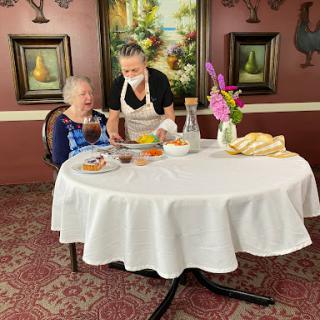
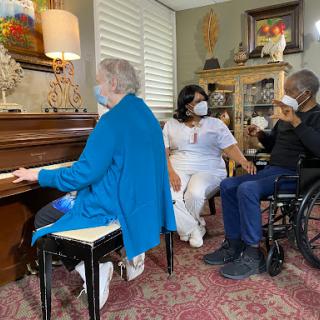
- There are many daily activities, including singing, painting, and bingo, that engage residents.
- Resident/Staff/Family parties are described as fun and geared toward the residents.
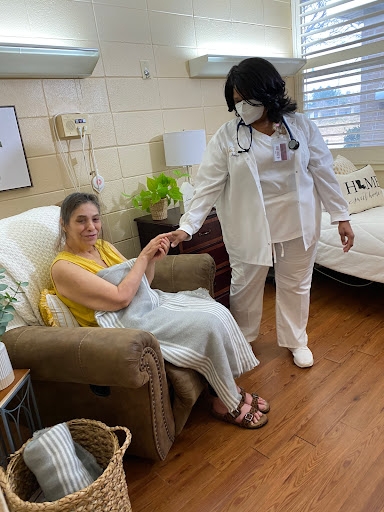
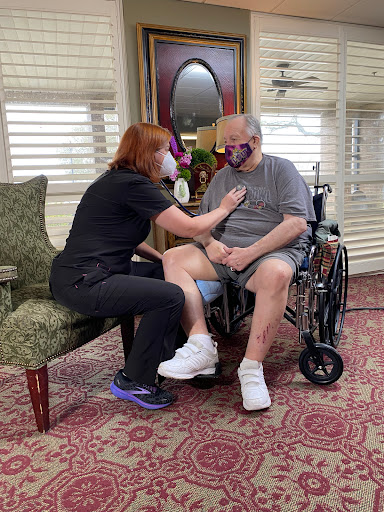
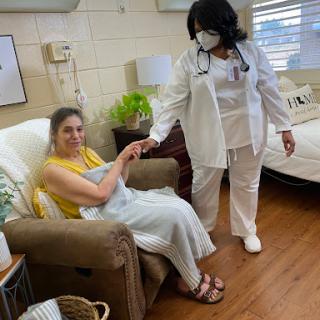
- Care is delivered with love and compassion, with the health and well-being of residents prioritized.
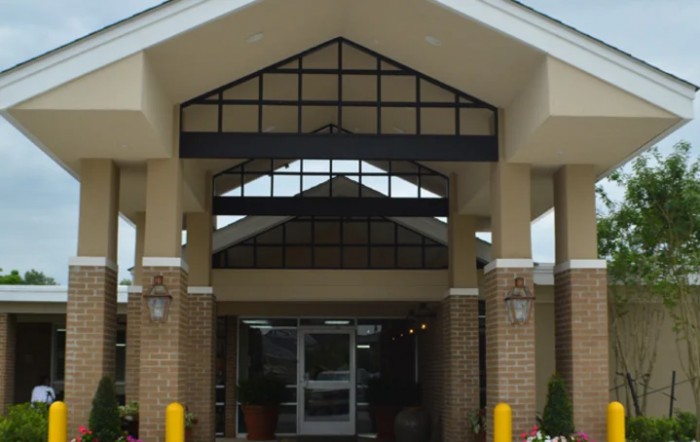
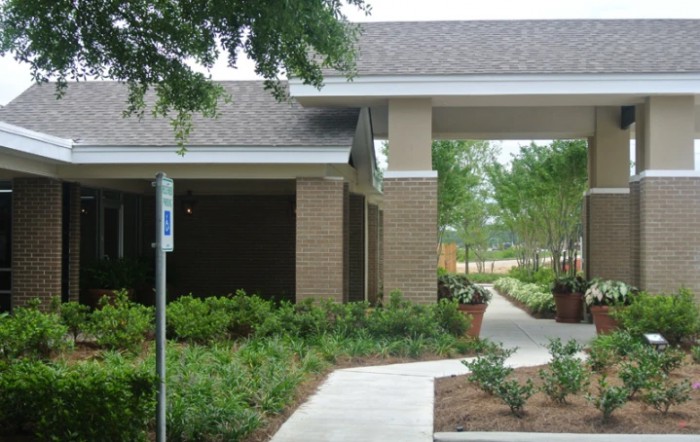
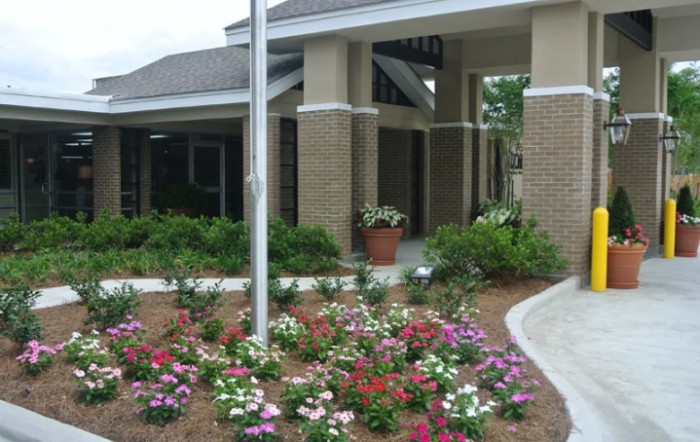
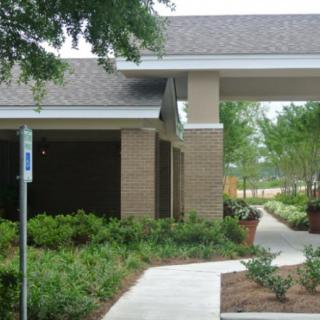
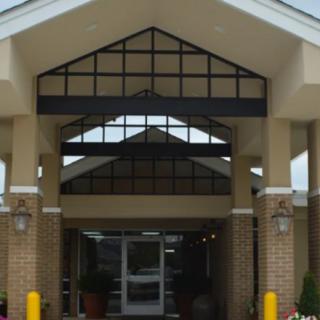
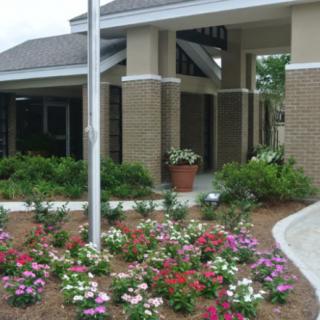
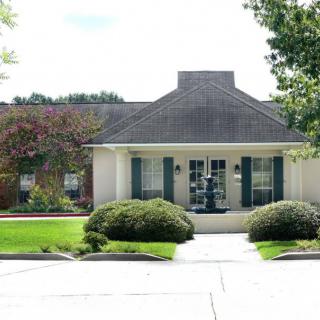
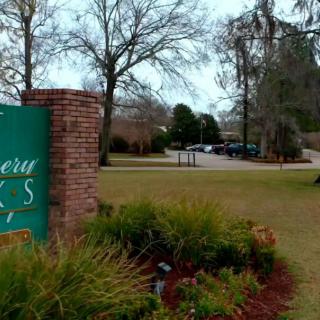
- The grounds are well-maintained, with pleasant landscaping outside the building.
Cons
 The administrator is rude and unprofessional and unfit to work in a nursing home.
- The facility is not clean; the floors in the rooms and the carpets in the hallways are dirty.
- Staff do not respond or provide information when asked.
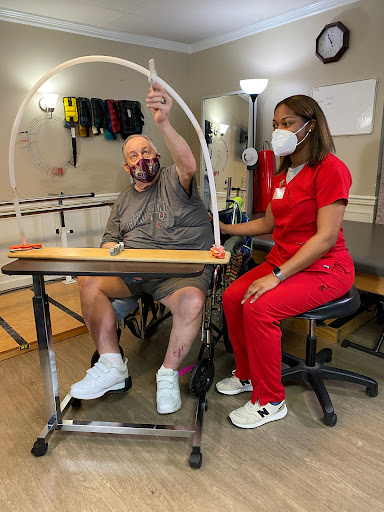
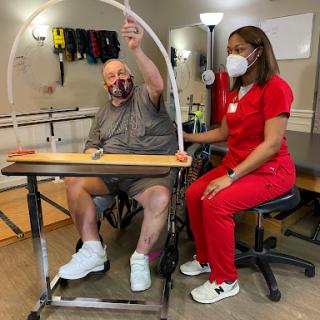
- The physical therapy is only once a day, which is insufficient for residents to walk independently.
- The facility appears pleasant but fails in practice.
- The staff left a resident on the toilet for a long time, leading to a fall and death, and they are accused of lying and not caring about patients.
- The facility lacked running water, rarely changed sheets, and allowed residents to roam, giving a funeral-home impression.
- The staff were horrible and failed to assist with bathroom needs; residents' belongings appeared on other patients.
- Staff exhibit poor communication and fail to monitor patients closely.
Review
This community is best suited for families seeking a dementia-focused environment with a clearly active resident life, and who are willing to tolerate significant variability in administration, cleanliness, and daily operations. ZACHARY Manor has earned praise in some corners for its long-standing presence in the community, moments of genuine compassion, and a robust schedule of activities that engage residents and involve families in events. It is not a first choice for those who prioritize flawless upkeep, dependable front-line communication, and transparent, consistent billing. For families who demand a consistently pristine setting and unambiguous administrative leadership, alternatives should be weighed carefully.
On the strength side, several reviews highlight meaningful staff engagement in care, especially for residents with dementia, and a team-oriented approach in certain departments. When the right team is in place, there is evidence of compassionate bedside care, accessible hospice support, and a sense that residents are not forgotten during difficult times. The facility’s physical campus, at its best, presents clean, well-kept spaces with well-maintained outdoor areas, and a lively activity director who can deliver a wide range of programs, art, music, games, and family-focused gatherings, that can elevate quality of life for residents who participate. These redeeming factors matter, particularly for memory-care residents who respond positively to structured, engaging routines.
The flip side, reliability concerns, looms large and cannot be minimized. A substantial portion of the feedback centers on a troubling pattern: an administrator described as rude or unprofessional, a climate where questions are met with resistance, and inconsistent communication among staff. Cleanliness is repeatedly flagged as an issue, from dirty rooms and hallways to infrequent changes of sheets. Safety lapses are voiced bluntly: a resident left unattended on a toilet, a fall, and questionable responsiveness when assistance was requested. Other families report disorganization around billing and misunderstandings about Medicare coverage, with at least one claim of incorrect charges years after the stay. These are not minor irritants; they strike at trust and everyday safety.
Do the positives offset the negatives? For families prioritizing memory care and social vitality, the strengths can cushion some risk, but the scale of repeated, specific failures makes the offset insufficient for most. The presence of caring staff, a dedicated activity program, and visible hospice collaboration offer meaningful buffers for residents who benefit from continuity of relationships and structured engagement. Yet those buffers do not erase the core concerns: cleanliness lapses, inconsistent information, and real-world safety incidents that jeopardize a resident’s wellbeing. In practical terms, the decision hinges on whether the family can implement rigorous oversight, insist on transparent reporting, and tolerate the possibility of variable day-to-day care.
For families considering Zachary Manor, a disciplined due-diligence plan is essential. Demand a tour focused on hygiene, room conditions, and how housekeeping schedules are actually executed. Request direct access to recent incident or restraint-free care logs, and ask to review the facility’s state inspection results and any corrective action plans. Speak with the head of nursing and the administrator about staffing ratios, shift handoffs, and how care plans for dementia residents are monitored. Verify billing practices up front: obtain a written, itemized projection and confirm what Medicare or private pay will cover. If possible, speak with current families about what happens when concerns arise and how quickly issues are resolved.
Ultimately, Zachary Manor presents as a facility with undeniable strengths in resident activity and compassionate, person-centered moments, but with substantial, recurring red flags around administration, cleanliness, and safety. Families choosing this community should be prepared for intense oversight, clear expectations, and a readiness to push for accountability. For those who want a calmer, more consistently clean and well-run option, Grace in Slaughter and other nearby facilities have been cited by reviewers as preferable, with a stronger emphasis on reliable management and transparent operations. In making a choice, balance the draw of vibrant programs and dementia expertise against the imperative of steady, safe everyday care.
 110 resident community capacity
 Skilled Nursing Facility
 Air-conditioning
 Beauty salon
 Cable or satellite TV
 Computer center
 Dining room
 Fitness room
 Fully furnished
 Gaming room
 Garden
 Housekeeping services
 Kitchenette
 Move-in coordination
 Outdoor space
 Private bathrooms
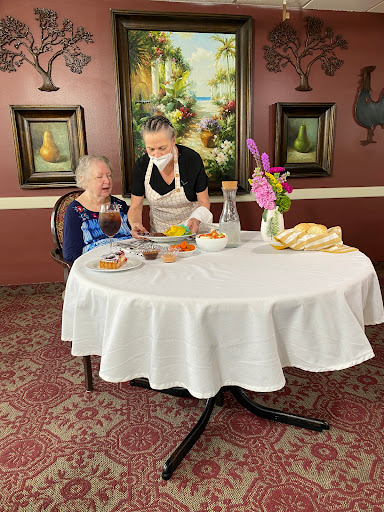
 Restaurant-style dining
 Small library
 Telephone
 Wellness center
 Wi-Fi/high-speed internet available
 Baton Rouge Metropolitan (8 miles away)
 Community operated transportation
 12-16 hour nursing
 24-hour call system
 Activities of daily living assistance
 Assistance with bathing
 Assistance with dressing
 Assistance with transfers
 Diabetes diet
 Medication management
 Mental wellness program
 Special dietary restrictions
 Concierge services
 Planned day trips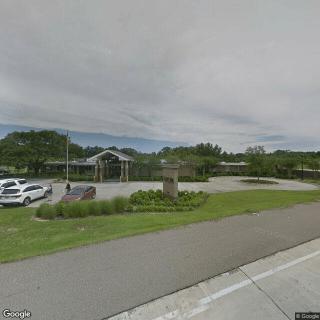




 Caring for Those Who Care: Recognizing, Understanding, and Overcoming Caregiver Burnout
 Caregiver Exhaustion: Recognizing the Signs and Restoring Your Well-Being
 Understanding Hospice Care at Home: Comprehensive Services, Key Benefits, and Eligibility