
4921 Medical Drive, Bossier City, LA 71112
For more information about senior living options: (866) 208-4318
Overall Review of Colonial Oaks Skilled Nursing And Rehabilitation
Pros
 The facility loves their patients and strives to give them the best quality of life.
- They are easy to communicate with and always have activities for the patients.
- The staff is like family, and the nurses and CNAs are angels.
- The rehabilitation is excellent, with friendly rehab nurses and intensive therapy that helped her recover after a stroke.
- The administration is awesome, with leaders who surround patients with comfort and care.
- The RN nurses take calls and answer questions, and the CNAs are hardworking.
- People would definitely recommend this place.
- The nursing staff is on top of everything and the facility is pleasant and odor-free.
- The dining room is very clean and the food is excellent.
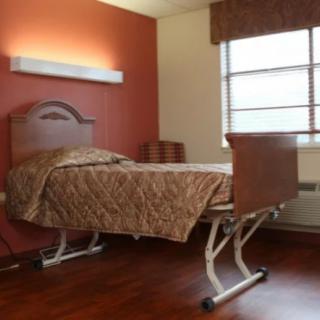
- The rooms are really nice.
Cons
 They lack quality care and compassion, showing clear incompetence.
- They have inadequate staffing, relying on agency LPNs and temporary aides.
- Orders for comfort care were not complied with; LPNs lacked training to access orders.
- One LPN was too busy on her phone, neglecting residents.
- There are only two aides for the entire facility on weekends and holidays.
- CNAs neglect residents, failing to change diapers or bathe them promptly.
- The hallways smell of urine and the facility overall smells awful.
- Residents have been found in unsafe conditions (e.g., on the floor, naked and covered in vomit) and call lights are broken, leading to harm.
Review
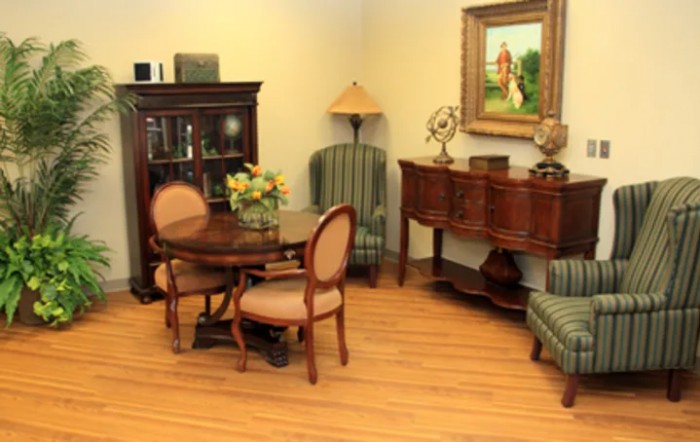
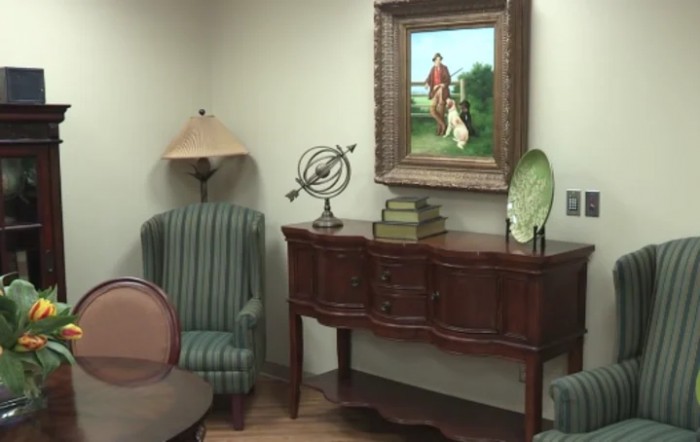
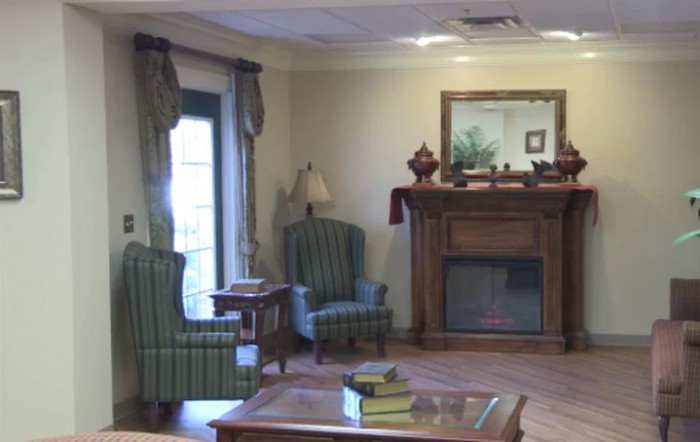
Colonial Oaks Skilled Nursing and Rehabilitation in Bossier City is best suited for families prioritizing strong rehabilitation and steady nursing oversight after a hospital stay or a stroke, where daily therapy and attentive nurses can drive meaningful recovery. The facility garners praise for cleanliness and a calm, hotel-like environment that eases the stress of transition. When staffing holds steady, residents and families report solid communication with administration and therapists, with tangible progress noted in rehabilitation. Still, the experience is uneven: positive rehab results exist alongside repeated warnings about staffing gaps, turnover, and variable quality of daily care. The takeaway is clear, strong rehab outcomes are possible here, but only if the staffing reality aligns with expectations.
Key strengths surface most clearly in the rehab setting and in how leadership responds to concerns. Several families highlight excellent stroke rehab, with therapy five days a week and therapists who push for recovery. The nursing staff is repeatedly described as timely and capable, and some administrative leaders are perceived as accessible and reassuring. The facility’s cleanliness contributes to a reassuring atmosphere, and flexible dining options add to resident comfort. Taken together, these positives form a credible case that, when operating at full capacity, Colonial Oaks can deliver high-quality skilled care and meaningful rehabilitation progress that can shorten hospital-to-home transitions.
Yet the negatives are persistent and hard to overlook. The most consistently cited issue is under-staffing: too few aides on weekends and holidays, reliance on temporary personnel, and a sense that frontline caregivers are stretched thin. When care lapses occur, medication orders not followed, call lights malfunctioning, or nights spent in soiled conditions, the risk to safety and dignity becomes real. Additional concerns include odors in hallways, inconsistent assistance with meals, and reports of falls or neglect. Several families, once impressed, ultimately removed loved ones amid concerns about supervision, turnover, and a perceived drift in care priorities when corporate or management changes intervened.
These strengths and weaknesses interact in meaningful ways for families to weigh. For rehab-focused residents, the robust therapy schedule and engaged staff can offset some staffing gaps, provided the right shifts are truly staffed. For long-term care, however, comfort, safety, and daily living routines become fragile under chronic under-staffing. The contrast between a handful of glowing testimonials and a larger chorus of cautions is striking: when the care team is aligned, residents thrive; when it isn’t, problems escalate quickly. Practically, this means ongoing vigilance: visit often, request meetings with the director of nursing, and demand visibility into staffing rosters and assignments across all shifts. Without confirmation of consistently capable aides and reliable call systems, risk compounds quickly.
For families who cannot tolerate this level of variability, exploring alternatives is prudent. Seek facilities with stable staffing ratios, a proven track record of reliable weekend coverage, and transparent, proactive administration. Look for centers with favorable state survey results in core care areas and ask current families about weekend experiences. If hospice or end-of-life care is a primary consideration, prioritize homes with comfort-focused practices and fewer reported lapses in daily care. In short, Colonial Oaks can serve well under the right conditions, but a lack of consistent staffing and safety safeguards makes alternatives a reasonable default for risk-averse families.
Practical next steps focus on due diligence and observation. Arrange multiple visits that include weekend and evening shifts to gauge real-world operations. Speak directly with the director of nursing and the facility administrator to understand staffing plans, turnover, and how safety events are addressed. Request recent inspection or survey results and ask about measures already implemented to stabilize staffing and food service. If red flags persist after conversations and tours, pivot to other options with demonstrated consistency. Colonial Oaks holds potential as a rehab-forward choice when staffing aligns, but a careful, criteria-driven evaluation is essential to avoid a mismatch between expectations and daily reality.
 120 resident community capacity
 Skilled Nursing Facility
 Air-conditioning
 Beauty salon
 Cable or satellite TV
 Computer center
 Dining room
 Fitness room
 Fully furnished
 Gaming room
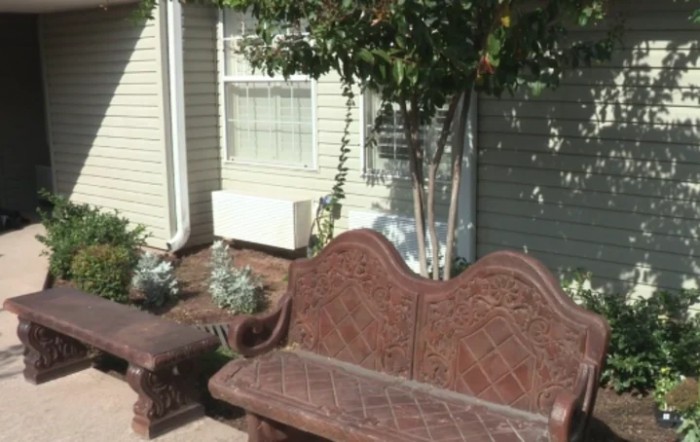
 Garden
 Housekeeping services
 Kitchenette
 Move-in coordination
 Outdoor space
 Private bathrooms
 Restaurant-style dining
 Small library
 Telephone
 Wellness center
 Wi-Fi/high-speed internet available
 Shreveport Regional (9 miles away)
 Community operated transportation
 12-16 hour nursing
 24-hour call system
 Activities of daily living assistance
 Assistance with bathing
 Assistance with dressing
 Assistance with transfers
 Diabetes diet
 Medication management
 Mental wellness program
 Special dietary restrictions
 Concierge services
 Planned day trips






 9 Stimulating Memory Activities for Seniors: Puzzles, Cards, and Much More
 Managing Nursing Home Expenses After Medicare Coverage Ends
 Is a Geriatric Care Manager the Right Choice for Your Family?