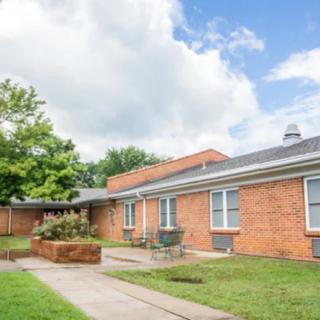

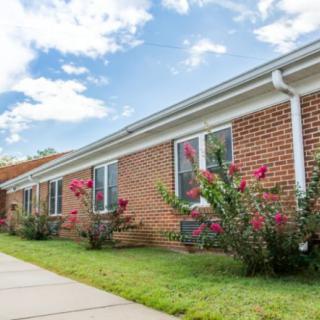
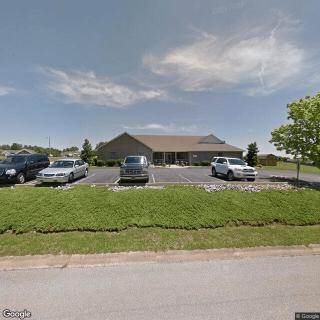
706 North Magnolia Street, Tompkinsville, KY 42167
For more information about senior living options: (866) 208-4318
Overall Review of Signature Healthcare Of Monroe County Rehab & Well
Pros
 The facility is a great place to work, with a warm, home-like atmosphere.
- The staff are a wonderful group of people who always put a smile on residents' faces, and the quality of service is excellent.
- SHC of Monroe Co. feels like a true home, where the love and commitment of the team are evident.
- The activities department goes above and beyond and brings joy to the elders.
- The staff provided excellent care and went above and beyond to ensure residents' comfort, with calm and loving communication.
- The facility and staff are a blessing to the families and the Monroe County community.
Cons
 The reviewer was disgusted after witnessing inappropriate conduct by staff toward an elderly resident.
- The reviewer states the facility has never been good enough to rate.
- They note that several former workers described their time there as one of the most stressful and unappreciated positions.
- They claim unsafe conditions during COVID and insufficient safety precautions led to a family member’s death.
Review
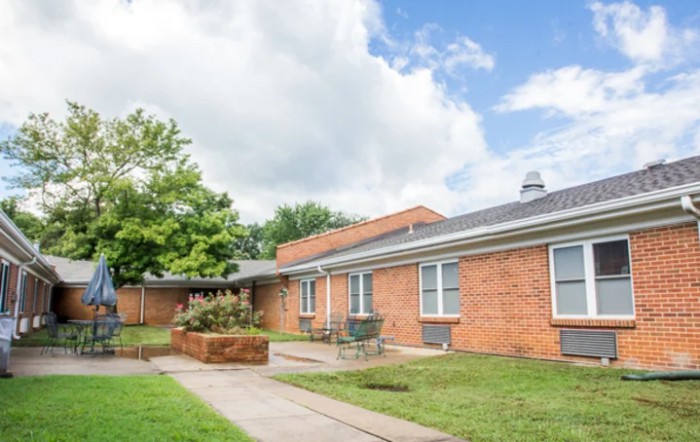
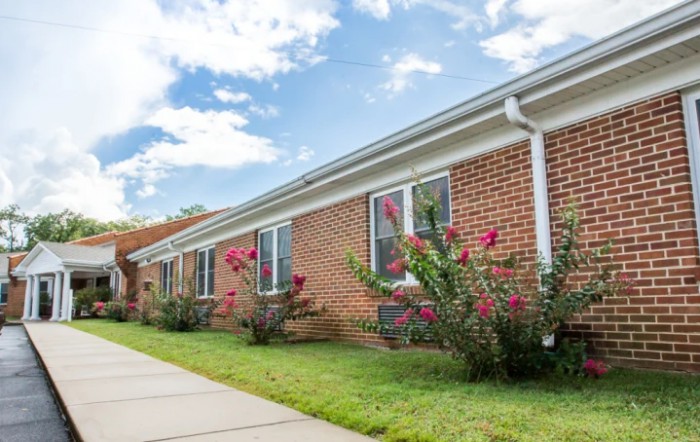
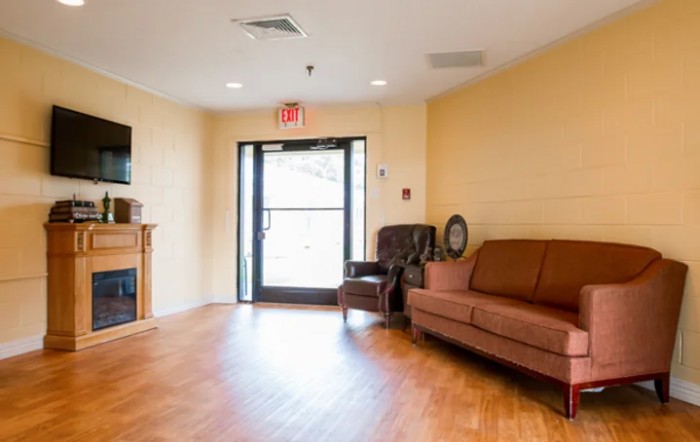
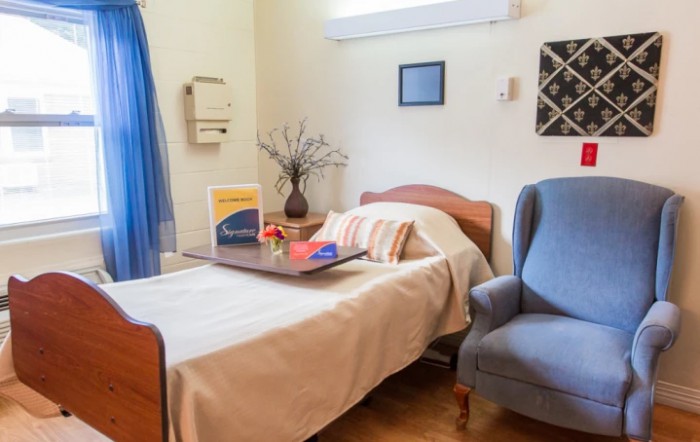
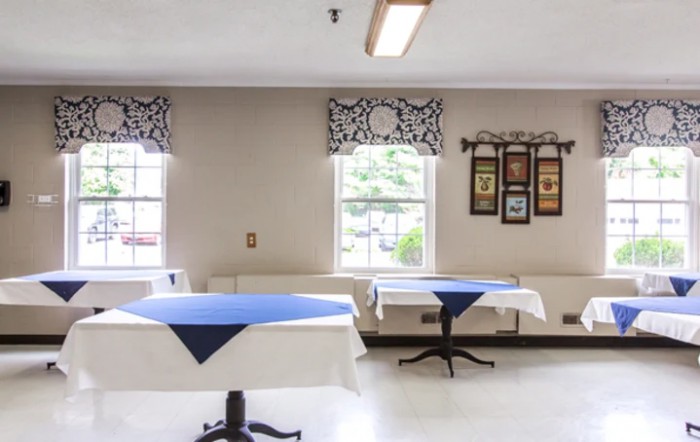
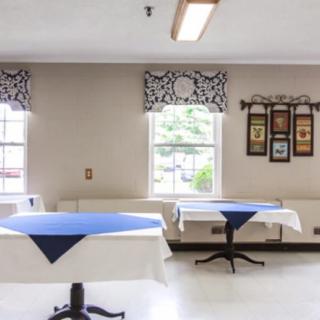
Signature Healthcare of Monroe County Rehab & Well in Tompkinsville is best suited for seniors who want a warm, home-like setting where caregivers build steady, personal relationships with residents and where rehabilitation and daily social engagement are integrated into a familiar, non-institutional atmosphere. It serves families that prize staff devotion, consistent encouragement, and a community vibe over clinical formality. The environment leans toward comfort: soft color palettes, cozy common spaces, and the option of private rooms that reduce the sense of an impersonal care facility. For families focused on genuine warmth, attentive daily care, and meaningful activity as part of recovery and daily life, this community presents a practical, compassionate fit.
Those weighing alternatives should note a few caveats. If safety accountability or responses to troubling incidents is non-negotiable, this community warrants thorough vetting. Some families may prefer a larger campus with more formalized oversight, broader memory-care specialization, or higher staff-to-resident ratios. For residents with complex medical needs or challenging behaviors that demand intense clinical resources, there are options with deeper clinical depth or more structured dementia programs. In short, this is a strong fit for those who prioritize a homey, people-centered approach; it may be less ideal for families chasing maximum process rigor or expansive specialized services.
On the upside, the strongest draw is the staff and the culture. Reviews consistently spotlight a caring, passionate team that treats residents with kindness and respect, and that genuinely appears to love the work. The facility is repeatedly described as warm and inviting, with activity programs that go beyond the basics and help maintain joy and engagement for residents. Families report seeing staff calmly soothe anxious residents at difficult moments and observe a level of dedication that translates into residents appearing content and well cared for. The availability of more private rooms and a home-like setting further reinforces the sense that families can entrust loved ones to a place where comfort and personal attention matter deeply.
Despite these strengths, concerns exist that cannot be ignored. One distressing incident described by a visitor raises questions about safeguarding and staff conduct in sensitive moments. A subset of reviews expresses doubt about overall safety and consistency, including critiques that the facility has not seemed able to deliver consistently across all care experiences. There is also a sense from some former staff voices that procedures, staffing stability, or workload pressures can impact the overall experience. These negative threads are not universal, but they signal real tension points that families should examine closely before deciding.
How the positives line up against the concerns matters for decision-making. The attributes most likely to offset the downsides are the clear emphasis on compassionate care, the home-like milieu, and the robust activity program that keeps residents engaged and connected to family life. For families where emotional tone, relationship-driven care, and visible daily warmth are decisive, the pros can easily trump the potential risks. However, for those whose top priority is unassailable safety standards, absolute consistency in every shift, or a spotless, zero-risk record, these concerns may loom larger. The key is to verify concrete safeguards, such as incident reporting, staff supervision levels, and how the facility handles complaints and corrective actions, during in-person tours and conversations with leadership.
For families moving ahead, a practical checklist helps translate impression into decision. Ask about current staff-to-resident ratios across shifts; request examples of how concerns were addressed in the last six months; review the activities calendar and talk to the activities director about resident engagement for different interests and mobility levels; tour a resident room to compare privacy and comfort; meet frontline caregivers who would directly supervise your loved one; inquire about rehab therapy schedules, discharge planning, and how therapy integrates with ongoing daily life. Also request references from current families and take time to observe a mealtime and a transfer/assistance moment.
In the end, Signature Healthcare of Monroe County Rehab & Well offers a compelling mix of heart-driven care and a home-like atmosphere that many families will value highly. It is a strong option for those who want a facility where staff visibly care, where residents can remain socially active, and where private-room flexibility supports a personalized living plan. It is not the right choice for every family, particularly those requiring the highest level of safety assurance and uniformity across all staff interactions, every day. For the right set of priorities, this community deserves serious consideration, with careful probing into safety practices and resident safeguards during the decision process.
 104 resident community capacity
 Skilled Nursing Facility
 Air-conditioning
 Beauty salon
 Cable or satellite TV
 Computer center
 Dining room
 Fitness room
 Fully furnished
 Gaming room
 Garden
 Housekeeping services
 Kitchenette
 Move-in coordination
 Outdoor space
 Private bathrooms
 Restaurant-style dining
 Small library
 Telephone
 Wellness center
 Wi-Fi/high-speed internet available
 Community operated transportation
 12-16 hour nursing
 24-hour call system
 Activities of daily living assistance
 Assistance with bathing
 Assistance with dressing
 Assistance with transfers
 Diabetes diet
 Medication management
 Mental wellness program
 Special dietary restrictions
 Concierge services
 Planned day trips

 Caring for Those Who Care: Recognizing, Understanding, and Overcoming Caregiver Burnout
 Caregiver Exhaustion: Recognizing the Signs and Restoring Your Well-Being
 Understanding Hospice Care at Home: Comprehensive Services, Key Benefits, and Eligibility