
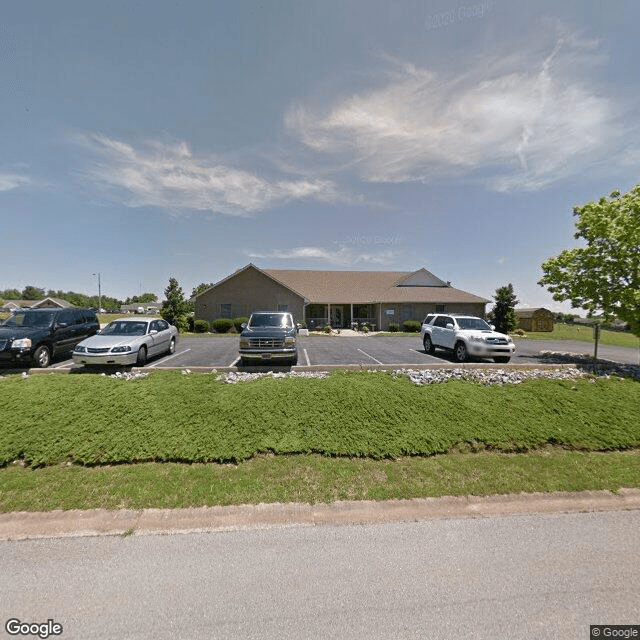
201 Trista Ln, Glasgow, KY 42141
To contact a resident: (859) 227-1450
For more information about senior living options: (866) 208-4318
Hometown Manor Assisted Living Community of Glasgow Costs & Pricing
Hometown Manor Assisted Living Community of Glasgow offers competitive pricing for its studio accommodations, with a monthly cost of $2,600. This rate is notably higher than the average cost in Monroe County, which stands at $2,348, yet it remains significantly lower than the statewide average in Kentucky of $3,357. This positions Hometown Manor as an attractive option for families seeking quality assisted living services without straining their budgets excessively. The community not only provides essential care but also fosters a supportive environment tailored to meet residents' needs while maintaining affordability relative to both local and state standards.
| Floor plans | Hometown Manor Assisted Living Community of Glasgow | Monroe County | Kentucky |
|---|---|---|---|
| Studio | $2,600 | $2,348 | $3,357 |
Overall Review of Hometown Manor Assisted Living Community of Glasgow
Pros
 The staff are excellent and take pride in their work, caring for residents as if they were family.
- Residents receive great care at their home away from home.
- The food is great and the personal care provided is exceptional.
- They consistently get residents ready for appointments and trips outside the facility.
- They welcome residents' visitors with open arms.
- The staff and caregivers do a wonderful job caring for residents and are always responsive to questions and concerns.
- Hometown Manor has set families' minds and hearts at ease when seeking a home for a loved one.
Review
Hometown Manor Assisted Living Community of Glasgow is best suited for families seeking a warm, home-like environment where staff consistently treat residents as family and maintain highly dependable day-to-day care. In Glasgow, KY, this community stands out for delivering personal attention and reassuring consistency: a place where residents feel welcomed, well-supported, and able to maintain a sense of normalcy in daily routines. It is especially well aligned with families who want clear caregiver partnerships, predictable scheduling, and a transparent, responsive communication loop with the people who know their loved one best.
Those weighing alternatives should consider options if the priority leans toward more expansive medical oversight, highly specialized therapies, or larger-scale amenities. For families seeking very high-acuity care, aggressive clinical programming, or a broader menu of on-site services, other communities may offer more robust clinical infrastructures or a wider array of lifestyle options. Additionally, prospective residents who prefer a campus with a broad activity calendar or more extensive social programming might explore other settings. The absence of these elements in the current narrative is not a flaw so much as a question of fit relative to individual care goals and expectations.
The strongest selling points are the staff’s caliber and the culture they create. Reviewers repeatedly emphasize that the team takes pride in its work and treats residents with the care and consideration one would expect for a beloved family member. The sense of trust is palpable: caregivers are described as responsive to questions and concerns, providing reassurance to families and easing the emotional burden that often accompanies a move into assisted living. The idea of a “home away from home” is not merely rhetorical; it reflects consistent, compassionate engagement with residents’ needs, routines, and preferences, which translates into greater peace of mind for worried relatives.
Equally compelling are the practical, everyday benefits that directly affect quality of life. Food is praised as a strong, reliable component of daily living, while personal care is described as meticulous, supporting dignity and independence. The staff’s willingness to prepare residents for appointments and coordinate trips outside the facility reduces friction for families and helps maintain continuity with medical care and outside activities. The atmosphere is clearly welcoming to visitors, reinforcing a sense of community and belonging for residents who thrive on social connection and familial warmth during each day.
Where the conversation often lands in judgment about senior living, these positives provide a meaningful offset to potential trade-offs. The vast majority of feedback is unambiguous: the care level, reliability, and communicative openness compensate for typical compromises that may accompany smaller or less feature-rich campuses. In practice, the intimate, well-staffed environment creates a steadier routine, lowers anxiety about care gaps, and supports a smoother transition for new residents. Families can count on a steady cadence of attention, with caregivers who know the resident well enough to anticipate needs before they arise.
For families navigating a choice, this community’s profile translates into a clear recommendation: if the goal is a trustworthy, family-like setting where staff brilliance and attentiveness drive daily life, Hometown Manor delivers. It excels in maintaining dignity, facilitating independence within a supportive framework, and keeping lines of communication open and constructive. Those who prize routine, warmth, and reliable advocacy will find their expectations met, and often exceeded. A visit will reveal the depth of engagement and the genuine ease residents experience. In the end, the decision hinges on whether the priority is a deeply human, caregiver-led environment, versus a broader spectrum of clinical services or amenities offered elsewhere.
 Assisted Living
 Cats allowed
 Dogs allowed
 Activities on-site
 Devotional services on-site
 Indoor common areas
 Outdoor common areas
 Ambulatory care
 Diabetic care
 Medication management
 Meals provided




 A Detailed Exploration of Assisted Living Medicaid Waivers Across the United States
 Comprehensive Residential Support and Assisted Living Solutions for Individuals with Disabilities
 Comprehensive Supportive Living Arrangements for Adults with Disabilities