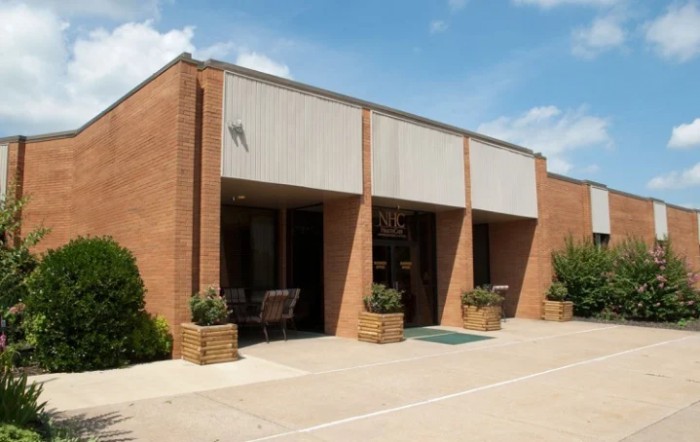
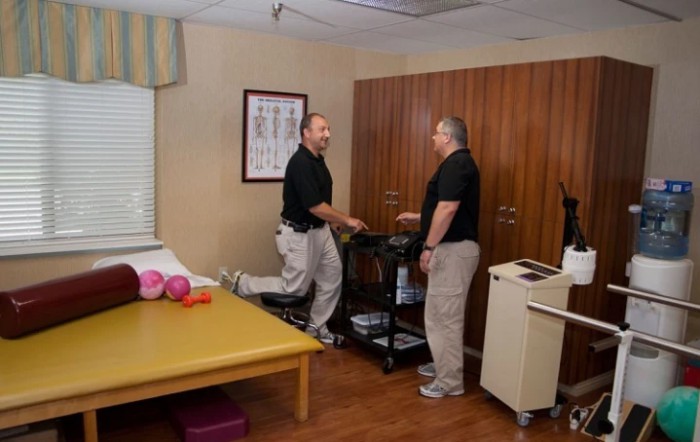
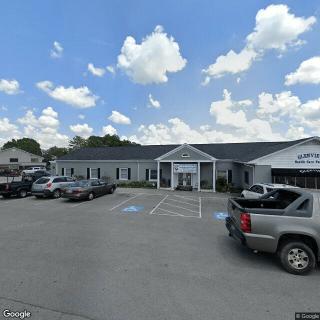
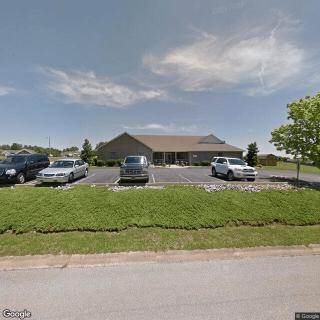
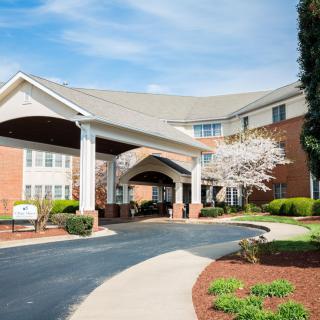
109 Homewood Boulevard, Glasgow, KY 42141
For more information about senior living options: (866) 208-4318
Overall Review of NHC Healthcare - Glasgow
Pros
 The staff is nice towards everyone.
- It is a highly recommended nursing facility, with the grandmother staying there for several years; the staff is respectful and professional toward residents and family members.
- The caregivers have kept the patients comfortable and supported during the pandemic, allowing safe visits with social distancing and vaccines.
- The dad has seemed well-kept and his usual happy-go-lucky self.
- The caregivers are thanked for making things easier for the family when they could not be together.
Cons
 The staff here is so ridiculously rude to the residents it's unbelievable.
- They took all of the ostomy supplies from the hospital and sent her home without the stuff needed to change the bags and wafers.
- This place is such a rip-off.
- The bathrooms all stunk to high heavens of poop.
- There were dirty briefs in all the trash cans and trash was falling out of it.
- The staff was rude.
- They yelled at this one girl.
- There must have been many complaints on these surveys.
Review
NHC Healthcare - Glasgow is best suited for families that can advocate actively and insist on accountability, especially when a resident needs structured daily routines and memory-care support. The strongest green shoots in the reviews come from caregivers who are genuinely respectful and professional toward residents and their families, and from experiences where staff provide stability and a calm, caring presence for dementia-related needs. In the right hands, this community can deliver predictable supervision, safety, and a sense of comfort for residents who benefit from consistent routines and attentive aides. It is not a hands-off option; it works best when families are prepared to engage and push for dependable staffing.
Those who should consider alternatives are families that cannot tolerate recurring concerns about cleanliness, staff interactions, or reliability of essentials. If spotless bathrooms, consistently courteous communication, and guaranteed continuity of care across shifts are non-negotiable, this community may fall short. The combination of reported rude behavior, concerns about how complaints are handled, and the occasional loss of essential supplies signals a risk that cannot be ignored for residents who require high-touch, respectful service and meticulous attention to daily living needs. For residents with highly sensitive medical routines (such as ostomy care) or for families who prioritize a consistently warm, responsive administrative tone, alternatives deserve serious consideration.
The available positives do offer meaningful counterpoints to the downsides, but they do not fully offset the principal concerns. When staff connect with residents and families in a respectful, professional way, that creates a foundation of trust and daily reassurance, and several reviews highlight that dynamic as a real strength. In dementia care scenarios, a few caregivers emerge as pillars of reliability, providing a steadying influence that helps a resident feel safe and cared for. These pros suggest that, with stable staffing and strong supervision, the facility can echo the comfort that families seek for a loved one who needs daily oversight and personal attention.
However, the negative threads are persistent enough to shape the overall risk assessment. Reports of staff rudeness and confrontational responses to complaints point to an administration and culture that may frustrate families seeking transparent, collaborative problem-solving. Sanitation issues, bathrooms described as having strong odors and neglected waste, are not minor hygiene concerns; they affect daily quality of life and can undermine trust in the care environment. The loss or mishandling of essential supplies, such as ostomy materials, is a severe, criteria-defining shortfall that pushes families to question whether critical medical needs will be met consistently. Such experiences strongly suggest variability in daily care quality and a potential for lapses when patient needs escalate.
To make a well-founded decision, prospective families should approach visits with a structured checklist: request candid introductions to the on-site leadership, including the administrator and the director of nursing, and observe interactions across shifts to gauge consistency. Inquire specifically about ostomy-care protocols, supply-chain controls, and what contingency plans exist if supplies run low. Review the most recent state inspection findings and ask about any recurring citations to gauge quality-improvement momentum. Ask to speak with current residentsā€™ families about how complaints are resolved and whether staff follow through on commitments. If possible, negotiate a short-term trial or trial period to observe daily routines, cleanliness, and the responsiveness of staff in real scenarios.
Bottom line: NHC Glasgow sits at a meaningful crossroads. It can be an appropriate home for residents who require structured care and benefit from caring staff who are genuinely attentive, provided that leadership actively safeguards consistent, respectful interactions and meticulous operation of daily essentials. Yet the combination of reported rude conduct, sanitation concerns, and critical supply-management gaps means that for many families, alternatives will offer a better guarantee of reliable, high-quality care. A careful, hands-on evaluation with a sharp eye for staff consistency and operable medical support is essential before committing, and for those who cannot tolerate the documented gaps, pursuing other options in the market is strongly advised.
 194 resident community capacity
 Skilled Nursing Facility
 Air-conditioning
 Beauty salon
 Cable or satellite TV
 Computer center
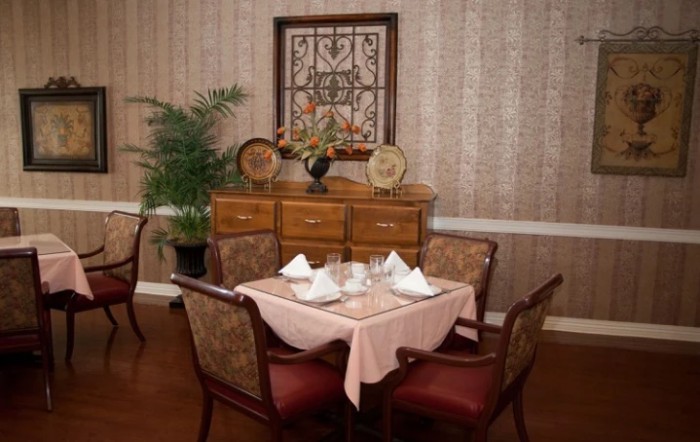
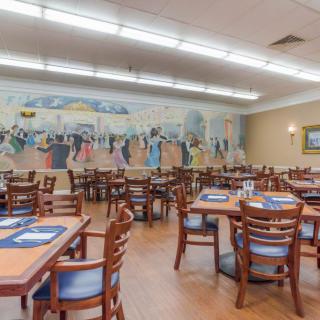
 Dining room
 Fitness room
 Fully furnished
 Gaming room
 Garden
 Housekeeping services
 Kitchenette
 Move-in coordination
 Outdoor space
 Private bathrooms
 Restaurant-style dining
 Small library
 Telephone
 Wellness center
 Wi-Fi/high-speed internet available
 Community operated transportation
 12-16 hour nursing
 24-hour call system
 Activities of daily living assistance
 Assistance with bathing
 Assistance with dressing
 Assistance with transfers
 Diabetes diet
 Medication management
 Mental wellness program
 Special dietary restrictions
 Concierge services
 Planned day trips



 8 Essential Assistive Devices for Older Adults
 Navigating the Financial Road to Nursing Home Care: In-Depth Guidance and Resources
 Supportive Employee Benefits That Help Caregivers Attain Better Work-Life Harmony