
1000 Mulberry, Po Box 627, Independence, KS 67301
For more information about senior living options: (866) 208-4318
Overall Review of Medicalodges Independence
Pros
 Medical Lodge of Independence has staff that one would trust with their family.
- The facility always has activities going.
- Its staff are friendly and knowledgeable in elder care.
- The facility is described as the best of its kind in Independence, rated 10 out of 10.
Cons
 The facility allegedly takes Medicaid money but does not provide the level of care it contracts for.
- The reviewer alleges residents, including the mom, were subjected to physical and mental abuse.
- The mom was left in the bathroom, stranded for hours.
- She constantly had UTIs.
- She was told she had money somewhere and owed them money when she had zero assets and only Medicaid.
- She went without bathing for three weeks.
- Other patients were allegedly abused as well.
- A self-pay patient was treated as if more money was needed, with staff making a big deal about payment.
- They take money and barely provide basic needs of care.
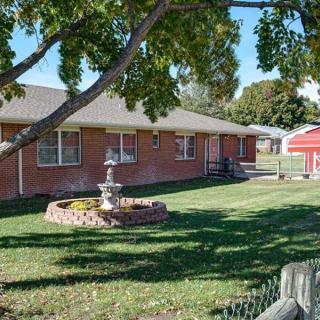
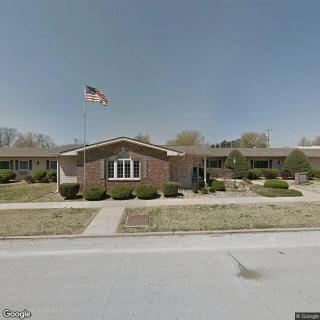
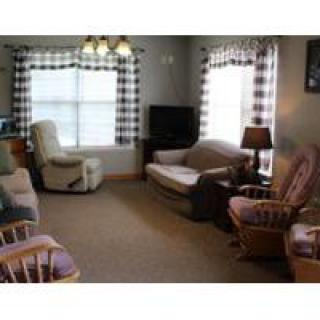
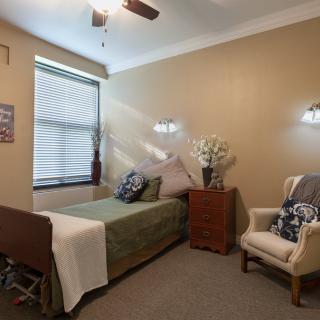
- The facility’s lack of transparency—no interior photos or other reviews—was described as very concerning.
Review
Medicalodges Independence is best suited for seniors who want an active, staff-connected environment and for families that can invest time to supervise care and maintain lines of communication. The most persuasive signal across credible feedback is a caregiving team that appears friendly, knowledgeable about aging needs, and capable of sustaining meaningful daily activities. For residents with moderate care needs who value companionship, routine engagement, and a sense of community more than clinical intensity, this facility can function as a practical, welcoming home. The caveat is that care quality and warmth seem inconsistent across shifts, and concerns about safety and transparency have surfaced in multiple accounts.
Those considering alternatives should weigh whether consistent high-level medical oversight, unwavering staffing reliability, and transparent operations are non-negotiable. The negative reports raise serious red flags: allegations of abuse and neglect, signs of under-delivery relative to Medicaid expectations, staff rudeness, and a perceived lack of openness (no interior photos, few independent reviews). For a resident with significant medical needs, cognitive impairment, or a family that cannot supervise care closely, these signals suggest that safer, more transparent options may be preferable. Alternatives with stronger reputational consistency and clearer resident-rights protections merit serious consideration.
On the balance, the best-available pros, staff warmth, apparent competency, and an active calendar, offer tangible benefits for residents who thrive on social interaction and attentive, personable care. When such strengths align with a family’s capacity to engage and monitor day-to-day care, they can offset a portion of risk. Yet the gravity of abuse and neglect claims, coupled with reports of rude behavior, undermines trust and raises the possibility that positive experiences may hinge on particular staff or shifts. The lack of transparent interior documentation and limited independent reviews compounds these concerns, making the facility feel unpredictable to families evaluating long-term placement.
Practical due-diligence steps are essential. Prospective residents should request a guided, shift-by-shift tour focusing on actual care routines, medication management, and response times. Insist on access to current incident and complaint records, and request direct conversations with leadership about how Medicaid contracts are executed and monitored. Speak with current residents and family advisory groups, and review state inspection summaries for this facility. Demand current staffing metrics, turnover rates, and the specific measures in place to protect resident dignity and safety. Finally, inspect common areas and private spaces to assess cleanliness, privacy, and overall livability, and seek clear, written policies on grievances, resident rights, and abuse investigations.
Financial and regulatory vigilance matters. The most alarming thread is the assertion that Medicaid funds may be enticed into care levels not fully delivered, with allegations of abuse tied to finances. Families should corroborate with the Kansas Department for Aging and Disability Services and review any public licensing or sanction histories. Confirm that the services promised in the admission agreement truly align with what is billed and delivered, and be wary of opaque pricing or vague care level categorizations. If transparency is lacking, or if state records reveal unresolved concerns, this facility should not be the first choice. In such cases, prioritize communities with robust, verifiable care metrics and unambiguous resident protection frameworks.
Bottom-line guidance: Medicalodges Independence can meet needs for very social seniors whose families are prepared to be vigilant advocates. It is not a one-size-fits-all recommendation; the serious concerns raised require rigorous, upfront assurances about safety, staffing consistency, and transparent operations. Families confident in verifying high-quality, well-documented care across shifts and in holding staff accountable will find value here. Those requiring steady, high-acuity medical oversight or who cannot tolerate the highlighted red flags should pursue other options with stronger safety records and clearer resident-rights protections. The decisive choice centers on safety, transparency, and the ability to deliver promised care in a consistently reliable manner.
 50 resident community capacity
 Skilled Nursing Facility
 Beauty salon
 Cable or satellite TV
 Dining room
 Fully furnished
 Garden
 Housekeeping services
 Kitchenette
 Move-in coordination
 Outdoor space
 Restaurant-style dining
 Small library
 Telephone
 Wi-Fi/high-speed internet available
 24-hour call system
 Activities of daily living assistance
 Assistance with bathing
 Assistance with dressing
 Assistance with transfers
 Diabetes diet
 Medication management
 Mental wellness program
 Special dietary restrictions


 Comprehensive Insights into Palliative Home Care: What It Is and What to Expect
 Skilled Nursing Facilities vs. Nursing Homes: Making Sense of the Differences
 A Detailed Examination of Nursing Home Costs Across the U.S.