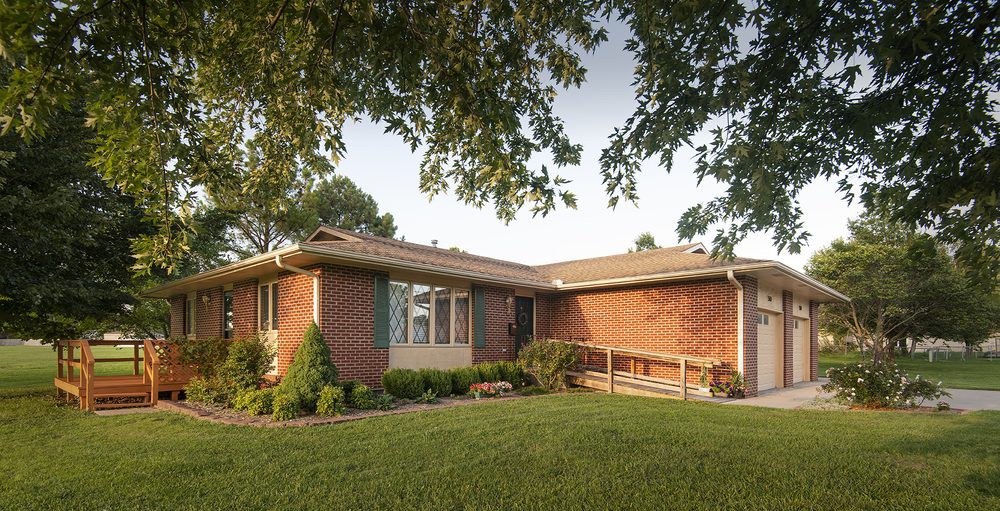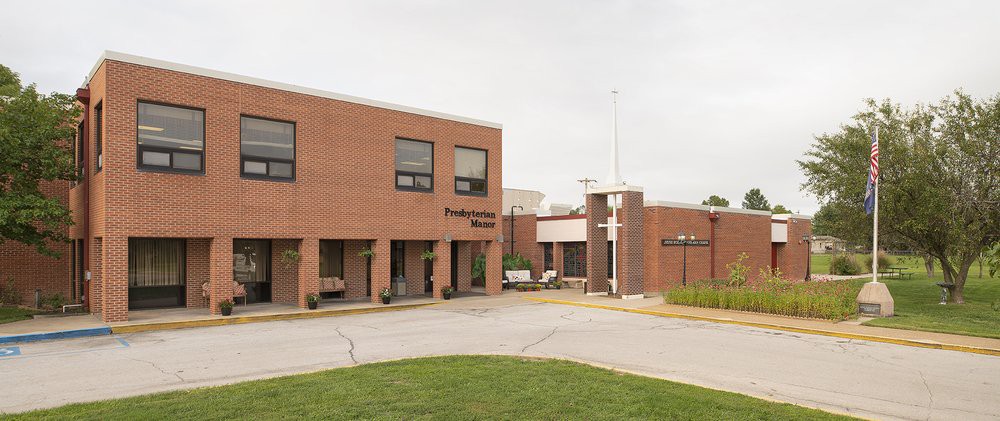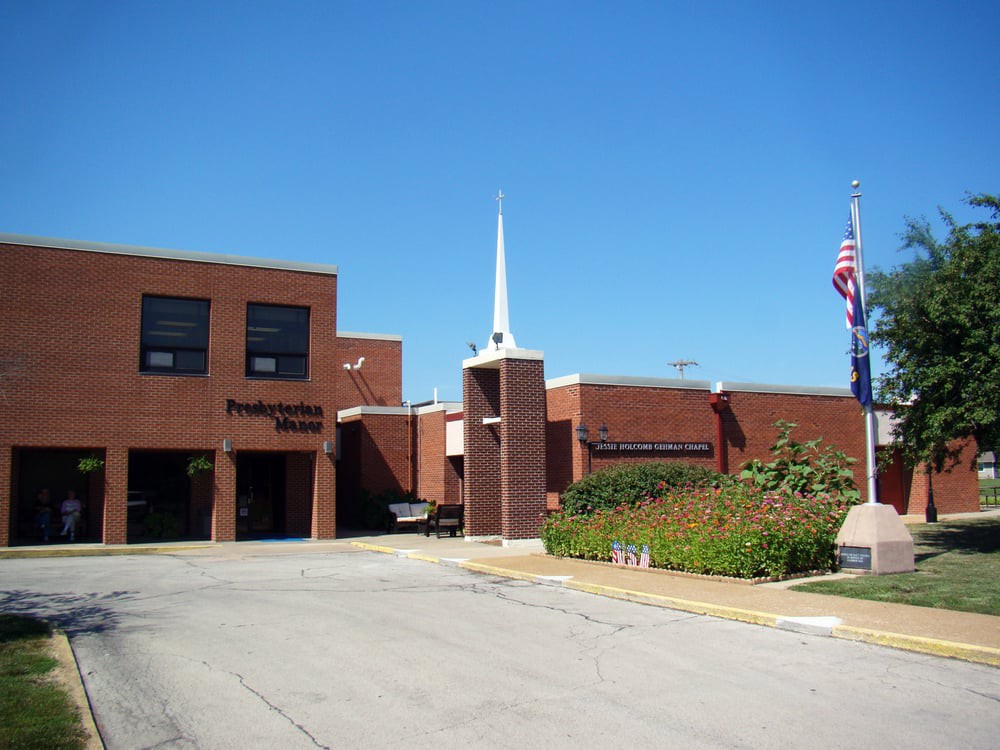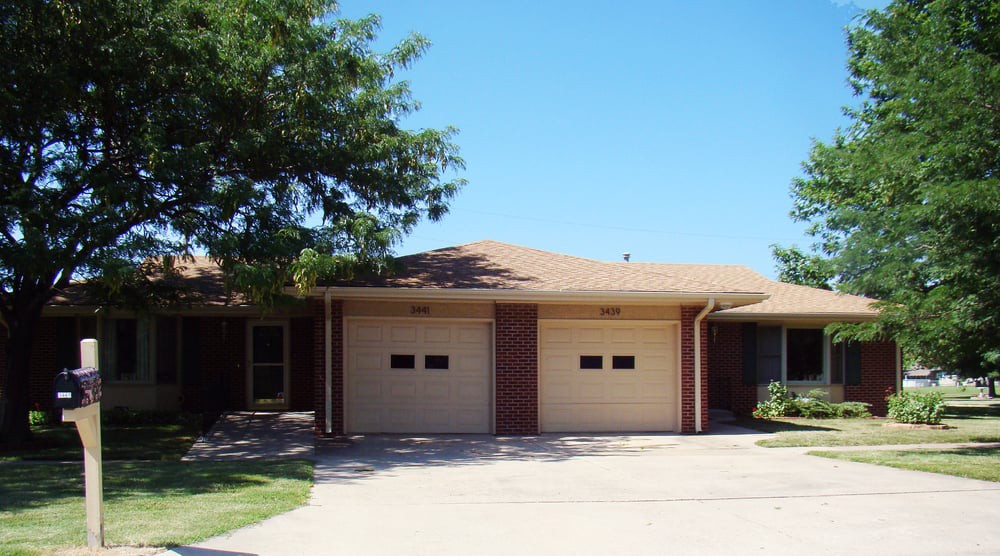
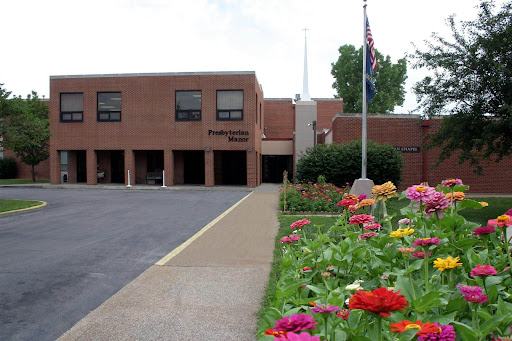


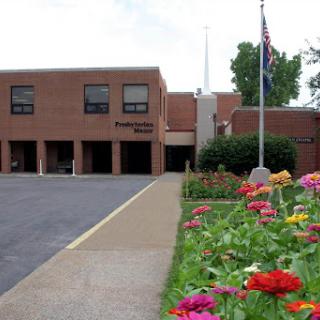
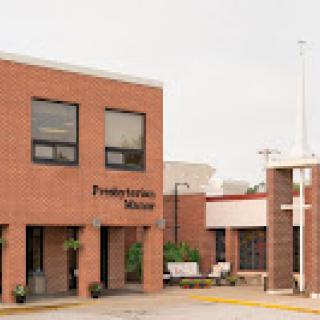
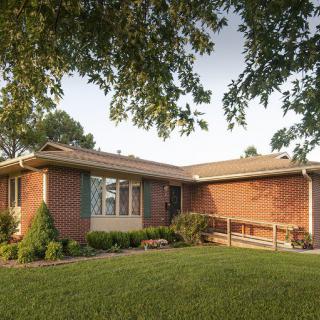
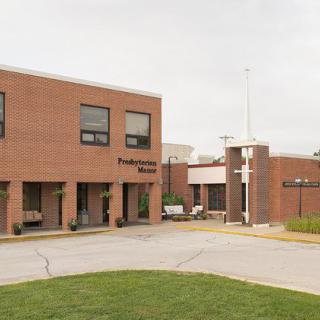
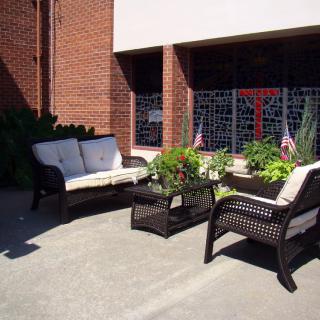



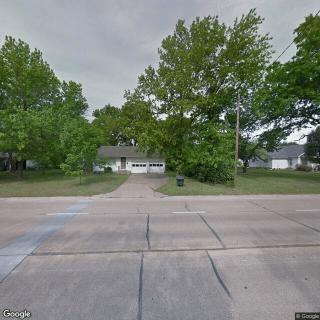
3501 Dirr Ave, Parsons, KS 67357
To contact a resident: (620) 421-1450
For more information about senior living options: (866) 208-4318
Overall Review of Parsons Presbyterian Manor
Pros
 The family is grateful for Presbyterian Manor in Parsons for their mother and for them.
- Parsons Presbyterian Manor provides generous, thoughtful, and caring attention from the executive offices to the maintenance team.
- Becky keeps activities engaging, novel, and always positive.
- The staff are welcoming to residents and visitors alike.
- The front office team (Karen, Natae, and Crystal) contribute to a warm, inviting atmosphere.
- The head nurse Kayla, along with staff nurses Donna and Brenda, help ensure a positive start for Mom.
- The housekeeping staff are infused with caring and warmth.
- Dietitian Amanda works with families to accommodate Mom’s dietary needs.
- The entire team welcomes family members as if they were their own.
- Mom is happy, safe, and comfortable at Presbyterian Manor.
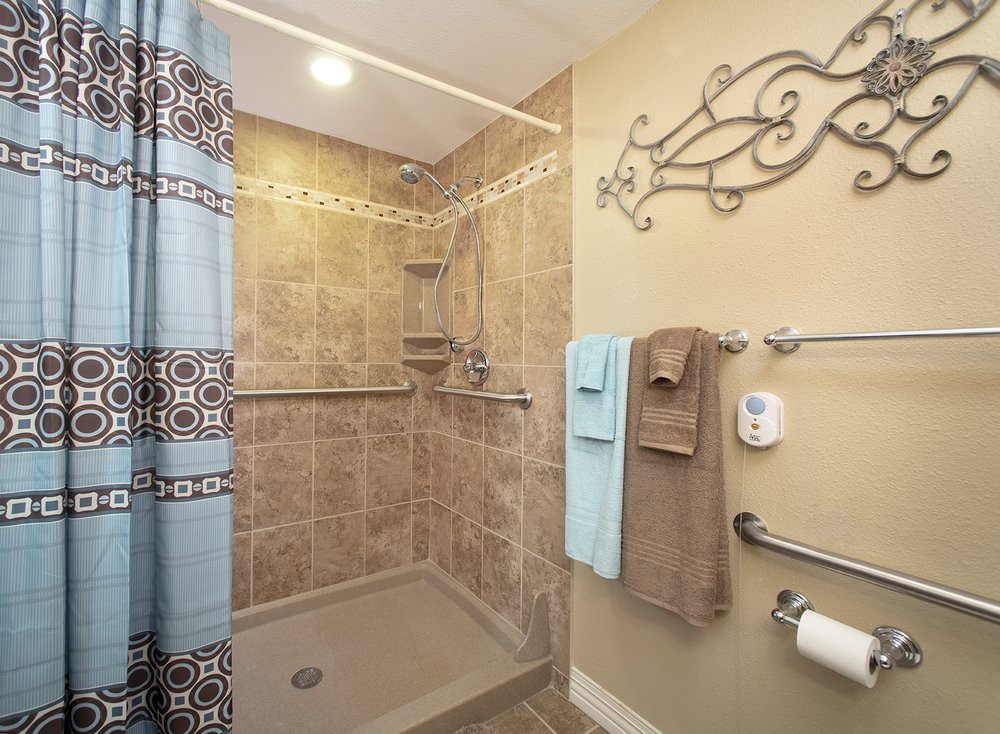
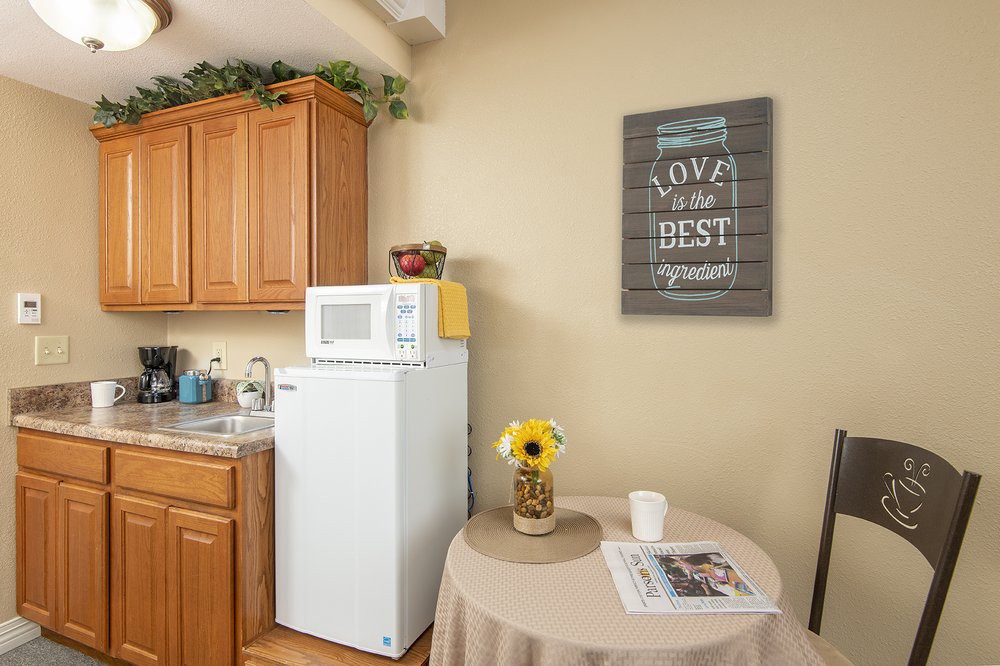
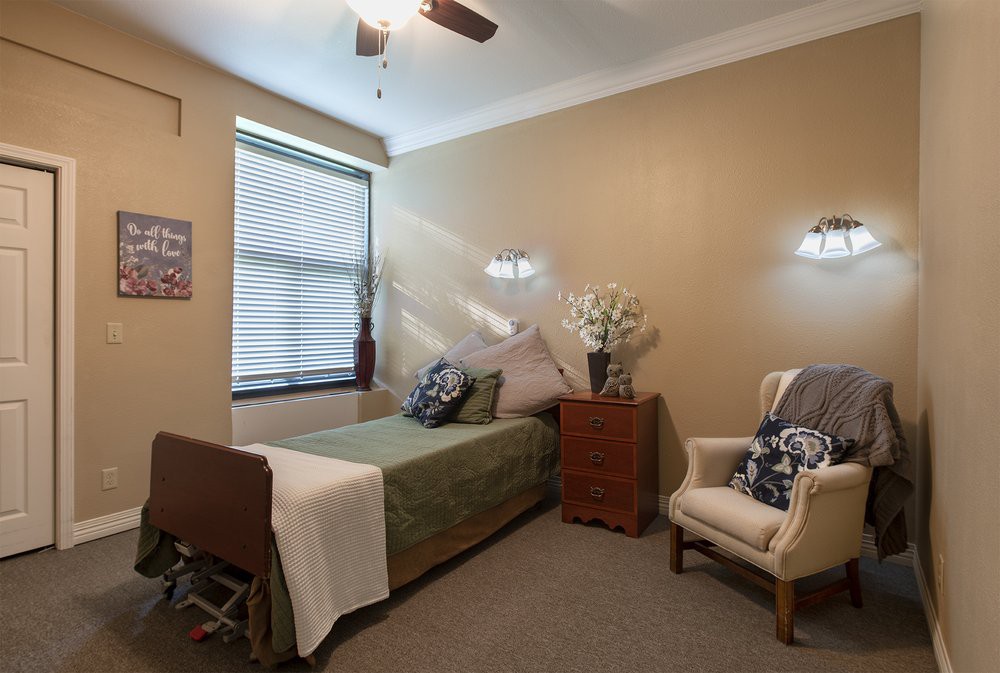
- The facility is clean and well taken care of, with issues addressed promptly.
- The staff are knowledgeable, courteous, and consistently helpful.
Cons
 The reviewer felt there were way too many old people.
- The reviewer described the food as institutional.
- The reviewer stated that residents may need an advocate because staff don’t like people speaking for themselves.
- The reviewer felt they were dropped into a nursing home unexpectedly, with no advocate to speak up for them.
- The reviewer found the staff members to be only okay.
Review
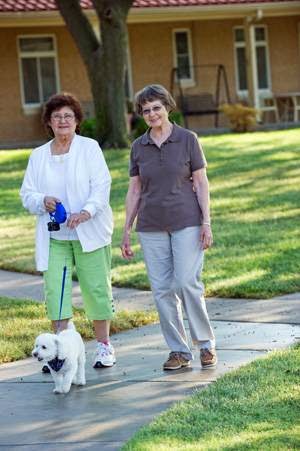
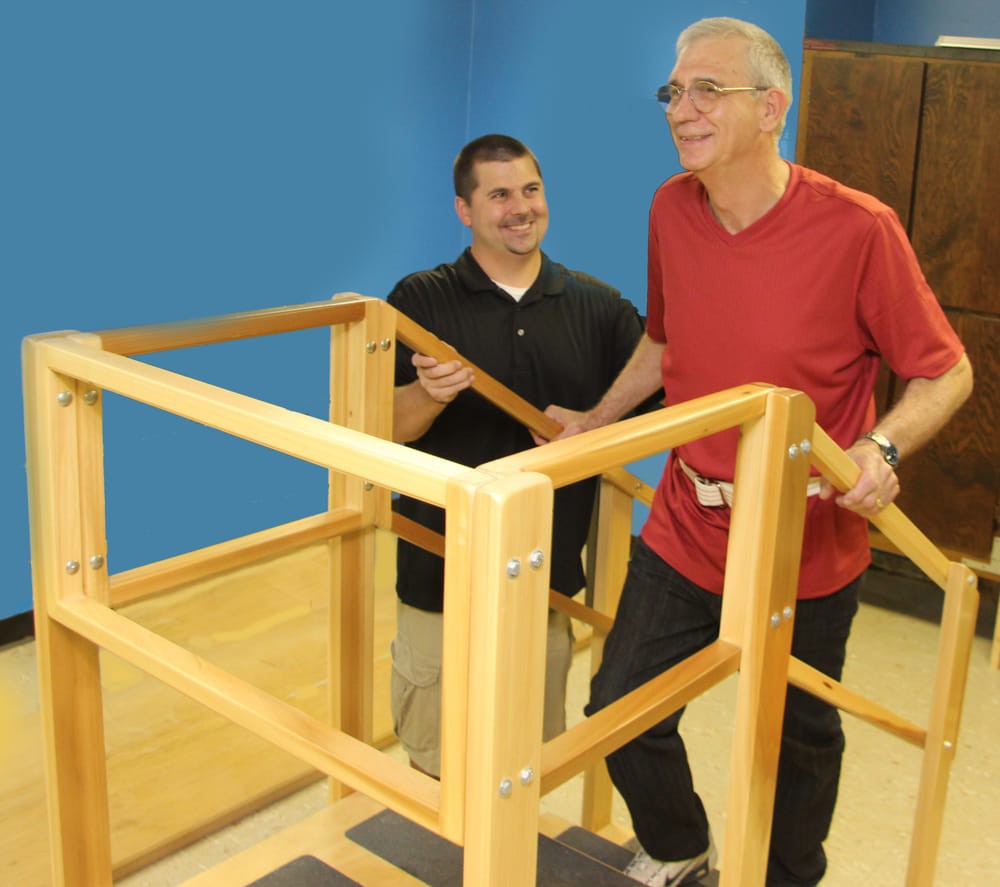
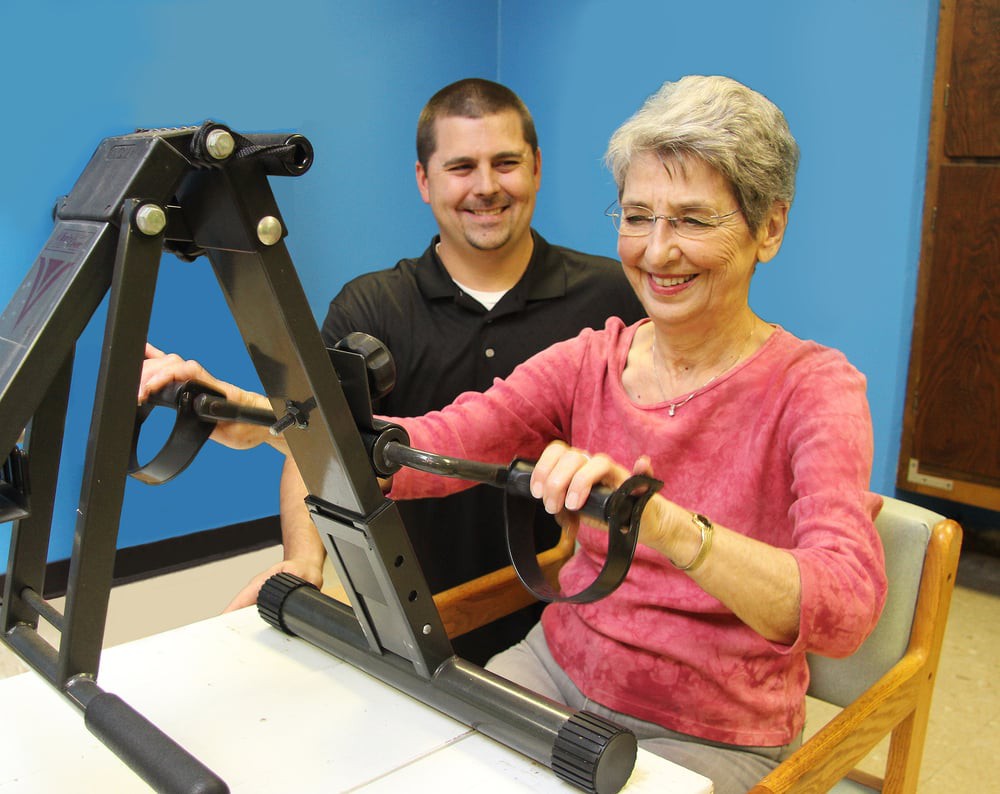
Parsons Presbyterian Manor in Parsons, Kansas is best suited for families seeking a warm, engaged, staff-led community where daily life centers on meaningful activity, reliable caregiving, and a genuine sense of belonging. The strongest signal from reviewers is a team that treats residents like family, with front-d desk, nurses, and dietary staff all working in concert to create a cohesive, welcoming atmosphere. It is especially well-mitted for an older adult who wants structured routines, regular exercise classes, crafts, and social games, all supported by a care model that actively coordinates health touchpoints with family input. For families, the relief comes from seeing a loved one stay busy, safe, and socially connected, with transitions handled by a capable, visible care team.
Those evaluating alternatives should note who may want to look elsewhere. The campus feels busy and socially dense, which may not suit someone seeking a quieter or more intimate home-like setting. Some residents require higher medical acuity or more intensive skilled-nursing support than an assisted-living format typically offers, so families should consider facilities specialized in longer-term medical care or postoperative rehab if those needs are predominant. A few reviewers also flagged an environment that can feel institutional to those who prefer a more subdued pace, or who value a setting with less direct, day-to-day oversight during rehab. For such individuals, other communities may offer the right balance of atmosphere and medical scope.
The core pros, consistency in staffing, robust activity calendars, and proactive care, largely offset the potential drawbacks. Families repeatedly praise staff accessibility and warmth, with employees going the extra mile to tailor activities and to accommodate dietary restrictions through the on-site dietitian. The programming is broad enough to keep residents engaged, from exercise classes to crafts and community events, which helps maintain a sense of purpose and belonging. Cleanliness and smooth daily operations are repeatedly cited, and transitions into the Manor are described as well-supported, with a dedicated point of contact easing the move. Taken together, these strengths create a dependable, life-enriching environment that many families value deeply.
Beyond caregiving, Parsons Presbyterian Manor earns its credit for fostering real social connection. The staff’s friendliness, the community’s family-oriented vibe, and the consistent presence of meaningful programs, often tied to faith or music, make daily life feel its own kind of rewarding. The dietitian’s involvement in meal planning stands out as a practical, tangible benefit, improving both nutrition and resident satisfaction. For residents who place a premium on feeling cared for and heard, these elements translate into steady reassurance that a loved one’s preferences are respected and integrated into care delivery. Overall, the facility projects a trustworthy, supportive backdrop for aging in place.
Decision-makers should verify how well the facility’s level of care aligns with current needs, especially regarding medical oversight, dementia or enhanced care options, and what is included in the monthly cost. Applicants should assess the activity calendar’s alignment with personal interests, the pace of daily life, and the perceived comfort within a bustling, sociable environment. Direct conversations with current residents and families about responsiveness to concerns, meal quality, and rehab experiences help illuminate the real-world experience. For those who prioritize sustained engagement and a hands-on staff culture, Parsons Presbyterian Manor delivers. If quieter pacing or higher-acuity medical services are essential, it warrants comparing with alternatives that match those expectations more closely.
Bottom line: Parsons Presbyterian Manor offers a practical, reliably caring option for families prioritizing warmth, engagement, and coordinated support in a structured community setting. It stands out for residents who thrive on activity, social interaction, and a strong, responsive care team that includes dietary support and proactive move-in planning. Those seeking a smaller, more intimate feel or a setting with less activity, or those needing more intensive medical or rehabilitative services, should weigh other options carefully. The best next step is a deliberate visit: talk with the care team, meet residents and families, and review specific care plans and cost details to ensure the fit aligns with the loved one’s goals and preferences.
 Assisted Living
 Independent Living
 Memory Care
 Skilled Nursing Facility
 Activities on-site
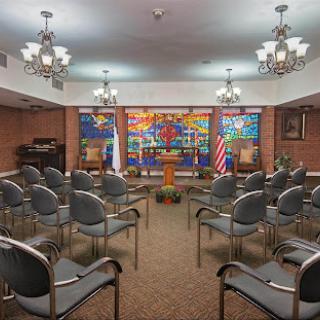
 Devotional services off-site
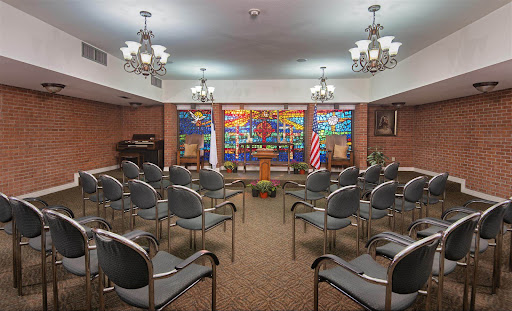
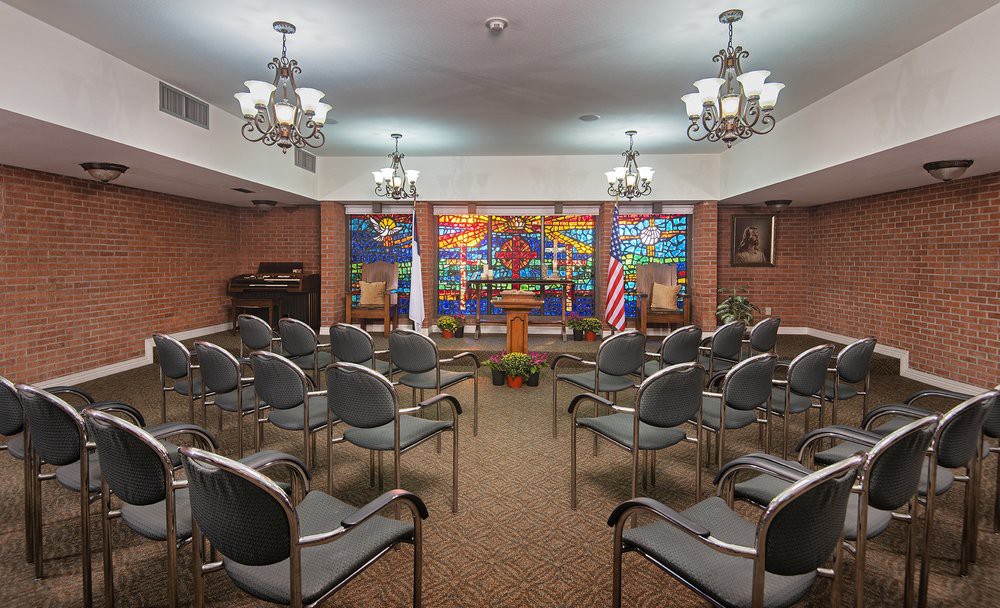
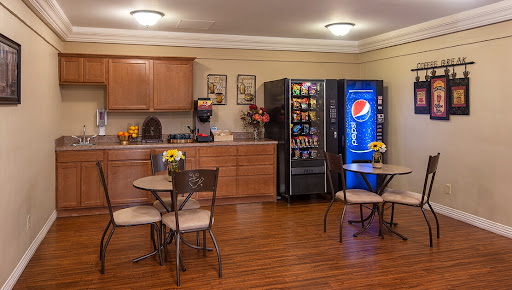
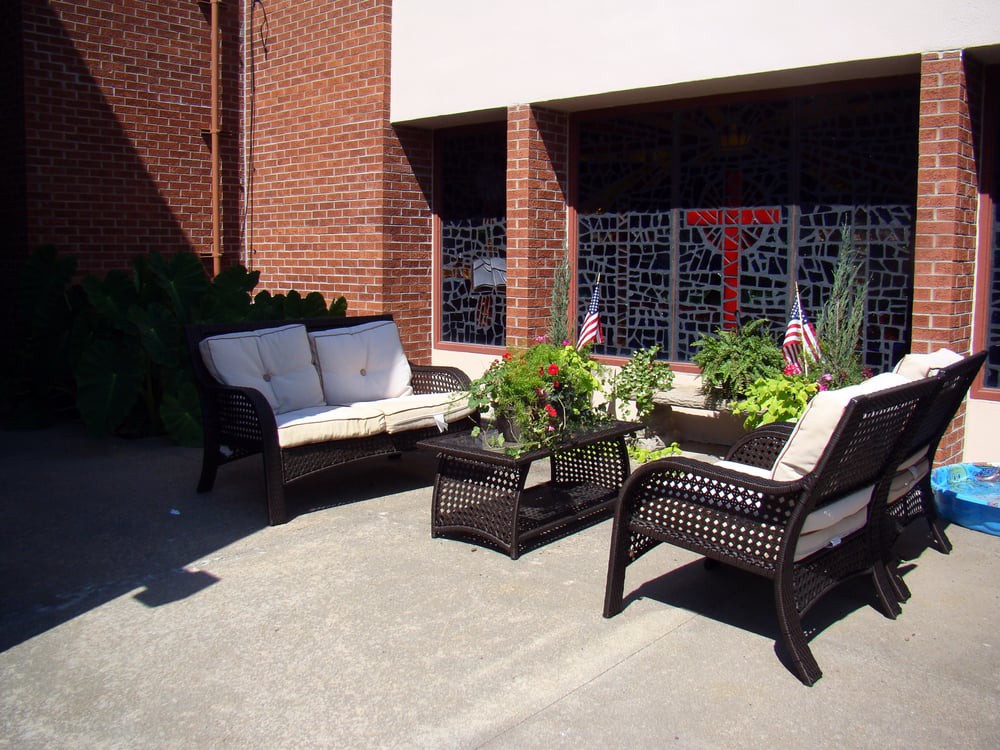
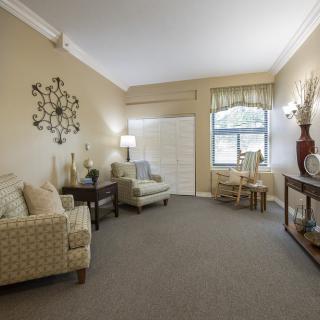
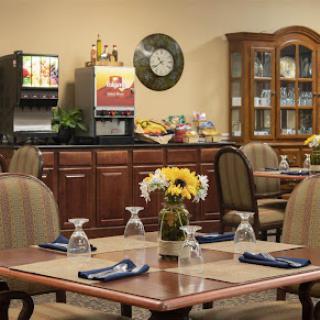
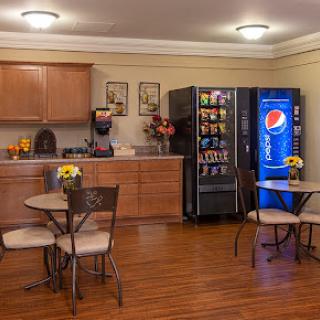
 Indoor common areas
 Ambulatory care
 Diabetic care
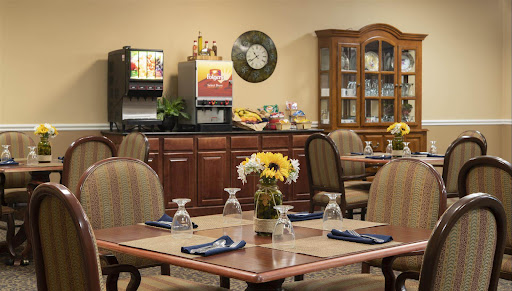
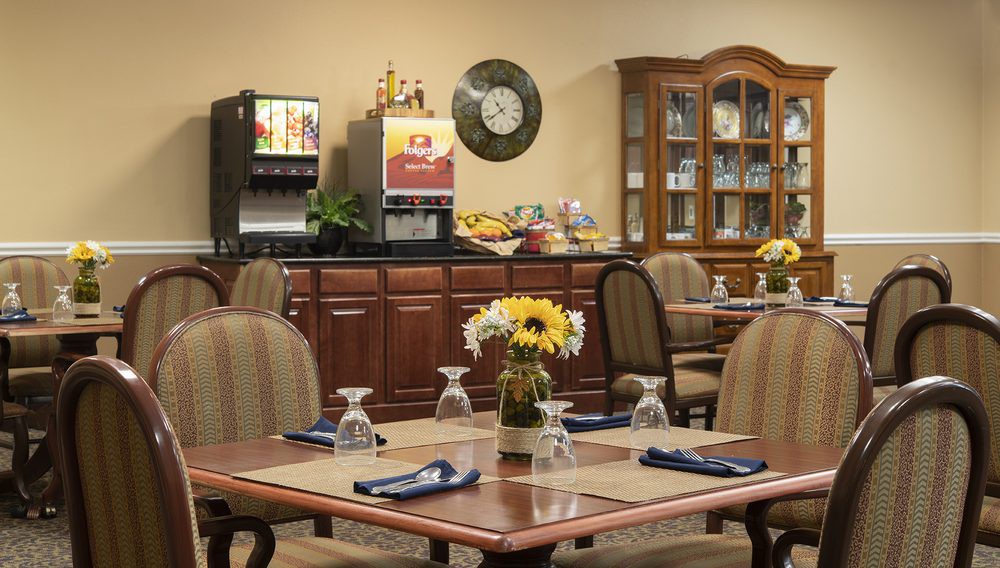
 Meals provided

 5 Early Indicators of Dementia and What You Can Do
 8 Important Indicators That Memory Care May Be Necessary
 Delving into the Inner World of Dementia: Insights into Thoughts and Awareness